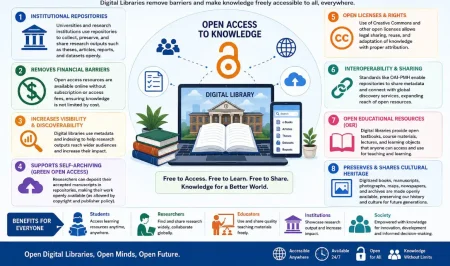
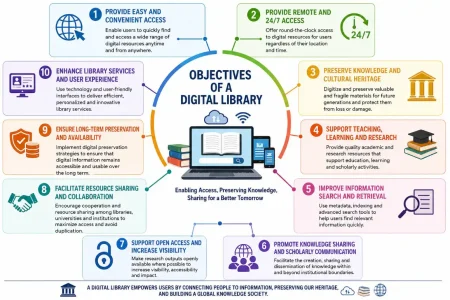
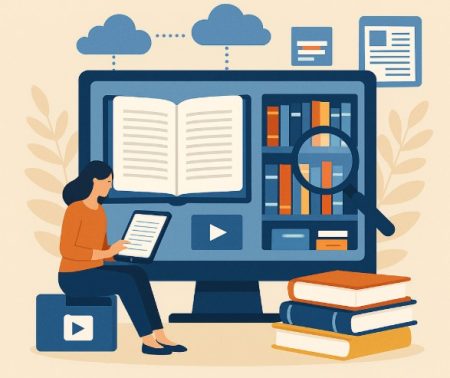
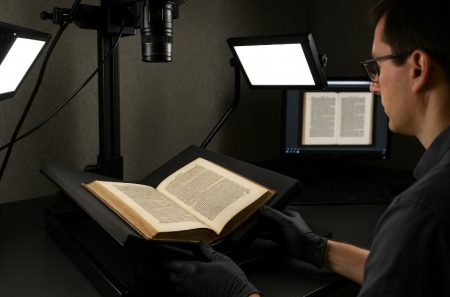
Library resource digitization refers to the process of converting physical library materials, such as books, manuscripts, journals, photographs, and audio-visual content, into digital formats. This transformation is crucial in the modern information age, as it enables easier access, preservation, and sharing of valuable content. For example, digitizing rare historical manuscripts allows scholars and researchers to study these materials without risking damage to the originals. Additionally, the digitization of audio-visual content, such as recorded interviews or historical films, makes them accessible to a global audience, transcending geographical boundaries.
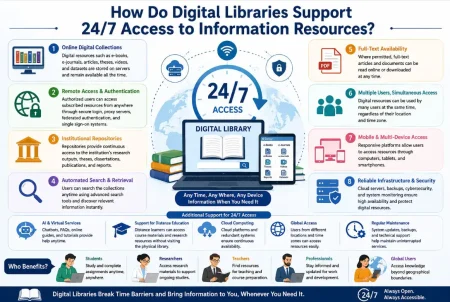
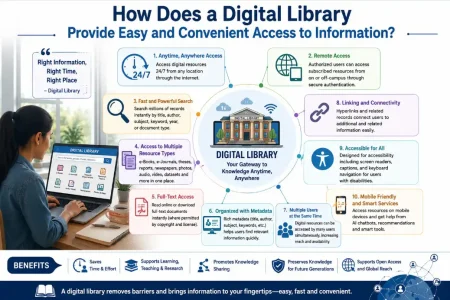
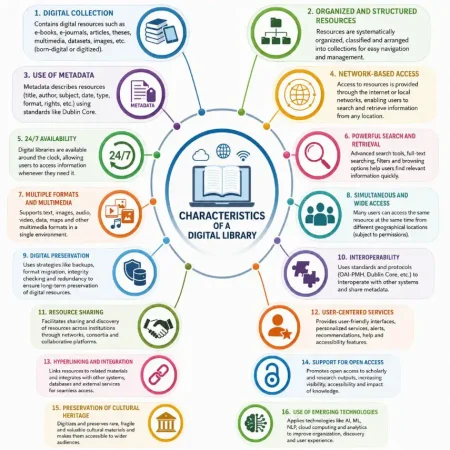
Digitization not only safeguards fragile and deteriorating materials by creating digital backups but also enhances accessibility by making these resources available to users at any time and from any location. Libraries such as the Library of Congress in the U.S. have digitized a vast array of their collections, offering online access to millions of items, from photographs to government documents, making them available to a wider public. Similarly, initiatives like Google Books and Project MUSE have contributed significantly to the digitization of academic texts, allowing researchers worldwide to access a vast collection of scholarly works remotely.
Libraries play a pivotal role in providing equitable access to information, and digitization supports this mission by removing barriers like location, time, and physical limitations. As the world becomes increasingly digital, libraries are adapting to new technological landscapes, ensuring that their collections remain relevant and accessible. For instance, digital repositories such as JSTOR and institutional repositories allow libraries to store and provide access to digital copies of scholarly articles, theses, and dissertations.
However, the digitization process involves various challenges, including selecting which materials to digitize, adhering to copyright laws, maintaining quality, and ensuring long-term preservation. The British Library, for example, has faced challenges with digitizing millions of items while complying with copyright laws and ensuring the longevity of the digital formats. Nonetheless, despite these obstacles, digitization holds significant potential for improving user experiences, fostering research, and expanding the reach of library collections beyond traditional physical boundaries. By embracing digitization, libraries can continue to evolve and meet the growing demand for instant access to diverse information sources.
Best Practices for Library Resource Digitization
As libraries transition into the digital age, digitization of resources has become a critical strategy for preserving and expanding access to valuable collections. Whether they contain rare books, manuscripts, photographs, or audiovisual materials, these resources can be safeguarded and shared with global audiences through digitization. However, the process involves a complex interplay of technology, copyright law, and long-term preservation considerations. For libraries looking to embark on or refine their digitization initiatives, adhering to established best practices is essential to ensure the success of these projects. Below, we outline the best practices for library resource digitization, covering everything from material selection to user access.
- Careful Selection of Materials for Digitization: The first and most crucial step in any digitization project is selecting which materials to digitize. Libraries often face resource constraints, so prioritizing materials that are in high demand, at risk of deterioration, or are rare and unique is a smart approach. These might include fragile manuscripts, historical archives, or collections that hold significant cultural or scholarly value.
For example, rare books that are no longer in print or historical records that are physically deteriorating may benefit most from digitization. Libraries should also consider public interest, as materials that align with current research trends or serve a large, diverse audience are strong candidates. Careful consideration at this stage ensures that resources that benefit the library’s users the most are preserved and made accessible. - Navigating Copyright and Licensing Issues: Digitization projects often raise complex copyright and intellectual property questions. Libraries must ensure that they have the legal right to digitize and distribute materials, especially copyrighted works. This is particularly important when offering online access to digitized materials.
Materials that are in the public domain, such as works published before a certain year or materials with expired copyright, are easy to digitize and share freely. However, copyrighted materials require the library to obtain permission from the copyright holder or secure a licensing agreement. Some libraries may also need to make use of copyright exceptions for educational use or fair use provisions under specific circumstances.
Libraries should maintain clear and accessible records of permissions, licenses, and terms of use for each digitized resource to avoid potential legal issues and protect their intellectual property rights. - Implementing Standardized Metadata for Discovery and Access: Metadata, which is data that describes the contents of a digital resource, plays a crucial role in ensuring the discoverability and usability of digitized materials. Without proper metadata, even the most carefully digitized content can become lost in a sea of information.
Libraries should implement standardized metadata practices to ensure that digitized materials are easily searchable and interoperable with other systems. Commonly used metadata standards include Dublin Core and MARC (Machine-Readable Cataloging). By adopting these recognized standards, libraries can ensure their digitized resources are properly cataloged and accessible in global digital repositories.
In addition to basic information such as title, author, and subject, metadata should include technical details about the format, date of digitization, and preservation status. This is especially important for ensuring that future generations can use and preserve digital materials. - Ensuring High-Quality Digitization: High-quality digitization is paramount to preserving the integrity of physical materials and providing an optimal user experience. For textual materials, Optical Character Recognition (OCR) technology should be employed to enable full-text searching and enhance accessibility. For images and photographs, high-resolution scanners or digital cameras should be used to capture detailed reproductions of the originals.
Libraries should also consider the long-term accessibility of digital files by selecting formats that are widely supported and known for their stability. For instance, TIFF is commonly used for images because it is a lossless format that preserves detail, while PDF/A is a preferred format for documents as it is designed for long-term archiving.
Regular quality checks during the digitization process are essential to ensure that digital files are accurate and faithful representations of the originals. These checks may involve visually comparing the digital versions with the physical items and testing digital files for usability, including search functionality for OCR-processed documents. - Long-Term Digital Preservation: One of the greatest challenges of digitization is ensuring that digital files remain accessible and usable in the future. Unlike physical objects, digital files are susceptible to degradation, format obsolescence, and hardware failure. As technology rapidly evolves, digital resources that are not properly maintained may become unreadable or inaccessible.
To combat this, libraries must implement a robust digital preservation strategy. This involves regular migration of files to current formats as older formats become obsolete, multiple copies of files stored in different physical and cloud-based locations, and periodic audits to check for any data corruption or loss.
Libraries should also adhere to standards like the Open Archival Information System (OAIS) model, which provides guidelines for managing the long-term storage and preservation of digital information. Regular backup procedures and redundancy are key components of a sustainable preservation plan. - Managing User Access and Security: While digitization increases access to library resources, it also raises concerns about privacy and security. Libraries must ensure that digitized materials are accessible to authorized users while protecting sensitive or restricted content.
For example, copyrighted materials might need to be made accessible only to specific users, such as those with institutional access. Libraries can use secure digital platforms to manage user authentication and control who can view or download content. Additionally, some libraries may offer tiered access where public domain materials are freely available, while more restricted materials are available only under controlled access protocols.
Security measures, such as encryption for sensitive materials and secure user authentication for restricted access, are vital in protecting both the integrity of the digitized content and user privacy. - Overcoming Technical Challenges: The digitization process often presents technical challenges, particularly when dealing with diverse types of materials. For instance, oversized maps, delicate manuscripts, or audiovisual materials may require specialized scanning or digitizing equipment. Similarly, certain resources may require specific file formats or software to ensure their quality is preserved during conversion.
Collaborating with technology experts or digital preservation specialists can help libraries navigate these challenges. Some materials may also require external partners to digitize, such as third-party vendors with expertise in handling rare or fragile items. Libraries must invest in the proper equipment and training to ensure these technical issues are handled appropriately. - Collaboration with External Partners: Digitization is often a resource-intensive process, both financially and technologically. To maximize the impact of digitization projects, libraries can collaborate with external partners, including other libraries, academic institutions, or technology providers. For instance, libraries may join consortia for large-scale digitization projects, sharing resources, expertise, and costs.
Collaborations can also expand the scope of digitization efforts. Initiatives like Europeana and the Digital Public Library of America (DPLA) have brought together libraries, archives, and museums from around the world to digitize cultural heritage materials and share them in a single, accessible digital repository. - Staff Training and Capacity Building: Given the rapidly evolving nature of digitization technologies, ongoing training for library staff is essential. Staff members involved in digitization efforts must be well-versed in metadata creation, digital preservation techniques, copyright law, and the technical aspects of scanning and digitization. Offering regular professional development opportunities helps ensure that library personnel are equipped with the knowledge and skills needed to manage digitization projects successfully.
Investing in staff training not only improves the quality of digitization projects but also ensures that libraries can sustain their digitization initiatives over the long term.
Library resource digitization offers a wealth of opportunities for preserving valuable materials, expanding access to diverse collections, and ensuring that resources remain available to future generations. However, achieving success in digitization requires careful planning, adherence to best practices, and the strategic use of technology, legal considerations, and long-term preservation strategies. By following the best practices outlined above, libraries can overcome the challenges of digitization and provide greater access to their collections, enriching the academic and cultural communities they serve.
Key Factors to Consider When Selecting Materials for Digitization in a Library
Digitization has become a central strategy for libraries in preserving their collections, improving accessibility, and ensuring that resources are available for future generations. However, digitizing every item in a library’s collection is neither practical nor cost-effective. To ensure that digitization efforts are meaningful and sustainable, libraries must carefully select which materials to digitize. This selection process involves considering various factors that balance preservation needs, usage demands, and resource constraints. Below, we explore the key factors that libraries should take into account when selecting materials for digitization.
- Condition and Fragility of the Material: One of the primary factors in selecting materials for digitization is the condition of the physical item. Materials that are fragile, deteriorating, or at risk of being lost due to physical damage are prime candidates for digitization. This includes rare books, manuscripts, photographs, and archival materials that may be too delicate to handle frequently. For example, a 19th-century manuscript with fragile pages may benefit significantly from digitization, allowing researchers to access its contents without further stressing the original document. By digitizing such items, libraries not only preserve the content but also reduce the need for physical handling, thereby extending the life of the original.
For materials in poor condition, digitization may serve as the only means of preserving their content, especially if the item is irreplaceable. In these cases, high-quality scanning techniques can capture even the finest details, ensuring that future generations can access and study these materials without compromising their physical integrity. - Research Demand and Public Interest: Libraries should prioritize digitizing materials that align with current research needs or have widespread public interest. Academic libraries, in particular, should consider the subjects and materials most in demand by students, faculty, and researchers. For example, digitizing rare historical documents related to a specific field of study, such as early medical texts or primary sources related to historical events, can support scholarly research and teaching.
Public libraries may focus on digitizing popular or locally significant materials that attract a broad audience. Local historical archives, such as old town records or family histories, may resonate with community members and have high public interest. Digitization of such materials allows libraries to make them accessible to a larger audience, not just those who can visit in person.
By focusing on materials with high demand, libraries can maximize the impact of their digitization efforts, ensuring that valuable content is accessible to those who need it most. - Scarcity and Uniqueness: Another critical factor is the scarcity or uniqueness of the material. Materials that are one-of-a-kind or extremely rare should be prioritized for digitization to ensure that they are preserved for future generations. This includes rare books, manuscripts, maps, photographs, or audio-visual materials that may not have existing digital copies. Digitizing such items helps prevent their loss due to aging, environmental factors, or accidental damage.
For instance, a library may have a collection of handwritten letters from a notable historical figure. Since such items are unique and irreplaceable, digitizing them ensures that scholars can continue to study them even if the physical documents degrade over time. Libraries should evaluate the rarity and significance of their collections to determine which materials are essential to preserve digitally. - Legal and Copyright Considerations: Legal and copyright issues play a significant role in the selection process for digitization. Libraries must assess whether they have the legal right to digitize and distribute materials. While materials that are in the public domain can be freely digitized and shared, materials under copyright require careful evaluation. In some cases, libraries must obtain permission from copyright holders before proceeding with digitization.
For example, a library may have a collection of popular novels that are still under copyright protection. In such cases, digitization may only be possible under certain conditions, such as securing licensing agreements or adhering to fair use guidelines for educational purposes. Before selecting materials for digitization, libraries should ensure they understand the legal implications and acquire any necessary permissions.
Libraries also need to consider how they will manage access to copyrighted materials. In some cases, restrictions may need to be placed on how and where digitized content can be accessed, such as limiting access to institutional members or providing view-only versions to protect against unauthorized reproduction. - Material Format and Technological Feasibility: The format of the material is another important factor when selecting items for digitization. Some formats are more easily digitized than others, and libraries must consider whether the necessary equipment and technology are available to handle specific materials. For instance, printed books and documents are relatively straightforward to digitize using scanners or cameras, but digitizing audio-visual materials such as films, tapes, or slides may require specialized equipment and more advanced technical expertise.
Similarly, oversized maps or three-dimensional objects may pose challenges in terms of scanning or photographing, requiring larger scanners or special handling techniques. Libraries must assess the technical feasibility of digitizing materials and whether the cost and resources required to handle more challenging formats are justified by the expected benefits of digitization. - Historical and Cultural Significance: Items that hold historical, cultural, or local significance should be prioritized for digitization, especially if they are part of a broader effort to preserve cultural heritage. Many libraries maintain collections that document important local histories, such as records of indigenous communities, cultural practices, or local government archives. These materials may not only serve as a record of local heritage but also provide valuable insights into broader historical contexts.
For example, a library might have a collection of local newspaper archives documenting key events in the community’s history. Digitizing such materials allows for preservation and makes them accessible to researchers, educators, and the public. Libraries may also consider digitizing materials that tell stories of marginalized communities or contribute to more diverse narratives, ensuring that important cultural legacies are preserved for future generations. - Cost and Resource Availability: Digitization can be a costly and resource-intensive process, involving both monetary investment and labor. Libraries must carefully assess their budget and resources when deciding which materials to digitize. The cost of scanning, metadata creation, storage, and long-term preservation must be weighed against the anticipated benefits of digitization.
In some cases, libraries may opt for outsourcing digitization projects to external vendors or partnering with other institutions to share costs. For example, a library may collaborate with a university or research institution to digitize a shared collection of materials, pooling resources to ensure the project’s success. Careful planning and cost assessment ensure that libraries can prioritize their resources effectively and avoid overburdening their budgets. - Long-Term Preservation and Access Needs: Finally, libraries must consider the long-term preservation and access needs of their digitized collections. Digitization should not be seen as a one-time effort but as part of a larger strategy for maintaining and updating digital content over time. Libraries need to evaluate the digital preservation techniques they will use and ensure that digitized materials remain accessible in the future, even as technology evolves.
For example, libraries should select file formats that are recognized for their stability and long-term viability, such as PDF/A for documents or TIFF for images. Furthermore, digital storage systems should be robust, with regular backups and contingency plans in place to protect against data loss.
Selecting materials for digitization is a multifaceted process that requires careful consideration of several factors, including the condition of the material, research demand, legal considerations, and technical feasibility. Libraries should prioritize materials that are fragile, unique, in high demand, and of cultural or historical significance. By making informed decisions about which materials to digitize, libraries can ensure that their digitization efforts preserve valuable resources, expand access to information, and support ongoing research and learning.
How can Libraries Ensure Long-Term Preservation and Accessibility of Digitized Resources
Ensuring the long-term preservation and accessibility of digitized resources is a critical concern for libraries as they transition to digital collections. Unlike physical materials, digital files are susceptible to degradation, technological obsolescence, and security risks. Therefore, libraries must implement comprehensive strategies to safeguard their digitized collections and ensure these resources remain usable for future generations. One of the foundational elements of digital preservation is the use of standardized, widely accepted file formats designed for long-term stability. Libraries should prioritize formats such as PDF/A for documents and TIFF for images, as these formats are specifically created for archival purposes and are less likely to become obsolete. Additionally, libraries must adopt redundant storage systems to protect digital files from data loss. This involves storing files in multiple locations, including both physical and cloud-based storage, to ensure resources remain safe even in the event of hardware failure or natural disasters. Regular backups should also be automated to guarantee that the most up-to-date versions of files are consistently stored.
Another key component of digital preservation is format migration, the process of transferring digital files to newer formats as older ones become unsupported. Libraries should regularly evaluate their digital collections and move files to more current formats to avoid issues related to format obsolescence. Alongside format migration, libraries must implement comprehensive metadata standards to ensure their digitized resources remain discoverable and well-organized over time. Standardized metadata practices, such as Dublin Core or METS (Metadata Encoding and Transmission Standard), help catalog, search, and retrieve digital materials effectively, contributing to the long-term usability of collections.
Libraries also need to utilize digital preservation systems (DPS) designed specifically to manage and maintain digital collections. These systems, such as Archivematica or Islandora, offer automated workflows for file preservation, including integrity checks, version control, and backup management, ensuring digital resources remain intact and accessible. In addition, digital rights management (DRM) tools are essential for protecting copyrighted content and controlling access to restricted resources. Libraries should establish clear access protocols to ensure that only authorized users can view or download specific materials, balancing open access with the need for security.
To further enhance their preservation efforts, libraries should develop and implement preservation policies that cover every aspect of digital preservation, from file formats and metadata standards to backup procedures and access restrictions. These policies must be reviewed and updated regularly to keep pace with technological advancements and legal changes. Staff training is also critical to ensuring that all personnel are well-versed in preservation best practices. Collaboration with external partners, such as other libraries, archives, and technology providers, can further strengthen preservation efforts. By pooling resources and sharing expertise, libraries can extend the impact of their digitization projects and contribute to a global effort to preserve cultural heritage.
The Role of Digitization in Enhancing Library Access for Remote or Underserved Communities
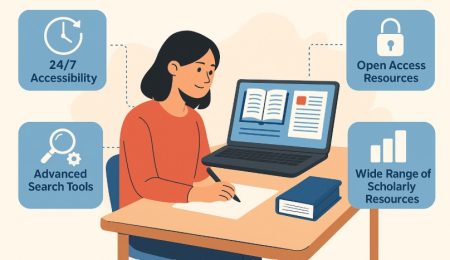
Digitization has become a transformative tool for expanding library access, especially for remote or underserved communities that face significant barriers to physical access. By converting physical resources into digital formats, libraries can transcend geographic, economic, and logistical limitations, offering a wider range of services and materials to users who otherwise might not have access. This is particularly beneficial for rural communities, where libraries may be scarce or where transportation infrastructure is lacking. Digitization allows individuals to access library resources from the comfort of their homes, eliminating the need for time-consuming and costly travel. Whether it is academic journals, rare books, or digital archives, users can simply log into an online portal and retrieve the materials they need. This capability is particularly important for rural areas where traveling to a physical library is often impractical.
Digitized library resources also play a critical role in supporting education and lifelong learning in underserved communities. In areas where schools or universities may lack the necessary resources to offer a broad range of educational materials, digitization fills the gap by making curriculum-supporting content, self-learning resources, e-books, online journals, and educational videos available to students. This access enables learners to engage with high-quality materials and fosters equal educational opportunities, regardless of financial constraints or limited infrastructure. Moreover, digitization supports digital literacy development, especially in communities with limited access to technology. Libraries can provide training on how to navigate digital platforms, access information, and use digital tools effectively, thus empowering community members with the skills needed for digital participation.
In addition to supporting education, digitization allows libraries to preserve and provide access to cultural heritage and local history, which is especially important for underserved communities. Many marginalized communities have limited access to historical records, oral histories, or artifacts that represent their unique identities. By digitizing these materials, libraries help preserve this valuable content and make it accessible to both local users and a global audience. This fosters a sense of cultural pride and connection to one’s heritage while ensuring that these materials are preserved for future generations. Similarly, during times of crisis, such as natural disasters or pandemics, digitization plays a crucial role in maintaining access to resources when physical libraries are unavailable. During the COVID-19 pandemic, for instance, many libraries transitioned to providing digital services, ensuring users continued to have access to essential resources like health information and educational materials.
Digitization also facilitates social inclusion by allowing underserved communities to participate more fully in society. Libraries serve as important community hubs where individuals from various backgrounds can come together to learn, share ideas, and connect. By providing remote access to digital collections, libraries foster community engagement, allowing individuals who might otherwise be isolated to participate in cultural, educational, and social exchanges. Furthermore, libraries can offer resources in multiple languages, provide digital accessibility features, and include materials from diverse cultural perspectives, ensuring that all individuals, regardless of background or ability, have equal access to information. This contributes to greater social equity and inclusion, enabling all members of the community to engage with educational and cultural resources.
Digitization plays a significant role in improving access to health information, particularly for underserved communities that may have limited healthcare facilities or resources. Libraries provide access to digitized medical journals, health guides, and educational videos, empowering individuals to make informed decisions about their health and well-being. By offering access to accurate and up-to-date health information, libraries contribute to public health efforts, particularly in rural or low-income areas where health literacy may be lower. Libraries can also offer online health-related workshops or webinars, providing access to professional expertise and empowering community members to take charge of their health.