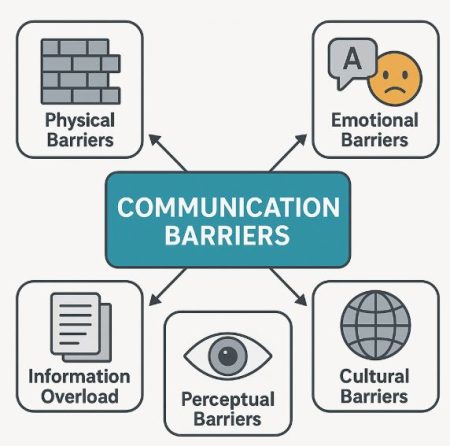
Miscommunication refers to the failure to convey or interpret information accurately, resulting in misunderstandings between individuals or groups. It can occur in any form of communication, whether verbal, non-verbal, or written, and is often the result of misinterpretations, unclear messaging, or a lack of effective listening. For instance, in the workplace, a manager might instruct an employee to “finish the report by tomorrow,” but if the deadline is unclear or not confirmed, the employee might misunderstand and submit it late. Similarly, in a personal context, a person may misinterpret a sarcastic comment as a genuine statement, leading to feelings of hurt or confusion. The causes of miscommunication are diverse, including language barriers, cultural differences, emotional factors, and technological errors. For example, in cross-cultural communication, a gesture that is common in one culture, like a thumbs-up, may be perceived as offensive in another, leading to a misunderstanding. Technological errors, such as autocorrect mistakes in text messages, can also contribute to miscommunication, as seen when someone sends an incomplete or unclear message due to a phone’s automatic text correction.
Miscommunication can occur in personal relationships, workplaces, educational settings, and even in professional environments like healthcare, where the consequences can be particularly severe. In healthcare, for example, a miscommunication between a doctor and a nurse regarding a patient’s medication could lead to potentially life-threatening situations. Miscommunication not only leads to confusion but can also foster frustration, conflict, and a breakdown in trust. In professional settings, this may manifest as decreased productivity, poor teamwork, and missed opportunities. Addressing miscommunication requires a conscious effort to improve clarity, enhance listening skills, and adapt communication methods to different audiences. In an increasingly interconnected world, understanding and addressing miscommunication is vital for fostering stronger relationships and improving overall communication effectiveness.
What is Miscommunication?
Miscommunication is the failure to convey or interpret information accurately, resulting in a misunderstanding between the sender and the receiver. This breakdown in communication can happen in various forms, such as verbal, non-verbal, or written exchanges. Miscommunication often occurs when the message is unclear, ambiguous, or open to different interpretations. For example, the use of vague language, conflicting body language, or improper tone can lead to confusion. In some cases, cultural differences or language barriers also contribute to the misinterpretation of messages. Additionally, distractions or emotional states of the individuals involved may distort the communication process. Although miscommunication is a common occurrence, it can lead to significant issues if not addressed. These can range from minor misunderstandings in personal conversations to more serious conflicts in professional settings or teamwork. Resolving miscommunication often requires clarifying the message, ensuring both parties are on the same page, and improving overall communication practices to prevent further misunderstandings.
How Miscommunication Differs from Communication Failure
Miscommunication and communication failure are both breakdowns in the communication process, but they differ significantly in their nature and impact. Miscommunication occurs when the intended message is sent but is not accurately understood or interpreted by the recipient. This can happen for various reasons, such as unclear language, cultural differences, or misinterpretation of non-verbal cues. For example, in a workplace, a manager may say, “Let’s finish this by tomorrow,” but the employee might interpret the deadline as flexible, leading to confusion. In contrast, communication failure refers to a complete breakdown where the message is either not transmitted, not received, or completely misunderstood in a way that prevents any meaningful exchange. Communication failure can result from technical issues, lack of proper communication channels, or even a failure to communicate altogether. An example of this is when an important email is never sent, leaving the recipient unaware of crucial information, or a video call fails due to a poor internet connection. While miscommunication often leads to misunderstanding that can be clarified, communication failure requires more significant efforts, such as re-sending the message or using different communication methods to ensure the message is delivered. The key difference lies in the transmission of the message: miscommunication involves a misunderstanding of a delivered message, whereas communication failure indicates that the message was never effectively conveyed in the first place. While both situations disrupt communication, miscommunication is often easier to resolve with clarification, while communication failure can have more severe consequences, requiring systemic fixes or alternative channels for communication.
Common Causes of Miscommunication in Personal and Professional Settings
Miscommunication is an inevitable part of human interaction that can occur in both personal and professional settings. It refers to the failure to accurately convey or interpret messages, often leading to misunderstandings, confusion, and, in some cases, conflict. The causes of miscommunication are varied and can be influenced by multiple factors, ranging from unclear language to emotional responses and even cultural differences. Understanding these common causes is vital for improving communication skills and preventing misunderstandings in both personal relationships and workplace environments. Let’s explore the key factors contributing to miscommunication in personal and professional settings.
- Ambiguity in Language: One of the most prevalent causes of miscommunication is the use of ambiguous or vague language. When messages are not specific or clear, they leave room for different interpretations, making it difficult for the receiver to understand the sender’s true intentions. In personal settings, phrases like “I’ll do it soon” or “I’ll be there shortly” can be interpreted in a variety of ways, depending on the individual’s perception of time. In a professional context, unclear instructions like “Please finish the task quickly” may leave employees uncertain about the exact deadline or level of urgency.
To avoid ambiguity, it is crucial to be clear and specific when communicating, particularly when important tasks or deadlines are involved. Providing detailed information can significantly reduce the chances of misinterpretation. - Lack of Active Listening: Miscommunication often arises when one or both parties fail to listen actively. Active listening involves fully concentrating on the speaker, understanding their message, responding thoughtfully, and remembering what was said. However, distractions, multitasking, or simply not being fully engaged in the conversation can hinder this process. In personal relationships, not listening carefully can lead to feelings of neglect, frustration, or hurt, as one party may feel that their thoughts are not being heard. Similarly, in a professional setting, when employees or managers do not actively listen to each other, it can result in missed details, misinterpretation of instructions, or poor decision-making.
Encouraging active listening through eye contact, asking clarifying questions, and giving full attention to the speaker can help ensure that messages are received and understood as intended. - Non-Verbal Misunderstandings: Non-verbal communication plays a critical role in how messages are conveyed and interpreted. Body language, facial expressions, gestures, and tone of voice can all affect the meaning of a message. However, misreading or misinterpreting these non-verbal cues can lead to significant misunderstandings. For example, a person may cross their arms during a conversation, which can be seen as defensive or uninterested, even if they are simply feeling cold or relaxed. In a workplace meeting, someone may appear disinterested simply because they are exhausted or preoccupied, but this could be misinterpreted as a lack of engagement or commitment.
In both personal and professional settings, it is essential to be aware of the impact of non-verbal communication. Equally important is being mindful of how others might perceive body language, gestures, and tone to avoid sending unintended messages. - Emotional Factors and Stress: Emotions and stress can greatly influence how we communicate and interpret messages. When individuals are stressed, frustrated, or upset, they may respond in ways that are not entirely reflective of their true feelings. For example, someone who is angry might communicate in a curt or harsh manner, which can easily be misunderstood as rudeness or hostility, even if the person’s intention was simply to express frustration. In personal relationships, emotional baggage can cause one party to misinterpret the other’s words, leading to unnecessary conflict. Similarly, in the workplace, stress can affect communication clarity and lead to misunderstandings between colleagues, supervisors, or clients.
Recognizing the role of emotions in communication and taking steps to manage stress and emotional reactions can help mitigate the negative effects of emotional miscommunication. - Cultural and Language Barriers: Cultural differences are another significant source of miscommunication, especially in today’s globalized world. People from different cultural backgrounds may have varying communication styles, norms, and expectations. For instance, direct communication may be valued in some cultures, while indirect communication may be preferred in others. Non-verbal cues like eye contact, hand gestures, or personal space can also differ across cultures. In professional settings, multicultural teams may struggle to understand one another’s communication styles, which can lead to confusion or conflict.
Language barriers also contribute to miscommunication, particularly when people are communicating in a second language. Even slight differences in vocabulary or sentence structure can result in misunderstandings. For example, idiomatic expressions or slang used in one language may not have a direct equivalent in another, causing confusion.
To bridge cultural and language differences, it is essential to foster awareness and sensitivity to diverse communication styles. In workplaces with international teams, training in cultural competence can help improve mutual understanding and reduce the chances of miscommunication. - Technological Issues: In the digital age, technology plays a central role in communication, but it can also contribute to miscommunication. Email, instant messaging, video calls, and other forms of digital communication often lack the richness of face-to-face interaction. For instance, text messages can easily be misinterpreted because they lack tone and body language. A message that was meant to be humorous may come across as sarcastic or rude without the appropriate context. Similarly, technical issues such as poor internet connections or audio failure during virtual meetings can distort the message, leading to misunderstandings or confusion.
To reduce the risk of miscommunication in digital communication, it is important to use clear and concise language, ensure proper technical setup, and, when necessary, follow up with verbal or in-person clarification. - Assumptions and Misconceptions: Making assumptions is another common cause of miscommunication. When individuals assume they know what someone else is thinking or what they mean, they may fail to ask for clarification. For example, in a personal relationship, one partner might assume that the other understands their needs or desires without explicitly stating them, leading to disappointment or conflict. In the workplace, employees may assume they understand a manager’s expectations without asking for specific details, resulting in misaligned goals or unmet deadlines.
To prevent assumptions from leading to miscommunication, it is crucial to seek clarification when in doubt and encourage open, transparent dialogue to ensure that everyone is on the same page.
Miscommunication is a frequent and often unavoidable challenge in both personal and professional settings. The causes are varied, ranging from ambiguous language and emotional factors to cultural differences and technological issues. By understanding these common causes, individuals can take proactive steps to improve their communication practices, ensuring that messages are delivered and received accurately. Whether through clear language, active listening, or cultural awareness, fostering effective communication can help minimize misunderstandings and enhance both personal relationships and professional success.
How Cultural Differences Contribute to Miscommunication
Cultural differences significantly contribute to miscommunication, as individuals from varying cultural backgrounds often interpret and convey messages in distinct ways. These differences can manifest in communication styles, values, and non-verbal cues, which, when not understood properly, can lead to misunderstandings. For example, in some cultures, direct communication is valued, where individuals are expected to express their thoughts and opinions openly. In contrast, other cultures emphasize indirect communication, where much is left unsaid, and non-verbal cues or context are crucial for understanding the message. This can result in confusion when a direct communicator perceives an indirect response as vague or evasive, while the indirect communicator may view the directness as rude or aggressive. Additionally, body language, gestures, and facial expressions can vary across cultures. A gesture like a thumbs-up, which is considered positive in many Western cultures, can be offensive in some Middle Eastern or Asian cultures. Similarly, the amount of personal space required during interactions differs; some cultures prefer close proximity during conversations, while others maintain greater physical distance. These variations can cause discomfort or misinterpretation if individuals are unaware of or fail to respect these cultural differences. To avoid miscommunication, it is crucial to develop cultural awareness, adapt communication strategies, and engage in active listening to ensure clarity and mutual understanding in cross-cultural interactions.
The Role of Body Language in Preventing or Causing Miscommunication
Body language plays a pivotal role in both preventing and causing miscommunication, as it can convey messages that either complement or contradict verbal communication. Non-verbal cues, such as facial expressions, gestures, posture, and eye contact, often carry more weight than words themselves, influencing how messages are perceived. When body language aligns with spoken words, it reinforces the intended message, helping to prevent misunderstandings. For example, a person saying “I’m happy to help” while smiling and maintaining open body posture conveys sincerity and warmth. However, when body language contradicts verbal communication, it can cause confusion or even mistrust. For instance, if someone says they are fine but crosses their arms and avoids eye contact, their body language suggests discomfort or defensiveness, leading the listener to question the true meaning behind their words. Additionally, cultural differences in body language can contribute to miscommunication. For example, while maintaining direct eye contact is seen as a sign of confidence and respect in many Western cultures, it may be perceived as rude or confrontational in some Asian or Middle Eastern cultures. Therefore, being mindful of one’s own body language and interpreting the non-verbal cues of others accurately is essential for effective communication, helping to avoid misunderstandings and promoting clearer, more open interactions.
Can Technology Be a Factor in Miscommunication? If So, How?
Technology can indeed be a significant factor in miscommunication, despite its many benefits in facilitating faster and more efficient communication. One of the main ways it contributes to miscommunication is by eliminating non-verbal cues that are crucial in face-to-face interactions, such as body language, tone of voice, and facial expressions. These cues help provide context to the spoken or written word, clarifying intent and emotion. In the absence of these cues, messages can easily be misunderstood. For instance, a text message intended to be lighthearted or sarcastic may be read as rude or aggressive, simply because the recipient cannot hear the tone or see the sender’s facial expressions.
Additionally, written communication is more prone to ambiguity, with small errors in punctuation, wording, or sentence structure having the potential to change the entire meaning of a message. This is particularly common in email or instant messaging, where hurried or unclear phrasing can lead to confusion. Another issue is the delay in receiving feedback, which is a common feature of digital communication. Unlike face-to-face conversations, where individuals can immediately gauge the other person’s reaction, digital messages often result in uncertainty, as the sender cannot quickly assess how their message has been received or interpreted. Technical issues, such as poor internet connectivity or audio malfunctions during virtual meetings, can further hinder communication by causing key details to be missed. Lastly, the over-reliance on automated communication tools, such as chatbots or generic email responses, can lead to miscommunication because these tools may lack the nuance required to address specific queries or concerns.
Real-Life Examples of Miscommunication That Had Serious Consequences
Miscommunication can have severe consequences, particularly in high-stakes situations where accuracy and clarity are crucial. From business to healthcare, politics, and even personal relationships, the impact of miscommunication can lead to major disruptions, errors, or even tragic outcomes. Below are some real-life examples where miscommunication had serious and sometimes irreversible consequences.
- The Challenger Space Shuttle Disaster (1986): One of the most well-known examples of miscommunication with disastrous consequences occurred during the launch of NASA’s Space Shuttle Challenger in 1986. A key component of the shuttle’s O-ring seal, which was critical to the shuttle’s safety, was found to be faulty in freezing temperatures. However, engineers at Morton Thiokol, the contractor responsible for the shuttle, miscommunicated their concerns to NASA officials. The engineers were aware of the O-ring issue but failed to effectively communicate the severity of the problem to NASA. In turn, NASA did not delay the launch, and the shuttle tragically exploded just 73 seconds after liftoff, killing all seven crew members aboard. This catastrophe was a result of poor communication and a failure to properly assess and convey risks, leading to one of the deadliest accidents in space exploration history.
- The 2003 Northeast Blackout: In August 2003, a massive power outage, known as the Northeast Blackout, affected more than 50 million people in the United States and Canada. The blackout was caused by a series of events, beginning with an electricity transmission line coming into contact with overgrown trees in Ohio. The communication breakdown began when utility workers failed to promptly notify their supervisors about the issue, and the failure of the control room staff to effectively communicate critical system data led to a cascading failure across the grid. Miscommunication and delayed responses exacerbated the situation, ultimately causing the blackout that lasted for up to four days in some areas. The event led to billions of dollars in economic losses and highlighted the importance of clear communication during critical infrastructure management.
- The 1974 Chilean Military Coup: Miscommunication also played a significant role in the 1973 Chilean military coup, which resulted in the overthrow of President Salvador Allende’s government. The coup was preceded by a series of miscommunications between different factions within the Chilean military and the U.S. government. The U.S. provided covert support to the military, but the lack of coordinated communication between different military leaders, U.S. officials, and local political figures led to confusion and delay during the coup attempt. This miscommunication, combined with political instability, eventually resulted in the violent overthrow of the democratically elected government, with far-reaching consequences for the country’s political and social landscape. The military regime that took control led to widespread human rights abuses, including torture, forced disappearances, and the suppression of political dissent.
- The 2017 United Airlines Incident: In 2017, a United Airlines flight became infamous for a disturbing incident where a passenger was forcibly removed from his seat to make room for airline employees. The airline’s initial response to the situation involved significant miscommunication between the staff and the airline’s public relations team. When the situation escalated, the airline made contradictory statements about the incident, which led to a media frenzy. United Airlines initially miscommunicated how the situation was handled, stating that the passenger had volunteered to give up his seat, which was later proven to be untrue. The company’s failure to communicate clearly with the public and the lack of a coordinated response only amplified the backlash, leading to widespread outrage and a significant drop in the company’s stock value. The incident demonstrated how miscommunication and poor crisis management can cause long-term damage to a company’s reputation and financial standing.
- The 2000 Presidential Election Miscommunication (United States): The 2000 U.S. presidential election between George W. Bush and Al Gore is another significant example of miscommunication. In Florida, where the election was particularly close, a series of miscommunications regarding the design of the ballots and the interpretation of voting results led to widespread confusion. Voters in certain counties struggled to understand the ballot design, which contributed to a significant number of “hanging chads” (incomplete punch card marks) that were not counted properly. The miscommunication between local election officials, voters, and the media about how the votes were to be counted led to a lengthy recount process. The situation culminated in a controversial Supreme Court decision, which ultimately handed the presidency to George W. Bush. The event exposed how small miscommunications in an election process can escalate and cause national turmoil.
- The Fukushima Daiichi Nuclear Disaster (2011): The Fukushima Daiichi nuclear disaster in Japan was another tragic event fueled by miscommunication. The disaster occurred after a massive earthquake and tsunami struck Japan, causing widespread damage and triggering the failure of the Fukushima nuclear power plant’s cooling systems. One key element of the miscommunication involved the plant operators failing to adequately communicate the severity of the situation to government officials and the public. The delay in notifying both local authorities and the general population about the radioactive risk led to unnecessary exposure to radiation for thousands of residents. The incident demonstrated the critical importance of clear and timely communication in managing public safety during a nuclear crisis.
These examples show how miscommunication, whether in a corporate, governmental, healthcare, or military context, can lead to catastrophic outcomes. From the explosion of the Space Shuttle Challenger to the Fukushima nuclear disaster, poor communication often exacerbates already challenging situations. In each case, a failure to communicate clearly and effectively led to confusion, poor decision-making, and in some cases, loss of life. These examples underline the importance of clear, timely, and accurate communication, particularly in high-stakes environments where the consequences of failure are significant.
How Individuals Can Improve Their Communication Skills to Reduce the Risk of Miscommunication
Effective communication is vital in all aspects of life, whether in personal relationships, professional environments, or social interactions. Miscommunication can lead to misunderstandings, frustration, and even conflict. To minimize the risks associated with miscommunication, individuals must actively work on improving their communication skills. Below are some key strategies that can help enhance communication and ensure messages are conveyed accurately and clearly.
- Practice Active Listening: One of the most important aspects of effective communication is active listening. Often, people are more focused on what they will say next than on truly understanding the speaker’s message. Active listening involves fully concentrating on the speaker, making eye contact, and providing feedback to confirm understanding. It also includes avoiding distractions, such as checking your phone or multitasking, during conversations. By practicing active listening, individuals can ensure they grasp the speaker’s message more accurately and reduce the likelihood of misinterpreting or missing important information.
- Be Clear and Concise: Clarity is key in reducing the risk of miscommunication. When delivering a message, it is essential to be as clear and concise as possible, especially when discussing important information. Avoid using jargon, vague language, or unnecessary complexity that may confuse the recipient. If the subject matter is complex, breaking it down into simpler terms or providing examples can help the listener better understand the message. Being concise does not mean omitting critical information; rather, it involves eliminating ambiguity and ensuring that the core message is easy to grasp.
- Tailor Your Message to Your Audience: Effective communicators recognize that different audiences may require different communication approaches. Tailoring your message to the specific needs, cultural background, or communication style of your audience can greatly reduce the chances of miscommunication. For example, the way you communicate with a colleague in a formal work meeting may differ from how you speak to a close friend. Understanding the preferences and expectations of your audience allows you to adjust your tone, language, and even body language to ensure your message is received as intended.
- Improve Non-Verbal Communication: Non-verbal communication, such as body language, facial expressions, and tone of voice, plays a significant role in conveying meaning. Being aware of your own non-verbal cues can help prevent miscommunication. For example, crossing your arms while speaking may unintentionally convey defensiveness, even if you are simply cold. Likewise, maintaining eye contact can help establish trust and show attentiveness. In addition, it’s important to be mindful of cultural differences in non-verbal communication. What may be seen as a positive gesture in one culture can be interpreted negatively in another. By refining both verbal and non-verbal communication, individuals can ensure that their messages are not only clear but also consistent in intent.
- Ask for Feedback: Asking for feedback from others is a valuable way to ensure that your message was received and understood correctly. Whether in personal or professional settings, encouraging feedback allows you to clarify any misunderstandings immediately. For example, after explaining a complex task at work, you might ask, “Does that make sense?” or “Is there anything unclear?” This opens the door for the recipient to ask questions or confirm their understanding. Constructive feedback also provides opportunities for improvement in future communication.
- Avoid Assumptions and Be Open to Clarification: Assuming that someone understands your message without confirming can lead to miscommunication. People may interpret information differently based on their own experiences or perspectives. Rather than assuming mutual understanding, it’s important to check in with the other person. If in doubt, ask clarifying questions to ensure that both parties are on the same page. For example, in a team meeting, you can ask, “Can you summarize what I just said to make sure we’re aligned?” This practice helps prevent assumptions and ensures that everyone involved has the same understanding.
- Use Technology Effectively: In today’s digital age, technology plays an essential role in communication, but it can also contribute to miscommunication if not used correctly. To improve communication via digital platforms, individuals should be mindful of tone and clarity in emails, text messages, and social media posts, as these forms of communication lack the non-verbal cues found in face-to-face interactions. When conveying important information, it’s essential to take extra care to ensure that the message is clear and free of ambiguity. Additionally, when communicating virtually, it can be helpful to follow up with a phone call or video chat if the message is complex or if there is any potential for misunderstanding.
- Manage Emotions Effectively: Emotions can significantly affect communication, and when individuals communicate while angry, frustrated, or upset, they are more likely to miscommunicate. Strong emotions can cloud judgment and lead to impulsive or unclear communication. To improve communication, it’s important to manage emotions before engaging in discussions, especially in sensitive or high-stakes situations. Taking a moment to pause, reflect, and calm down can help individuals express themselves more thoughtfully and avoid saying things they might regret.
- Be Open-Minded and Respectful: Miscommunication often arises when individuals are not open to different perspectives. Being respectful and open-minded toward others’ viewpoints helps ensure that communication remains constructive and positive. Even if there is a disagreement, it’s essential to remain open to hearing the other person’s side and seek common ground. Respecting others’ opinions and listening without judgment can reduce misunderstandings and foster mutual respect.
- Practice Regular Communication: The more individuals practice effective communication, the better they become at conveying messages clearly and understanding others. Regular communication, whether through casual conversations, team meetings, or written correspondence, helps develop and refine communication skills over time. Regularly engaging in meaningful discussions, asking questions, and seeking feedback can help individuals hone their ability to communicate more effectively and avoid miscommunication in the future.
Improving communication skills is an ongoing process that requires effort, self-awareness, and a willingness to adapt. By practicing active listening, being clear and concise, tailoring messages to the audience, improving non-verbal communication, and asking for feedback, individuals can reduce the risk of miscommunication. Managing emotions, avoiding assumptions, and using technology effectively are also key components of successful communication. By consistently working to improve these skills, individuals can ensure that their messages are accurately conveyed and understood, fostering better relationships and more productive interactions.
How Miscommunication Impacts Relationships in the Workplace
Miscommunication can have a significant negative impact on relationships in the workplace, often leading to misunderstandings, conflicts, and decreased collaboration. When employees, managers, or teams fail to communicate effectively, it can result in unclear expectations, missed deadlines, and a lack of alignment on important tasks. This not only affects individual performance but can also disrupt team dynamics and hinder overall productivity. For example, if a manager fails to provide clear instructions or feedback, employees may struggle to understand their roles or priorities, leading to mistakes or inefficiency. Similarly, when colleagues fail to listen actively or misinterpret each other’s messages, it can create tension, frustration, and a breakdown in trust.
In a workplace where miscommunication is frequent, employees may feel disconnected, undervalued, or frustrated. The lack of clarity can lead to a feeling of being unsupported or not understood, which can damage working relationships. Furthermore, recurring miscommunication may erode trust and respect among colleagues, leading to an environment of suspicion or defensiveness. This creates a toxic atmosphere that negatively impacts morale and ultimately the organization’s success. Effective communication is essential for fostering positive working relationships, enhancing collaboration, and ensuring that everyone is on the same page. Therefore, reducing miscommunication by encouraging clarity, active listening, and timely feedback can greatly improve workplace relationships and overall team performance.
Strategies Organizations Can Implement to Minimize Miscommunication
Miscommunication in organizations can lead to misunderstandings, mistakes, missed opportunities, and decreased productivity. It can disrupt workflows, damage relationships, and negatively impact the overall work environment. To mitigate these risks, organizations can implement a variety of strategies to improve communication, enhance understanding, and ensure clarity. Below are some effective strategies that organizations can adopt to minimize miscommunication and foster a more efficient and collaborative workplace.
- Establish Clear Communication Channels: One of the most fundamental ways to reduce miscommunication is to establish clear communication channels within the organization. This means clearly defining the methods and tools that employees should use to communicate important information. Whether it is email, instant messaging, video calls, or in-person meetings, the chosen communication methods should align with the type of information being shared. For example, complex or sensitive matters should be discussed in person or through video calls, while routine updates might be effectively handled via email. Clear communication channels ensure that everyone knows how to share and receive information effectively, reducing the likelihood of miscommunication caused by using inappropriate or confusing tools.
- Promote Active Listening: Active listening is a crucial component of effective communication. Organizations can train employees to actively listen during conversations, meetings, and presentations, ensuring they understand the message fully before responding. Active listening involves not only hearing what the speaker says but also paying attention to non-verbal cues such as body language and tone of voice. Encouraging employees to ask clarifying questions and rephrase key points can help confirm understanding and prevent misunderstandings. By promoting active listening, organizations can ensure that information is accurately conveyed and received, reducing the risk of miscommunication.
- Foster a Culture of Open and Honest Communication: A workplace culture that encourages open and honest communication helps prevent miscommunication. Employees should feel comfortable expressing their thoughts, asking questions, and providing feedback without fear of judgment or retaliation. Leaders should model transparent communication by openly sharing information, setting clear expectations, and addressing concerns promptly. Regular team meetings, one-on-one check-ins, and feedback sessions are excellent opportunities to clarify information, resolve misunderstandings, and ensure that everyone is on the same page. Creating an environment where employees are encouraged to communicate openly can significantly reduce the barriers that lead to miscommunication.
- Provide Clear Instructions and Expectations: Miscommunication often arises when instructions or expectations are unclear. Organizations should ensure that all tasks, projects, and responsibilities are communicated with clear, actionable steps. Managers and team leaders can help by providing detailed instructions and setting clear expectations for deliverables, deadlines, and outcomes. When providing instructions, it is essential to break down complex tasks into manageable steps and clarify any uncertainties. Encouraging employees to repeat or summarize the instructions can also help confirm understanding. Providing written documentation, such as emails or project briefs, can further ensure that employees have a reference point to avoid miscommunication.
- Offer Communication Skills Training: Training employees in effective communication skills is one of the most impactful ways to reduce miscommunication in the workplace. This training can focus on various aspects of communication, including active listening, clear writing, verbal communication, and non-verbal cues. It can also cover techniques for managing conflict, expressing feedback constructively, and handling difficult conversations. Offering regular communication workshops or seminars can help employees at all levels improve their ability to communicate clearly and avoid misunderstandings. Communication skills training is a valuable investment in creating a more effective and harmonious workplace.
- Encourage Feedback and Clarification: To reduce the chances of miscommunication, organizations should encourage a feedback-rich environment where employees feel comfortable seeking clarification and offering constructive feedback. When employees are unsure about a message or task, they should be encouraged to ask questions to ensure they fully understand the information. This can be achieved by fostering a mindset of continuous improvement, where feedback is viewed as an opportunity for growth rather than criticism. Leaders should also provide regular feedback to their teams, which can clarify expectations and prevent confusion about performance or tasks.
- Leverage Technology to Facilitate Communication: While technology can sometimes contribute to miscommunication, it can also be used strategically to improve communication in the workplace. Organizations can leverage various digital tools and platforms to streamline communication, ensuring that employees stay connected, informed, and aligned. Project management software, for example, can provide clear documentation and timelines for projects, reducing the need for excessive back-and-forth communication. Instant messaging platforms can be used for quick, informal updates, while video conferencing tools can facilitate face-to-face communication when remote work is involved. By implementing the right technology and ensuring that employees are properly trained in its use, organizations can minimize communication errors and enhance collaboration.
- Standardize Processes and Terminology: In organizations where multiple teams or departments work together, miscommunication can arise due to differences in language, terminology, or processes. To minimize these risks, organizations should standardize key processes and terminology across departments. For example, using consistent terms for project phases, deliverables, or metrics can help ensure that everyone understands the same concepts. Similarly, creating standardized procedures for handling tasks, communication protocols, and decision-making can reduce confusion and provide a clear framework for employees to follow. Clear, consistent language and processes help prevent the ambiguity that often leads to miscommunication.
- Encourage Cultural Awareness and Sensitivity: Cultural differences, whether related to nationality, background, or communication style, can be a significant factor in miscommunication. Organizations with diverse teams should promote cultural awareness and sensitivity to prevent misunderstandings based on differing norms or practices. Training employees on cultural differences in communication, such as varying levels of directness, tone, and non-verbal cues, can help foster a more inclusive and understanding environment. Encouraging cultural sensitivity helps prevent miscommunication caused by misinterpretation or unintended offense.
- Conduct Regular Check-Ins and Follow-ups: Finally, organizations can minimize miscommunication by conducting regular check-ins and follow-ups to ensure that messages are understood and tasks are on track. This can involve weekly team meetings, status updates, or project reviews to assess progress and clarify any misunderstandings. Regular check-ins provide an opportunity to clear up confusion, offer additional guidance, and ensure that everyone is aligned with project goals and deadlines. Follow-ups also help to ensure accountability and prevent misunderstandings from escalating into bigger issues.
Miscommunication in the workplace can lead to a variety of challenges, including decreased productivity, damaged relationships, and poor decision-making. By implementing strategies such as establishing clear communication channels, promoting active listening, fostering a culture of open communication, and providing communication skills training, organizations can minimize the risk of miscommunication. Additionally, offering regular feedback, using technology effectively, standardizing processes, and promoting cultural awareness can further improve communication within the organization. When organizations prioritize effective communication, they create a more productive, efficient, and harmonious workplace where employees are better equipped to collaborate, innovate, and succeed.