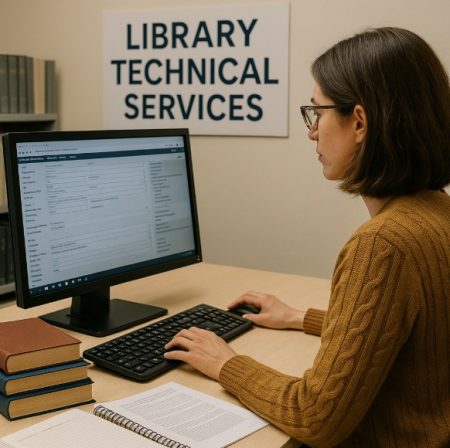
Library stock taking is the process of systematically checking and recording the physical items in a library’s collection to ensure their accuracy and availability. It involves verifying that the materials listed in the library’s catalogue match the items present in the library’s physical holdings. This process is essential for maintaining an up-to-date inventory of all resources, including books, journals, DVDs, e-books, and other media.
The importance of library stock taking cannot be overstated. Regular stock taking helps to identify missing, damaged, or outdated materials, ensuring that the library’s resources are well-managed and accurately represented in its catalogue. It supports efficient collection management, facilitates the identification of resources that need repair or replacement, and helps streamline the library’s overall organization. Stock taking also plays a crucial role in supporting library accreditation processes and ensuring compliance with operational standards. Furthermore, stock taking provides valuable insights into the library’s usage patterns, aiding in collection development decisions and improving the library’s ability to serve its users effectively. Whether conducted annually, bi-annually, or on an ongoing basis, stock taking is vital to the long-term sustainability and success of any library, contributing to both its operational efficiency and user satisfaction.
What is Library Stock Taking?
Library stock taking is the process of systematically verifying the physical presence and condition of items in a library’s collection, ensuring that the items recorded in the library’s catalogue match the actual materials on the shelves. This includes checking books, journals, digital resources, multimedia items, and other materials that the library holds. During stock taking, library staff physically inspect each item, compare it with the catalogue records, and identify any discrepancies such as missing, damaged, or outdated items. This process is typically done periodically, either annually or bi-annually, depending on the library’s policy.
The primary goal of library stock taking is to maintain an accurate and organized inventory. By performing stock taking, libraries can ensure that their collections are properly managed, helping to prevent errors in the catalogue and improving the efficiency of resource retrieval. For example, if a book is listed in the catalogue but cannot be found on the shelves, stock taking helps identify whether the book has been misplaced, lost, or improperly recorded. In addition, stock taking is useful in identifying outdated materials that no longer serve the needs of users, such as obsolete textbooks or damaged journals, allowing libraries to replace or remove them to keep the collection current and relevant. Ultimately, library stock taking is a crucial aspect of collection management that supports the library’s mission of providing accurate and accessible information. It contributes to the long-term success of the library by ensuring that materials are available, in good condition, and properly accounted for, making it easier for users to find the resources they need.
The Process of Stock Taking in a Library
Stock taking in a library is a systematic and organized process of verifying the library’s collection against its catalog to ensure that every item is accounted for, in good condition, and properly categorized. This process is essential for maintaining accurate inventory records and improving overall library management. It involves several key steps that allow libraries to manage their resources effectively, identify discrepancies, and optimize the use of their collections. Below is an overview of the typical stock taking process in a library.
- Preparation for Stock Taking: Before beginning the stock taking process, libraries must make thorough preparations. This includes setting a date for stock taking, informing library staff and patrons about potential disruptions, and organizing the resources needed for the task. Typically, stock taking is scheduled during a less busy period, such as during holidays or academic breaks, to minimize disruptions to library services.
The library staff may prepare by reviewing the current catalogue and ensuring that all resources are properly labelled and accessible. If the library uses barcode scanning or RFID technology, the necessary equipment and software should be checked to ensure smooth operation during the process. Additionally, a detailed plan is created that outlines the staff roles, inventory procedures, and methods for tracking any missing or damaged items. - Physical Counting of Items: The core of stock taking involves physically counting the materials in the library’s collection. Depending on the library’s size, this can be done by either manually checking the items on the shelves or using automated technologies like barcode scanners or RFID readers to quickly verify the items.
Library staff go through each section of the library and verify the presence of items listed in the catalogue. For example, if a book is recorded in the catalogue, it must be found on the shelf and checked for condition. This process can be done section by section, ensuring that all books, journals, DVDs, and other materials are thoroughly checked.
If the library uses barcodes or RFID tags, staff members use handheld scanners to scan each item. These scanners sync with the library’s catalogue system, instantly updating the status of each item. This method speeds up the process and reduces the chance of human error. In the case of large or more complex collections, some libraries may conduct stock taking by sampling a portion of their materials, especially for items like e-books or electronic journals. - Identification of Discrepancies: During stock taking, discrepancies between the physical items and the library’s catalogue are likely to arise. These discrepancies may include missing, damaged, or misclassified items. For instance, if a book is not found in the expected location or is damaged beyond use, it is flagged for further action. Any missing or misplaced items are noted, and library staff investigate potential causes, such as whether the book was checked out but never returned, misplaced by users, or if it was improperly shelved.
If any items are found to be damaged, they may be repaired or replaced as necessary. If materials are outdated or no longer relevant to the library’s collection, this could lead to the process of weeding or discarding the material to make room for new resources. - Updating the Catalogue and Inventory System: Once the physical counting and inspection are complete, discrepancies are reviewed and reconciled. The library’s catalogue and inventory management system are then updated to reflect the current status of the collection. Missing items may be marked as lost or flagged for further investigation. Damaged items are either repaired, replaced, or removed from the collection, depending on their condition.
The inventory system is also updated to reflect changes in location if items have been moved, and classification errors are corrected. This ensures that the catalogue remains accurate, making it easier for library users to locate materials and access resources efficiently. - Reporting and Analysis: After the stock taking process is completed, a detailed report is generated, summarizing the findings of the audit. This report includes information about missing or damaged items, discrepancies in the catalogue, and recommendations for future stock management. It may also include an analysis of the library’s collection usage patterns, which can provide valuable insights into the need for new acquisitions or the removal of underused materials.
For example, if stock taking reveals that certain books are not being used as much, the library may consider replacing them with more relevant or in-demand materials. On the other hand, if particular areas of the collection are frequently checked out, the library might decide to increase resources in those sections. - Review and Planning for Future Stock Takes: The final step in the stock taking process involves reviewing the results, discussing any issues identified, and planning for the next stock take. Libraries typically use stock taking as a learning opportunity to improve their processes and systems for the next audit. For instance, if issues with misplacement or catalogue discrepancies were identified, new procedures or technologies might be implemented to improve the accuracy of the collection management system.
Additionally, the library may review its acquisition and weeding policies to ensure that the collection continues to meet the needs of its users. Regular stock taking helps the library maintain an up-to-date and relevant collection, contributing to better service for library patrons and improved resource management.
Stock taking is an essential process for any library, helping to maintain an accurate, organized, and accessible collection. By regularly conducting stock taking, libraries can identify missing or damaged materials, keep their catalogue up to date, and ensure that the resources they offer continue to meet the needs of their users. Through careful planning, execution, and analysis, libraries can improve their inventory management practices and make informed decisions about their collections for years to come.
How Often Should a Library Conduct Stock Taking?
The frequency of stock taking in a library depends on several factors, such as the size of the collection, available technology, staff resources, and usage patterns. Many libraries conduct stock taking on an annual basis, especially smaller libraries or those with manageable collections. This helps ensure that all items are accounted for at least once a year, allowing libraries to quickly identify missing or damaged materials and update their catalogue accordingly. Annual stock taking is particularly beneficial for libraries with high circulation rates, such as academic libraries, where items are frequently checked out and returned.
For larger libraries or those with extensive collections, biennial (every two years) stock taking is often a practical choice. Libraries with tens of thousands of volumes or multiple branches may find annual stock taking to be too resource-intensive. In these cases, biennial audits strike a balance between maintaining an accurate inventory and managing other operational priorities. During this time, libraries can assess usage patterns, identify discrepancies, and address any issues without overburdening staff or disrupting daily services.
Some very large libraries, or those with limited resources, may opt for triennial (every three years) stock taking. This approach is typically used for libraries that rely on automated systems, such as RFID or barcode scanning, which help keep track of materials in real-time. In between full stock takes, libraries may conduct sample checks of specific sections to ensure accuracy. This method allows libraries to monitor their collections with less frequent full audits while still ensuring that high-priority materials are regularly checked.
Another modern approach is continuous stock taking, which is made possible by advancements in technology. Libraries that use RFID or barcode scanning systems can conduct real-time inventory checks as materials are checked in and out. This ongoing process helps maintain a continuous record of the collection, identifying discrepancies immediately and eliminating the need for periodic full audits. However, continuous stock taking requires significant upfront investment in technology and infrastructure, making it more feasible for larger libraries or those with high circulation rates.
The decision on how often to conduct stock taking ultimately depends on a variety of factors, including the size of the collection, circulation patterns, the library’s resources, and its technological capabilities. While many libraries prefer annual stock takes, others may opt for biennial or triennial audits, especially if they rely on automated systems. Regardless of the chosen frequency, regular stock taking is vital for maintaining an accurate and organized library collection, ensuring that resources are accessible and in good condition for library users.
Essential Technologies for Efficient Library Stock Taking
Efficient stock taking is critical for maintaining an organized and accurate library collection. Over the years, various tools and technologies have emerged to streamline this process, making it faster, more accurate, and less labor-intensive. Below are the most important technologies currently used for efficient library stock taking:
- RFID (Radio Frequency Identification) Systems: RFID technology has revolutionized library stock taking. Each library item is tagged with an RFID chip, which can be read by handheld RFID readers or fixed RFID systems without requiring direct line-of-sight, unlike traditional barcode scanning. This allows library staff to scan multiple items simultaneously and more quickly than with barcode scanners. RFID systems also enable real-time tracking of items, which can be useful for identifying missing or misplaced materials. Additionally, RFID technology can be used to automate the process of checking in and checking out books, improving both the efficiency of stock taking and day-to-day library operations.
- Barcode Scanners: Barcode scanning remains one of the most widely used technologies in library stock taking due to its affordability and simplicity. Each item in the library’s collection is assigned a unique barcode, and staff use barcode scanners to check items during stock taking. When an item is scanned, the barcode reader quickly updates the library’s inventory system, ensuring that discrepancies, such as missing or misplaced items, can be identified in real time. Barcode scanners are particularly useful for smaller libraries or those with a less complex inventory system. While not as advanced as RFID, barcode scanners are still highly effective for accurate stock taking.
- Library Management Software (LMS): Library management software is an essential tool for organizing and tracking a library’s inventory. Many LMS platforms integrate directly with RFID and barcode scanning systems, allowing for seamless updates during stock taking. These systems manage not only the physical collection but also track circulation, acquisitions, and materials’ condition. By using LMS, libraries can automate the process of checking stock, generate real-time reports on discrepancies, and maintain up-to-date records. Examples of popular LMS platforms include KOHA, Alma, and Symphony. They offer comprehensive features that support efficient inventory management and stock taking.
- Mobile Devices and Apps: Mobile devices, such as smartphones and tablets, are increasingly being used in library stock taking. Equipped with stock taking apps or connected to barcode scanning or RFID technology, mobile devices allow staff to perform stock checks across the library easily. Staff can walk around the library with a mobile device, scanning items as they go. These devices can be synchronized with the library’s catalogue system, enabling real-time updates and data retrieval. The portability of mobile devices makes them particularly useful in large libraries or for conducting stock checks in remote areas of the library that may be harder to access.
- Automated Stock Taking Robots: Some libraries are exploring the use of automated robots equipped with RFID scanners to assist with stock taking. These robots can autonomously move around the library, scanning shelves and checking the status of library materials. The use of robots significantly reduces the labor required for stock taking, especially in large libraries with extensive collections. Robots can scan large sections of books quickly, flagging discrepancies and updating the inventory system in real time. Though more expensive than other methods, automated robots offer a high level of efficiency, particularly in very large libraries.
The adoption of technologies like RFID systems, barcode scanners, library management software, mobile devices, and automated robots has greatly improved the efficiency of stock taking in libraries. These tools minimize the time and effort required for traditional manual stock taking, improve accuracy, and allow for real-time updates. By utilizing these technologies, libraries can ensure that their collections remain well-organized, accessible, and accurately recorded, ultimately improving service to patrons and enhancing overall library operations.
How Libraries Can Ensure the Accuracy of Their Stock During Stock Taking
Stock taking is a critical process for maintaining an accurate and organized library collection. It ensures that all materials are accounted for, up-to-date, and accessible to library users. However, ensuring the accuracy of stock during stock taking can be challenging, especially in large libraries with extensive collections. Discrepancies such as missing books, misfiled materials, or outdated records can affect the efficiency of library operations and negatively impact user experience. To maintain accuracy, libraries must employ a combination of best practices, technologies, and well-established processes. Here is how libraries can ensure the accuracy of their stock during stock taking.
- Utilizing Automated Technologies: One of the most effective ways to improve the accuracy of stock taking is by leveraging automated technologies. RFID (Radio Frequency Identification) systems and barcode scanners are two of the most widely used tools for this purpose. RFID technology allows for the simultaneous scanning of multiple items without needing direct line-of-sight, which is often required by barcode scanners. This capability allows library staff to complete the stock taking process more efficiently, especially in larger collections. Furthermore, RFID systems provide real-time tracking, enabling the library to monitor materials continuously and identify discrepancies instantly.
Barcode scanners are another reliable tool for accurate stock taking. Each item in the library’s collection is tagged with a unique barcode. Using handheld barcode scanners, staff can quickly verify items during the stock taking process, ensuring they match the library’s catalogue. This technology reduces the chances of human error and speeds up the process, allowing staff to conduct a thorough check of the library’s materials in less time.
Both RFID and barcode scanning technologies can be integrated with library management systems (LMS), providing real-time updates as materials are scanned. This integration allows libraries to easily track the status of materials, flag discrepancies, and ensure that inventory records are accurate throughout the process. - Training Library Staff: Training library staff is crucial for ensuring accurate stock taking. Even with advanced technologies, the effectiveness of the stock taking process largely depends on the skills and knowledge of the staff performing the task. Staff should be trained not only in how to operate scanning devices but also in the library’s cataloguing systems and inventory management processes.
Training should focus on how to handle discrepancies, such as missing or damaged items. Library staff should know how to properly flag and record these issues in the catalogue and how to follow up on unresolved discrepancies. Additionally, staff should be familiar with procedures for handling the physical organization of materials on the shelves, ensuring that items are shelved in the correct order and location. Proper training will help ensure that the stock taking process runs smoothly and accurately, reducing the chances of mistakes that can lead to discrepancies. - Establishing Clear Procedures: Clear, standardized procedures for stock taking are essential for accuracy. Libraries should create step-by-step guidelines for staff to follow during the stock taking process. These guidelines should cover everything from preparation (such as ensuring that the library’s catalogue is up-to-date) to post-stock taking procedures (like reconciling discrepancies and updating the catalogue).
A consistent and organized approach is vital for preventing errors. For example, libraries should establish a routine for checking different sections of the library, using a systematic order to ensure that all materials are verified. Assigning specific staff members to particular tasks or sections can also improve organization and reduce the chance of missing materials. Establishing these procedures ensures that no steps are skipped and that the process is thorough. - Performing Spot Checks: In addition to full-scale stock takes, performing regular spot checks is an effective way to maintain stock accuracy throughout the year. Spot checks involve randomly selecting items or sections of the collection to verify against the catalogue. This method is particularly useful for identifying discrepancies early before they become widespread problems.
Spot checks can be done more frequently than full audits, providing a continuous process of verification and correction. They also allow library staff to identify high-priority areas that may require more attention during the next full stock take. By catching discrepancies early, libraries can address them promptly, ensuring that the inventory remains accurate. - Reconciliation of Data: After completing a stock take, it is crucial to reconcile the physical inventory with the library’s catalogue and records. This step involves comparing the items physically present in the library with the records in the library management system. If discrepancies are found, the library must investigate the cause, whether it be an item that was never properly checked in, an item that was misplaced, or a cataloguing error.
Reconciliation ensures that the library’s records are accurate and up-to-date, which is essential for maintaining a reliable catalogue. It also helps libraries identify patterns in discrepancies, such as frequently misplaced items, which can then be addressed through changes in shelving practices, cataloguing, or staff training. - Multiple Verification Steps: To further enhance the accuracy of stock taking, libraries can implement multiple verification steps. For instance, after one staff member completes the initial stock take, another staff member or supervisor can perform a second check of the materials. This “double-check” system helps ensure that any errors or discrepancies from the first round are caught before the final inventory records are updated.
Multiple verification steps can be particularly useful for larger libraries or collections with high circulation rates, where the potential for errors increases. By having multiple layers of checks, libraries can increase the accuracy and reliability of their stock taking process. - Utilizing Library Management Software: Modern library management software (LMS) can greatly aid in ensuring the accuracy of stock taking. These systems integrate with RFID and barcode scanners to automate inventory updates in real-time, eliminating manual data entry errors. LMS platforms also allow libraries to generate reports, track discrepancies, and monitor inventory status, making the reconciliation process more efficient.
Additionally, many LMS platforms have features that help prevent common cataloguing errors, such as duplicate entries or incorrect classification. By using specialized software, libraries can improve the accuracy of their stock taking and streamline the overall process. - Regular Weeding and Maintenance: Regularly reviewing and maintaining the library’s collection is an essential part of ensuring the accuracy of stock taking. Weeding outdated or underused materials reduces the number of items to be checked during stock taking and makes the process more manageable. Moreover, removing damaged or irrelevant materials prevents them from skewing inventory records.
Maintenance of library materials, such as repairing damaged books or replacing missing items, should be done regularly to ensure that the collection remains in good condition. By performing regular weeding and maintenance, libraries make the stock taking process more efficient and ensure the accuracy of their inventory.
Ensuring the accuracy of stock during stock taking is a multifaceted process that requires careful planning, the use of advanced technologies, well-trained staff, and clear procedures. By utilizing tools such as RFID and barcode scanners, establishing standardized procedures, performing spot checks, and reconciling data effectively, libraries can maintain an accurate and organized collection. These efforts not only ensure that library materials are available and in good condition but also enhance the overall efficiency of library operations, ultimately providing better service to library users.
How Stock Taking Helps in Identifying Outdated or Damaged Materials in a Library
Stock taking plays a crucial role in maintaining a library’s collection, ensuring that outdated or damaged materials are identified and addressed. During the process, library staff physically inspect each item in the collection, looking for signs of wear and tear such as torn pages, broken spines, or faded text. This thorough inspection helps to identify damaged items that may need repair, replacement, or removal from the collection. For example, books with falling-apart pages or DVDs with scratches that affect usability can be flagged during stock taking, allowing the library to take corrective action.
Stock taking also provides an opportunity to identify outdated or obsolete materials that no longer meet the needs of the library’s users. In academic libraries, this is particularly important as textbooks, research publications, and scientific journals may become outdated over time. When stock taking reveals that older editions of textbooks or outdated research materials are still in the collection, it can prompt the library to replace them with newer, more relevant versions. This ensures that the library’s resources remain current and aligned with the needs of its patrons, particularly in fields with rapidly advancing knowledge.
In addition to identifying damaged and outdated materials, stock taking also helps track missing items. By comparing the physical inventory with the catalogue, discrepancies such as missing books or journals can be identified. If items are missing and cannot be found, libraries can decide whether to replace them or update their records to reflect their absence. For materials that are damaged beyond repair or have lost their relevance, stock taking provides the opportunity to remove them from circulation and replace them if necessary.
Stock taking allows libraries to assess the usage patterns of materials, which is another method for identifying outdated resources. If certain materials are no longer being checked out or used frequently, it may indicate that they are no longer of interest or use to patrons. For instance, older encyclopedias or reference books that have not been checked out in years may no longer serve their purpose, prompting the library to remove them and update the collection. Stock taking provides a clear picture of what is being used and what isn’t, enabling libraries to make informed decisions about which materials to replace or remove.
Stock taking helps libraries document and report damaged or outdated materials, creating a comprehensive record that aids in collection management. By noting the status of each item—whether it’s flagged for repair, replacement, or withdrawal—libraries can prioritize what needs to be addressed immediately and what can be dealt with later. This ensures that the collection remains fresh, relevant, and in good condition, which ultimately benefits the library’s users. Regular stock taking, therefore, not only helps identify damaged or outdated materials but also supports effective collection management, ensuring the library continues to provide valuable resources to its patrons.
How Libraries Can Track Missing or Misplaced Items During Stock Taking
Tracking missing or misplaced items during library stock taking is a crucial aspect of maintaining an accurate inventory. Libraries often face challenges when materials are out of place, lost, or simply misplaced during daily operations. To address this, libraries rely on a combination of systematic tracking, advanced technology, and well-defined procedures to identify and recover missing items. One of the most effective technologies for this purpose is Radio Frequency Identification (RFID). RFID tags embedded in library materials allow for easy tracking during stock taking. By scanning these RFID tags, libraries can quickly detect discrepancies between the physical inventory and the digital records, pinpointing missing items with greater accuracy. RFID also offers the advantage of real-time tracking, helping to identify misplaced materials on the shelves.
In addition to RFID, barcode scanning is another widely used method. Each item in the library is assigned a unique barcode, which is scanned during stock taking. If an item does not scan or is not found in its designated location, it is flagged as missing. This method is particularly effective for identifying items that have been shelved incorrectly. Regular shelf audits or “shelf reading” are also crucial in ensuring that items are properly arranged. These audits involve physically checking the shelves and comparing the arrangement to the library’s catalog, helping to spot materials that may have been misfiled or removed without proper checkout.
Libraries also integrate item tracking systems with their database management software. These systems can log the movement of materials, such as checkouts, returns, and location changes, allowing libraries to trace the whereabouts of missing items. Staff members play a significant role in this process, and proper training in shelving procedures and inventory management is essential to prevent items from being misplaced in the first place. When materials are found to be missing, libraries often have a “lost and found” system in place, where misplaced items are temporarily stored before being returned to their correct location. Regular checks of this area, along with a log of missing items, can help facilitate the recovery of misplaced materials.
Libraries can engage their patrons in tracking missing materials. Encouraging users to report misplaced or lost items allows library staff to act quickly and locate the materials before they are further misplaced. With the combination of technological tools, effective procedures, staff training, and patron involvement, libraries can minimize the occurrence of missing items and ensure that stock-taking processes are accurate and efficient.
What Are the Potential Consequences of Not Conducting Regular Stock Taking in a Library?
Regular stock taking is an essential process in the management and maintenance of any library’s collection. It ensures that all materials are accurately accounted for, in good condition, and accessible to library users. When libraries fail to conduct regular stock taking, it can lead to several negative consequences that affect both the library’s operations and its ability to serve patrons effectively. Here are the potential consequences of not conducting regular stock taking in a library.
- Inaccurate Inventory Records: One of the most immediate consequences of not conducting regular stock taking is the creation of inaccurate inventory records. Libraries rely on their catalogue to provide users with accurate information about available resources. If stock taking is not done regularly, discrepancies between the physical collection and the catalogue can arise. Materials may be checked out, moved, or lost without being updated in the catalogue, leading to a mismatch between the library’s actual holdings and what is recorded.
This inaccuracy can cause confusion for both library staff and patrons. For instance, a patron searching for a book listed in the catalogue may arrive at the library only to find that the book is missing or misplaced. This can result in frustration and a lack of trust in the library’s services. An inaccurate inventory can also create problems for staff who may spend valuable time searching for items that are not where they are supposed to be or are no longer available. - Misplaced or Missing Items: Without regular stock taking, missing or misplaced items may go unnoticed for extended periods. Books and other materials may be left in incorrect locations by library users or staff, making it difficult to find them when needed. If these materials are not flagged during stock taking, their whereabouts may remain unknown, resulting in a growing number of unaccounted-for items in the collection.
Missing items also complicate library operations, especially when it comes to fulfilling user requests. If a library is unable to locate materials that are essential for research, study, or leisure reading, it can diminish the library’s reputation for being a reliable resource. In addition, lost items that are not tracked may eventually be written off as missing, which can lead to a diminished collection and the need for costly replacements. - Damaged Materials Go Unnoticed: Regular stock taking not only helps identify missing or misplaced items, but it also allows libraries to assess the physical condition of materials. Without regular checks, damaged books, torn pages, broken spines, or faulty equipment can go unnoticed and remain in circulation. Over time, this can result in a library collection that is deteriorating, with materials that are unusable or difficult to read.
Damaged items left unchecked can lead to further deterioration and may eventually be beyond repair. If a library does not identify these issues during stock taking, users may encounter materials that are in poor condition, which negatively affects their experience and reduces the overall quality of the library’s offerings. - Outdated or Irrelevant Materials Remain in the Collection: Failure to conduct regular stock taking also prevents libraries from identifying outdated or irrelevant materials in their collections. Over time, books, journals, and other resources may become obsolete, particularly in fields like technology, science, or medicine. Without regular inventory checks, these outdated materials may remain in the collection, occupying valuable shelf space and confusing patrons who may seek more up-to-date information.
Additionally, stock taking helps libraries assess which materials are underused and may no longer serve the needs of users. By removing outdated or irrelevant items, libraries can ensure that their collections stay current and focused on the needs of their patrons. Without regular stock taking, libraries may fail to remove such materials, which could lead to a cluttered, inefficient collection. - Inefficient Use of Resources and Space: A lack of regular stock taking can also result in inefficient use of library resources and space. If outdated, damaged, or unused materials are not regularly identified and removed, they continue to take up space that could be better utilized by newer or more relevant materials. This inefficient use of space can lead to overcrowded shelves, making it harder for staff and patrons to locate and access materials.
For example, a library might hold on to duplicate copies of books that are no longer in demand or maintain large sections of outdated reference materials. By failing to conduct regular stock taking, these materials continue to take up valuable space, which could be used for newer acquisitions or to expand the library’s offerings in other areas. - Decreased User Satisfaction and Trust: When libraries fail to conduct regular stock taking, the user experience can suffer. Patrons may encounter frustration when they are unable to find the materials they need, especially if the catalogue lists an item as available but it is missing or misplaced. Similarly, if they encounter damaged materials, they may question the library’s commitment to maintaining a high-quality collection.
Decreased user satisfaction can lead to a decline in trust and loyalty. Libraries that consistently fail to meet the needs of their users risk losing their patrons, who may turn to other resources, such as digital platforms or local bookstores. Regular stock taking ensures that the library’s collection remains accessible, usable, and relevant, helping to maintain user trust and satisfaction. - Challenges in Budgeting and Resource Allocation: Regular stock taking helps libraries identify gaps in their collections and areas where additional resources may be needed. If stock taking is not conducted regularly, libraries may miss the opportunity to allocate their budget effectively. They may purchase duplicate items or fail to recognize areas where the collection is understocked or outdated.
Furthermore, without accurate inventory records, libraries may have difficulty justifying their budget requests or demonstrating the value of their collection. Regular stock taking provides the data necessary for effective resource planning, allowing libraries to make informed decisions about acquisitions, weeding, and replacements. - Non-Compliance with Accreditation or Regulatory Standards: Many libraries, particularly academic and public libraries, are required to maintain accurate records of their collections for accreditation, audits, and regulatory compliance. Failure to conduct regular stock taking can result in non-compliance with these standards, which may affect the library’s accreditation status or its ability to receive funding.
Stock taking helps libraries maintain transparency in their operations by providing accurate records of their holdings. Without this process, libraries may find it difficult to meet external requirements or demonstrate the efficiency and effectiveness of their resource management.
Not conducting regular stock taking in a library can have a range of negative consequences that affect both its operational efficiency and its ability to provide high-quality services to patrons. From inaccurate inventory records and misplaced items to the accumulation of damaged or outdated materials, the lack of stock taking can lead to a disorganized collection, poor user experiences, and ineffective resource management. Regular stock taking is essential for ensuring that a library’s collection remains accurate, relevant, and accessible, ultimately supporting the library’s mission to serve its community effectively.