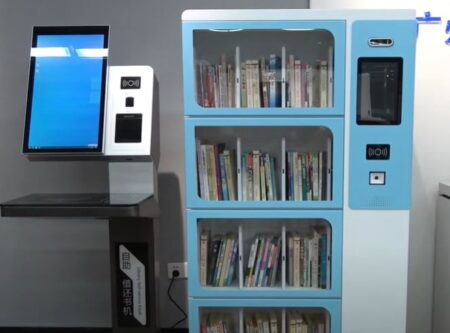
As libraries increasingly adopt automation and technological solutions to improve efficiency and service delivery, they also face several risks associated with their growing dependence on technology. While technology offers numerous benefits, such as streamlining operations, enhancing user experience, and improving access to resources, it also introduces vulnerabilities that can disrupt library services. These risks can range from technical failures and system malfunctions to cybersecurity threats and data breaches, all of which can have significant consequences on library operations and the privacy of patrons. For example, if a library’s Integrated Library Management System (ILMS) crashes due to a software bug or network failure, it could halt the circulation of materials, preventing patrons from borrowing or returning books until the issue is resolved.
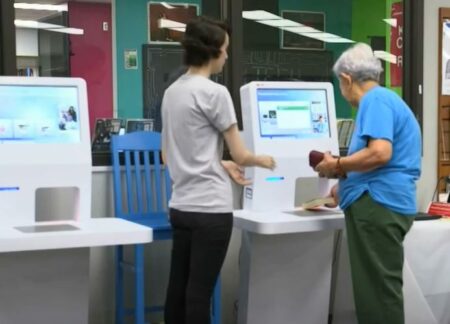
Cybersecurity is another critical concern. Libraries store sensitive data about their users, such as personal information, borrowing history, and payment details. A breach in library systems could lead to the exposure of this information, compromising patron privacy. Furthermore, over-reliance on technology may diminish the personal, human aspects of library services, which are valued by many patrons, particularly in communities where technology may not be easily accessible. For instance, older adults or individuals with disabilities may find it challenging to use self-checkout kiosks or navigate digital catalogues. A shift toward full automation could alienate these groups, as they might not feel comfortable using automated systems or may lack the necessary technological literacy.
As libraries continue to embrace digital tools and automated systems, they must also ensure that they have robust backup plans, secure systems, and strategies to address these risks. A library that depends heavily on automation, for instance, should have contingency plans in place in case of system downtime, such as manual backup processes for circulation or alternative ways to access library resources during an outage. Additionally, libraries should continue to support personal interactions and human assistance for patrons who may not be comfortable with or able to use technological systems, ensuring that automation does not compromise accessibility or the library’s role as a community hub.
Potential Drawbacks of Relying Heavily on Automation in Libraries
As libraries embrace automation to enhance efficiency, improve user experiences, and streamline operations, it is important to consider the potential drawbacks that come with relying heavily on automated systems. While automation offers numerous benefits, such as reducing human error, speeding up processes, and improving access to resources, it also introduces challenges that can impact both library staff and patrons. These drawbacks must be carefully addressed to ensure that automation serves to enhance, rather than detract from, the library’s core mission of providing accessible, high-quality services to its users. This article explores the potential disadvantages of over-relying on automation in libraries.
- Job Displacement and Staff Resistance: One of the most significant concerns regarding the increased reliance on automation in libraries is the potential for job displacement. As library processes become more automated, there may be a reduced need for certain roles, particularly those involving manual or repetitive tasks such as cataloguing, circulation, and inventory management. While automation can allow staff to focus on more strategic tasks, it may lead to fears of job losses, especially among lower-level positions or roles that involve routine tasks. Additionally, staff resistance to automation can arise. Employees may feel threatened by the perceived loss of control over their roles or worry about their ability to adapt to new technologies. Overcoming this resistance requires effective communication, training, and support, ensuring that staff members understand the benefits of automation and how it can be used to complement, rather than replace, their expertise.
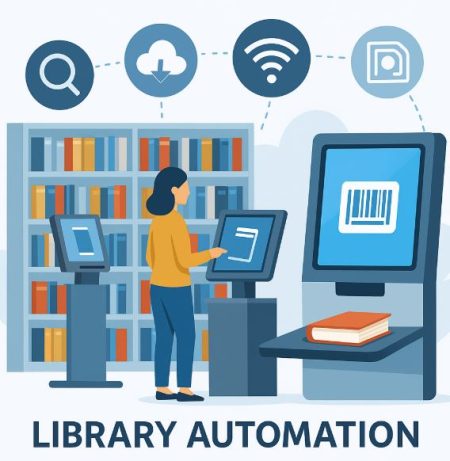
- High Initial Costs and Maintenance: The implementation of automated systems in libraries often comes with significant upfront costs. Purchasing and installing Integrated Library Management Systems (ILMS), RFID technology, and self-checkout stations requires a substantial investment, especially for smaller libraries with limited budgets. While these systems can lead to long-term savings by improving efficiency and reducing labour costs, the initial expenditure may be a barrier for some institutions. Moreover, the maintenance costs associated with automation systems can be high. Regular updates, technical support, and troubleshooting are necessary to ensure that the systems run smoothly. Libraries must invest in skilled personnel who can manage and maintain the automated systems, or they may need to outsource this service, which could further increase costs. If the library does not have the resources to maintain these systems properly, the automation may become obsolete or ineffective, negating the benefits it was meant to provide.
- Loss of Personal Interaction and Customer Service: One of the key values of libraries is their role as community hubs that provide personalized assistance to users. Relying heavily on automation can reduce face-to-face interactions between library staff and patrons. Self-checkout stations, automated systems for reserving materials, and digital catalogues may improve efficiency, but they can also make the library experience more impersonal.
For some patrons, particularly those who are not tech-savvy or prefer human interaction, this loss of personal contact can be a deterrent. Many library users rely on staff for assistance with research, finding resources, and troubleshooting. The reduction of personal interaction may diminish the sense of community that libraries foster, especially for individuals who depend on in-person guidance and support. - Increased Dependence on Technology: As libraries increasingly rely on automation, there is a growing dependence on technology. System failures or malfunctions can disrupt library operations, causing significant delays and inconveniences for both staff and patrons. Automated systems, such as self-checkout stations or cataloguing software, may experience technical glitches, leading to service interruptions or errors in catalogue records.
Libraries may also be vulnerable to cybersecurity risks if their automated systems are not properly protected. Data breaches or hacking incidents could compromise sensitive user information, such as personal contact details, borrowing history, or payment information for overdue fines. Ensuring robust security measures and backup systems is critical, but this comes with additional costs and administrative burdens. - Loss of Flexibility and Adaptability: While automation increases efficiency in many areas, it can reduce flexibility in library services. Automated systems are designed to handle standardized processes, which can make them less adaptable to unique or complex situations that may require human intervention. For instance, if a patron encounters an issue during the checkout process—such as a damaged book or a special request—the automated system may not be equipped to handle such exceptions as effectively as a trained library professional.
Furthermore, automation can make it more challenging to meet the diverse needs of different user groups, such as those with disabilities or elderly patrons who may struggle with technology. Libraries may need to invest in specialized training and accommodations to ensure that all users can fully benefit from automated services. - Over-Reliance on Technology and Loss of Human Touch: Another potential drawback of automation is the over-reliance on technology. While automation can reduce human error and improve efficiency, it also risks losing the human touch that many patrons appreciate in libraries. Libraries are not just places for borrowing books—they are also spaces for learning, exploration, and connection. The human element in libraries, whether in helping patrons find resources or providing research assistance, is crucial to creating a positive user experience. As libraries become more automated, they may unintentionally undermine their role as community centers by prioritizing technology over human interaction. Striking a balance between automation and human presence is essential for maintaining the essence of what libraries offer their patrons.
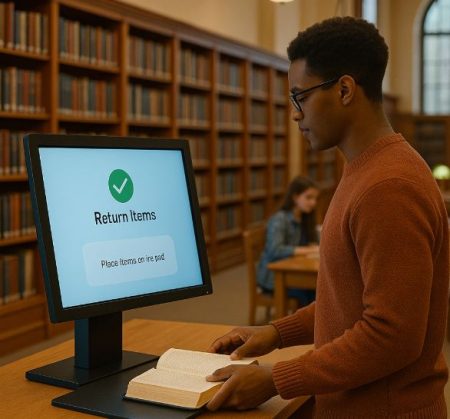
- Technological Barriers for Some Patrons: While automation enhances service efficiency for many, it may create technological barriers for certain users. Not all library patrons are comfortable with technology, particularly older adults or those who lack access to personal devices or the internet. Automated systems such as self-checkout kiosks or online catalogues may not be user-friendly for all patrons, resulting in frustration or exclusion. Additionally, patrons with disabilities may find it difficult to use automated systems that are not designed with accessibility in mind. Libraries need to ensure that their automation systems are inclusive and that alternatives, such as in-person assistance, are available to those who need them.
While the automation of library services brings many advantages, such as improved efficiency, accuracy, and access, it also introduces several potential drawbacks that need to be carefully considered. These include job displacement, high initial and maintenance costs, reduced personal interaction, technological dependency, and accessibility challenges for certain user groups. To mitigate these risks, libraries should adopt a balanced approach to automation, ensuring that it complements the human aspect of library services while enhancing operational efficiency. By addressing these challenges proactively, libraries can leverage automation to create a more effective and inclusive environment for all users.