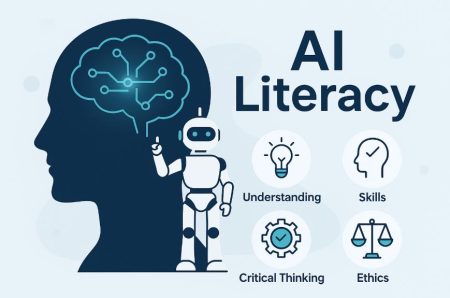
AI literacy refers to the understanding, ability, and competence to engage with artificial intelligence technologies effectively, critically, and ethically. As AI continues to permeate nearly every aspect of modern life—from personal assistants and recommendation systems to autonomous vehicles and healthcare diagnostics—the need for individuals to understand these technologies becomes more pressing. For instance, AI-powered platforms like Google Assistant or Siri are integral to many daily activities, and understanding how these systems process and interpret voice commands can help users make better use of these tools. AI literacy goes beyond merely knowing how to operate these tools; it includes comprehending how they work, their capabilities, and the ethical implications of their use. By equipping individuals with this knowledge, AI literacy empowers them to make informed decisions about how and when to use AI tools, ensuring that they are not only able to leverage AI effectively but also recognize potential risks and limitations.
This empowerment manifests in several ways. First, AI literacy allows individuals to understand the capabilities and limitations of AI tools, helping them choose the right tools for specific tasks. For example, an AI tool like Grammarly can assist with grammar checks, but understanding that it might miss context-specific nuances in language allows users to make better judgment calls and not rely solely on the tool. With a clear understanding of what AI can and cannot do, users can avoid over-reliance on these technologies and ensure that human judgment is applied where necessary. Furthermore, AI literacy enables users to critically evaluate the outputs generated by AI systems, recognizing biases, inaccuracies, or manipulative tactics in automated decisions. For instance, a user of a recommendation algorithm, such as the one used by Netflix, might recognize that the platform’s suggestions are often based on previous viewing habits, which could limit exposure to diverse content. Being able to assess the quality of AI recommendations helps users make more conscious choices about their media consumption.
How AI Literacy Empowers Individuals to Make Informed Decisions About Using AI Tools
As artificial intelligence (AI) continues to permeate every aspect of modern life, from personal assistants and social media platforms to healthcare diagnostics and autonomous vehicles, the need for individuals to understand these technologies has never been more urgent. With AI tools becoming increasingly integrated into our daily routines, AI literacy—the ability to understand, engage with, and evaluate AI technologies—has become essential. AI literacy empowers individuals by providing them with the knowledge and skills to make informed, ethical, and effective decisions using AI tools. Here are the key ways in which AI literacy enables individuals to navigate the complexities of AI technology and make better decisions in various aspects of their personal, professional, and academic lives.
- Understanding AI Capabilities and Limitations: The first step toward making informed decisions about AI tools is understanding what these tools can and cannot do. AI systems, from voice assistants like Amazon’s Alexa to recommendation algorithms used by platforms like Netflix, can perform specific tasks with remarkable efficiency. However, these systems also have their limitations. For example, an AI-powered language translation tool may excel in translating simple phrases but may struggle with the nuances of idiomatic expressions or contextual meanings.
AI literacy enables individuals to recognize the scope of an AI tool’s capabilities and limitations. For instance, when using AI for tasks such as writing assistance or scheduling, individuals who are AI-literate can assess when to rely on the tool and when human intervention is necessary. They understand that AI tools are most effective when used in conjunction with human judgment, ensuring that they are applied appropriately to the task at hand. With AI literacy, individuals can make better decisions about which tools are right for specific purposes, improving both efficiency and accuracy. - Critical Evaluation of AI Outputs: AI tools generate outputs based on data and algorithms, which can be incredibly useful for making decisions, whether it’s recommending a product, diagnosing a disease, or optimizing a marketing strategy. However, the outputs produced by AI systems are not infallible. AI is only as good as the data it is trained on, and bias in the training data can lead to flawed or skewed results. For example, an AI system used in hiring may unintentionally favor candidates who resemble the profile of previous successful hires, thereby reinforcing biases related to gender, race, or socioeconomic background.
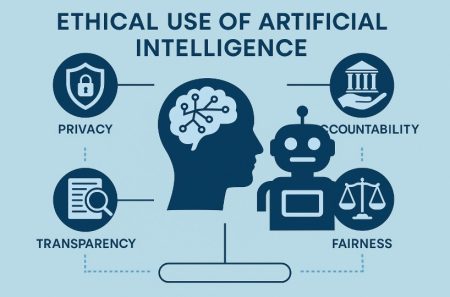
AI-literate individuals are equipped to critically evaluate the results generated by AI systems. They can spot discrepancies, recognize biases, and question the reliability of the data that informs AI decisions. For instance, when using AI for financial forecasting, individuals who understand how the AI model works can identify potential errors in the data input and make adjustments to ensure more accurate predictions. AI literacy allows users to interpret AI outputs in context, empowering them to make more informed decisions based on critical analysis rather than blind trust in the system. - Ethical and Responsible Use of AI: With great power comes great responsibility, and AI is no exception. As AI tools become more integrated into various industries, ethical concerns regarding privacy, fairness, and transparency are becoming increasingly important. AI-literate individuals are more aware of these concerns and can make decisions that ensure AI is used ethically and responsibly. For example, many AI systems rely on vast amounts of personal data to make predictions or recommendations. AI-literate users are more likely to understand the implications of data collection and use, enabling them to make informed decisions about what data they are willing to share and how it may be used.
Consider the use of AI in healthcare: AI tools can analyze patient data to identify patterns and recommend treatment options, but they may also raise concerns about privacy and consent. AI-literate healthcare professionals are better equipped to navigate these issues, ensuring that AI is used in a way that respects patient privacy while improving healthcare outcomes. In the workplace, AI-powered recruitment tools must be designed and used with fairness in mind to prevent discrimination. AI-literate HR professionals are more likely to identify and address these potential issues, ensuring that AI is used in a way that promotes diversity and fairness in hiring practices. - Navigating AI Bias and Manipulation: AI systems, particularly those used in recommendation engines and social media platforms, can sometimes perpetuate biases or manipulate users’ behavior. For example, algorithms that power social media feeds can create echo chambers by showing users content similar to what they’ve already engaged with, limiting exposure to diverse viewpoints. Similarly, AI-driven advertising systems can target users based on their personal data, influencing their decisions without their full awareness.
AI literacy empowers individuals to recognize when they are being manipulated by AI. For instance, a user who is AI-literate may recognize that the news articles they are being shown on a platform like Facebook are largely influenced by their past interactions, potentially leading to a narrow worldview. AI-literate individuals can take steps to diversify the content they engage with, seek out alternative viewpoints, and critically assess the information presented to them. By understanding how AI influences behavior, individuals can make more conscious, informed decisions about their digital habits and the platforms they use. - Improving Decision-Making Efficiency: AI tools are designed to help individuals make better decisions by analyzing large amounts of data quickly and efficiently. From AI-powered data analysis tools in business to virtual assistants that help manage daily tasks, these technologies have the potential to streamline decision-making processes. For example, an AI-powered tool can analyze market trends to help a business make informed decisions about product launches, pricing strategies, or investments. In healthcare, AI can assist doctors in diagnosing diseases by analyzing medical images and identifying patterns that may not be immediately apparent to human observers.
AI literacy allows individuals to harness the full potential of these tools. An AI-literate individual can use AI to improve their decision-making efficiency by ensuring they are using the right tool for the right task. They understand that while AI can provide valuable insights, human expertise is still essential in interpreting the data and making final decisions. This combination of AI assistance and human judgment can lead to better outcomes in both personal and professional decision-making. - Adapting to New Technologies: AI is evolving at a rapid pace, and new tools and applications are emerging all the time. AI literacy enables individuals to keep up with these changes and adapt to new technologies as they are introduced. For instance, businesses that are AI-literate can quickly integrate new AI-driven marketing tools to enhance customer engagement or improve operational efficiency. Similarly, educators who are AI-literate can adopt AI-powered learning platforms that personalize education for students, ensuring they are providing the best possible learning experiences.
As AI continues to shape industries and everyday life, individuals who are AI-literate will be better prepared to navigate this constantly changing landscape. They will be more confident in experimenting with new AI tools, understanding their potential, and assessing their impact.
AI literacy is more important than ever in a world increasingly shaped by artificial intelligence. By understanding the capabilities and limitations of AI, critically evaluating its outputs, using it ethically and responsibly, and recognizing biases and manipulative tactics, AI-literate individuals are better equipped to make informed decisions about how to use AI tools. Whether in personal, professional, or academic contexts, AI literacy empowers individuals to harness the full potential of AI while ensuring that they make choices that are ethical, efficient, and aligned with their goals. As AI continues to evolve, fostering AI literacy will be crucial for navigating this technological landscape responsibly and effectively.