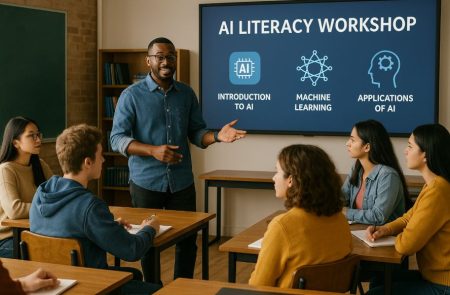
Artificial Intelligence (AI) has evolved from a futuristic concept into a ubiquitous technology that now plays a central role in shaping modern life. From education to healthcare, business, and personal devices, AI’s integration into everyday activities is undeniable. In education, AI-driven tools personalize learning experiences, adapting to the needs of individual students. In healthcare, AI algorithms analyze vast amounts of medical data to assist in diagnosing diseases, discovering new treatments, and predicting patient outcomes. AI transforms business through automation, predictive analytics, and enhanced customer service systems. Additionally, AI-powered personal assistants like Siri and Alexa have become part of daily routines, helping users with tasks ranging from setting reminders to controlling smart home devices.
As AI continues to reshape industries and societies, the concept of AI literacy becomes increasingly important. AI literacy refers to the understanding, ability, and competence to engage with AI technologies in a way that is both effective and ethical. It goes beyond technical proficiency, encompassing an individual’s capacity to critically assess AI systems, understand their societal and ethical implications, and navigate the risks and opportunities associated with their use. AI literacy includes the ability to grasp how AI works at a fundamental level, from machine learning algorithms to natural language processing, while also considering the broader impacts on privacy, employment, and decision-making processes.
In a world where AI systems are embedded in so many aspects of life, understanding how these systems function, their limitations, and their potential risks is crucial. For instance, a lack of AI literacy can lead to overreliance on automated systems without questioning their biases or errors. A well-known example of this is the bias found in some AI-driven hiring tools, which have been shown to favor certain demographic groups over others. Another example is the use of AI in criminal justice, where predictive algorithms have raised concerns about reinforcing existing biases in policing and sentencing.
What is AI Literacy?
AI literacy refers to the knowledge, skills, and understanding necessary to engage effectively with Artificial Intelligence technologies. It encompasses more than just technical proficiency in coding or algorithms; it involves the ability to comprehend how AI systems work, recognize their applications, and critically assess their implications in various domains of life. At its core, AI literacy enables individuals to navigate the complexities of AI systems, understanding both their capabilities and limitations. It includes a foundational understanding of AI concepts, such as machine learning, neural networks, natural language processing, and data analytics, but also extends to recognizing the ethical, social, and economic impacts these technologies may have.
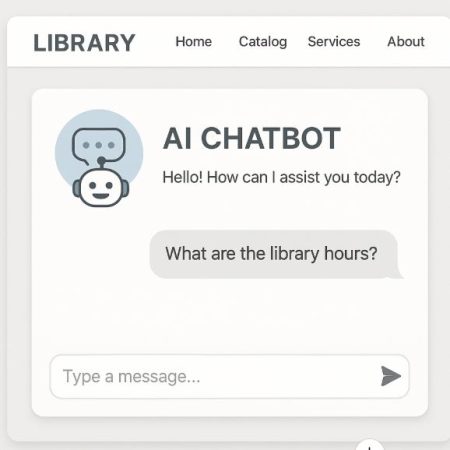
A person with AI literacy is not only able to use AI tools but can also question and evaluate the outcomes produced by these systems. This includes understanding the potential risks, such as algorithmic bias, privacy concerns, and unintended consequences, while also being able to identify opportunities for AI to improve processes, productivity, and decision-making. For example, AI is increasingly used in sectors such as healthcare, where it can assist in diagnosing diseases. In one notable example, an AI system developed by Google’s DeepMind has been used to detect signs of eye disease from medical images with accuracy comparable to that of expert ophthalmologists. In business, AI is used to automate customer service tasks, with chatbots like those used by companies such as Bank of America helping customers handle a wide range of queries, from account management to transaction inquiries.
However, without AI literacy, there’s a risk of relying too heavily on these technologies without understanding how they make decisions or the biases they may inherit from their creators. For instance, AI systems used in recruitment have been shown to perpetuate gender and racial biases if not carefully designed. One high-profile example is Amazon’s AI recruitment tool, which was scrapped after it was found to favor male candidates over female ones. This is because the algorithm was trained on resumes submitted to Amazon in the past, which were predominantly from male candidates.
As AI becomes more integrated into everyday life, AI literacy is increasingly vital for individuals to thrive in a rapidly evolving digital landscape. It empowers people to make informed choices about their interactions with AI, ensures they can leverage its capabilities ethically, and helps them participate in the ongoing discussions about the regulation and responsible use of AI. Ultimately, AI literacy fosters a society where individuals are not passive consumers of AI but active, informed participants in shaping its role in the future.
Components of AI Literacy
Artificial Intelligence (AI) is no longer a distant concept of the future but a present-day reality that is transforming industries, societies, and our daily lives. From smart devices in homes to self-driving cars, AI technologies are rapidly becoming integral to a wide range of applications, including healthcare, education, business, and entertainment. As these technologies continue to evolve, it is essential for individuals to understand not only how AI works but also its societal and ethical implications. This understanding is referred to as AI literacy.
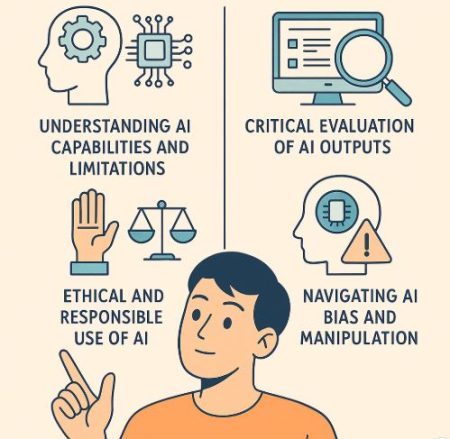
AI literacy involves more than just a technical knowledge of AI systems; it encompasses a broad spectrum of skills and competencies that enable individuals to engage critically and responsibly with AI technologies. Here are the key components of AI literacy and their significance in today’s rapidly changing world.
- Technical Understanding of AI: The foundation of AI literacy is technical knowledge. This component involves understanding how AI systems work and the underlying technologies that drive them. At the core of AI lies machine learning, a subset of AI that enables systems to improve their performance over time by learning from data. Understanding the basics of machine learning algorithms, neural networks, and data processing is crucial for anyone interacting with AI systems.
For example, machine learning allows AI systems to identify patterns in data and make predictions or decisions based on those patterns. A basic understanding of this process helps individuals comprehend how AI tools, such as recommendation engines on streaming services like Netflix or Spotify, suggest content based on previous viewing or listening habits. Similarly, AI in healthcare uses algorithms to analyze medical images, assisting doctors in diagnosing conditions like cancer or retinal diseases.
AI literacy also extends to recognizing different types of AI. Narrow AI, also known as weak AI, is designed to perform a specific task, such as facial recognition or language translation. General AI, on the other hand, seeks to replicate human-like intelligence across a broad range of tasks, but it remains largely theoretical at this stage. Understanding these distinctions helps individuals evaluate AI applications and their limitations in real-world scenarios. - Ethical and Social Implications: AI literacy is not limited to understanding how AI works; it also involves recognizing the broader ethical and social implications of AI technologies. AI systems are powerful, but they can also introduce significant risks. One of the key issues in AI is bias. Since AI systems are trained on data, if the data is biased, the AI system will likely reproduce and even amplify these biases. For instance, facial recognition software has been found to have higher error rates for people of color, especially women, due to biased training data.
AI literacy includes understanding these biases and the ethical concerns they raise. Individuals must be able to critically assess how AI systems are developed, including who is responsible for creating them and how they are tested for fairness. In hiring practices, AI-driven tools have been used to screen job applications, but they may inadvertently favor certain demographic groups, perpetuating existing inequalities in the workplace. Being AI literate means being aware of these potential biases and advocating for fairer, more transparent AI systems.
Privacy is another significant ethical concern. AI technologies often rely on large datasets, many of which contain sensitive personal information. For example, AI applications in healthcare use patient data to provide personalized treatment recommendations. However, this raises questions about how personal data is stored, protected, and shared. AI literacy involves understanding the importance of data privacy and the potential risks of data misuse. - Critical Thinking and Evaluation: AI literacy goes hand in hand with critical thinking. It is not enough to simply understand how AI works; individuals must also be able to critically evaluate AI outputs and decisions. AI systems, especially those that rely on machine learning, can be complex and sometimes operate as “black boxes,” meaning that their decision-making process is not always transparent. This lack of transparency can lead to problematic situations, especially when AI systems are used in high-stakes areas such as criminal justice or healthcare.
A key component of AI literacy is the ability to ask important questions about AI systems. How was the AI trained, and what data was used? What assumptions underlie the algorithm’s decisions? Are there potential biases in the data? For example, in criminal justice, predictive algorithms used to assess the likelihood of reoffending can have profound effects on sentencing. Critical thinking allows individuals to question these tools and ensure they are being used appropriately. Moreover, AI literacy helps individuals understand the limitations of AI. While AI can be powerful, it is not infallible. For instance, while AI systems can identify patterns in medical images, they are not yet perfect substitutes for human judgment. An AI system might miss a subtle detail in an image that a trained radiologist would catch. AI literacy involves knowing when to trust AI and when human expertise is needed to make the final decision. - Ethical Decision-Making and Responsibility: AI literacy also involves making ethical decisions when using or developing AI technologies. This includes understanding the broader societal consequences of AI and ensuring that AI applications are developed and used in ways that benefit all members of society. As AI becomes increasingly pervasive, the question of who bears responsibility for its impact, whether positive or negative, becomes more pressing.
For example, in autonomous vehicles, AI must make decisions that could impact human lives. Should the AI prioritize the safety of its passengers, or should it minimize harm to pedestrians? Such ethical dilemmas require individuals to consider not only the technical capabilities of AI but also its broader societal impact. AI literacy encourages individuals to reflect on these issues and advocate for ethical AI practices. Furthermore, AI literacy involves taking responsibility for the potential negative consequences of AI. Developers, policymakers, and users alike must be proactive in addressing potential harms, such as job displacement due to automation or the use of AI in surveillance that undermines civil liberties. By advocating for responsible AI development and usage, AI-literate individuals can help ensure that AI is a force for good in society. - Creativity and Innovation in AI: Finally, AI literacy encourages creativity and innovation in the application of AI technologies. While many people view AI as a tool for automating tasks, AI can also serve as a catalyst for creative problem-solving and innovation. AI literacy enables individuals to think outside the box and apply AI in new and innovative ways to address real-world problems.
For example, in the field of climate change, AI is being used to model environmental changes, predict the effects of global warming, and optimize energy use. In the arts, AI has been employed to generate music, create visual art, and even write poetry. Being AI literate means recognizing the potential for AI to drive innovation across various domains and harnessing its capabilities to create positive change. Moreover, AI literacy involves understanding how to collaborate effectively with AI. Rather than seeing AI as a replacement for human workers, AI-literate individuals can leverage AI to augment their own abilities, enhancing their productivity and creativity. For instance, a graphic designer may use AI-powered tools to automate repetitive tasks, allowing them to focus on more complex and creative aspects of their work.
AI literacy is essential for navigating the complexities of a world increasingly shaped by Artificial Intelligence. Its components, from technical understanding and ethical awareness to critical thinking and creativity, empower individuals to engage with AI responsibly and effectively. As AI technologies continue to evolve, AI literacy will become a crucial skill for all individuals, not just those working directly with AI. By developing a comprehensive understanding of AI, its applications, and its ethical implications, individuals can make informed decisions, contribute to the responsible development of AI, and harness its potential to improve society. In a world where AI is poised to redefine industries and societies, being AI literate is no longer just an advantage—it is a necessity.
The Importance of AI Literacy
Artificial Intelligence (AI) has become a central technology shaping industries, economies, and everyday life in today’s rapidly advancing digital age. From healthcare and finance to entertainment and customer service, AI is seamlessly integrated into many aspects of modern life. For instance, AI-powered recommendation engines on platforms like Netflix and YouTube analyze user behavior to suggest movies and videos, while chatbots on websites assist customers with queries. As AI technologies continue to evolve, AI literacy has become an essential skill for individuals and societies alike. AI literacy refers to the ability to understand, engage with, and critically evaluate AI tools and systems. In a world where AI is influencing so many areas, understanding its implications and being able to navigate its complexities is crucial for thriving in an AI-driven environment.
One of the primary benefits of AI literacy is the empowerment it offers individuals. As AI becomes increasingly pervasive, it is vital for people to develop the skills to confidently navigate this AI-powered world. Understanding how AI works and recognizing its applications in daily life—such as recommendation engines, AI-driven medical diagnoses, or personalized customer service—ensures that individuals can use AI tools responsibly and effectively. For example, in healthcare, AI systems are used to analyze medical images for early signs of diseases such as cancer. AI tools like Google Health’s AI model have shown the ability to detect breast cancer more accurately than human radiologists. Without AI literacy, individuals might struggle to evaluate the impact of AI on their lives, making them more vulnerable to potential risks, such as data privacy concerns or biased algorithmic decisions. AI literacy allows people to understand how AI technologies operate, ensuring that they can make informed decisions when interacting with them.
AI literacy also enhances critical thinking and informed decision-making. While AI systems are often seen as objective or infallible, they are far from perfect. AI systems are trained on data, and if that data contains biases, AI can perpetuate and even amplify those biases. For example, AI systems used in hiring processes have been found to favor certain demographic groups over others, especially if trained on historically biased data. Amazon’s initial AI recruiting tool, which was found to favor male candidates, is a well-known example of this issue. AI literacy encourages individuals to question the outcomes produced by AI systems and to assess how they have been trained and deployed. By developing critical thinking skills, individuals can recognize the limitations of AI, understand when to trust AI, and when human judgment is necessary.
Ethical considerations are another important component of AI literacy. As AI technologies are increasingly used in areas such as healthcare, criminal justice, and finance, understanding the ethical implications of these systems is essential. AI can have profound consequences on privacy, fairness, and security. AI literacy empowers individuals to recognize and address these issues, such as data privacy concerns or the ethical use of AI in surveillance. A relevant example of this is the use of AI-powered facial recognition technologies by law enforcement agencies, which has raised concerns over privacy violations and the potential for racial bias in identification. Being literate in AI allows individuals to advocate for ethical practices, ensuring that AI technologies are used transparently and fairly, without infringing on personal freedoms or reinforcing existing inequalities.
AI literacy is also crucial for adapting to the evolving job market. As AI technologies continue to automate tasks traditionally performed by humans, the job market is undergoing significant changes. While automation offers opportunities for increased efficiency and innovation, it also raises concerns about job displacement. For example, AI and automation are increasingly being used in manufacturing, with robots performing tasks such as assembly, packaging, and quality control. AI literacy equips individuals with the knowledge to adapt to these changes, helping them leverage AI tools to enhance their productivity and creativity rather than being replaced by automation. Additionally, understanding AI opens up new career opportunities in fields such as data science, machine learning, and AI ethics, where demand for skilled professionals is growing.
AI literacy also plays a key role in driving innovation and creative problem-solving. Many industries are already harnessing AI to address pressing global challenges, from combating climate change to improving healthcare. For instance, AI systems are being used to model environmental changes, predict weather patterns, and optimize energy consumption. In healthcare, AI is assisting in diagnosing diseases, developing personalized treatments, and enhancing patient outcomes. AI tools like IBM Watson are being used to analyze vast amounts of medical data, providing doctors with insights to make more accurate diagnoses and treatment plans. AI literacy enables individuals to use these technologies to create new solutions, solve complex problems, and contribute to building a more sustainable, equitable world.
Finally, AI literacy is critical for shaping public policy and governance. As AI transforms societies, governments, businesses, and organizations will face increasingly complex decisions regarding AI regulation and its ethical use. AI-literate individuals are better positioned to engage in policy discussions, advocate for fair regulations, and push for transparency and accountability in AI practices. For example, the European Union has been actively working on regulations that address AI ethics, such as the AI Act, which aims to ensure that AI systems are used in a way that respects fundamental rights. By fostering public awareness and understanding of AI, societies can ensure that AI technologies are deployed responsibly, with consideration for human rights and social equity.
How Individuals Can Develop AI Literacy to Stay Relevant in an Increasingly AI-Driven Society
As AI technologies become more integrated into various sectors, from healthcare and finance to entertainment and education, individuals must develop AI literacy in order to stay relevant and competitive in an increasingly AI-driven society. Developing AI literacy involves a combination of understanding the technical aspects of AI, recognizing its societal and ethical implications, and cultivating critical thinking skills to evaluate AI systems. There are several steps individuals can take to build AI literacy and ensure they are prepared for the future.
First, individuals should start by gaining a foundational understanding of AI concepts. This includes learning about the core technologies behind AI, such as machine learning, neural networks, and natural language processing. Numerous online courses, tutorials, and resources are available to help beginners grasp the basics of AI, with platforms like Coursera, edX, and Khan Academy offering accessible courses. For example, individuals can take introductory courses on AI and machine learning to understand how algorithms work and how they can be applied in real-world scenarios. Having this technical knowledge is crucial for navigating AI tools and systems effectively.
Beyond technical knowledge, individuals should also focus on understanding the ethical and societal implications of AI. As AI systems are increasingly used in hiring, healthcare, law enforcement, and finance, it is essential to recognize the potential risks associated with these technologies, such as bias, privacy concerns, and data security. Reading case studies, articles, and books that explore the ethical dimensions of AI, such as the work of experts like Timnit Gebru and Ruha Benjamin, can help individuals critically assess how AI is affecting society and advocate for responsible AI use. Engaging with discussions on AI ethics and attending relevant workshops or seminars can deepen one’s understanding of the broader impact of AI.
In addition to technical and ethical knowledge, cultivating critical thinking skills is key to AI literacy. Individuals should develop the ability to question AI outputs and assess the data on which AI systems are trained. This involves asking important questions such as: What data was used to train the AI? Are there any biases in the data that could affect the system’s decisions? For instance, AI algorithms used in recruitment processes have been shown to favor male candidates due to biased training data. By being able to critically evaluate AI systems, individuals can avoid over-reliance on them and ensure that they are used in a fair and responsible manner. Furthermore, staying relevant in an AI-driven society requires individuals to embrace continuous learning. As AI technologies evolve rapidly, individuals must stay updated on new advancements and trends in the field. Subscribing to AI-related newsletters, attending conferences, or participating in online forums and communities focused on AI can help individuals stay informed. Many tech companies, universities, and research organizations regularly publish research papers, reports, and blogs about the latest developments in AI, which can be valuable resources for lifelong learning.
Individuals can develop AI literacy by directly engaging with AI tools and technologies. Hands-on experience with AI applications—whether through using AI-powered apps, participating in AI projects, or experimenting with AI software—allows individuals to better understand how these systems work in practice. For example, individuals interested in the creative field can explore AI-powered design tools or image-generation software, while those in business can experiment with AI-driven analytics tools. Engaging with these technologies enhances technical skills and allows individuals to gain practical insights into AI’s potential and limitations.
Why is AI Literacy Crucial for Understanding the Ethical Implications of AI Technologies?
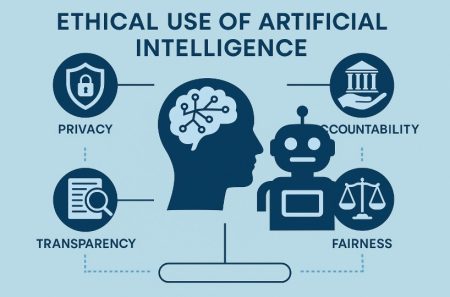
AI literacy is crucial for understanding the ethical implications of AI technologies because, as these systems become more integrated into society, they raise significant questions about fairness, privacy, transparency, and accountability. AI systems, which often rely on vast amounts of data, have the potential to amplify existing biases in the data they are trained on. Without a basic understanding of how AI works, individuals may fail to recognize these biases and the resulting ethical issues, such as discrimination in hiring practices or biased decision-making in criminal justice systems. For example, AI recruitment tools have been shown to favor male candidates over female candidates due to biased historical data, a concern that AI literacy can help people identify and address.
AI literacy enables individuals to critically evaluate the decisions made by AI systems, ensuring they are ethically sound. Many AI applications, such as facial recognition or predictive policing, have been criticized for violating privacy rights and reinforcing societal inequalities. Understanding the workings of AI allows individuals to engage in conversations about how these technologies should be governed and regulated to ensure they serve the public good, protect individual rights, and do not perpetuate harm. Without AI literacy, there is a risk of blindly trusting AI systems without considering their broader social and ethical consequences.
AI literacy helps individuals recognize the power dynamics that exist in AI development. Many AI systems are developed by large corporations with limited transparency, and the way these systems are designed and deployed can significantly affect marginalized communities. Being AI literate allows individuals to advocate for more equitable AI policies and regulations, ensuring that these technologies are developed with inclusivity and fairness in mind. By understanding AI’s ethical implications, individuals can play an active role in pushing for AI systems that are transparent, accountable, and aligned with ethical principles.
Challenges in Achieving AI Literacy
As Artificial Intelligence (AI) continues to influence nearly every aspect of modern life, from healthcare and finance to education and transportation, the importance of AI literacy becomes increasingly clear. AI literacy empowers individuals to understand how AI works, evaluate its applications, and recognize the ethical implications of its use. However, achieving widespread AI literacy is not without its challenges. These challenges arise from various factors, including the complexity of AI technologies, unequal access to educational resources, and the need to address societal and ethical concerns. Here are the key challenges in achieving AI literacy and how they can be overcome.
- Complexity of AI Technologies: One of the most significant barriers to achieving AI literacy is the inherent complexity of AI technologies. AI systems, particularly those based on machine learning and deep learning, involve sophisticated algorithms that process vast amounts of data to make predictions or decisions. For example, deep learning models, which are used in applications such as image recognition and natural language processing, involve multiple layers of interconnected nodes that mimic neural networks in the human brain. Understanding how these systems work requires knowledge of mathematics, statistics, and computer science, which may not be accessible to everyone.
For many people, the technical nature of AI can be intimidating, and without a foundational understanding of the underlying principles, it can be challenging to fully grasp how AI systems operate or to critically assess their outputs. While there are efforts to simplify AI concepts for non-experts, such as through introductory courses and educational platforms, the depth of understanding required to navigate more advanced AI tools remains a challenge. To overcome this, it is essential to develop resources that break down complex AI concepts into accessible formats, such as interactive tutorials, videos, and real-world examples that illustrate how AI works in practice. - Unequal Access to Educational Resources: Another significant challenge in achieving AI literacy is the unequal access to educational resources. AI education is often concentrated in institutions of higher learning and specialized training programs, which may not be accessible to everyone. Many individuals, particularly those from marginalized or underserved communities, lack the resources and opportunities to learn about AI. This educational gap is compounded by disparities in internet access, availability of computers, and exposure to STEM (Science, Technology, Engineering, and Mathematics) subjects in early education.
While there is a growing number of online platforms offering AI-related courses, not all individuals have the time, money, or internet access required to take advantage of these opportunities. To address this challenge, there needs to be a concerted effort to make AI education more inclusive, ensuring that people from all backgrounds have equal access to learning materials. Governments, educational institutions, and tech companies must collaborate to develop affordable and accessible AI literacy programs, especially for underrepresented groups. - Rapid Pace of AI Development: The rapid pace at which AI technologies are evolving also presents a challenge for achieving AI literacy. New AI models, algorithms, and applications are being developed at an unprecedented rate, making it difficult for individuals to stay updated with the latest advancements. As AI continues to progress, it can be overwhelming for learners to keep up with the changing landscape of AI technologies. This fast-paced development also makes it challenging for educational programs and materials to remain current, which can result in gaps in knowledge or outdated information being taught.
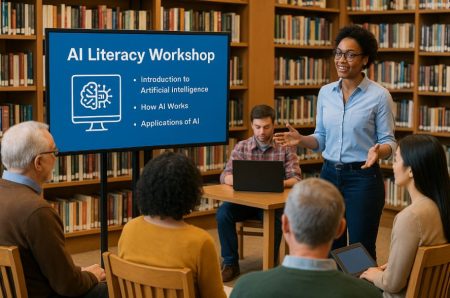
To address this challenge, it is important to foster a culture of continuous learning, where individuals are encouraged to stay informed about the latest developments in AI. Institutions can provide ongoing training opportunities, such as webinars, workshops, and online courses, to help individuals update their knowledge and stay current with AI advancements. Moreover, AI literacy initiatives should be flexible and adaptable, ensuring that they can evolve as the technology itself continues to develop. - Ethical and Societal Implications of AI: AI literacy is not just about understanding how AI works technically; it also involves understanding its societal and ethical implications. AI technologies have far-reaching consequences, and their impact on issues like privacy, discrimination, and job displacement cannot be ignored. However, the ethical considerations of AI are often difficult to address, as they involve complex questions about fairness, bias, accountability, and the potential risks of AI-driven decision-making.
For example, AI systems used in criminal justice, hiring, and healthcare have been found to perpetuate biases based on gender, race, or socioeconomic status. Teaching people about these ethical concerns requires more than just technical knowledge; it requires a deep understanding of how AI systems interact with societal norms and values. Additionally, AI literacy programs must address the broader implications of AI, such as its role in economic inequality, surveillance, and the future of work. To overcome this challenge, AI education must incorporate discussions about the ethical use of AI and its potential to exacerbate social inequalities. Engaging with ethical frameworks, case studies, and real-world examples can help individuals understand the broader societal implications of AI and how to navigate its challenges responsibly. - Overcoming Fear and Misinformation: As AI technologies become more pervasive, fears about their impact on jobs, privacy, and personal freedoms have also grown. These fears can contribute to resistance or reluctance to engage with AI technologies, particularly among individuals who feel threatened by the potential for job displacement or surveillance. Misinformation about AI, such as exaggerated claims about AI’s capabilities or dystopian narratives, can also fuel skepticism and hinder efforts to promote AI literacy.
To address these fears and misconceptions, AI literacy programs must include clear, accurate information about what AI can and cannot do. By providing realistic assessments of AI’s capabilities and limitations, these programs can help individuals better understand AI’s role in society and alleviate unnecessary fears. Additionally, highlighting the positive contributions of AI, such as its potential to solve complex global challenges like climate change and disease prevention, can help shift the narrative towards a more balanced and informed perspective. - Integration of AI Literacy into Curricula: AI literacy is often treated as a specialized subject, and as a result, it is not always integrated into mainstream education curricula. Many students, particularly in primary and secondary education, may not be exposed to AI concepts until they reach higher education, if at all. As AI becomes an essential part of the job market, it is crucial to introduce AI literacy at an earlier stage, ensuring that students from a young age understand the basics of AI and its societal impact.
Integrating AI literacy into the education system can be challenging due to a lack of trained educators and resources. However, incorporating AI concepts into existing STEM curricula or offering standalone courses in middle and high schools can help prepare students for the future workforce. Additionally, hands-on experiences with AI tools and technologies can engage students and foster a deeper understanding of AI’s real-world applications.
Achieving AI literacy is critical for ensuring that individuals can navigate the complexities of an AI-driven society. However, challenges such as the complexity of AI technologies, unequal access to educational resources, the rapid pace of AI development, and ethical concerns must be addressed to make AI literacy more accessible and widespread. By overcoming these challenges, we can empower individuals to understand AI, evaluate its impact, and engage with it responsibly. As AI continues to shape our future, the need for comprehensive and inclusive AI literacy initiatives has never been more urgent. Through collaboration, education, and continuous learning, society can bridge the gap in AI literacy and ensure that everyone has the knowledge and skills to thrive in an AI-driven world.
Examples of AI Literacy Programs and Initiatives Around the World
As Artificial Intelligence (AI) continues to reshape industries and societies, governments, educational institutions, and organizations worldwide are launching initiatives to promote AI literacy. These programs aim to equip individuals with the skills needed to understand, engage with, and critically assess AI technologies. Here are some notable examples of AI literacy programs and initiatives from around the world:
1. AI for Everyone by Andrew Ng (Coursera)
One of the most popular AI literacy courses globally is AI for Everyone by Andrew Ng, co-founder of Coursera and a pioneer in online education. This course is designed for individuals with no technical background, making AI concepts accessible to a broad audience. The course covers the basics of AI, how AI is transforming various industries, and the ethical considerations surrounding AI implementation. The course is free to audit, and it has attracted learners from around the world, promoting AI literacy in both professional and personal contexts.
This initiative aims to make AI accessible to everyone, regardless of their background or technical expertise, and is an excellent example of an online AI literacy program that empowers learners to understand the impact of AI on the world around them.
2. AI for Good Global Summit (United Nations)
The AI for Good Global Summit is an initiative by the United Nations in collaboration with AI experts and organizations worldwide. The summit brings together stakeholders to discuss how AI can be used to address global challenges, such as poverty, hunger, and climate change. It also aims to raise awareness about the ethical implications of AI and promote AI literacy, especially in relation to its use in sustainable development.
As part of the summit, the UN organizes workshops and discussions that focus on educating policymakers, researchers, and the general public about the potential of AI to drive positive change while emphasizing responsible and ethical AI development. By involving global stakeholders in conversations about AI, the initiative works to enhance AI literacy on a global scale, ensuring that AI technologies are used responsibly to solve pressing global issues.
3. Artificial Intelligence (AI) Education Initiative (European Union)
The European Union (EU) has recognized the importance of AI literacy in preparing the workforce for the future. As part of its Digital Education Action Plan, the EU has invested in educational programs and initiatives aimed at increasing AI literacy across Europe. One key initiative is the AI4EU project, which seeks to create a collaborative platform for AI research and innovation, making AI tools and resources more accessible to European citizens and organizations.
In addition, the EU has funded AI-focused educational programs in schools, universities, and online platforms to ensure that students develop an understanding of AI technologies, their applications, and ethical considerations. These efforts aim to increase AI awareness and preparedness in the workforce by integrating AI literacy into educational curricula and providing access to AI-related learning resources.
4. AI and Machine Learning Courses at Harvard University (USA)
Harvard University, through its Harvard Online Learning platform, offers a variety of AI and machine learning courses to students and professionals. One notable course is CS50’s Introduction to Artificial Intelligence with Python, which teaches students how to use AI techniques in real-world applications. The course covers topics such as search algorithms, knowledge representation, neural networks, and machine learning, aiming to provide a robust introduction to AI for learners from diverse backgrounds.
Harvard also offers AI literacy initiatives that focus on the ethical challenges of AI, such as how algorithms can perpetuate biases or how data privacy concerns can be addressed. These programs are designed not only to teach technical skills but also to foster a broader understanding of the societal and ethical implications of AI.
5. AI Literacy for Young People (UK – AI Council)
In the United Kingdom, the AI Council has emphasized the importance of AI education for young people to ensure they are prepared for the future job market. The UK government has committed to making AI literacy part of the national curriculum, with a focus on ensuring that students from an early age are exposed to AI concepts. This initiative aims to teach young people the basics of AI, how it works, and its potential uses in different industries.
The AI Council’s AI Roadmap also outlines ways to integrate AI learning into schools and universities. The roadmap includes training teachers to deliver AI education, creating AI-based learning resources, and encouraging partnerships between educational institutions and AI industry leaders to offer internships and hands-on learning experiences. These initiatives aim to create a future workforce that is equipped with the knowledge to use and develop AI technologies responsibly.
6. AI4ALL (USA)
AI4ALL is a nonprofit organization that focuses on increasing diversity and inclusion in the field of AI. Its mission is to make AI education accessible to high school students, particularly those from underrepresented groups in STEM fields, such as women, Black, Latinx, and Native American students. AI4ALL runs summer camps and workshops across the United States, providing young people with the opportunity to learn about AI, machine learning, and the ethical challenges surrounding AI systems.
In addition to teaching technical AI skills, AI4ALL emphasizes the importance of diversity in AI development and aims to cultivate the next generation of AI researchers who are not only technically skilled but also understand the social and ethical dimensions of AI. By fostering inclusivity, AI4ALL helps ensure that AI technologies are developed with a wide range of perspectives, reducing the risk of bias and promoting equitable AI systems.
7. Digital Literacy and AI Program (China)
In China, AI literacy initiatives are being developed as part of broader digital literacy programs. The Chinese government has recognized AI as a key area for future development and has committed to integrating AI education into the national curriculum at various levels of education. Schools in China are increasingly offering AI and coding courses that cover basic principles of AI, machine learning, and robotics.
China’s AI Development Plan includes a focus on AI literacy for citizens to ensure that everyone, from students to professionals, understands how AI works and its implications for society. With the government’s investment in AI research and development, these initiatives are intended to create a highly skilled workforce that can innovate in AI and contribute to China’s leadership in AI technologies on the global stage.
AI literacy programs and initiatives around the world are helping to prepare individuals for a future where AI plays a significant role in shaping societies and industries. From university courses and nonprofit organizations like AI4ALL to governmental initiatives like the EU’s Digital Education Action Plan and China’s AI Development Plan, AI literacy is gaining recognition as a critical skill for the 21st century. By ensuring that more people, from young students to professionals, understand AI and its ethical implications, these initiatives are helping to build a future where AI is used responsibly, inclusively, and for the betterment of society. As AI continues to evolve, fostering AI literacy on a global scale will be essential to ensuring that individuals and communities can navigate the challenges and opportunities presented by this transformative technology.
Strategies for Promoting AI Literacy
As Artificial Intelligence (AI) continues to revolutionize industries and impact everyday life, AI literacy is increasingly needed. Understanding how AI works, its applications, and the ethical implications is crucial for individuals to navigate an AI-driven world. However, achieving widespread AI literacy requires intentional strategies to make learning accessible, engaging, and inclusive for all. Here, we will explore strategies for promoting AI literacy, ranging from educational initiatives to policy changes, that can help ensure that individuals of all backgrounds are prepared to engage responsibly and effectively with AI technologies.
- Integrating AI Education into School Curricula: One of the most effective ways to promote AI literacy is by integrating AI education into primary and secondary school curricula. Early exposure to AI concepts will help students develop foundational knowledge about the technology and its applications before they enter the workforce. AI education should focus not only on the technical aspects—such as machine learning and neural networks—but also on the societal and ethical implications of AI technologies.
To achieve this, schools can incorporate AI-related subjects into existing STEM (Science, Technology, Engineering, and Mathematics) programs or create standalone AI courses. Introducing AI concepts at a young age ensures that students are familiar with how AI works and the ethical considerations involved, such as fairness, privacy, and accountability. This early education will equip students with the skills to make informed decisions about AI in their personal and professional lives. Moreover, it will inspire the next generation of AI developers, researchers, and ethicists. - Offering Online Courses and Open Educational Resources: Online platforms have become an accessible and affordable way to promote AI literacy. With the growing demand for AI skills, numerous online courses and resources are available that cater to different levels of expertise, from beginners to advanced learners. Platforms like Coursera, edX, and Udemy offer a range of AI-related courses, many of which are free or low-cost. These platforms can reach a global audience and provide individuals with flexible learning opportunities that can be tailored to their needs.
To enhance accessibility, educational institutions and organizations can partner with these platforms to offer open educational resources (OER) on AI. OERs are freely accessible, openly licensed materials that allow learners to explore AI concepts at their own pace. By making AI learning materials available to everyone, regardless of location or socioeconomic status, we can ensure that AI literacy is accessible to a broader audience. Additionally, offering AI-focused webinars, tutorials, and workshops can complement these online courses, allowing learners to interact with instructors and peers in real-time. - Collaboration Between Industry, Academia, and Government: Promoting AI literacy requires collaboration between various sectors, including industry, academia, and government. Tech companies have a vested interest in fostering AI literacy to ensure a future workforce that can contribute to AI development and innovation. By partnering with academic institutions, companies can offer internships, apprenticeships, and real-world projects that allow students to apply AI concepts in practical settings. These partnerships can help bridge the gap between theoretical knowledge and real-world applications, providing learners with hands-on experience.
Governments also play a crucial role in promoting AI literacy through policy initiatives. For example, governments can fund AI education programs and support the development of AI training materials. They can also create policies that encourage collaboration between the public and private sectors to create AI literacy programs. By investing in AI education, governments can ensure that their citizens are well-prepared to engage with AI technologies, leading to a more innovative and competitive workforce. - Focus on Ethics and Social Implications of AI: While understanding the technical side of AI is important, it is equally crucial to emphasize the ethical and social implications of AI. As AI technologies become more prevalent, privacy, security, and algorithm bias concerns have become significant ethical issues. AI literacy programs should teach individuals how AI systems can perpetuate or even exacerbate societal inequalities, particularly when it comes to issues like racial or gender bias in hiring algorithms or facial recognition technology.
By focusing on AI ethics, literacy programs can help individuals become more responsible users and creators of AI technologies. Courses and workshops should explore the potential consequences of AI in areas such as healthcare, criminal justice, and education, encouraging participants to think critically about the ethical challenges that AI presents. This broader focus on the social implications of AI will equip individuals to advocate for fairer and more transparent AI practices in their personal and professional lives. - Encouraging AI Literacy for All Ages and Backgrounds: AI literacy should not be limited to young students or professionals in tech-related fields. It is essential to promote AI literacy across all age groups and backgrounds to ensure that no one is left behind in an increasingly AI-driven world. Initiatives can target various demographics, such as seniors, underrepresented communities, and those in non-technical professions.
For example, offering AI literacy programs for older adults can help them understand how AI is used in everyday technologies like voice assistants, healthcare apps, and automated customer service systems. Tailored programs for underserved communities can bridge the digital divide, ensuring that people from diverse socioeconomic backgrounds are equipped to engage with AI. Additionally, offering AI education in non-technical fields—such as the arts, humanities, and social sciences—can help people understand how AI intersects with their areas of expertise, leading to more cross-disciplinary conversations and innovation. - Promoting AI Literacy Through Media and Public Awareness Campaigns: Another strategy for promoting AI literacy is through media and public awareness campaigns. Public awareness campaigns can inform people about the importance of AI literacy and how it can enhance their lives. Through TV programs, podcasts, and social media, AI experts and educators can share insights into the practical applications of AI and the ethical considerations that come with its use. These campaigns can highlight the positive impact of AI, such as its role in improving healthcare outcomes, combating climate change, and driving innovation in education. Additionally, using popular media, such as documentaries and feature films, to depict AI’s potential and limitations can spark public interest and encourage conversations about the technology. Media outlets can also host discussions on AI ethics and its societal implications, helping to create a more informed and engaged public.
- Building AI Literacy in the Workplace: As AI continues to transform industries, it is essential for employees to understand how AI can enhance their roles and responsibilities. Companies can promote AI literacy by offering internal training programs that teach employees how AI can be applied to their daily tasks, whether in customer service, finance, or manufacturing. For example, AI literacy programs in the workplace can cover how AI tools can automate repetitive tasks, provide predictive analytics, or optimize decision-making processes. Workplace training programs can also include an ethical component, educating employees on how to use AI responsibly and avoid potential pitfalls such as algorithmic bias. By fostering AI literacy within the workforce, companies can ensure that their employees are prepared to work alongside AI technologies, leading to greater productivity, innovation, and ethical AI practices.
Promoting AI literacy is essential for ensuring that individuals are prepared to engage with the AI technologies that are transforming the world around them. Strategies for promoting AI literacy should include integrating AI education into school curricula, offering accessible online courses, fostering collaboration between industry and academia, emphasizing ethical considerations, and targeting all age groups and backgrounds. By taking a comprehensive approach to AI literacy, we can ensure that everyone, regardless of their background or profession, is equipped to navigate the opportunities and challenges of an AI-driven society. As AI continues to shape our future, fostering AI literacy will be key to ensuring that these technologies are used responsibly and for the benefit of all.
Reeference Articles:
- Annapureddy, R., Fornaroli, A., & Gatica-Perez, D. (2025). Generative AI Literacy: Twelve Defining Competencies. Digit. Gov.: Res. Pract., 6(1), 13:1-13:21. https://doi.org/10.1145/3685680
- Benton, P. (2023). AI Literacy: A Primary Good. In A. Pillay, E. Jembere, & A. J. Gerber (Eds.), Artificial Intelligence Research (pp. 31–43). Springer Nature Switzerland. https://doi.org/10.1007/978-3-031-49002-6_3
- Chiu, T. K. F., Ahmad, Z., Ismailov, M., & Sanusi, I. T. (2024). What are artificial intelligence literacy and competency? A comprehensive framework to support them. Computers and Education Open, 6, 100171. https://doi.org/10.1016/j.caeo.2024.100171
- Hornberger, M., Bewersdorff, A., & Nerdel, C. (2023). What do university students know about Artificial Intelligence? Development and validation of an AI literacy test. Computers and Education: Artificial Intelligence, 5, 100165. https://doi.org/10.1016/j.caeai.2023.100165
- Kalantzis, M., & Cope, B. (2025). Literacy in the Time of Artificial Intelligence. Reading Research Quarterly, 60(1), e591. https://doi.org/10.1002/rrq.591
- Long, D., & Magerko, B. (2020). What is AI Literacy? Competencies and Design Considerations. Proceedings of the 2020 CHI Conference on Human Factors in Computing Systems, 1–16. https://doi.org/10.1145/3313831.3376727
- Ng, D. T. K., Leung, J. K. L., Chu, K. W. S., & Qiao, M. S. (2021a). AI Literacy: Definition, Teaching, Evaluation and Ethical Issues. Proceedings of the Association for Information Science and Technology, 58(1), 504–509. https://doi.org/10.1002/pra2.487
- Ng, D. T. K., Leung, J. K. L., Chu, S. K. W., & Qiao, M. S. (2021b). Conceptualizing AI literacy: An exploratory review. Computers and Education: Artificial Intelligence, 2, 100041. https://doi.org/10.1016/j.caeai.2021.100041
- Ng, D. T. K., Leung, J. K. L., Su, M. J., Yim, I. H. Y., Qiao, M. S., & Chu, S. K. W. (2022). AI Education and AI Literacy. In D. T. K. Ng, J. K. L. Leung, M. J. Su, I. H. Y. Yim, M. S. Qiao, & S. K. W. Chu (Eds.), AI Literacy in K-16 Classrooms (pp. 9–19). Springer International Publishing. https://doi.org/10.1007/978-3-031-18880-0_2
- Schüller, K. (2022). Data and AI literacy for everyone. Statistical Journal of the IAOS, 38(2), 477–490. https://doi.org/10.3233/SJI-220941
- Stolpe, K., & Hallström, J. (2024). Artificial intelligence literacy for technology education. Computers and Education Open, 6, 100159. https://doi.org/10.1016/j.caeo.2024.100159
- Velander, J., Otero, N., & Milrad, M. (2024). What is Critical (about) AI Literacy? Exploring Conceptualizations Present in AI Literacy Discourse. In A. Buch, Y. Lindberg, & T. Cerratto Pargman (Eds.), Framing Futures in Postdigital Education: Critical Concepts for Data-driven Practices (pp. 139–160). Springer Nature Switzerland. https://doi.org/10.1007/978-3-031-58622-4_8
- Wilton, L., Ip, S., Sharma, M., & Fan, F. (2022). Where Is the AI? AI Literacy for Educators. In M. M. Rodrigo, N. Matsuda, A. I. Cristea, & V. Dimitrova (Eds.), Artificial Intelligence in Education. Posters and Late Breaking Results, Workshops and Tutorials, Industry and Innovation Tracks, Practitioners’ and Doctoral Consortium (pp. 180–188). Springer International Publishing. https://doi.org/10.1007/978-3-031-11647-6_31
- Yi, Y. (2021). Establishing the concept of AI literacy. Jahr – European Journal of Bioethics, 12(2), Article 2.