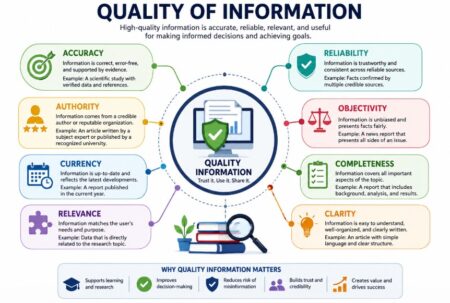
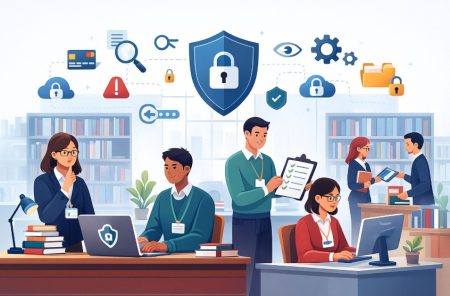
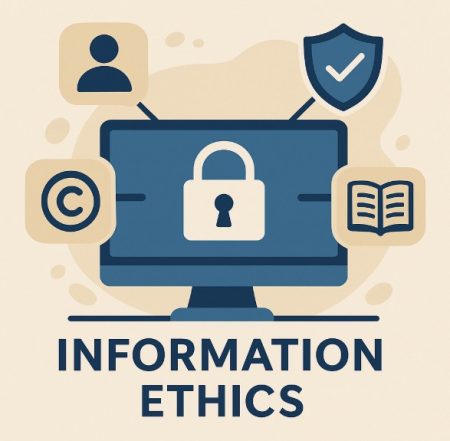
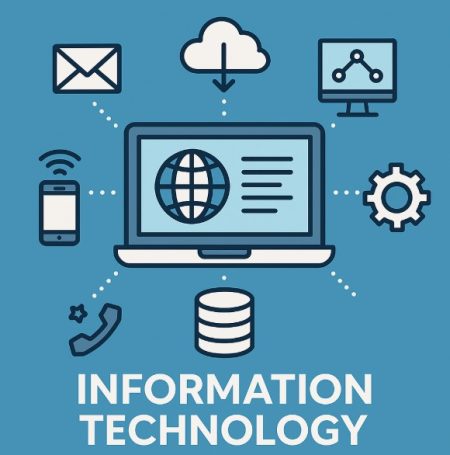
Information has become an essential resource for enhancing public services and governance. As societies become increasingly interconnected and data-driven, the ability of governments to manage, analyze, and leverage vast amounts of information is transforming how public services are delivered and how governance functions. The integration of digital technologies, such as e-government platforms, data analytics, and real-time information systems, has revolutionized the way governments interact with citizens, make decisions, and allocate resources. By harnessing information, governments can improve the efficiency and effectiveness of their services and foster greater transparency, accountability, and citizen engagement. Through data-driven approaches, governments are better equipped to address emerging challenges, respond to public needs, and ensure that policies are based on solid evidence. As a result, the importance of information in modern governance cannot be overstated, as it holds the potential to drive informed decision-making, streamline operations, and ultimately build more inclusive and responsive public institutions.
The Role of Information in Enhancing Public Services and Governance
Information has become one of the most important resources for improving public services and governance. As societies increasingly shift towards digital platforms and data-driven decision-making, governments are realizing the immense potential of information to enhance efficiency, transparency, and overall service delivery. By utilizing information strategically, public institutions can create better systems, policies, and services that directly benefit citizens. Let’s explore the various ways information can be harnessed to improve governance, highlighting real-world examples that demonstrate its transformative power.
- Improving Service Delivery: One of the most significant ways information can enhance public services is by improving service delivery. In today’s digital age, governments worldwide are adopting e-government platforms to streamline their services. These platforms enable citizens to access public services online, reducing the need for time-consuming visits to government offices and long waiting periods. For instance, in Estonia, a country known for its advanced digital infrastructure, citizens can vote in elections, file taxes, and access healthcare records online. By using these systems, the government can reduce bureaucracy, increase accessibility, and ensure that services reach the public in a timely and efficient manner.
Another example is the use of data analytics in healthcare. By collecting and analyzing patient data, governments can identify patterns in health trends and allocate resources to areas with higher health risks. In South Korea, the national health insurance system uses data to monitor patients’ health conditions and predict the spread of diseases. This helps the government provide targeted interventions and ensure that healthcare services are distributed according to need, ultimately improving public health outcomes. - Promoting Transparency and Accountability: Transparency is vital for good governance, and information is central to making government activities more transparent. When information about government spending, decision-making processes, and public policies is readily available to the public, it helps build trust in the government. Open data initiatives allow the public to access government data and are a powerful tool in promoting transparency. For example, in the United Kingdom, the government has made a wealth of data available through the “data.gov.uk” portal. This includes information on government spending, public sector performance, and even local crime statistics, allowing citizens to monitor the activities of their government and hold public officials accountable.
Additionally, governments can combat corruption by making procurement processes and financial records publicly accessible. In Kenya, the government introduced the Kenya Open Data Initiative, which provides citizens with access to government data, including details about tenders, contracts, and project implementation. This openness has led to greater scrutiny, reduced corruption, and improved public trust. - Enhancing Decision-Making with Data: Data-driven decision-making is another crucial area where information can improve governance. Informed decisions lead to more effective policies, better resource allocation, and improved outcomes for citizens. Governments can use data to monitor the success of existing policies and make adjustments as needed. In the case of urban planning, for example, data from traffic monitoring systems and social media can help city governments make decisions about transportation infrastructure, such as road maintenance and the placement of public transport routes.
A notable example of data-driven governance is Singapore’s Smart Nation initiative. The Singaporean government uses vast amounts of data to improve various aspects of urban life, from transportation to healthcare. Data from sensors embedded in the city’s infrastructure allows the government to monitor traffic patterns, manage waste disposal, and improve energy efficiency. This type of real-time data collection and analysis helps the government make immediate, data-driven decisions that optimize urban living for its citizens. - Encouraging Citizen Engagement and Participation: Information can also improve governance by fostering greater citizen engagement and participation. When citizens are well-informed about government policies, they are more likely to be involved in the decision-making process. Governments can use various information platforms to engage with citizens, gather feedback, and even involve them in policy development. For example, participatory budgeting initiatives, where citizens have a say in how public funds are allocated, have been implemented in cities like Porto Alegre, Brazil. Here, citizens use available information about municipal budgets to participate in decision-making, leading to better outcomes and increased public satisfaction.
Another example is the use of social media platforms to communicate with citizens. Many governments around the world, including those in the U.S. and the UK, use Twitter, Facebook, and other social platforms to engage with citizens, address concerns, and provide information about policies and services. This two-way communication fosters trust, ensures that citizens feel heard, and helps the government address issues in real-time. - Strengthening Policy Implementation and Monitoring: The implementation and monitoring of government policies are essential for ensuring that public services are effective and impactful. Information allows governments to track the progress of policies, identify obstacles, and make necessary adjustments. For example, in the area of education, the United States has implemented national databases that track student performance across the country. By analyzing this data, policymakers can identify regions or schools that need additional support and target resources effectively.
In India, the government has implemented the Public Financial Management System (PFMS), which uses real-time data to monitor the implementation of government schemes, such as social welfare programs. This system tracks the flow of funds and ensures that money reaches the intended beneficiaries without delays or leakages. By using this information, the government can improve the efficiency and effectiveness of its programs, ensuring that funds are used in the most impactful ways. - Overcoming Challenges in Using Information for Governance: While using information holds tremendous potential, challenges remain. One of the major challenges is ensuring the privacy and security of data. Citizens’ personal information must be protected to maintain trust in government systems. For example, in the European Union, the implementation of the General Data Protection Regulation (GDPR) ensures that personal data is handled with the utmost care and transparency.
Another challenge is the digital divide, as not all citizens have equal access to technology or the internet. Governments must address this inequality by providing digital literacy programs, expanding internet infrastructure, and ensuring that digital services are accessible to all, particularly in underserved areas. In Kenya, for instance, mobile phones are widely used to access government services, with the M-Pesa mobile payment system enabling millions of citizens to participate in the digital economy. This inclusivity helps bridge the gap between urban and rural communities.
Information is a powerful tool that can greatly improve public services and governance. By utilizing data and digital technologies, governments can enhance service delivery, promote transparency, foster citizen engagement, and make informed decisions. Real-world examples from countries like Estonia, Singapore, and Kenya illustrate the transformative impact of information in governance. However, challenges such as data privacy, security, and digital access must be addressed to fully harness the potential of information. As the world continues to embrace the digital age, the role of information in improving public services will only grow, leading to more effective, transparent, and accountable governance for all.