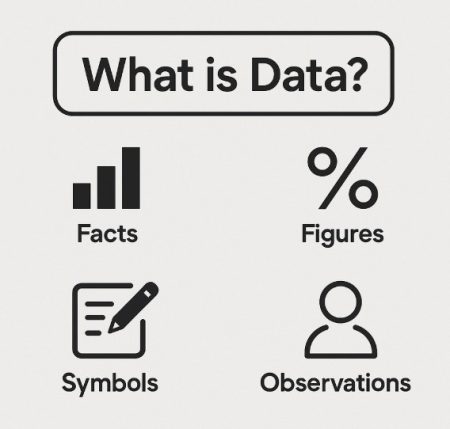
Secondary data refers to data that has already been collected, processed, and made available by other researchers, organizations, or institutions for purposes other than the current research study. Unlike primary data, which is gathered firsthand by researchers for a specific study, secondary data is repurposed for new analyses and insights. This data can be quantitative, such as census data, financial records, or survey results, or qualitative, such as historical documents, interviews, or case studies. Secondary data sources include published research papers, government reports, organizational databases, and public records, among others.
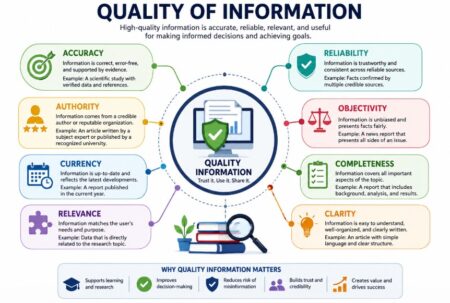
The use of secondary data in research offers several advantages, particularly in terms of cost, time efficiency, and broad accessibility. Researchers do not need to spend significant time and resources collecting new data, which makes secondary data an attractive option, especially for preliminary studies, literature reviews, or when examining large populations or historical trends. Secondary data also allows for the analysis of datasets that would be difficult or impossible to collect firsthand due to ethical, logistical, or financial constraints. For example, studying long-term trends in public health, economic conditions, or climate change would require vast amounts of data that are often only available through secondary sources. However, while secondary data can be a valuable resource, it also presents challenges. One major concern is that the data may not be fully aligned with the researcher’s specific objectives, as it was collected for a different purpose. This misalignment can limit the relevance of secondary data to the current study. Furthermore, the accuracy, quality, and timeliness of secondary data are contingent on the methods and standards used by the original data collectors, which may introduce biases or inconsistencies that affect the validity of the research findings. Researchers must critically assess the source, context, and limitations of secondary data to ensure it is appropriate for their study.
What is Secondary Data?
Secondary data refers to information that has been collected, processed, and made available by someone other than the researcher for a purpose other than the current research project. This type of data is repurposed for new analyses and research questions, providing valuable insights without the need for researchers to gather original data themselves. Secondary data is often used when collecting primary data would be time-consuming, expensive, or impractical. It can be quantitative or qualitative and comes from various sources such as government publications, research studies, academic articles, organizational reports, and public databases.
For example, data from a national census, which provides demographic information about a population, is secondary data because it was originally collected by government agencies for purposes like policymaking and resource allocation, not for a specific research question. Another example is using historical records, such as company financial reports, for research on long-term business trends. Researchers may also rely on secondary data from previous studies, such as surveys or experiments conducted by other scientists, to test new hypotheses or to compare their findings with existing knowledge.
The key advantage of secondary data is that it saves time and resources, enabling researchers to focus on analysis rather than data collection. However, it also presents challenges, such as potential misalignment with the researcher’s specific objectives or concerns about the data’s accuracy and quality. Despite these limitations, secondary data remains an essential tool for many types of research, providing insights that would otherwise be difficult or impossible to obtain.
Common Sources of Secondary Data
Secondary data is a valuable resource in research, providing insights that researchers can use without the need to collect original data. Instead, secondary data is information that has been gathered, processed, and made available by others for purposes other than the current research project. This data can be obtained from various sources, offering a wealth of information across different fields. The key advantage of secondary data is that it saves time and resources, allowing researchers to focus on analysis and interpretation rather than data collection. Below are some of the most common sources of secondary data.
- Government Publications: Government publications are among the most widely used sources of secondary data. Government agencies often collect and release data related to various sectors, including economic performance, demographics, public health, education, and employment. For example, in the United States, the U.S. Census Bureau provides detailed demographic data from the national census, including information on age, income, housing, and education. Similarly, the Bureau of Labor Statistics publishes data on employment rates, wages, and job market trends. Such government reports are valuable to researchers in economics, sociology, public health, and political science, offering authoritative and comprehensive data that can be used for a wide range of studies.
- Academic and Scholarly Articles: Academic and scholarly articles published in peer-reviewed journals are a primary source of secondary_data in research. Researchers in various disciplines publish their findings, including data, methodologies, and analyses, which can be used by others to build upon their work. For example, a researcher studying climate change might access academic studies that report data on temperature changes, emissions, and environmental impacts. These articles often provide detailed methodologies and statistical analyses, making them a rich source of information for secondary_data. These sources are especially valuable because they are reviewed for quality and accuracy by experts in the field.
- Market Research Reports: Market research reports are another crucial source of secondary data, especially for business and marketing research. These reports are published by private research firms, consulting companies, and industry analysts, offering insights into consumer behavior, market trends, and industry performance. Firms such as Nielsen, Statista, and IBISWorld provide data on consumer preferences, purchasing behaviors, and industry growth patterns. Researchers can use these reports to study market trends, assess competition, or understand consumer sentiment. For example, a company launching a new product might use secondary_data from market research to gauge customer demand and refine marketing strategies.
- Public Databases: Public databases offer a wealth of secondary data across various fields, often providing free or subscription-based access to large datasets. These databases aggregate data from multiple sources, making it easy for researchers to find and use data relevant to their studies. Examples of widely-used public databases include the World Bank’s World Development Indicators, which provides global economic and social data, and the United Nations’ databases, which include data on health, education, and development goals. In the health field, the World Health Organization (WHO) provides secondary_data on global health trends, disease outbreaks, and healthcare systems. These databases are a go-to source for researchers who need extensive, reliable data for cross-country or global comparisons.
- Company Records and Internal Reports: Companies often maintain internal records and reports that are valuable sources of secondary data for business research. These include financial reports, annual reports, customer satisfaction surveys, sales data, and employee performance records. Researchers can use this data to analyze organizational behavior, employee productivity, and financial performance. For instance, a researcher studying employee satisfaction in a specific company could analyze internal reports such as employee surveys or exit interviews to understand trends in employee retention. Similarly, analyzing financial statements from publicly traded companies can help researchers study business strategies and market performance.
- Social Media and Online Data: In recent years, social media platforms like Facebook, Twitter, and Instagram have become rich sources of secondary_data, particularly for studies in communication, social sciences, and marketing. Researchers can use publicly available data from social media platforms to analyze public sentiment, consumer behavior, and social trends. For example, content analysis of tweets or Facebook posts can provide insights into public opinion on political issues, products, or social movements. Social media analytics tools allow researchers to track the frequency of certain terms, hashtags, or keywords, providing valuable data for sentiment analysis or trend forecasting.
- Historical Documents and Archives: Historical documents and archives are essential sources of secondary data, particularly for researchers in history, political science, and cultural studies. These documents include government records, letters, personal diaries, newspapers, and books, which provide insights into past events, social conditions, and political decisions. Archives, such as the National Archives in the UK or the Library of Congress in the U.S., store vast amounts of historical data that researchers can use to study historical events, social movements, or economic conditions. This type of secondary_data is especially useful for longitudinal studies or research on past trends and phenomena.
- Non-Governmental Organizations (NGOs) and International Organizations: Non-governmental organizations (NGOs) and international organizations, such as the United Nations (UN), World Bank, and Amnesty International, are key sources of secondary data. These organizations collect and publish data on a wide range of topics, including human rights, development, education, health, and environmental sustainability. Reports and data from organizations like the UN’s UNDP (United Nations Development Programme) or WHO (World Health Organization) provide valuable insights for researchers focused on global issues, public health, or social justice.
- Census Data: Census data is a type of secondary_data collected by governments on a regular basis, usually every ten years. This data provides a snapshot of a country’s population, including demographic details such as age, gender, ethnicity, employment status, and educational attainment. Researchers in fields such as sociology, economics, and political science often rely on census data to analyze population trends, migration patterns, and societal changes. For example, a researcher studying housing trends might use census data to explore changes in household sizes or living arrangements over time.
Secondary data is a valuable resource for researchers across a wide range of disciplines. From government publications and academic articles to market research reports and public databases, there are numerous sources of secondary_data that can help researchers answer complex questions, analyze trends, and gain insights into various topics. While secondary_data offers convenience and cost savings, researchers must carefully evaluate its relevance, accuracy, and timeliness to ensure it is suitable for their specific research needs. By effectively utilizing secondary data, researchers can build upon existing knowledge and contribute to new discoveries without the need for original data collection.
How Secondary Data Is Typically Used in Research
Secondary data is a valuable resource in research, offering time and cost savings by allowing researchers to build on existing information rather than collecting new data. It is used in various ways to address specific research objectives. One of the primary uses of secondary data is to provide background context and help frame new studies. Researchers often begin by reviewing secondary_data to understand what has already been studied, identify gaps in existing knowledge, and refine their research questions. For example, when studying the effects of climate change, secondary_data from previous environmental studies, government reports, or historical climate records can provide a baseline understanding before new research begins.
Secondary data is also crucial in supporting literature reviews, where researchers synthesize existing knowledge on a topic to build a solid foundation for their own studies. By reviewing previously published research, secondary data allows researchers to evaluate trends, methodologies, and findings, ensuring that their own research builds upon or addresses gaps in existing studies. Furthermore, secondary_data helps validate or compare findings from primary data collection. Researchers often use it to cross-check their own results, identifying similarities or discrepancies with larger datasets. For instance, a business researcher might compare sales data collected from surveys with industry reports or market research to see if their findings align with broader market trends.
Another key use of secondary data is in identifying long-term trends and patterns. Researchers can analyze existing datasets to track changes over time, such as shifts in economic conditions, public health trends, or consumer behaviors. For example, a public health researcher might analyze national health surveys to study disease prevalence over several decades. Secondary data also plays an important role in comparative research, where researchers compare data across different populations, regions, or time periods. For instance, a study comparing educational outcomes across countries might rely on secondary data from international organizations like UNESCO or the World Bank.
In addition, secondary data is often used to support hypothesis testing in various fields. Researchers can formulate hypotheses based on existing theories and test them using secondary_data, such as historical data on economic performance or social behavior. Secondary data can also fill in gaps in primary data when certain variables are unavailable due to time or resource constraints. For example, if a researcher cannot collect real-time data, they might use secondary sources to supplement their study. Furthermore, secondary data is essential for research that requires large datasets, which may be difficult or impossible to collect firsthand. Global studies on climate change or public health rely heavily on secondary data from governments and international organizations to analyze broad trends.
Finally, secondary data is often used in policy analysis and program evaluation. Researchers rely on government reports and statistical data to assess the effectiveness of policies or public programs. By analyzing existing data, researchers can evaluate whether objectives have been met, offering insights into how policies might be improved. In conclusion, secondary data is an invaluable tool in research, offering significant benefits such as time efficiency, access to large datasets, and the ability to analyze trends and patterns. When used appropriately, it helps researchers answer complex questions, validate their findings, and contribute to the broader body of knowledge. However, researchers must carefully assess the quality and relevance of secondary_data to ensure it is appropriate for their study objectives.
The Advantages of Using Secondary Data in Research
Secondary data is an essential resource for researchers across various fields, offering a range of benefits that make it an appealing choice for studies that require a cost-effective, time-efficient, and comprehensive approach. Secondary data refers to data that has been collected and processed by others, typically for a purpose other than the current research project. Researchers can repurpose this data to answer new research questions, validate findings, or provide a broader context for their studies. While secondary_data has limitations, its advantages in certain research scenarios are undeniable, making it a valuable tool for both exploratory and hypothesis-driven research.
- Cost and Time Efficiency: One of the most significant advantages of using secondary data is the considerable cost and time savings it offers. Collecting primary data can be a resource-intensive process, involving planning, designing instruments, recruiting participants, and gathering the data. In contrast, secondary data has already been collected, so researchers do not need to invest significant time or money into the data collection process. This is especially beneficial for researchers working with tight budgets or those needing to analyze data quickly. By using pre-existing data, researchers can devote more time to analysis and interpretation, which accelerates the research process.
- Access to Large and Diverse Datasets: Secondary_data often provides access to large-scale datasets that would be difficult or impossible to collect through primary research methods. For instance, large-scale government surveys, census data, and international databases offer comprehensive information on diverse populations, economic trends, social behaviors, and environmental factors. This accessibility enables researchers to study broad trends across large groups, regions, or countries, providing a more generalized view of the research topic. Secondary data also allows researchers to compare data across different time periods or geographic locations, offering a broader perspective on the issue under study.
- Rich Historical and Longitudinal Data: Secondary data is particularly valuable for researchers studying historical or longitudinal trends. Many government agencies, organizations, and academic institutions maintain long-term datasets, such as census data, economic reports, and health surveys, which can span decades. These historical data are invaluable for examining long-term changes in areas like population growth, economic shifts, or health outcomes. Researchers can use secondary_data to study how specific phenomena have evolved over time, providing context for understanding current conditions and forecasting future trends.
For example, social scientists examining trends in family structure or migration patterns can analyze decades of census data to track demographic shifts. This would be much more difficult or impractical to achieve with primary data collection, which typically covers shorter time frames. - Enabling Comparative Research: Secondary data is particularly useful for comparative research, where researchers compare different groups, regions, or time periods. Large datasets from government agencies or international organizations can provide comparative data across countries, making it easier to study global issues like health disparities, education, or economic development. By using secondary data, researchers can conduct cross-national studies that explore how different factors, such as cultural practices, policies, or economic conditions, influence outcomes across various populations.
For instance, researchers studying the impact of education on economic development may use secondary data from the World Bank or UNESCO to compare education systems and economic outcomes in multiple countries. This comparative approach can reveal patterns and insights that would be difficult to identify through primary data collection alone, especially when studying large-scale, cross-country issues. - Supports Hypothesis Testing and Theory Building: Secondary data can play a key role in testing hypotheses and building or refining existing theories. Researchers can analyze pre-existing data to validate or challenge theoretical models or predictions. This approach allows researchers to compare their findings with existing knowledge and theories, helping to confirm or revise theoretical frameworks. For example, in economics, researchers might use secondary data on market conditions or employment trends to test economic theories, such as the relationship between inflation and unemployment.
By utilizing secondary data for hypothesis testing, researchers can also identify areas where more data is needed or where further studies might help address gaps in knowledge. This process of theory building and refinement is a key component of scientific progress, as secondary data offers a foundation on which new research questions can be developed. - Filling Gaps in Primary Data Collection: In some research contexts, secondary data can help fill gaps in primary data or serve as a supplement when primary data collection is not feasible. For instance, if a researcher is studying a rare disease or a specific subpopulation, collecting primary data might not be possible due to limited resources, accessibility, or ethical concerns. In these situations, secondary data from hospitals, medical records, or previous studies can help provide the necessary information. Researchers may use this secondary data to supplement their own findings, ensuring that their research is comprehensive and provides a complete picture.
Secondary data also allows researchers to focus on areas where they may have limited access to participants or resources, such as in remote or underrepresented populations. Using existing datasets allows researchers to gain valuable insights without the logistical challenges of gathering new data. - Ethical Considerations and Accessibility: Secondary data often involves fewer ethical considerations than primary data collection, especially when working with sensitive or personal information. Since secondary data has already been anonymized, and the original data collection process has typically followed ethical protocols, researchers are often able to use this data without the same level of ethical scrutiny required for collecting primary data. This is particularly important when dealing with sensitive topics, such as health, crime, or personal behavior. Additionally, secondary data from public sources—such as government reports or academic studies—is often freely accessible, making it easier for researchers to obtain high-quality data without barriers. This accessibility is especially beneficial for researchers from institutions with limited resources or those in developing countries, where access to primary data collection tools and technologies may be restricted.
- Enhancing Data Quality and Validity: Secondary data is often collected by reliable and credible organizations, such as government agencies, universities, or established research institutions. These data sources typically follow standardized data collection methods, ensuring consistency and accuracy. Using secondary data from such sources provides researchers with high-quality information that has already undergone data validation and quality control processes. This enhances the reliability of the research findings, as the data has been subject to rigorous scrutiny before being made available for use.
The use of secondary data in research offers a multitude of advantages, including significant time and cost savings, access to large and diverse datasets, the ability to study long-term trends, and the facilitation of comparative and hypothesis-driven research. It also provides an opportunity to validate existing theories, fill gaps in primary data, and address ethical concerns. While secondary data has its limitations, particularly regarding relevance or potential biases, it remains an essential resource for researchers across various fields. By effectively utilizing secondary data, researchers can gain meaningful insights, enhance their studies, and contribute to the broader body of knowledge without the need for costly or time-consuming data collection.
How Can Researchers Ensure the Reliability of Secondary Data?
Ensuring the reliability of secondary data is essential for researchers to draw valid conclusions and make informed decisions based on accurate and trustworthy information. Since secondary data has already been collected by other sources, it is crucial for researchers to carefully evaluate its quality and relevance before using it in their studies. One of the first steps in ensuring reliability is assessing the credibility of the data source. Researchers should use data from reputable organizations, such as government agencies, academic institutions, or established research firms, as these sources typically follow rigorous data collection and validation processes. For instance, data from national census bureaus or global institutions like the World Health Organization (WHO) is generally more reliable than data from unknown or unverified sources.
Another important aspect of ensuring reliability is understanding the methodology used in data collection. Researchers must examine how the data was collected, the sampling techniques used, and the sample size. It’s also crucial to determine the period during which the data was gathered and whether the collection methods are consistent with the research goals. If the original data collection involved biased sampling or inadequate measurement tools, this could compromise the reliability of the data. Understanding these factors helps researchers assess whether the data is valid and appropriate for their own research purposes.
Consistency within the data is another key factor in determining reliability. Researchers should cross-check the secondary data with other available datasets or sources on the same topic to see if they align. Discrepancies between data sources can indicate issues with data quality or reliability. In cases where data from multiple reputable sources differ significantly, researchers must investigate the reasons behind the inconsistencies before relying on it. This consistency check also helps to identify any potential errors in data reporting or methodology.
The timeliness and relevance of the data are equally important. Secondary data must be current and applicable to the research question being investigated. Using outdated data can lead to inaccurate or misleading conclusions, especially in fast-changing fields such as technology, economics, or healthcare. Researchers need to ensure that the secondary data they are using reflects the present conditions or is still relevant to the topic under study. If the data is too old or outdated, it may not account for recent changes in the field or subject matter.
Understanding the context in which the data was originally collected is essential for assessing its reliability. Data collected for a different purpose, population, or geographical location may not be directly applicable to the current study. Researchers must consider the original objectives of the data collection and evaluate whether the data fits their own research needs. For example, data collected in one country may not be relevant to another without proper adjustments for cultural, economic, or social differences.
Types of Secondary Data: Qualitative vs. Quantitative
Secondary data can be categorized into two main types: qualitative data and quantitative data. Both types provide valuable insights but differ in terms of how they are collected, analyzed, and interpreted. Understanding the distinction between these two types of secondary data is crucial for researchers, as it helps determine the most appropriate method for analysis and ensures that the data aligns with the research objectives.
1. Qualitative Secondary Data:
Qualitative secondary data refers to non-numeric information that is used to understand concepts, experiences, or social phenomena in depth. This type of data is often textual, descriptive, or narrative in nature, and it is used primarily for exploring ideas, attitudes, behaviors, or cultural phenomena. Qualitative secondary data typically provides rich, detailed information that allows researchers to gain a deeper understanding of a subject.
Examples of qualitative secondary data include:
- Interviews and Focus Groups: Transcripts of interviews or focus group discussions that provide insights into individuals’ thoughts, experiences, and perceptions.
- Case Studies: Detailed descriptions and analyses of specific events, organizations, or individuals, often used in fields like business, law, and healthcare.
- Textual Data: Books, articles, reports, and other written content that describe historical events, social practices, or cultural dynamics.
- Documents and Archival Records: Legal documents, government records, or personal diaries that provide contextual and narrative data.
Qualitative secondary data is typically analyzed through methods like thematic analysis, content analysis, or discourse analysis, where researchers identify patterns, themes, or categories within the data. It is particularly useful in fields like anthropology, sociology, psychology, and education, where understanding human behavior and social contexts is essential.
2. Quantitative Secondary Data:
Quantitative secondary data refers to numerical data that is collected, analyzed, and used to identify patterns, trends, or relationships between variables. This type of data is often structured and can be used for statistical analysis, allowing researchers to quantify relationships and test hypotheses. Quantitative data is typically collected through surveys, experiments, or census data and can be subjected to various statistical techniques to derive meaningful conclusions.
Examples of quantitative secondary data include:
- Census Data: National or regional demographic data, such as age, gender, income, and education level, which is typically collected by government agencies for statistical purposes.
- Survey Data: Responses from large-scale surveys, such as customer satisfaction surveys or health surveys, that provide numerical data on specific variables.
- Financial Data: Data on company performance, stock prices, or economic indicators, such as GDP growth, inflation rates, and employment figures.
- Health Data: Medical statistics, disease prevalence rates, vaccination coverage, and other health-related measurements gathered by institutions like the World Health Organization (WHO) or Centers for Disease Control and Prevention (CDC).
Quantitative secondary data is often analyzed using statistical methods such as descriptive statistics, regression analysis, hypothesis testing, or correlation analysis. This type of data is commonly used in fields such as economics, marketing, public health, and social sciences, where the focus is on measuring and quantifying phenomena to draw generalizable conclusions.
Key Differences Between Qualitative and Quantitative Secondary Data
- Nature of Data: Qualitative data is descriptive and focuses on understanding experiences, perceptions, and meanings, while quantitative data is numerical and focuses on measuring and analyzing variables.
- Data Collection Methods: Qualitative data is often collected through open-ended methods such as interviews, case studies, or observations, whereas quantitative data is collected through structured instruments like surveys, censuses, or experiments.
- Analysis Techniques: Qualitative data is analyzed thematically or through content analysis, identifying patterns and themes in textual or narrative data. Quantitative data, on the other hand, is analyzed using statistical methods, aiming to quantify relationships or test hypotheses.
- Purpose: Qualitative data is used to gain in-depth insights and explore complex phenomena, while quantitative data is used to quantify trends, relationships, or behaviors and to generalize findings to larger populations.
Both qualitative and quantitative secondary data play important roles in research, depending on the study’s goals. Qualitative data is ideal for exploring complex social, cultural, or psychological phenomena, offering rich, detailed insights that are difficult to quantify. In contrast, quantitative data is essential for testing hypotheses, identifying statistical relationships, and making generalizations about larger populations. Researchers often use both types of secondary data in complementary ways to build a more comprehensive understanding of the subject under study. By carefully choosing the type of secondary data that aligns with their research questions, researchers can enhance the quality and depth of their findings.
Fields and Industries Where Secondary Data is Most Commonly Used
Secondary data is an invaluable resource for researchers and professionals across various fields and industries. It provides access to pre-existing datasets that save time and resources while offering valuable insights into trends, patterns, and relationships. Secondary data is particularly useful in areas where large-scale data collection would be impractical, expensive, or time-consuming. Below are some of the key fields and industries where secondary data is most commonly used.
- Healthcare and Public Health: In the healthcare and public health sectors, secondary data is frequently used to track health trends, monitor disease outbreaks, and assess the effectiveness of health interventions. Government health agencies, international organizations (like the World Health Organization), and research institutions collect and publish health-related data, such as disease incidence rates, vaccination coverage, and health outcomes. Researchers and policymakers use this data to identify public health challenges, allocate resources, and evaluate the impact of health policies. For example, secondary data from the Centers for Disease Control and Prevention (CDC) might be used to analyze trends in obesity rates or to assess the effectiveness of vaccination programs. Researchers studying the impact of environmental factors on public health often rely on large, publicly available datasets, such as air quality indices or health survey data.
- Economics and Finance: The economics and finance sectors heavily rely on secondary data to analyze economic trends, forecast financial performance, and guide policy decisions. Economic indicators such as GDP, inflation rates, unemployment rates, and interest rates are typically collected by national statistical agencies or international organizations like the World Bank or the International Monetary Fund (IMF). In finance, secondary data on market trends, stock prices, and company financials is used for investment analysis, risk management, and market forecasting.
Researchers and analysts use secondary data to perform economic modeling, assess the impacts of economic policies, and predict future financial trends. For instance, secondary data from financial reports or public economic surveys can be used to study the effects of government fiscal policies on unemployment or inflation. - Marketing and Consumer Behavior: In marketing and consumer behavior research, secondary data is commonly used to analyze market trends, consumer preferences, and purchasing patterns. Industry reports, market research studies, and consumer surveys provide valuable insights that help businesses refine their marketing strategies, develop new products, and understand their target audience. Private firms like Nielsen, Statista, and Euromonitor International publish market research reports that businesses use to track industry performance and make strategic decisions.
For example, businesses often use secondary data on consumer buying habits or demographic trends to segment their markets and tailor advertising campaigns. Publicly available data from sources like the U.S. Census Bureau or consumer satisfaction surveys can also inform businesses about population changes, allowing them to adjust their offerings accordingly. - Social Sciences and Sociology: In social sciences and sociology, secondary data is widely used to study societal trends, demographics, and social behavior. Government census data, national surveys, and historical records provide insights into topics such as income inequality, educational attainment, migration patterns, and social mobility. Researchers often use secondary data to explore social issues, validate theories, and assess the effectiveness of social programs.
For instance, a sociologist might use secondary data from a national household survey to analyze income distribution across different social classes or to study the relationship between education and social mobility. Historical data or previous sociological studies may also be used to compare societal changes over time, such as shifts in marriage patterns or family structures. - Education: Secondary data is often used in educational research to analyze trends in student achievement, school performance, and educational equity. National and international surveys such as the Programme for International Student Assessment (PISA) provide valuable data on student performance across different countries. Researchers and policymakers use this data to evaluate education systems, identify areas for improvement, and formulate policies aimed at increasing educational access and equity.
For example, secondary data from school records or standardized test results might be used to study the effects of certain teaching methods or to assess disparities in educational outcomes between different demographic groups. Secondary data can also be used to examine long-term trends in educational attainment and to inform decisions about curriculum design or resource allocation. - Environmental Science and Ecology: Environmental science and ecology benefit significantly from secondary data, particularly in the study of climate change, biodiversity, and ecosystem health. Researchers use secondary data such as satellite imagery, historical weather patterns, and biodiversity databases to study environmental changes over time. Government agencies, environmental organizations, and research institutions often maintain extensive datasets on air and water quality, land use, and species distribution.
For instance, secondary data from sources like the U.S. Environmental Protection Agency (EPA) or the United Nations Environment Programme (UNEP) might be used to study the impact of pollution on public health or the effects of climate change on wildlife migration patterns. Environmental researchers also use secondary data to track long-term ecological changes and to predict future environmental scenarios. - Politics and Public Policy: Secondary data plays a crucial role in political science and public policy research. Political scientists and policymakers use data from elections, public opinion surveys, and government reports to analyze voting behavior, assess political trends, and evaluate the effectiveness of public policies. Secondary data from sources like the U.S. Federal Election Commission (FEC) or Gallup polls helps researchers understand how citizens feel about various political issues and candidates.
In public policy, secondary data is often used to evaluate the outcomes of policies, such as changes in healthcare coverage, environmental protection, or education reforms. For example, a researcher studying the effects of healthcare reform might use secondary data from national health surveys to analyze changes in access to care or health outcomes after policy implementation. - Law and Criminal Justice: In law and criminal justice, secondary data is used to analyze crime rates, evaluate legal outcomes, and assess the effectiveness of criminal justice policies. Police departments, government agencies, and research institutions often collect and publish crime statistics, case law data, and sentencing patterns. Researchers can use this secondary data to study patterns of criminal behavior, the impact of legal reforms, or disparities in the justice system.
For example, secondary data from national crime reports or court records can be used to analyze trends in drug-related offenses or to assess the effectiveness of rehabilitative programs in reducing recidivism. Additionally, secondary data can inform discussions about criminal justice reform, particularly in areas like sentencing practices or the treatment of marginalized populations.
Secondary data is used extensively across various fields and industries, providing valuable insights and supporting research objectives without the need for costly or time-consuming primary data collection. Whether in healthcare, economics, marketing, social sciences, education, environmental science, politics, or criminal justice, secondary data enables researchers to explore trends, test hypotheses, and inform decision-making. By using secondary data, researchers can enhance their understanding of complex issues, validate their findings, and contribute to the development of policies and strategies in numerous sectors.
How Can Secondary Data Be Outdated, and How Does This Affect Its Use in Research?
Secondary data, while often a valuable and time-saving resource for researchers, can become outdated over time, which can impact its relevance and reliability in certain studies. Outdated secondary data may no longer accurately represent current conditions, trends, or behaviors, particularly in fast-changing fields like technology, economics, public health, and social sciences. When secondary data is outdated, it can limit the validity of research findings and potentially lead to incorrect conclusions or misinterpretations.
One of the primary issues with outdated secondary data is that it fails to reflect recent trends or current conditions. For example, in the field of economics, data on inflation rates, unemployment, or GDP growth collected several years ago may not accurately represent the present economic climate, especially if there have been significant changes such as a recession, market crash, or government policy shifts. Using such outdated data in research can lead to misguided decisions or conclusions that do not account for recent changes in the economy.
Similarly, in public health, outdated data on disease prevalence, vaccination rates, or healthcare access may not reflect the impact of recent public health initiatives, emerging diseases, or shifts in population health. For instance, secondary data on COVID-19 transmission rates or vaccine coverage from the early stages of the pandemic may not be applicable to the current situation, where new variants or updated vaccination programs could change the landscape significantly. Researchers relying on outdated data may fail to capture the ongoing effects of such events, which undermines the accuracy of their conclusions.
In other fields, such as marketing or consumer behavior, outdated data can skew insights into consumer preferences, buying habits, and trends. If a researcher is studying the impact of social media on consumer behavior, using data from several years ago may not capture the rapid changes in social media platforms, advertising strategies, and online consumer behavior that have evolved with new technologies and trends. Relying on such data could lead to inaccurate assumptions about current market dynamics. Moreover, outdated secondary data often lacks timeliness, which is essential for understanding dynamic environments. For example, political research that uses outdated voter behavior data may not accurately predict the outcome of an upcoming election, especially if significant political, social, or economic shifts have occurred since the data was collected. Researchers would need up-to-date data to account for current political sentiment, party alignment, and voter concerns.
To mitigate the risks of using outdated secondary data, researchers must carefully assess the date of data collection, the context in which it was collected, and its applicability to current research questions. If the data is too outdated or irrelevant to the study’s goals, it may be necessary to supplement it with more current data or, in some cases, collect new data entirely. While secondary data can save time and resources, researchers must be mindful of its age and context to ensure that their research remains accurate, relevant, and reflective of current trends and conditions.