In today’s digital age, the way we access and interact with information has undergone a significant transformation. Traditional methods of accessing library resources, which were often confined to physical collections, have evolved into dynamic, digital platforms that offer users instant access to a wealth of information. Digital Information Services (DIS) represent this shift, facilitating the delivery, management, and preservation of digital content in ways that were once unimaginable. These services encompass a broad range of technologies and strategies that allow libraries, educational institutions, and other organizations to provide access to digital resources such as e-books, journals, databases, multimedia content, and archival materials.
The core advantage of Digital Information Services lies in their ability to break down barriers to knowledge, making resources available to users regardless of location or time. Whether through remote access to academic databases, digital archives, or interactive learning modules, DIS ensures that individuals can access the information they need from anywhere, at any time. This has had a profound impact on research, education, and professional development, enabling seamless engagement with global resources and fostering an environment of continuous learning. Furthermore, Digital Information Services play a pivotal role in the preservation of knowledge. Through digital archives, libraries can store and safeguard valuable materials, ensuring their availability for future generations. These services also support the digitization of physical collections, making rare and fragile resources accessible without the risk of deterioration. As a result, libraries are no longer just repositories of physical books but dynamic, digital hubs that facilitate modern learning, research, and collaboration.
What is a Digital Information Service?
A Digital Information Service (DIS) refers to a set of services that enable the management, retrieval, and dissemination of digital content through electronic platforms, typically via the Internet. These services are designed to provide users with easy, on-demand access to a vast array of digital resources, such as e-books, online journals, databases, multimedia content, and other digital assets. Unlike traditional information services, which rely on physical media like books and paper documents, digital information services leverage technology to offer immediate access to knowledge and resources from anywhere in the world at any time.
Digital Information Services typically include several key components. One of the primary examples is online databases used by libraries and institutions to provide users with access to scholarly articles, research papers, and other academic materials. For instance, services like JSTOR or Google Scholar offer searchable repositories of academic research that can be accessed remotely, making research more efficient and less geographically constrained. Another key example is digital archives, where historical documents, newspapers, and photographs are digitized and made available for public access. The National Archives Digital Service in the UK, for example, provides users with access to millions of government records and documents online, which were once only accessible through physical visits to archive locations. Moreover, e-book platforms such as Kindle or Project Gutenberg provide access to a large collection of digitized books that users can read directly on electronic devices. In educational contexts, Learning Management Systems (LMS) like Moodle or Blackboard facilitate the delivery of online courses, making learning resources, assignments, and assessments readily available to students anywhere.
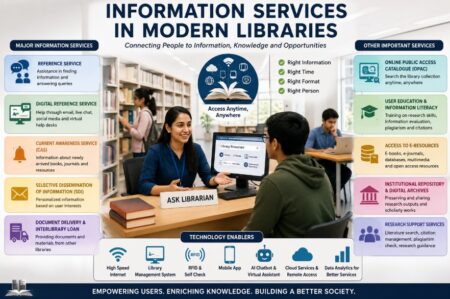
Another important component of digital information services is digital reference services, where libraries provide virtual assistance to users seeking information. Chatbots, email support, and virtual consultations have become common tools for helping library users navigate digital resources and answer questions, often in real-time. These services enhance user experience by providing immediate assistance without requiring in-person interaction.
Digital Information Services represent the convergence of technology and information management, offering users an efficient and flexible way to access, manage, and preserve digital content. Whether through remote access to research databases, online learning platforms, or digital preservation of historical records, these services are transforming how individuals and organizations interact with information in the modern world.
Key Components of a Digital Information Service
Digital Information Services (DIS) encompass a variety of elements that work together to provide users with efficient and effective access to digital resources. These services are primarily designed to support information retrieval, management, and preservation through electronic means, utilizing technology to bridge the gap between users and the wealth of digital content available. The key components of a digital information service include:
- Digital Content and Resources: At the core of any digital information service is the content it delivers. This includes digital assets such as e-books, online journals, databases, multimedia files (videos, podcasts), and other forms of digital publications. The content is typically available through web-based platforms, ensuring that users can access it remotely. Examples include online libraries, e-journal databases, and multimedia archives.
- Information Retrieval Systems: Information retrieval is one of the central functions of a digital information service. These systems, such as search engines or online catalogs, enable users to efficiently find and retrieve specific digital resources. Advanced search features, metadata, indexing, and filtering tools enhance the ability to pinpoint the most relevant content based on user queries. Systems like Google Scholar or Library OPACs (Online Public Access Catalogs) are prime examples of such retrieval mechanisms.
- User Interface and Access Platforms: The user interface (UI) is a critical component that determines how users interact with digital information services. A well-designed interface should be intuitive and easy to navigate, ensuring users can access the resources they need with minimal effort. This includes web portals, mobile apps, and platforms like Moodle for learning management or JSTOR for research databases. A responsive UI enhances the user experience and facilitates smooth navigation across various devices, such as laptops, tablets, and smartphones.
- Authentication and Access Control: To ensure secure and authorized access to resources, digital information services often require user authentication. This can include login credentials or IP-based access, as is common in academic libraries. For example, OpenAthens is used by many universities to provide remote access to subscribed databases while ensuring that only authorized users (students, faculty, staff) can access certain materials. This component is vital for protecting copyrighted material and sensitive data.
- Digital Preservation and Archiving: Digital preservation is essential for maintaining the long-term accessibility and integrity of digital resources. Digital information services often incorporate strategies for preserving content in digital formats to ensure that it remains available for future use. This includes strategies like backups, version control, and long-term storage solutions. For instance, services like Internet Archive provide access to archived websites, books, and multimedia content, safeguarding digital resources for future generations.
- Digital Reference Services: Digital reference services are tools that allow libraries and institutions to assist users remotely. These services may include virtual chat, email support, or automated help systems (such as chatbots) that provide answers to user queries or guide users to relevant resources. Libraries offering digital reference services ensure that users can obtain the help they need without being physically present.
- Content Management Systems (CMS): Content Management Systems are the platforms used to store, manage, and update the digital content that is made available to users. These systems ensure that resources are organized, updated, and accessible to users in an orderly fashion. Drupal, WordPress, and DSpace (used in institutional repositories) are examples of CMS platforms that support digital information services by facilitating content organization and delivery.
- Training and User Support: To help users make the most of digital resources, many digital information services include training modules, tutorials, and user support options. These might be available as online guides, video tutorials, or live help sessions that instruct users on how to search effectively, navigate digital platforms, and utilize the tools available to them. Libraries may also offer information literacy programs to educate users on proper research methods, citation practices, and how to critically evaluate online resources.
Digital information services rely on an integrated set of components that ensure users have seamless access to, efficient retrieval of, and the ability to manage and preserve digital content. These key elements, including content, access platforms, security mechanisms, and support services, work together to enhance the overall experience for users, transforming the way we interact with information in the digital age.
How Digital Information Services Benefit Academic Institutions and Libraries
In today’s fast-paced, information-driven world, academic institutions and libraries are increasingly adopting digital information services (DIS) to meet the evolving needs of students, faculty, and researchers. These services, which include access to digital resources, information retrieval systems, digital reference services, and preservation solutions, are reshaping the way knowledge is accessed, organized, and shared. The integration of digital information services provides numerous advantages to academic institutions and libraries, enhancing their ability to support learning, research, and administrative functions. Below are several key ways in which digital information services benefit these organizations.
- Improved Access to Resources: One of the most significant benefits of digital information services is the enhanced accessibility of resources. Academic libraries traditionally operated within physical spaces, limiting access to resources during business hours and for users who could physically visit the library. With the introduction of digital resources like e-books, online journals, and academic databases, users can access a wealth of information from anywhere in the world at any time. For example, students and faculty can access databases such as JSTOR, Emerald, Springer, IEEE explore or ProQuest remotely, facilitating learning and research even when they are off-campus. This 24/7 access to academic resources is particularly beneficial for distance learners, part-time students, and faculty engaged in global collaborations.
- Facilitating Remote Learning and Research: As academic institutions increasingly adopt online and hybrid learning models, digital information services play a crucial role in supporting these initiatives. Learning Management Systems (LMS) like Moodle, Blackboard, or Canvas allow institutions to deliver coursework, assignments, and lectures digitally. Students can access course materials, participate in discussions, and submit assignments online, enhancing the learning experience. Moreover, digital information services provide faculty and researchers with access to cutting-edge research materials, improving the quality and depth of their scholarly work. The ability to easily access relevant academic papers, books, and data helps researchers stay updated with the latest advancements in their field.
- Enhanced Research Capabilities: Digital information services significantly enhance the research capabilities of both students and faculty by providing access to a vast array of academic resources that might otherwise be unavailable. Online databases and digital repositories host an extensive collection of scholarly articles, research papers, theses, and reports that researchers can use to further their studies. This access to peer-reviewed and high-quality content enables more rigorous and in-depth research. For instance, academic libraries often subscribe to Google Scholar, PubMed, or Scopus, which offer comprehensive search capabilities that help scholars locate relevant research quickly and efficiently.
In addition, digital information services offer tools for managing references, such as Mendeley, Zotero, and EndNote. These tools help researchers organize and cite sources efficiently, saving valuable time and improving the accuracy of citations. Digital research management has made scholarly work more streamlined and effective. - Cost-Effective Resource Management: Managing a library’s collection of books, journals, and other physical materials can be resource-intensive, requiring significant financial investment in acquisition, storage, and maintenance. Digital information services allow academic libraries to reduce the costs associated with traditional print materials. E-books and digital journals, for example, eliminate the need for physical storage space, and can often be shared with multiple users simultaneously, reducing duplication of resources. In addition, digital resources can be updated more easily, ensuring that the content remains current without the need for costly new print editions. Furthermore, digital information services can support better resource management by offering centralized access to a wide range of materials, thus eliminating the need to maintain physical copies of every resource.
- Digital Preservation and Long-Term Access: Digital information services play an essential role in preserving academic materials for future generations. Unlike physical materials, which can deteriorate over time due to environmental factors, digital content can be stored and archived with technologies that ensure long-term access. Libraries can use Digital Preservation strategies to protect and maintain electronic resources in formats that are accessible long into the future. This is especially important for rare and historical materials that may not be available in digital format elsewhere. Services like Internet Archive or HathiTrust help ensure that valuable academic and cultural content is preserved digitally, making it accessible to future scholars and researchers.
- Supporting Information Literacy and User Education: Digital information services also support information literacy programs in academic institutions and libraries. By providing training on how to use digital resources, databases, and research tools effectively, libraries help students and faculty enhance their information literacy skills. This is critical in today’s world, where the ability to find, evaluate, and use information efficiently is a key academic skill. Libraries offer workshops, online tutorials, and one-on-one support to assist users in navigating digital resources, using advanced search techniques, and avoiding issues like plagiarism. These services empower users to make the most of available resources and conduct effective research.
- Enhanced Collaboration and Sharing: Digital information services foster collaboration and knowledge-sharing among academic communities. Faculty, researchers, and students can collaborate more easily by sharing documents, data, and research findings through digital platforms. Online repositories and shared workspaces make it easier to collaborate on research projects, share information, and provide feedback in real-time, even across geographical boundaries. For example, institutional repositories like DSpace allow institutions to store and share research outputs and academic publications, increasing visibility and impact.
Digital information services are transforming academic institutions and libraries by providing improved access to resources, supporting research and learning, offering cost-effective solutions, and ensuring long-term preservation of materials. These services are critical in enhancing the academic experience for students, faculty, and researchers, while also ensuring that libraries remain vital, innovative hubs of knowledge. As digital technology continues to evolve, the role of digital information services will only become more integral to the success of academic institutions, helping them to meet the demands of a rapidly changing information landscape.
Types of Digital Resources Accessible Through Digital Information Services
Digital Information Services (DIS) provide a wide variety of digital resources that can be accessed remotely by users, offering convenient and efficient access to critical information. These resources are essential for academic institutions, libraries, and other information-focused organizations as they support research, learning, and professional development. Here are the primary types of digital resources that can be accessed through these services:
- E-books: E-books are digital versions of traditional printed books that can be accessed on various devices such as computers, tablets, and e-readers. These digital books are often available through library subscriptions, online retailers, or digital repositories. For example, platforms like Google Books, Project Gutenberg, and Amazon Kindle provide access to a wide range of e-books, from fiction to academic textbooks.
- Online Journals and Scholarly Articles: Digital information services provide access to a broad range of academic journals and scholarly articles in various disciplines. Through platforms like JSTOR, PubMed, ScienceDirect, and IEEE Xplore, users can access peer-reviewed papers, research reports, and scientific publications. These resources are invaluable for students, researchers, and academics conducting literature reviews or staying up to date with the latest developments in their field.
- Databases: Academic databases contain vast collections of structured data, including research papers, books, conference proceedings, patents, legal cases, and statistical information. Digital information services enable access to specialized databases like Scopus, ProQuest, ERIC (Education Resources Information Center), and LexisNexis, which allow users to search and retrieve specific information from various fields such as business, law, healthcare, and social sciences.
- Multimedia Resources: Digital information services also provide access to multimedia content such as videos, audio recordings, images, and interactive graphics. Platforms like YouTube, Vimeo, and Mediasite offer educational videos and recorded lectures, while libraries may also offer access to specialized educational films, podcasts, and virtual reality content that support learning and research.
- Institutional Repositories: Many academic institutions host their own digital repositories, which store and share research outputs, dissertations, theses, conference proceedings, and other academic works. These repositories provide open access to scholarly materials produced within the institution. Examples include DSpace, EPrints, and institutional archives, which preserve and disseminate the intellectual output of universities and research organizations.
- Digital Archives: Digital archives preserve historical and cultural resources in digital formats. These resources include newspapers, manuscripts, historical documents, photographs, maps, and audio-visual content. Examples include The National Archives Digital Service, Internet Archive, and HathiTrust, which provide access to collections of digitized historical content, allowing users to explore primary sources and rare materials.
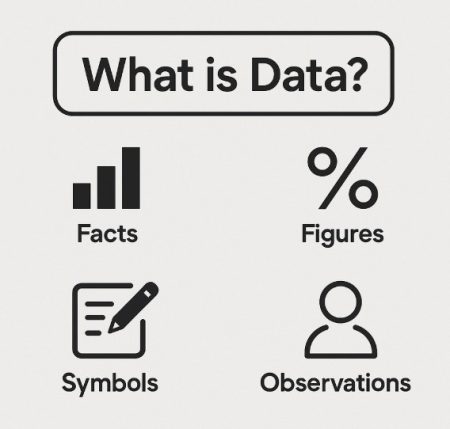
- Research Data: Digital information services facilitate access to research datasets, which are essential for academic research and scientific discovery. These datasets might include statistical data, experimental results, surveys, and observational data across various domains. Repositories like ICPSR (Inter-university Consortium for Political and Social Research) and Figshare allow researchers to access and share data sets for further analysis and collaboration.
- Online Reference Works: Online reference works include dictionaries, encyclopedias, atlases, and other specialized reference materials that can be accessed digitally. Services like Oxford Reference, Encyclopaedia Britannica, and Cambridge English Dictionary offer reliable, searchable resources for quick information, providing academic and general reference content at users’ fingertips.
- Digital Theses and Dissertations: Many academic institutions provide access to digital versions of theses and dissertations through online repositories. These resources are invaluable for graduate students, researchers, and faculty who are looking for in-depth research on a particular topic. ProQuest Dissertations & Theses Global is an example of a platform that offers access to millions of dissertations and theses from universities around the world.
- Electronic Magazines and Newspapers: Digital information services also provide access to a wide range of digital magazines and newspapers, offering news, articles, and reports in a variety of formats. Examples include PressReader, which provides access to current newspapers and magazines, and The New York Times Digital Edition, which offers online access to its articles and archives.
- Open Access Resources: Open access resources are scholarly materials that are freely available for anyone to access. These include articles, research papers, and books that are made available under open access licenses. Services like DOAJ (Directory of Open Access Journals) and Open Access Button provide access to millions of open access resources that are free to read and reuse.
- Online Courses and Learning Platforms: Digital information services also offer access to massive open online courses (MOOCs) and other educational resources. Platforms like Coursera, edX, Khan Academy, and Udemy provide access to educational content in the form of video lectures, interactive quizzes, and assignments. These platforms support learners by offering courses on a wide range of subjects, from humanities to STEM fields.
- Government and Legal Documents: Many digital information services offer access to government publications, legal documents, and public records. Services like GovInfo (U.S. Government Publishing Office), LegalTrac, and Westlaw provide access to important legal resources, such as case law, statutes, regulations, and government reports, which are crucial for legal research and public policy analysis.
Digital information services provide an extensive range of digital resources that support learning, research, and professional activities across various disciplines. Whether it is accessing scholarly articles, historical documents, multimedia content, or open-access data, these resources offer unparalleled convenience and accessibility to users, making it easier than ever to find and utilize information for academic and professional purposes.
Technologies Used to Deliver Digital Information Services
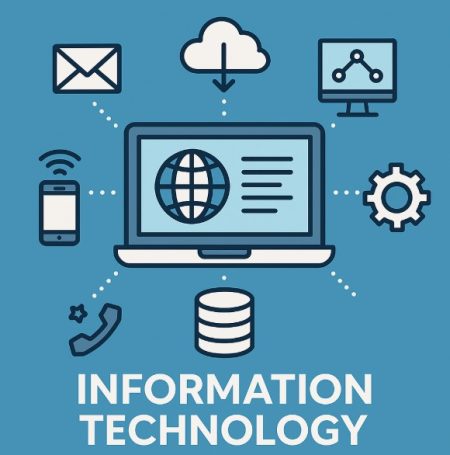
Digital Information Services (DIS) rely on various technologies that enable efficient access, management, and dissemination of digital resources. These technologies are the backbone of modern libraries, educational institutions, and information organizations, allowing users to access resources remotely, collaborate, and store data securely. The integration of these technologies has transformed the way information is accessed and interacted with, facilitating seamless digital experiences for users. Below are the key technologies used to deliver digital information services:
- Cloud Computing: Cloud computing is one of the most critical technologies for digital information services. It allows organizations to store large amounts of data on remote servers, providing scalable and cost-effective solutions for data management and access. Cloud-based platforms enable users to access resources anytime, anywhere, as long as they have an internet connection. Popular cloud storage services like Google Drive, Dropbox, and Amazon Web Services (AWS) are used by institutions to host digital resources, manage large datasets, and provide scalable access to services like databases and learning management systems.
- Content Management Systems (CMS): Content Management Systems (CMS) are essential tools for organizing, managing, and delivering digital content. These platforms allow institutions to store, categorize, and update digital resources efficiently, making them accessible to users. Systems like Drupal, WordPress, and Joomla provide flexible frameworks for managing websites, institutional repositories, and digital libraries. For example, DSpace and EPrints are specialized CMS platforms used by libraries and academic institutions to manage institutional repositories, allowing faculty, students, and researchers to upload, organize, and access academic work.
- Integrated Library Systems (ILS): Integrated Library Systems (ILS) are software platforms that allow libraries to manage their collections, track user activity, and facilitate access to digital resources. ILS tools provide functionalities such as cataloging, circulation, user management, and e-resource management. Popular ILS tools include Koha, Alma, and Ex Libris, which help libraries integrate their physical and digital collections, making resources available for borrowing, viewing, or downloading. These systems streamline library operations and improve user access to both physical and digital resources.
- Digital Repositories and Databases: Digital repositories and databases are crucial technologies for storing, organizing, and sharing digital information. These systems ensure that academic and research content, such as journals, articles, theses, and datasets, is preserved and easily accessible. Platforms like PubMed, JSTOR, and Google Scholar are examples of databases that provide access to scholarly articles and research papers. DSpace and Fedora are commonly used digital repositories for institutional content, enabling organizations to create their own online archives for research output, educational materials, and historical records.
- Search Engines and Discovery Tools: Search engines and discovery tools are designed to help users find digital content efficiently. These technologies provide powerful indexing and retrieval capabilities, allowing users to search vast amounts of information across different digital platforms. Google Search, EBSCOhost, and ProQuest are popular discovery tools in academic settings, helping users locate books, articles, and other resources quickly. Library-specific search tools like Primo and Summon allow users to search a library’s entire digital and physical collection simultaneously, enhancing the efficiency of information retrieval.
- Virtual Learning Environments (VLEs) and Learning Management Systems (LMS): Learning Management Systems (LMS) and Virtual Learning Environments (VLEs) are technologies used by educational institutions to deliver online courses, materials, and assessments. These platforms allow teachers and students to interact digitally, providing access to a wide range of educational resources, including lectures, assignments, forums, and quizzes. Examples of popular LMS platforms include Moodle, Blackboard, and Canvas. These systems help manage the educational experience and support remote learning, which has become especially important in the age of online education and distance learning.
- Digital Preservation Technologies: Ensuring the long-term accessibility and preservation of digital content is crucial in digital information services. Digital preservation technologies focus on the storage, management, and protection of digital materials to ensure they remain accessible over time, even as technology evolves. Tools like Lockss (Lots of Copies Keep Stuff Safe), Archivematica, and Preservica are used to maintain the integrity and accessibility of digital assets, such as e-books, articles, and multimedia content, in the face of changing file formats and software obsolescence.
- Authentication and Access Control Technologies: Authentication and access control systems are essential for ensuring that only authorized users can access digital resources, especially when dealing with sensitive or copyrighted materials. Technologies such as Single Sign-On (SSO), OpenAthens, and Shibboleth enable institutions to control access to digital information by verifying users’ credentials and roles. These systems ensure that users—whether students, faculty, or researchers—can access resources securely, both on-campus and remotely, without compromising security.
- Mobile Technologies: Mobile technologies are increasingly integrated into digital information services, providing users with access to digital content and services on smartphones and tablets. Libraries and institutions now offer mobile-friendly websites, apps, and e-book readers that enable users to access information on-the-go. For example, Libby and OverDrive offer e-book borrowing services for libraries through mobile apps, allowing users to read books digitally from their devices. Many academic libraries also offer mobile apps to enable users to search the catalog, check out materials, and access digital resources.
- Artificial Intelligence and Machine Learning: Artificial Intelligence (AI) and Machine Learning (ML) are transforming how digital information services are delivered. AI-powered chatbots, such as those used in library help desks, assist users in finding resources, answering questions, and navigating digital systems. AI-driven recommendation engines, like those used by platforms such as Amazon or Spotify, are also being applied in libraries to suggest relevant academic articles, books, or journals based on a user’s search history or research profile. Machine learning is used to improve search algorithms and enhance user experience by personalizing content delivery.
Digital information services rely on a variety of advanced technologies that enable institutions to manage and deliver resources efficiently, ensuring that users have easy access to the information they need. From cloud computing and content management systems to AI and machine learning, these technologies streamline access to digital resources, improve information retrieval, and ensure the long-term preservation of knowledge. As technology continues to evolve, the delivery of digital information services will become even more seamless, efficient, and user-friendly, benefiting both institutions and users worldwide.
How Digital Information Services Assist with Research and Academic Writing
Digital information services play a crucial role in enhancing research and academic writing by providing researchers, students, and academics with easy access to a vast array of resources and tools that support every stage of the research process. From accessing scholarly articles to managing references and ensuring the quality of written content, these services offer invaluable assistance in producing high-quality academic work. The integration of digital tools and platforms into the research and writing process significantly improves efficiency, facilitates collaboration, and helps ensure the integrity and accuracy of academic writing.
One of the most direct ways digital information services support research is by providing access to a wealth of scholarly articles, journals, and databases. Platforms like JSTOR, PubMed, Google Scholar, and ProQuest offer researchers a comprehensive selection of peer-reviewed articles, research papers, and academic publications. These services allow users to conduct detailed literature reviews by quickly searching and retrieving relevant studies, theories, and data in their field of research. The ability to access scholarly resources remotely, often from anywhere in the world, ensures that researchers can stay updated on the latest academic developments and incorporate current findings into their work.
In addition to access to academic articles, digital repositories and institutional archives provide access to theses, dissertations, and other academic documents, which are particularly useful for researchers looking to build on existing work. Platforms such as DSpace and EPrints allow universities and research institutions to store and share research outputs, making it easier for scholars to access prior work and avoid redundancy in their research efforts. These repositories ensure that academic knowledge is disseminated, preserved, and easily retrievable, thus enhancing collaboration and cross-pollination of ideas.
Digital information services also provide a range of tools for managing references and citations, which are essential for maintaining academic integrity and ensuring proper attribution. Software tools such as Mendeley, Zotero, and EndNote help researchers collect, organize, and manage their references efficiently. These tools enable users to store citations, organize research notes, and even generate bibliographies in different citation styles (APA, MLA, Chicago, etc.). By automating the citation process, these tools save valuable time and reduce the likelihood of citation errors, allowing researchers to focus more on their analysis and writing. Furthermore, search engines and discovery tools enhance research efficiency by providing advanced search features that allow users to find highly specific resources. Tools like Primo, Summon, and WorldCat aggregate resources from multiple databases, enabling researchers to search across a wide range of materials, including books, journal articles, reports, and conference proceedings, all from a single platform. These tools often include features like filtering by subject, date, or resource type, which streamline the search process and help users quickly identify relevant sources.
In the context of academic writing, digital information services provide writing aids and plagiarism detection tools that help improve the quality of written content. Services like Grammarly offer grammar and style checking tools, helping writers refine their language and improve clarity, coherence, and readability. Additionally, Turnitin and similar plagiarism detection software ensure the originality of academic work by checking for potential instances of plagiarism. These tools compare the text against a database of academic publications, online content, and previously submitted work to identify any similarities, helping writers avoid inadvertent plagiarism and maintain academic integrity.
Another valuable service offered by digital platforms is access to collaboration tools. Many researchers and academic writers work in teams, and digital information services provide platforms for sharing documents, collaborating on research, and managing projects. Tools like Google Docs, Microsoft OneDrive, and Dropbox enable multiple users to work on the same document simultaneously, making it easier to gather input, revise drafts, and track changes. This collaborative approach is essential in fields where interdisciplinary research or group work is common.
Finally, digital reference services play a key role in providing additional support for researchers and academic writers. Through live chat, email consultations, and even virtual meetings with librarians or research specialists, users can get help navigating resources, refining research questions, and locating hard-to-find materials. Many libraries also offer research guides and online tutorials that help users improve their research and writing skills, further enhancing the effectiveness of their academic work.
Digital information services significantly enhance research and academic writing by providing efficient access to scholarly resources, tools for managing references, aids for improving writing quality, and platforms for collaboration. These services streamline the research process, reduce administrative burdens, and ensure that academic writing meets the highest standards of quality and integrity. As digital technologies continue to evolve, these services will only become more sophisticated, further empowering researchers and writers to produce meaningful and impactful academic work.
Types of Training and Support Provided to Users of Digital Information Services
Digital information services are integral to academic institutions, libraries, and organizations, offering users access to a vast array of resources and tools. However, simply providing access to these resources is not enough. To ensure that users can effectively navigate, utilize, and benefit from these services, various forms of training and support are typically provided. These training programs aim to enhance users’ skills in information retrieval, research management, digital literacy, and ethical use of digital resources. Below are some common types of training and support offered to users of digital information services.
- Workshops and Hands-On Training Sessions: Many institutions offer workshops and hands-on training sessions to help users become familiar with digital tools and resources. These workshops may cover a range of topics, from basic information retrieval techniques to advanced research strategies. For example, libraries may host training sessions on how to use library databases, how to conduct effective literature reviews, or how to utilize citation management tools like Mendeley or EndNote. These sessions are often interactive, allowing users to practice using the tools with guidance from library staff or trainers, ensuring they gain practical experience.
- Online Tutorials and Webinars: For users who cannot attend in-person workshops or prefer to learn at their own pace, online tutorials and webinars are valuable resources. These on-demand learning materials are often available through the library’s website or learning management systems. Online tutorials might cover topics such as using discovery tools like Primo or Summon, searching for academic articles, or navigating digital archives. Webinars, which are live or recorded online seminars, can address more specialized topics, such as advanced search techniques or how to use specific databases like PubMed or Scopus for research. These resources provide flexibility for users to access training when and where it suits them.
- Reference and Research Assistance: One of the most personalized forms of support provided by digital information services is reference assistance. Librarians or research support staff offer help in finding relevant information, answering research-related queries, and guiding users on how to effectively use digital resources. This can be in the form of one-on-one consultations, virtual consultations, or even live chat services (such as chatbots or library help desks). These services help users understand how to structure their research, identify suitable sources, and use digital platforms more effectively. This support is often available both in-person and remotely, ensuring users can receive help no matter where they are located.
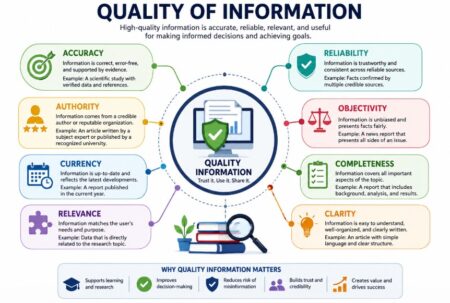
- Information Literacy Programs: Information literacy is a core aspect of digital information services, and many institutions offer programs designed to develop users’ ability to evaluate, use, and create information ethically and effectively. These programs often include curriculum-integrated instruction for students, covering key skills such as how to conduct research, evaluate sources for reliability, and avoid plagiarism. Many libraries offer information literacy courses or modules that teach users how to navigate digital databases, critically assess digital information, and apply appropriate citation styles. These programs are especially crucial for academic success, ensuring that users not only find information but also understand how to use it responsibly and ethically.
- User Guides and FAQs: Another essential form of support provided by digital information services is user guides and FAQs (Frequently Asked Questions). These resources are often available on the library or institution’s website, offering step-by-step instructions on how to access, use, and troubleshoot digital tools. User guides may cover everything from basic database searches to more complex tasks, such as downloading e-books, managing research citations, or accessing resources remotely via VPNs. FAQs help users resolve common issues quickly, such as login problems or difficulty finding specific resources, reducing the need for direct support.
- Customized Research Consultations: Some libraries and digital information services offer customized research consultations tailored to the specific needs of individual users or groups. These consultations may involve one-on-one or small group meetings where library staff assist users in developing research strategies, identifying key resources, and refining search queries. For academic research, these consultations help students, faculty, and researchers at various stages of their projects. For example, a librarian may assist a graduate student with narrowing down a research question, finding relevant academic papers, and managing references using tools like Zotero.
- Technical Support for Digital Tools: As digital information services increasingly rely on technology, technical support is vital for ensuring that users can access and make use of these services effectively. Many institutions provide dedicated help desks or IT support services to assist with troubleshooting issues related to accessing databases, using citation management tools, or navigating e-resource platforms. This support is typically available through email, phone, or live chat, helping users resolve issues related to software compatibility, login problems, or navigating digital systems.
- Collaborative Learning and Research Platforms: Some institutions also support collaborative learning and research through digital platforms that allow users to work together on projects or share resources. These platforms may include shared workspaces, discussion forums, and document sharing systems that enable students and researchers to collaborate on research and writing projects. These platforms often come with integrated support tools, such as real-time editing, annotation, and feedback features, which encourage collaborative academic work and enhance learning.
Digital information services provide a comprehensive range of training and support to help users maximize the value of the resources available to them. Through workshops, tutorials, personalized reference assistance, information literacy programs, user guides, and technical support, these services ensure that users can effectively navigate the complexities of digital resources. By offering these forms of training and support, digital information services empower users to become more proficient in their research and academic work, improving their ability to find, use, and evaluate information in a responsible and efficient manner. As digital technologies continue to evolve, the support offered to users will adapt, further enhancing the accessibility and utility of digital information services.