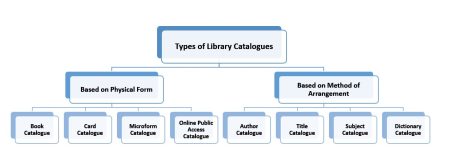
The traditional library catalog has long been a cornerstone of library management, playing a crucial role in organizing vast collections of materials and providing users with a means to access resources efficiently. Before the digital age revolutionized information retrieval, libraries relied on manual systems to catalogue and classify books, journals, and other materials. The traditional catalog, often maintained in the form of a card catalog, was the primary tool for librarians and patrons alike to navigate the library’s holdings. It served as a systematic listing of resources, often arranged alphabetically by author, title, or subject, and helped users locate specific items within the physical space of the library. This cataloging system facilitated easy retrieval of books, ensuring that patrons could find materials based on their particular needs, whether by author, topic, or publication date. The traditional library catalog was an indispensable tool, providing structure to libraries and fostering an organized approach to managing the wealth of information available in physical formats. Even though digital cataloging systems have since emerged, the traditional library catalog remains an essential part of library history, reflecting the early efforts to organize and share knowledge.
How Traditional Catalogs Support the Search for Library Materials
Traditional library catalogs have been the backbone of library systems for centuries, helping users find and access the wealth of resources within a library’s collection. Though digital catalog systems have largely taken over in modern libraries, traditional catalogs remain important in library history. They offered a systematic and structured approach to organizing and retrieving materials before the advent of electronic systems. Here’s how traditional catalogs facilitate the search process:
- Alphabetical Arrangement: One of the most significant ways traditional catalogs supported the search for materials was through their alphabetical arrangement. The catalog entries were typically organized alphabetically by author, title, or subject, making it easy for users to locate specific items. For example, if a library user wanted to find works by Shakespeare, they would browse through the catalog under “S” for Shakespeare. If they were searching for a book by a specific author, they could look under the author’s last name. This method of organization allowed users to intuitively navigate the catalog and find the information they were looking for quickly.
The simplicity of the alphabetical arrangement made traditional catalogs highly accessible, particularly for users with basic searching needs. It was an effective and straightforward system for users to find a book, journal, or other resource without needing any prior knowledge of library classification methods. - Call Numbers and Classification Systems: A key feature of traditional catalogs was the use of call numbers, which played a crucial role in supporting the search for library materials. Call numbers are unique identifiers assigned to each library item, helping organize resources based on subject or other criteria. Two of the most widely used classification systems were the Dewey Decimal Classification (DDC) and the Library of Congress Classification (LCC).
In a traditional catalog, each resource was assigned a call number that reflected its position in the library’s classification system. For example, a book about astronomy would have a Dewey call number starting with “500,” signifying its placement in the sciences section. A user looking for materials on astronomy would simply find the appropriate call number in the catalog, and the card would direct them to the correct section on the library shelves.
Call numbers helped organize books by subject and made it easy for library users to find related materials. For example, a user searching for historical resources could easily locate all materials on history in the “900” section of the Dewey system. The organization provided by call numbers ensured that books on similar topics were grouped together, making it easier for users to find relevant materials. - Bibliographic Information on Each Card: Every entry in a traditional catalog card contained key bibliographic information about the resource, which helped users identify and verify the materials they were looking for. Typically, the card would include the following information:
-
- Author’s Name: The main author or creator of the work.
- Title: The title of the work.
- Publisher and Publication Date: Details about the publisher and when the resource was published.
- Edition: The specific edition or version of the resource.
- Call Number: The unique identifier that indicated where the item could be found on the library shelves.
- Subject Heading: A brief description of the material’s subject or theme.
This detailed bibliographic information allowed users to search for materials precisely. For instance, a user might be searching for a specific book edition, and the catalog card would provide enough information to confirm that they were looking at the correct resource. By including general and specific details, traditional catalog cards helped users avoid confusion, ensuring they found the correct book or article.
-
- Subject Headings and Indexing: Another key feature of traditional catalogs was the inclusion of subject headings and indexing. Subject headings were brief descriptions or keywords that categorized the content of a resource. These headings allowed users to search for materials based on their topic of interest, even if they didn’t know the specific title or author.
For example, if a user was interested in the topic of “World War II,” they could search the catalog using the subject heading “World War II” and find all materials related to that topic. Subject headings helped users explore broader topics and locate related materials within the library, promoting the discovery of resources they may not have initially considered.
Subject indexing also allowed libraries to create comprehensive subject-based catalogs, helping to organize resources into broader themes. This system helped users access not just individual books but entire collections of related materials. It also ensured that users could find resources even if they were unsure of the exact title or author as long as they knew the subject matter. - Manual Search Process and Engagement: Although searching a traditional catalog was manual, it allowed users to engage with the materials more thoughtfully. Users would physically browse through the cards, scanning the entries to find what they were looking for. This process encouraged a deeper familiarity with the library’s collection, as users would often come across other materials that might be relevant to their research or interests.
For example, when searching for a specific author, a user might also find related books on a similar topic or by a different author. This browsing process helped users discover additional resources that they might not have initially considered, broadening their knowledge and encouraging exploration.
In addition to individual searching, traditional catalogs also fostered interaction between users and library staff. If a user had trouble finding a specific item, they could ask a librarian for help. This personal assistance encouraged a sense of community and collaboration, making the library experience more engaging and supportive. - Physical Experience and Visual Cues: One of the unique advantages of traditional catalogs was the physical experience they provided. As users manually browsed through the cards, they were able to visually scan related entries, which was often easier than scrolling through digital results. For example, when searching for an author’s works, a user could visually identify all of the author’s books listed together in the catalog, making it easier to spot any editions or related titles. This tactile and visual aspect helped users become familiar with the organization of the library and increased their ability to navigate the collection effectively.
Traditional catalogs were invaluable tools that supported the search for library materials in an efficient and organized manner. Their alphabetical arrangement, call numbers, detailed bibliographic information, subject headings, and manual search process helped users locate the materials they needed while fostering a deeper connection with the library’s resources. Although digital catalog systems have largely replaced traditional ones, understanding how these older systems supported the search for materials offers insight into the evolution of library management and the importance of organization in making knowledge accessible.
Search Methods in a Traditional Library Catalog
A traditional library catalog offers several search methods that enable users to locate materials within the library’s collection. These search methods are based on different criteria, allowing users to efficiently find books, journals, and other resources. The primary search methods in a traditional catalog include author, title, subject, keyword, call number, and edition or publication year searches.
The author search allows users to locate works by a specific author, making it ideal for those seeking a particular writer’s publications. For example, a user looking for works by William Shakespeare would search under “Shakespeare.” Similarly, a title search allows users to find materials by their exact title. This method is helpful when users know the specific name of the book or article but may not be familiar with the author. The subject search enables users to find materials related to a particular topic, even if they do not know the title or author, by using subject headings or keywords. For instance, searching for “history of World War II” would display all relevant resources on that topic.
While traditional catalogs are more limited in terms of keyword searches compared to digital systems, some catalogs allow users to search for specific keywords within the catalog’s records. This method could help users locate materials based on specific content or themes, such as “astronomy” or “environmental science.” Another key search method is the call number search, which enables users to search directly for a specific location of a material within the library using the call number associated with the resource. This method is particularly useful for locating a resource that the user has already identified or when searching within a specific classification system, such as the Dewey Decimal or Library of Congress systems. Lastly, a publication year or edition search allows users to locate a specific edition of a work or find materials published in a particular year, helping them find updated or specific versions of books and articles.
These search methods made traditional library catalogs highly effective for organizing and retrieving resources, even though they were manual and required physical browsing. Each search method catered to different needs, allowing users to locate the materials they were looking for in an organized, efficient way.
How a Traditional Catalog Helps Users Locate Materials by Author or Title
A traditional library catalog plays a vital role in helping users locate materials by author or title through its systematic organization. The catalog is typically arranged alphabetically by author, title, or subject, which makes it easy for users to search for specific works. When users want to find a resource by the author, they simply look for the author’s last name in the author section of the catalog. For example, a user searching for the works of William Shakespeare would navigate to the “Sh” section of the catalog, where all the catalog cards for his works would be listed, enabling the user to identify and locate any of Shakespeare’s writings in the library’s collection.
Similarly, when searching by title, the traditional catalog allows users to find the exact name of the resource in the title section, arranged alphabetically. This method is particularly helpful when the user knows the exact name of the book or article but is uncertain about the author. For instance, if a user is looking for Pride and Prejudice by Jane Austen, they would find the catalog entry under “P” for Pride and Prejudice, along with the bibliographic information, including the author’s name, publisher, edition, and call number.
In both cases, the catalog card for each work contains detailed bibliographic information that aids users in confirming they have found the correct material. The call number listed on each catalog card directs the user to the exact location of the resource on the library shelves. Therefore, the traditional catalog system helps users identify materials by author or title and find their physical location within the library, ensuring efficient access to the resources they need.