Digital archives represent a pivotal advancement in the field of information management, transforming how we store, preserve, and access vast amounts of data. As society has increasingly relied on digital technologies, the preservation of information has evolved from traditional, physical methods—such as paper documents, microfilms, and card catalogs—to more efficient and scalable digital solutions. In the past, the task of archiving materials involved labor-intensive processes of physical storage, limited by space, susceptibility to degradation, and the difficulty of retrieval. However, the emergence of digital archives has significantly addressed these challenges by converting physical records into digital formats, making them more accessible, durable, and easily retrievable. Impact of Digital Archives
The importance of information preservation in the modern age cannot be overstated, especially as we face the rapid growth of digital content. Digital archives provide a more reliable means of safeguarding information and enhancing access to it, enabling users to retrieve materials remotely and almost instantaneously. For example, the United States Library of Congress and Europeana have digitized millions of historical documents, photographs, and manuscripts, making them available to a global audience. This transition to digital archiving has reshaped how libraries, museums, and research institutions manage their collections, offering unprecedented access to invaluable resources. Moreover, digital archives allow for more advanced cataloging, indexing, and searching, enabling users to find specific information quickly and efficiently, which was not possible in the traditional methods of archive management.
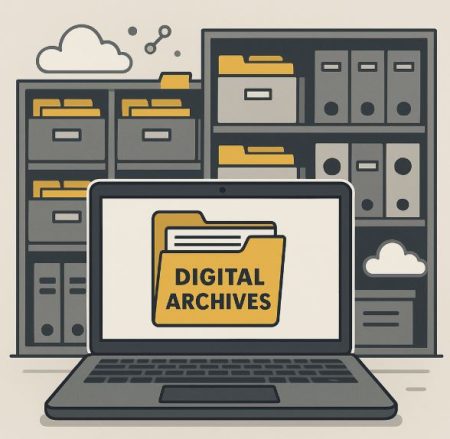
This shift to digital methods has also had a profound impact on how organizations think about long-term data storage. With innovations in cloud computing and digital preservation technologies, data is no longer confined to physical spaces; it can be securely stored and backed up across multiple platforms, ensuring its longevity. In an era where information is increasingly seen as a valuable asset, the rise of digital archives has provided a critical tool for preserving our cultural heritage and facilitating ongoing research and knowledge sharing.
Historical Context: From Physical to Digital Archives
The transition from physical to digital archives is a significant chapter in the history of information management, driven by technological advancements and the increasing need for more efficient and accessible methods of storing and retrieving information. Traditionally, archival systems were reliant on physical formats, such as paper documents, photographs, maps, and microfilm. These methods had their limitations, particularly in terms of space, accessibility, and preservation.
- Traditional Archival Systems: Before the advent of digital technologies, archives were primarily stored in physical formats. Libraries, museums, and other information institutions maintained vast collections of paper-based materials, which were categorized and stored in physical spaces such as filing cabinets, shelves, or microfilm reels. The preservation of these materials was a delicate task, as paper could degrade over time due to environmental factors like humidity, temperature fluctuations, and exposure to light. Archival practices, therefore, included regular checks for deterioration, conservation efforts, and sometimes the use of specialized storage conditions to slow down the decay of physical items. Moreover, physical archives posed significant challenges in terms of accessibility. Information retrieval was often a slow, labor-intensive process. To access a specific document, researchers had to navigate through large volumes of materials, often requiring manual cataloging or card indexes to guide them. These systems, though effective to some extent, were not always user-friendly and limited the speed with which information could be accessed, especially when archives were large.
- The Emergence of Digital Archiving: The rise of digital technology in the late 20th century revolutionized how archives were maintained. With the development of computer systems and the internet, institutions began experimenting with digitizing their collections. The initial steps involved scanning paper documents and converting physical records into digital formats. This process, often referred to as digitization, enabled the preservation of original materials in digital form, allowing for easier storage, faster retrieval, and greater access to information.
One of the first significant milestones in digital archiving was the Digital Library Initiative (DLI) creation in the late 1990s, which aimed to digitize and preserve historical and cultural content. The rise of Optical Character Recognition (OCR) technology made it possible to scan documents and make them searchable by converting printed text into machine-readable formats. This breakthrough greatly improved access to archives, allowing users to perform text-based searches on documents, which was previously impossible in physical archives. - Key Developments in Digital Archives: As digital technologies advanced, so did the capabilities of digital archives. The creation of metadata standards, such as Dublin Core and MARC, allowed for more structured and standardized cataloging of digital materials, making them easier to search, categorize, and retrieve. By the 2000s, institutions around the world, such as the Internet Archive and Europeana, began to digitize large volumes of historical texts, images, and multimedia. These platforms offered free public access to a wealth of digital resources, democratizing information and making it accessible to global audiences.
The early 21st century saw the introduction of cloud storage, enabling institutions to store massive amounts of data without the need for physical infrastructure. This technology further expanded the reach and longevity of digital archives, ensuring that valuable information was not at risk of being lost due to physical damage or storage limitations. - The Shift in Archival Practices: As digital archives began to take shape, they significantly altered archival practices and the role of archivists. Digital archiving requires new skill sets, including knowledge of IT systems, data management, and digital preservation techniques. The focus of archivists shifted from physical preservation to ensuring the integrity and long-term accessibility of digital content. This included implementing strategies to combat digital obsolescence, such as regularly updating file formats and employing strategies for emulating outdated technologies.
Institutions also began to realize the importance of digital preservation to ensure that archived materials remained accessible over time. This included the development of systems for creating backup copies, migrating digital content to newer formats, and establishing secure access protocols to prevent unauthorized tampering or data loss.
The shift from physical to digital archives marks a monumental evolution in the management of information. While traditional methods of archival management were effective in their time, they were limited by space, accessibility, and preservation challenges. The digital age has ushered in a new era where information can be stored, accessed, and preserved in ways previously unimaginable. As digital technology continues to evolve, so too will the practices surrounding digital archiving, ensuring that valuable knowledge and historical records are accessible for future generations.
Technological Developments in Digital Archives
The shift from traditional paper-based archives to digital archives has been one of the most significant transformations in the field of information management. The need for robust and efficient systems to store, preserve, and retrieve information has grown exponentially as the world becomes more reliant on digital technology. Technological developments in digital archives have revolutionized the way institutions manage collections, providing increased efficiency, enhanced accessibility, and long-term preservation capabilities. Let’s explore the key technological advancements that have shaped the evolution of digital archives and their impact on information management practices.
1. Digitization: The Foundation of Digital Archives
The journey toward digital archiving begins with the process of digitization. This involves converting physical documents, photographs, audio recordings, and other materials into digital formats that can be stored and accessed electronically. Early methods of digitization involved scanning documents to create image files or PDFs. Over time, technologies such as Optical Character Recognition (OCR) were introduced, allowing scanned documents to be converted into machine-readable text.
OCR technology made it possible to extract text from scanned images and turn it into searchable content, dramatically improving the functionality of digital archives. For instance, instead of manually sifting through physical documents, users could now perform text-based searches to locate specific information quickly and easily. This marked a significant shift from traditional, manual archival methods to digital systems that allowed for much more efficient and accessible record-keeping.
2. Metadata Standards and Cataloging Systems
As digital archives expanded, so did the complexity of managing and organizing the vast amounts of data being generated. The creation of metadata standards became crucial to the effective management of digital content. Metadata refers to data that describes other data, providing important information about the content, such as the title, author, date of creation, and format. Without metadata, the process of locating and retrieving specific materials within digital archives would be chaotic and inefficient.
Several metadata standards were developed to address this challenge, including Dublin Core, MARC (Machine-Readable Cataloging), and PREMIS (Preservation Metadata: Implementation Strategies). These standards provided structured frameworks for cataloging digital resources and making them searchable. For example, Dublin Core’s 15 core elements, such as title, subject, and creator, have become widely adopted across digital archives to ensure consistency and ease of access. These cataloging systems have made digital archives more user-friendly, allowing both archivists and users to organize, search, and retrieve materials effectively.
3. Cloud Computing and Distributed Storage
As the volume of digital content grew, the limitations of traditional physical storage systems became apparent. This is where cloud computing has played a pivotal role in the evolution of digital archives. Cloud services provide scalable, cost-effective solutions for storing massive amounts of data without the need for expensive on-site infrastructure.
Cloud platforms such as Amazon Web Services (AWS), Google Cloud, and Microsoft Azure offer institutions the ability to store digital archives securely and efficiently. Cloud storage is not only more affordable than maintaining physical storage systems but also provides the benefit of remote access, enabling users to retrieve information from anywhere in the world. Cloud services also offer data redundancy and backup solutions, ensuring that valuable archival materials are protected against data loss from system failures or natural disasters.
In addition to cloud computing, digital archives can now leverage distributed storage systems, which spread data across multiple servers or data centers. This approach enhances the availability and durability of archived materials, ensuring that the information remains accessible and secure even in the event of a localized failure.
4. Digital Preservation Technologies
One of the most significant challenges in digital archiving is ensuring that digital content remains accessible and usable over time. As technology evolves, digital files can become obsolete or unreadable due to outdated formats or software. Digital preservation technologies have developed to combat this issue, ensuring the long-term accessibility of archived materials.
Format migration is one such preservation method, which involves transferring digital content from one format to another in order to ensure it remains usable as technology progresses. For instance, older video formats such as QuickTime might be migrated to more widely supported formats like MP4. Emulation is another method used to preserve digital content, where software is developed to replicate outdated systems or applications, enabling users to access files created on older platforms.
In addition to these methods, checksums and hashing techniques are commonly used to verify the integrity of digital files. These techniques generate a unique identifier based on the file’s content, allowing archivists to detect any corruption or alteration of the file over time. These digital preservation technologies are vital for ensuring the longevity of digital archives, allowing them to remain accessible and intact for future generations.
5. Artificial Intelligence and Automation in Digital Archives
In recent years, artificial intelligence (AI) and machine learning (ML) have begun to transform the field of digital archiving by automating many tasks traditionally performed by human archivists. AI can assist in a variety of ways, including the automatic generation of metadata, image recognition, and text analysis.
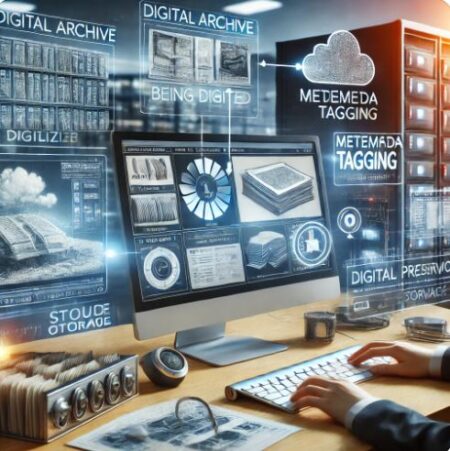
For example, AI-powered systems can analyze digital content such as images or documents and automatically generate metadata tags based on the content. This significantly reduces the time and effort required to manually tag each item in an archive. Additionally, AI can be used for content recognition, where algorithms are trained to identify and categorize images, people, or objects within archival materials. This is particularly useful for digitized photographs and videos, where manual tagging would be time-consuming and inefficient.
Natural Language Processing (NLP), a subset of AI, can be applied to analyze large volumes of text in digital archives, identifying trends, topics, and relationships between different documents. This technology allows researchers to quickly uncover patterns in historical data and analyze textual content on a much larger scale than would be possible manually.
6. Blockchain for Data Security and Provenance
As digital archives contain valuable and often sensitive information, ensuring the security and authenticity of archived materials is of utmost importance. Blockchain technology, which provides a decentralized, immutable ledger of transactions, has gained attention as a potential solution for ensuring the integrity of digital archives.
Blockchain can be used to track the provenance of digital materials, ensuring that the origin and history of a file are fully documented and cannot be altered. This is particularly valuable for legal, historical, and academic archives, where maintaining the authenticity of documents is critical. By using blockchain, institutions can create secure, transparent records of all actions taken on a digital file, including who accessed it, when it was last modified, and how it was used.
7. Integration with Other Information Systems
As digital archives become more integral to the information management ecosystem, their integration with other systems, such as digital libraries, content management systems (CMS), and institutional repositories, has become increasingly important. By integrating digital archives with other platforms, institutions can provide a seamless user experience where researchers, students, and the public can access and contribute materials from a central hub.
Integration also allows for greater interoperability between systems, enabling digital archives to link with global databases and archives, creating a more connected and accessible digital landscape.
Technological developments in digital archives have drastically changed the way information is stored, accessed, and preserved. From digitization and metadata standards to cloud storage, AI, and blockchain, these innovations have enhanced digital archives’ efficiency, security, and longevity. As digital content continues to grow exponentially, these technologies will play an even more critical role in ensuring that valuable information remains accessible for future generations. As the landscape of digital archiving evolves, the continued integration of cutting-edge technologies will only strengthen the ability of digital archives to meet the needs of researchers, institutions, and the global community.
The Benefits of Digital Archives in Information Management
Digital archives have revolutionized the way information is stored, preserved, and accessed, offering a wide range of benefits to organizations, libraries, museums, and other institutions involved in information management. The shift from traditional, physical archival systems to digital archives has made significant improvements in how data is organized, stored, and made accessible to users worldwide. In this section, we will explore the key advantages of digital archives in information management, highlighting improvements in accessibility, preservation, cost-effectiveness, and collaboration.
- Improved Access and Retrieval: One of the most significant advantages of digital archives is the ease with which users can access and retrieve information. In traditional physical archives, accessing a specific document could be time-consuming, requiring researchers to browse through shelves, files, or cabinets physically. This manual search process could take hours or even days, depending on the size of the archive and the specific content being sought.
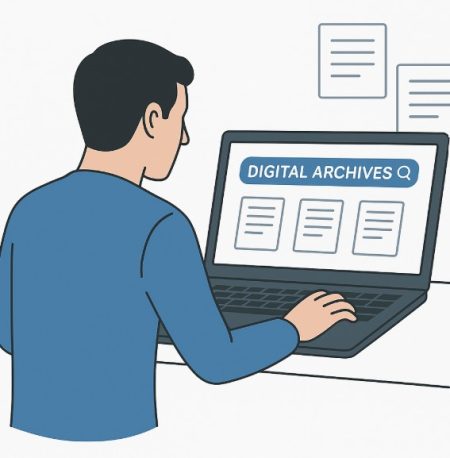
In contrast, digital archives allow for immediate access to a vast array of materials through searchable databases and user-friendly interfaces. With the use of search engines and metadata tagging, users can quickly find specific documents, images, or records by typing keywords or phrases into a search bar. Furthermore, digital archives support remote access, enabling users to retrieve information from anywhere in the world, provided they have an internet connection. This convenience eliminates geographical barriers and facilitates access to information for researchers, students, and the public.
For example, online archives like the Internet Archive or Europeana provide open access to millions of digitized books, photographs, and manuscripts, enabling users to search and explore these resources at their convenience. - Cost-Effectiveness: Digital archives offer significant cost savings compared to traditional physical storage systems. Maintaining physical archives requires substantial investment in storage space, including filing cabinets, shelves, climate-controlled rooms, and staff to organize, catalog, and preserve materials. The costs associated with storing and maintaining physical records can quickly add up, especially for large collections.
In contrast, digital archives can be stored in cloud-based systems, reducing the need for physical infrastructure. Cloud platforms such as Amazon Web Services (AWS) and Google Cloud offer scalable, cost-effective storage solutions that allow institutions to store vast amounts of data without the need for expensive on-site servers or data centers. Additionally, digitization of records reduces the need for physical preservation methods, such as temperature control and conservation efforts, which are both costly and time-consuming. By reducing physical storage costs and improving efficiency in managing large collections, digital archives help institutions save money while enhancing accessibility and preservation. - Enhanced Preservation and Longevity: The preservation of information is one of the primary challenges faced by traditional archival systems. Physical materials, such as paper, photographs, and film, are vulnerable to environmental factors, including humidity, temperature fluctuations, light exposure, and physical wear and tear. Over time, these materials can degrade, resulting in the loss of valuable historical and cultural records.
Digital archives offer a solution to this problem by providing a long-term preservation method that is far more resilient to the elements. Digitizing materials ensures that original content is preserved in a digital format that is less susceptible to physical damage. Moreover, redundant storage systems, such as cloud storage and distributed networks, offer multiple backups of digital files, ensuring that they remain accessible even if one copy is corrupted or lost.
Digital preservation technologies, such as format migration and emulation, also play a critical role in maintaining the integrity of archived content over time. As technology evolves and older file formats become obsolete, digital archives can migrate content to newer formats, ensuring that it remains accessible and usable for future generations. This ability to continually update and maintain digital files is a significant advantage over traditional methods, where physical preservation is often more limited and resource-intensive. - Improved Collaboration and Global Access: Digital archives foster global collaboration by making information easily accessible to users across geographical boundaries. Researchers, scholars, and students can access digital archives from anywhere, enabling them to share and exchange knowledge more efficiently. This global access is particularly beneficial for academic and research institutions, as it promotes international collaboration and knowledge-sharing.
For instance, digital archives allow historians to collaborate on projects related to historical documents, researchers to access scientific papers and data sets from around the world, and students to access learning materials remotely. By enabling easy sharing and access to resources, digital archives break down barriers that once limited the flow of information and expertise between countries and institutions. Moreover, digital archives enable institutions to share specialized collections with global audiences. For example, museums and libraries can digitize their rare collections, such as ancient manuscripts or endangered artifacts, allowing people from around the world to view and study them without the need for physical travel. - Searchability and Improved Organization: Digital archives are organized in a way that allows users to easily locate specific materials through the use of metadata, tags, and search algorithms. Unlike physical archives, where users often have to manually browse through records, digital archives enable users to search for specific keywords, authors, subjects, dates, or locations, significantly reducing the time it takes to find relevant materials.
For example, full-text search functionality allows users to search within documents, images, and multimedia files to find specific content. This searchability makes digital archives more efficient and accessible, particularly for researchers who need to locate specific information within large datasets or collections quickly. In addition, automatic categorization and indexing using standardized metadata formats, such as Dublin Core and MARC, help ensure that materials are well-organized and easy to navigate. This improves the user experience and ensures that digital archives are not only vast in scope but also efficient and functional in their organization. - Environmental Sustainability: Besides their practical benefits, digital archives contribute to environmental sustainability. By reducing the need for physical materials, such as paper, ink, and storage space, digital archives help reduce the environmental impact of traditional archival systems. Physical archives require significant resources to maintain, from the energy required to control storage conditions to the waste generated by printing and storing large quantities of paper.
Digital archives, on the other hand, reduce the consumption of physical resources and help minimize waste. Furthermore, digital archives can be accessed and distributed electronically, reducing the need for travel and the associated carbon emissions. As a result, digital archives contribute to a more sustainable approach to information management, aligning with the broader goal of reducing the environmental footprint of organizations and institutions. - Security and Access Control: Security is critical for information management, especially when dealing with sensitive or confidential materials. Digital archives provide enhanced security through the use of encryption, access control systems, and user authentication protocols. Sensitive information can be securely stored, and access can be restricted based on user roles, ensuring that only authorized individuals can view or modify the materials. Moreover, digital archives can be protected through backup systems and disaster recovery plans, ensuring that information is not lost due to hardware failure or other unforeseen events. Cloud-based storage providers often offer multi-layered security features, such as firewalls, encryption, and regular security updates, further safeguarding archived content.
Digital archives offer numerous benefits that significantly improve information management practices. From enhancing access and searchability to ensuring long-term preservation and fostering global collaboration, digital archives have become essential for organizations and institutions looking to manage and preserve their information more efficiently, cost-effectively, and sustainably. As technology continues to evolve, the role of digital archives will only grow in importance, helping institutions maintain their collections while making them more accessible to a global audience.
Impact of Digital Archives on Information Management Practices
The digitization of archives has revolutionized information management across various sectors, bringing significant changes in how information is stored, accessed, preserved, and shared. As digital technologies have advanced, institutions that once relied on traditional physical archival systems have adopted digital solutions, resulting in more efficient, scalable, and accessible systems for managing vast amounts of data. Let’s explore the profound impact digital archives have had on information management practices, particularly in terms of workflow improvements, access control, security, collaboration, and data integration.
1. Changes in Information Management Workflows:
The introduction of digital archives has dramatically transformed traditional information management workflows. In the past, archivists and information managers spent considerable time organizing, storing, and retrieving physical records, relying on manual cataloging, filing, and indexing systems. These processes were labor-intensive and time-consuming, especially when dealing with large volumes of data.
Digital archives have streamlined these workflows by automating many of the tasks involved in managing information. For example:
-
- Automated Cataloging and Metadata Management: Digital archives rely on automated cataloging systems, which use metadata standards like Dublin Core and MARC to describe and organize digital content. This reduces the time spent on manual data entry, ensures consistent descriptions, and enhances the searchability of materials.
- Search and Retrieval: Unlike physical archives, which require users to physically browse through materials, digital archives offer powerful search capabilities. Users can easily search for specific documents using keywords, tags, or full-text search, significantly improving the speed and accuracy of information retrieval.
- Efficient Storage and Backup: Cloud-based digital archives can store vast amounts of data without the need for physical space, reducing the reliance on filing cabinets and storage rooms. Additionally, digital archives can implement automated backup systems, ensuring that data is securely stored and protected against loss.
These changes have led to greater efficiency and productivity in managing archival materials, allowing institutions to handle large volumes of information with greater ease and accuracy.
2. Improved Access Control and Rights Management:
As digital archives have become more prevalent, the management of access to archived materials has become a crucial consideration. Traditional physical archives often had limited options for controlling access to sensitive or restricted information. Digital archives, however, provide advanced tools for managing user permissions and access control.
With digital archives, institutions can:
-
- Assign Role-Based Access: Digital archives can implement role-based access control (RBAC), which assigns different levels of access based on a user’s role. For instance, archivists and administrators may have full editing privileges, while general users may only have viewing or download access.
- Protect Sensitive Information: Digital rights management (DRM) systems can be used to protect copyrighted or confidential materials, preventing unauthorized distribution or modification. These systems can restrict users from copying, sharing, or printing materials, ensuring that intellectual property is protected.
- Authentication and Authorization: Digital archives often use authentication methods such as single sign-on (SSO) or multi-factor authentication (MFA) to ensure that only authorized users can access certain materials. This enhances the security of the archive and prevents unauthorized access to sensitive data.
By improving access control, digital archives ensure that the right individuals can access the right information while protecting the privacy and integrity of the materials.
3. Enhanced Security and Data Integrity:
The shift from physical to digital archives has introduced new security challenges and provided advanced tools to safeguard data. Physical archives were vulnerable to damage from environmental factors like fire, water, or deterioration over time. In contrast, digital archives face different risks, such as cyberattacks, data corruption, and unauthorized access.
To address these risks, digital archives implement robust security protocols to protect data:
-
- Encryption: Digital archives often use encryption to protect sensitive information, both during transmission (e.g., when data is being accessed remotely) and while it is stored in databases or cloud storage. This ensures that only authorized users can access or read the data.
- Data Redundancy and Backups: Cloud storage platforms and distributed systems offer redundancy, ensuring that digital files are stored in multiple locations. This minimizes the risk of data loss due to hardware failure or natural disasters. Additionally, regular backups ensure that digital content can be restored if it becomes corrupted or lost.
- Digital Signatures and Checksums: Digital archives use digital signatures and hashing techniques to verify the authenticity and integrity of files. This helps ensure that the archived materials have not been altered or tampered with and that they remain trustworthy for long-term use.
These security measures ensure that the data within digital archives remains intact, secure, and accessible for future generations.
4. Facilitating Collaboration and Global Access:
Digital archives have significantly enhanced collaboration and information-sharing opportunities by providing global access to archival materials. Traditional archives were often limited to local or institutional users, with access requiring physical travel to the archive. In contrast, digital archives break down geographical barriers by allowing users from anywhere in the world to access and interact with archived materials online.
Some of the benefits of digital archives for collaboration and access include:
-
- Remote Access: Digital archives enable users to access materials from anywhere in the world, as long as they have an internet connection. This is particularly valuable for researchers, students, and scholars who may be located far from the archive’s physical location.
- Collaborative Tools: Many digital archives are integrated with collaborative platforms that allow users to interact with materials, share insights, and even annotate documents. This encourages collaborative research and learning, as well as cross-institutional partnerships.
- Open Access: Many digital archives are designed to support open access, meaning that materials are freely available to the public. This has democratized access to historical, cultural, and academic resources, making them accessible to individuals worldwide.
By providing global access to archived materials, digital archives have fostered collaboration and knowledge-sharing, making it easier for researchers and institutions to work together regardless of their location.
5. Data Integration and Interoperability:
The integration of digital archives with other information management systems has transformed how institutions manage and utilize data. Traditional physical archives were often isolated, with little connection to other information repositories. Digital archives, on the other hand, can integrate seamlessly with other databases, content management systems (CMS), and digital libraries, creating a more interconnected ecosystem of information.
Some examples of how digital archives support data integration and interoperability include:
-
- Linked Data and Semantic Web: Digital archives can employ linked data principles to connect materials with other related resources across different platforms. This allows users to access connected data more easily, creating a richer research environment. For instance, a historical archive might link to related academic papers, multimedia content, and datasets, allowing for deeper exploration of topics.
- Cross-Platform Search: Digital archives can be integrated with other institutional databases and repositories, allowing users to conduct a single search across multiple platforms. This eliminates the need to search different archives separately and makes it easier to find related materials across a wide range of sources.
- Data Analytics: The integration of digital archives with data analytics tools allows organizations to track user behavior, monitor content usage, and analyze trends in data consumption. This helps institutions optimize their archival management strategies and tailor their offerings to meet the needs of users.
By improving interoperability and enabling data integration, digital archives have created a more connected and accessible information ecosystem.
6. Shifting Roles and Skillsets for Information Managers:
The digitalization of archives has also significantly impacted the roles and skillsets required for information managers. Archivists primarily focused on physical preservation, organization, and access control in traditional archival systems. However, digital archives require information managers to possess broader technical skills.
Archivists and information managers must now be adept in areas such as:
-
- Digital Curation: Information managers must ensure that digital content is properly curated, organized, and preserved. This involves knowledge of digital preservation techniques, file formats, and data management practices.
- IT and Database Management: As digital archives rely on complex IT infrastructure, information managers must be familiar with cloud storage systems, database management, and software platforms that support digital archives.
- Metadata and Cataloging: Information managers must also have expertise in metadata standards and cataloging systems to ensure that digital materials are described and organized consistently, making them easily searchable and accessible.
The shift to digital archives has broadened the skillsets of information managers and archivists, requiring them to integrate IT knowledge with traditional archival practices.
The impact of digital archives on information management practices has been transformative, leading to greater efficiency, security, accessibility, and collaboration. By automating workflows, improving access control, and enabling seamless integration with other systems, digital archives have enhanced how information is managed and shared. As digital technologies continue to evolve, the role of digital archives will only expand, further shaping the future of information management and ensuring that valuable content is preserved and accessible for generations to come.