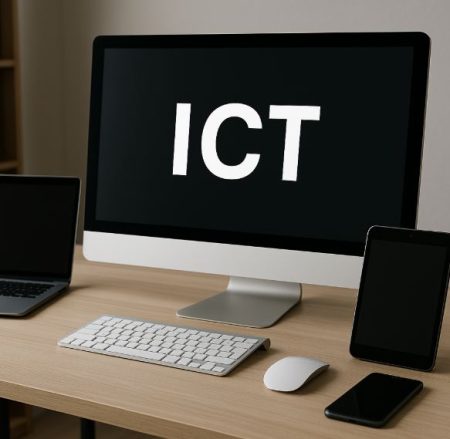
Information and Communication Technology, commonly referred to as ICT, encompasses all the technologies used to handle, communicate, and process information digitally. ICT combines telecommunications, computing devices, software applications, networks, and the internet at its core to enable the seamless flow of information across various platforms. In today’s interconnected world, ICT serves as a critical backbone for education, healthcare, business, entertainment, and governance. Understanding the basics of ICT empowers individuals with essential skills and enhances their ability to thrive in a rapidly evolving technological landscape. This introduction will provide you with foundational insights into what ICT is, its key components, practical applications, and its profound impact on modern society.
Information and Communication Technology (ICT) and Its Significance in Modern Society
Information and Communication Technology (ICT) refers to the diverse set of technological tools and resources that facilitate communication, manage information, and support digital interactions. It encompasses hardware such as computers, smartphones, tablets, and networking devices; software including applications and operating systems; as well as telecommunications infrastructure like the internet, wireless networks, and satellite systems. ICT is significant in modern society because it revolutionizes how people communicate, collaborate, and access information globally. For example, social media platforms such as Facebook and Instagram utilize ICT to connect people across continents, while digital payment systems like PayPal and mobile banking apps make financial transactions convenient and efficient. In education, ICT tools like virtual classrooms (Google Classroom, Zoom), interactive whiteboards, and online courses provide innovative learning environments accessible worldwide. Similarly, in healthcare, telemedicine services powered by ICT allow remote diagnosis and treatment, greatly enhancing patient care. Thus, ICT fosters innovation and efficiency and plays a crucial role in bridging gaps, creating opportunities, and driving social and economic progress in today’s interconnected world.
The Evolution of Information and Communication Technology (ICT) Over Recent Decades
Information and Communication Technology (ICT) has undergone significant transformation over the past several decades, reshaping society, businesses, and personal lives. Initially, ICT was primarily limited to basic computing and telecommunication tools, such as large desktop computers, landline telephones, fax machines, and dial-up internet connections, all with restricted functionality and accessibility. Gradually, advancements in technology led to the development of portable laptops, mobile phones, and faster internet connections, enabling greater flexibility, mobility, and convenience.
In the late 20th and early 21st centuries, rapid innovations such as broadband internet, Wi-Fi, and smartphones transformed ICT, dramatically increasing global connectivity and communication. Platforms like Google, Facebook, and Twitter revolutionized social interaction, information sharing, and digital marketing, making communication instant and borderless. The emergence of cloud computing services (e.g., Google Drive, Dropbox), streaming platforms (e.g., Netflix, Spotify), and sophisticated applications enhanced productivity, entertainment, and collaboration. More recently, the integration of advanced technologies such as Artificial Intelligence (AI), machine learning, Internet of Things (IoT), 5G networks, blockchain technology, and augmented reality (AR) has further expanded ICT’s capabilities, profoundly reshaping industries including education, healthcare, finance, and manufacturing.
Today, ICT continues to evolve rapidly, consistently redefining the digital landscape, shaping modern lifestyles, and opening new avenues for innovation, economic growth, and societal development.
Real-world Applications of ICT in Education, Healthcare, and Business
Information and Communication Technology (ICT) has become a vital tool in shaping modern society, influencing nearly every sector in profound ways. From transforming education to revolutionizing healthcare and driving business innovation, ICT is at the heart of progress. Below, we explore the real-world applications of ICT in these three critical areas.
>> ICT in Education
The impact of ICT on education has been both vast and transformative. Digital technologies have revolutionized how teachers teach and students learn, making education more accessible and interactive. Some key examples include:
- E-learning Platforms: Platforms such as Google Classroom, Moodle, and Edmodo have made learning materials and resources available to students anytime and anywhere. These tools allow educators to create digital courses, share content, assign tasks, and grade students remotely, offering a more flexible learning experience.
- Video Conferencing: Tools like Zoom and Microsoft Teams have made remote learning possible, connecting students and teachers from different locations. These platforms allow for live lectures, interactive discussions, and real-time feedback, making education more accessible for those in remote or underserved areas.
- Interactive Learning Tools: Interactive whiteboards, virtual classrooms, and apps such as Kahoot! and Quizlet enable students to engage with content in dynamic ways. By using videos, games, and simulations, these tools create a hands-on learning environment that enhances comprehension and retention.
- Personalized Learning: ICT has made it easier to tailor learning experiences to individual students’ needs. Adaptive learning platforms like DreamBox and Smart Sparrow analyze a student’s performance and adapt the lessons accordingly, providing a more personalized approach to education.
>> ICT in Healthcare
ICT has brought significant advancements to the healthcare industry, improving the quality, accessibility, and efficiency of medical services. Some notable applications include:
- Telemedicine: Telemedicine platforms like Teladoc and Doxy.me allow healthcare professionals to provide medical consultations remotely via video conferencing. This has been particularly beneficial in reaching patients in rural or underserved areas who may not have easy access to in-person healthcare.
- Electronic Health Records (EHR): Systems such as Epic and Cerner digitize patient records, allowing healthcare providers to access patient histories, diagnoses, and treatment plans quickly and securely. This improves communication among medical professionals and reduces the risk of errors, enhancing patient safety and care.
- Wearable Health Devices: Devices like the Apple Watch, Fitbit, and Oura Ring track vital signs such as heart rate, blood pressure, and physical activity in real time. These devices provide valuable data for patients and healthcare providers, enabling proactive management of health conditions and promoting preventive healthcare.
- Health Information Systems: Integrated health systems like Hospital Information Systems (HIS) and Picture Archiving and Communication Systems (PACS) streamline patient management, from appointment scheduling to diagnostics and treatment, improving the overall efficiency of healthcare delivery.
>> ICT in Business
In business, ICT is a driving force behind operational efficiency, global reach, and innovation. It enables organizations to streamline processes, improve customer relations, and stay competitive in an increasingly digital world. Key applications include:
- Enterprise Resource Planning (ERP): ERP systems like SAP and Oracle integrate core business functions such as inventory management, human resources, and financial accounting into one cohesive system. This allows businesses to operate more efficiently, reduce costs, and improve decision-making through real-time data.
- Customer Relationship Management (CRM): CRM platforms such as Salesforce and HubSpot help businesses manage and analyze customer interactions. These tools enable companies to track sales leads, manage customer relationships, and tailor their services to meet the specific needs of their clients, ultimately enhancing customer satisfaction and loyalty.
- Cloud Computing: Cloud services like Google Drive, Dropbox, and Amazon Web Services (AWS) allow businesses to store and access data remotely, reducing the need for costly infrastructure and providing employees with access to documents and files from anywhere in the world.
- E-commerce and Digital Marketing: Online marketplaces like Amazon, eBay, and Shopify have transformed how businesses sell goods and services. E-commerce platforms provide businesses with a global reach, while digital marketing tools such as Google Ads, Facebook Ads, and SEO strategies help companies target their audience effectively and increase brand visibility.
- Collaboration Tools: Communication and project management tools like Slack, Microsoft Teams, and Trello enhance collaboration among team members, regardless of location. These platforms streamline communication, enable file sharing, and allow businesses to manage projects and tasks more effectively.
ICT has permeated almost every aspect of modern life, and its applications in education, healthcare, and business have transformed how we interact, learn, and conduct transactions. By improving accessibility, increasing efficiency, and fostering innovation, ICT continues to shape the future of these industries. As technology continues to evolve, it will unlock even more opportunities to enhance our lives and create a more connected, efficient, and inclusive world.
How ICT Supports Global Communication and Connectivity
Information and Communication Technology (ICT) has dramatically transformed global communication, making it easier, faster, and more accessible than ever before. Through the use of the internet, social media, video conferencing, and cloud computing, ICT has bridged geographical gaps, allowing people, businesses, and organizations to interact seamlessly across borders. The internet itself is the backbone of global communication, connecting billions of users and facilitating the exchange of information instantaneously. Social media platforms like Facebook, Instagram, and Twitter have enabled individuals to stay in touch with friends, family, and colleagues worldwide while also providing a platform for businesses to engage with a global audience. Furthermore, messaging apps such as WhatsApp and Telegram allow users to send texts and voice messages and make voice or video calls without any cost, connecting people across continents in real-time.
Video conferencing tools such as Zoom, Microsoft Teams, and Skype have also revolutionized global communication, allowing businesses and individuals to hold meetings, presentations, and collaborations without needing to travel. This has been especially important during the COVID-19 pandemic, where remote work became the norm, and virtual meetings replaced traditional face-to-face interactions. Cloud computing platforms like Google Drive and Dropbox support global collaboration by enabling users to store and share files in real time, making teamwork and project management easier, regardless of the physical location of team members.
Voice over Internet Protocol (VoIP) services such as Skype and Zoom have made international voice calls more affordable by bypassing traditional phone lines and using the Internet instead. This technology has made it possible for individuals and businesses to communicate globally without the high costs associated with international phone calls.
What Are the Essential Tools and Components That Make Up ICT?
Information and Communication Technology (ICT) is a broad term that refers to the convergence of technologies used to manage and communicate information. From personal use to enterprise systems, ICT tools, and components are fundamental in almost every aspect of modern life. These tools facilitate communication, data management, computation, and information sharing across the globe.The essential tools and components that makeup ICT can be categorized into hardware, software, telecommunications, and network infrastructure. Here are the key elements:
1. Hardware
Hardware refers to the physical devices and equipment that form the foundation of ICT systems. These tools process, store, and transmit data. Essential hardware components include:
- Computers and Laptops: These are the core devices for data processing, storage, and communication. From personal computers to high-performance servers used in data centers, computers play an essential role in the functionality of ICT systems.
- Mobile Devices: Smartphones, tablets, and other portable devices allow users to access ICT tools and resources on the go. These devices enable communication, browsing, and application use, making ICT accessible anywhere.
- Networking Devices: These include routers, switches, modems, and access points that connect devices to networks, enabling data transfer and communication. Without these devices, connectivity between systems would not be possible.
- Input and Output Devices: Keyboards, mice, touchscreens, and other input devices are used to interact with computers, while monitors, printers, and speakers allow for output, helping users interact with systems more effectively.
2. Software
Software refers to the programs and applications that run on hardware to perform specific functions. Software is responsible for managing hardware, processing data, and providing useful features to users. Key software components include:
- Operating Systems: The operating system (OS) manages the computer’s hardware and provides a platform for running applications. Popular operating systems include Windows, macOS, and Linux.
- Application Software: These are programs designed for end-users to perform specific tasks, such as word processors (Microsoft Word), spreadsheets (Excel), and media players (VLC). Application software is essential for daily tasks and business operations.
- Productivity Tools: Programs like Google Docs, Microsoft Office, and Slack enable users to collaborate, manage projects, and produce documents, improving productivity in both personal and professional settings.
- Security Software: Anti-virus programs, firewalls, and encryption tools ensure that systems remain protected from malware, hacking, and unauthorized access. Security software is crucial in safeguarding sensitive data and maintaining privacy.
3. Telecommunications
Telecommunications refers to the technologies that facilitate the transmission of data and communication over distances. This is one of the key components of ICT, enabling real-time voice, video, and text communication globally. Telecommunications technologies include:
- Internet Connectivity: The Internet is the backbone of modern communication, providing access to information, services, and communication tools. Without the internet, much of the functionality we associate with ICT would be impossible.
- Mobile Networks: Cellular networks such as 3G, 4G, and 5G allow mobile devices to access data and communicate via voice and text. These networks support mobile computing, enabling people to stay connected while on the move.
- Voice over Internet Protocol (VoIP): VoIP services like Skype and WhatsApp allow users to make phone calls and send messages over the Internet, eliminating the need for traditional telephony infrastructure and reducing communication costs.
- Satellite Communication: Satellite communication systems are used in remote areas where terrestrial communication infrastructure is not available. Satellites enable global communication, broadcasting, and navigation.
4. Network Infrastructure
Network infrastructure is a critical element of ICT as it allows for the exchange of information between devices, systems, and networks. This infrastructure includes the following components:
- Local Area Networks (LAN): A LAN connects devices within a limited area, such as a home, school, or office. It enables devices like computers, printers, and smartphones to share resources and communicate locally.
- Wide Area Networks (WAN): A WAN spans larger geographic areas, connecting multiple LANs, often across cities or countries. The internet itself is the largest example of a WAN, connecting millions of devices worldwide.
- Wireless Networks: Wi-Fi and Bluetooth technology allow devices to communicate wirelessly within a defined range. Wi-Fi provides internet access, while Bluetooth is used for connecting peripherals like speakers, headsets, and keyboards.
- Cloud Computing: Cloud services, such as Google Cloud, Amazon Web Services (AWS), and Microsoft Azure, allow businesses and individuals to store, access, and manage data and applications remotely via the Internet. Cloud computing eliminates the need for physical storage infrastructure, enabling scalability and flexibility.
5. Security Systems
As more information is transmitted and stored digitally, the need for robust security systems becomes critical. Security tools and technologies ensure that data remains safe from cyber threats. Essential security components include:
- Firewalls: Firewalls monitor and filter incoming and outgoing traffic in a network, preventing unauthorized access. They can be hardware-based or software-based and are a fundamental part of protecting networks from cyber-attacks.
- Encryption: Encryption is a technique used to convert data into a secure format that can only be read by authorized users. This is crucial for protecting sensitive information, such as financial transactions and personal data.
- Authentication Systems: Multi-factor authentication (MFA) adds extra layers of security by requiring users to verify their identity through multiple methods, such as passwords, biometric scans, or one-time codes. MFA is commonly used to enhance security in online banking and corporate systems.
The essential tools and components that makeup ICT include a combination of hardware devices, software applications, telecommunications technologies, network infrastructure, and security systems. Together, these elements enable the processing, sharing, and management of information in an increasingly digital world. As technology continues to advance, these components will evolve, providing even more powerful tools for communication, collaboration, and innovation across industries. Understanding the fundamental components of ICT is essential for both individuals and businesses, as they form the backbone of modern digital society.
The Positive and Negative Impacts of ICT on Society and Individuals
Information and Communication Technology (ICT) has become integral to modern society, influencing almost every aspect of daily life. From enhancing communication to transforming business operations, ICT has created numerous opportunities while also presenting significant challenges. As we navigate the digital age, it is essential to recognize both the positive and negative impacts of ICT on society and individuals. Let’s explore how ICT has reshaped the world, examining its benefits and drawbacks.
Positive Impacts of ICT on Society and Individuals
- Improved Communication and Connectivity One of the most significant benefits of ICT is the enhanced ability to communicate instantly and globally. The internet, social media platforms, and messaging apps like WhatsApp, Facebook, and Twitter allow people to stay in touch with family, friends, and colleagues across the world, breaking down geographical barriers. Video conferencing tools like Zoom and Microsoft Teams have made remote communication easier, helping businesses and individuals collaborate without the need for physical travel. This has led to greater interconnectedness and a more globalized world.
- Access to Information and Education ICT has revolutionized access to information. The Internet provides a vast library of knowledge that can be accessed instantly by anyone with an Internet connection. Educational platforms like Khan Academy, Coursera, and edX allow individuals to pursue learning opportunities from top institutions without leaving their homes. This democratization of knowledge has opened doors for people in remote or underprivileged areas to access educational resources and improve their skills, leading to better job prospects and personal growth.
- Increased Efficiency in Business In the business world, ICT has dramatically improved efficiency and productivity. Digital tools such as Microsoft Office, Google Drive, and Slack streamline communication and collaboration, making it easier for teams to work together. Automation and artificial intelligence (AI) have also streamlined many processes, reducing human error and enhancing productivity. Cloud computing services like Google Cloud and Amazon Web Services provide businesses with flexible, cost-effective solutions for storing data, managing applications, and running operations globally.
- Advancements in Healthcare ICT has significantly improved healthcare services. Telemedicine platforms like Teladoc and Doxy.me allow patients in remote areas to consult with healthcare providers via video calls, reducing the need for travel and improving access to healthcare services. Additionally, electronic health records (EHRs) enable healthcare providers to manage patient information more efficiently, leading to better coordination of care and improved patient outcomes. Wearable health devices like Fitbit and Apple Watch help individuals monitor their health metrics, promoting preventive healthcare and early diagnosis.
- Empowerment and Social Change ICT has played a crucial role in promoting social change and empowering individuals. Social media platforms have been central to movements such as #MeToo, Black Lives Matter and environmental campaigns like Fridays for Future. These platforms enable people to share their stories, raise awareness about social issues, and mobilize for collective action. ICT has also provided marginalized groups with a voice, allowing them to advocate for their rights and contribute to global discussions on inequality, climate change, and human rights.
Negative Impacts of ICT on Society and Individuals
- Digital Divide Despite the widespread availability of ICT, not everyone has equal access to the technologies that make up this digital landscape. The digital divide refers to the gap between individuals who have access to ICT and those who do not, often due to factors like income, education, or geographic location. This divide can deepen social inequality, as those without access to digital technologies are at a disadvantage in terms of education, employment, and access to critical services. Efforts to bridge this gap are essential to ensure equitable opportunities for all.
- Privacy and Security Concerns As individuals increasingly rely on digital platforms to share personal information, privacy and security concerns have emerged as significant challenges. Social media, online banking, and e-commerce sites collect vast amounts of personal data, which, if not protected, can be vulnerable to hacking, identity theft, and misuse. High-profile data breaches, such as the Cambridge Analytica scandal, have raised awareness about the risks associated with the collection and storage of personal data. Cyberattacks, including ransomware and phishing, continue to target individuals and organizations, highlighting the need for improved digital security practices.
- Social Isolation and Mental Health Issues While ICT has improved communication, it has also led to concerns about social isolation. Many individuals, particularly young people, spend significant amounts of time interacting with others online rather than face-to-face, which can lead to feelings of loneliness and depression. Social media platforms, while providing a sense of connection, have been linked to negative mental health outcomes, such as anxiety and low self-esteem, particularly when individuals compare themselves to others. The constant availability of digital devices also contributes to stress and a decrease in overall well-being, leading to concerns about the impact of technology on mental health.
- Job Displacement and Economic Inequality The rise of automation and AI, fueled by ICT, has led to job displacement in certain industries. Jobs that were once performed by humans are increasingly being replaced by machines, particularly in sectors like manufacturing, retail, and customer service. While technology creates new job opportunities, these often require specialized skills, leaving individuals without the necessary qualifications at a disadvantage. This shift in the job market has contributed to rising economic inequality, as those with access to education and training in technology benefit while others are left behind.
- Misinformation and Fake News The internet and social media have become major sources of news and information, but they have also become breeding grounds for misinformation and fake news. False information can spread rapidly, often with far-reaching consequences. The proliferation of fake news has been linked to public health crises, such as the spread of misinformation about vaccines, as well as political instability, as seen during election cycles. The ease with which anyone can publish content on the internet makes it difficult to discern fact from fiction, and the lack of regulation in the digital space has exacerbated this problem.
ICT has undoubtedly brought numerous positive changes to society, improving communication, access to information, and efficiency in various sectors. It has empowered individuals, transformed industries, and facilitated social change. However, it has also introduced challenges, including the digital divide, privacy concerns, social isolation, and the displacement of jobs. As we continue to integrate ICT into every aspect of life, it is crucial to address these negative impacts while harnessing the potential of technology to create a more inclusive, secure, and equitable world. Balancing the benefits of ICT with its challenges will determine how effectively we can use technology to shape the future.
How ICT Has Influenced Globalization and Economic Development
Information and Communication Technology (ICT) has significantly influenced globalization and economic development by reshaping the way businesses operate, how people communicate, and how economies function globally. With the advent of the internet, mobile technology, and advanced communication tools, the world has become more interconnected, allowing for faster, more efficient exchanges of goods, services, and information. ICT has made it easier for businesses to reach international markets, improving their ability to expand operations and compete in a global economy. E-commerce platforms like Amazon and Alibaba allow companies to sell products worldwide without the need for physical stores, while digital marketing tools enable businesses to target global customers with personalized campaigns.
ICT has revolutionized financial transactions, facilitating the movement of capital across borders. Online banking, digital payment systems like PayPal, and cryptocurrencies such as Bitcoin have made it simpler and faster to conduct international trade, manage investments, and access financial services. This has led to greater economic integration, as businesses can now interact more easily with foreign markets, and investors can diversify their portfolios globally.
ICT has also played a crucial role in driving economic development, particularly in emerging markets. Automation, artificial intelligence, and data analytics are transforming industries like manufacturing, healthcare, and agriculture, increasing productivity and efficiency. In agriculture, for example, ICT tools help farmers access real-time weather information, market prices, and advanced farming techniques, leading to better crop yields and higher incomes. In healthcare, telemedicine and electronic health records improve access to medical services, especially in remote or underserved areas, fostering healthier populations and promoting economic growth. Furthermore, ICT has empowered individuals by providing greater access to education and financial services. Online learning platforms like Coursera and Khan Academy offer people worldwide opportunities to gain skills and knowledge that are critical in a digital economy. Mobile banking services such as M-Pesa have enabled millions of unbanked individuals in developing countries to access financial services, improving their ability to save, invest, and participate in the economy.
However, while ICT has led to significant advancements, it has also brought challenges, including the digital divide, cybersecurity risks, and the displacement of jobs due to automation. The benefits of ICT are not evenly distributed, and there is a need for policies to ensure that all individuals, particularly in developing countries, have access to the tools and resources necessary to participate in the global economy.
Future Trends and Innovations in the Field of ICT
As technology continues to evolve at a rapid pace, the future of Information and Communication Technology (ICT) promises to bring exciting innovations that will further transform society, the economy, and industries. Several key trends and breakthroughs are expected to shape the ICT landscape in the coming years, revolutionizing how we communicate, work, and interact with the world around us.
One of the most anticipated advancements is the growth of 5G technology. 5G networks are expected to provide significantly faster data speeds, lower latency, and greater network capacity compared to current 4G technology. This will enable the expansion of Internet of Things (IoT) devices, allowing for smarter cities, autonomous vehicles, and connected environments that communicate in real-time. With 5G, technologies like augmented reality (AR) and virtual reality (VR) will become more immersive, offering new possibilities in gaming, education, healthcare, and remote work.
Another emerging trend is the widespread adoption of artificial intelligence (AI) and machine learning. AI is expected to continue transforming industries by automating tasks, analyzing vast amounts of data, and improving decision-making. In the field of healthcare, AI-driven diagnostic tools and personalized treatment plans are likely to become more common, helping doctors make more accurate decisions. Similarly, AI-powered chatbots and virtual assistants will play a larger role in customer service and business operations, reducing the need for human intervention and enhancing efficiency.
The growth of blockchain technology is also on the horizon, with applications extending beyond cryptocurrency. Blockchain offers secure, decentralized ways to store and share data, making it ideal for applications in supply chain management, healthcare records, and voting systems. As industries look for ways to protect data from cyber threats and ensure transparency, blockchain is expected to play an increasingly important role in maintaining data integrity and security.
The expansion of cloud computing will continue to reshape business operations. With the increasing demand for remote work and global collaboration, more businesses are migrating to cloud-based solutions for storage, software, and infrastructure. This shift will foster greater flexibility, scalability, and cost-efficiency for organizations. Edge computing, a complementary technology to cloud computing, will also grow, allowing data to be processed closer to where it is generated, thus improving speed and reducing the strain on centralized data centers.
The future of ICT will also see advancements in quantum computing. Although still in its early stages, quantum computing has the potential to solve complex problems that are currently beyond the capabilities of classical computers. This could have profound implications in fields such as cryptography, material science, and medicine, where current computing power falls short. Cybersecurity innovations will be crucial as the digital landscape grows more complex. The demand for advanced security measures will rise with the increasing use of IoT devices, remote work, and cloud services. We can expect to see more sophisticated encryption methods, AI-driven cybersecurity systems, and privacy-preserving technologies that will safeguard personal and organizational data from evolving threats.
The future of ICT is brimming with innovative trends that will drive technological progress, enhance connectivity, and create new opportunities for industries and individuals alike. From 5G and AI to blockchain and quantum computing, the next generation of ICT will continue pushing boundaries, shaping how we live, work, and interact with the world. However, as these technologies advance, it will also be crucial to address the challenges they bring, including data privacy, security, and digital inclusion, to ensure that these innovations benefit society as a whole.
How ICT Can Help Bridge the Digital Divide
The digital divide refers to the gap between individuals and communities that have access to modern information and communication technologies (ICT) and those that do not. This divide often correlates with factors like socioeconomic status, geographic location, education, and infrastructure availability, and it can exacerbate inequalities in education, employment, healthcare, and social participation. However, ICT has the potential to bridge this gap by providing equitable access to information, resources, and opportunities, thereby empowering underserved populations and promoting digital inclusion.
One of the primary ways ICT can bridge the digital divide is by expanding access to the internet and digital devices. Initiatives to improve internet infrastructure in rural and remote areas, such as the expansion of 5G networks, satellite internet services like Starlink, and community Wi-Fi projects, can provide affordable, reliable connectivity to those who previously lacked access. Affordable smartphones, tablets, and computers, along with low-cost internet plans, can help ensure that individuals in underserved communities have the necessary tools to connect to the digital world. In some cases, governments, NGOs, and private companies are working together to provide subsidized or free access to technology, ensuring that even the most disadvantaged individuals are not left behind.
ICT can also bridge the digital divide by facilitating online education and remote learning. With the help of e-learning platforms like Khan Academy, Coursera, and edX, individuals in remote or low-income areas can access high-quality educational resources and courses, overcoming geographical barriers to education. Digital literacy programs that teach essential skills, such as using computers and navigating the internet, can empower individuals to participate in the digital economy and access better job opportunities. ICT enables lifelong learning and personal development by providing educational opportunities and resources to those who might not otherwise have access.
ICT can promote financial inclusion through mobile banking and digital payment systems, especially in regions where traditional banking infrastructure is limited. Services like M-Pesa, which allows users to send money and pay for services via mobile phones, have revolutionized access to financial services in many developing countries. With mobile money systems, individuals without access to brick-and-mortar banks can save, transfer money, and access credit, fostering economic participation and financial independence.
ICT can help bridge the digital divide in healthcare by enabling telemedicine and remote health services. Digital health platforms, such as Teladoc and Doxy.me, allow individuals in rural or underserved areas to consult healthcare providers remotely, improving access to medical advice, diagnosis, and treatment. ICT can improve health outcomes and reduce health disparities by reducing the need for travel and ensuring that even the most marginalized populations can access healthcare services.
Finally, government policies and initiatives play a critical role in ensuring that ICT benefits reach all communities. Governments can create a more inclusive digital society by prioritizing infrastructure development, offering subsidies for technology access, and promoting digital literacy programs. Collaboration between the public and private sectors can also support innovations in affordable technology and services tailored to underserved populations’ needs.
The Role of ICT in Sustainable Development and Environmental Management
Information and Communication Technology (ICT) plays a crucial role in advancing sustainable development and environmental management by enabling smarter, more efficient use of resources, promoting environmental awareness, and supporting innovative solutions to address global challenges. With the growing concern over climate change, resource depletion, and environmental degradation, ICT has become a powerful tool in helping governments, organizations, and individuals reduce their environmental impact and contribute to more sustainable practices.
One of the key ways ICT contributes to sustainable development is through smart technologies that enable more efficient resource management. For instance, smart grids and smart meters use ICT to optimize electricity consumption, allowing for real-time monitoring of energy use. These technologies help identify inefficiencies and reduce waste by adjusting energy supply based on demand. Additionally, smart homes and smart buildings use sensors and data analytics to optimize heating, cooling, and lighting, leading to reduced energy consumption and lower carbon footprints.
ICT also plays an important role in monitoring and managing environmental resources. Tools like Geographic Information Systems (GIS) and remote sensing technologies help monitor land use, deforestation, water resources, and biodiversity, providing valuable data that can inform policy decisions and environmental conservation efforts. For example, satellite imagery can track deforestation rates in the Amazon rainforest, while sensors in oceans can monitor water quality and marine life. This data-driven approach helps governments and organizations make more informed decisions regarding conservation and natural resource management.
In the area of sustainable agriculture, ICT has enabled farmers to adopt more environmentally friendly practices. Precision farming technologies use data from satellites, drones, and sensors to monitor soil conditions, weather patterns, and crop health. This allows farmers to optimize the use of water, fertilizers, and pesticides, reducing waste and minimizing environmental impact. For example, using ICT to precisely irrigate crops based on real-time data can save significant amounts of water, a precious resource in many regions. Similarly, agricultural apps and platforms provide farmers with information on sustainable farming practices, pest management, and market access, contributing to more eco-friendly and profitable farming.
In transportation, ICT has paved the way for more sustainable mobility solutions. Electric vehicles (EVs), ride-sharing platforms, and intelligent traffic management systems all rely on ICT to reduce carbon emissions and optimize transport efficiency. For example, electric vehicles, powered by renewable energy sources, help reduce air pollution and dependence on fossil fuels. Intelligent traffic management systems use real-time data to reduce congestion, which in turn decreases fuel consumption and lowers emissions. Furthermore, mobility-as-a-service (MaaS) platforms combine various transport options, allowing individuals to plan more efficient and eco-friendly travel routes, further contributing to sustainability.
ICT also supports environmental awareness and education, helping individuals and communities adopt sustainable practices. Social media platforms, websites, and mobile apps provide valuable information on environmental issues, such as recycling, waste reduction, and energy conservation. Through digital campaigns and awareness programs, ICT has empowered citizens to participate in environmental conservation efforts. For example, apps like Recycle Coach help users track their recycling habits and provide tips on reducing waste, while social media campaigns encourage sustainable living practices and promote eco-friendly lifestyles.
ICT innovations in renewable energy have made it easier to harness and manage clean energy sources such as solar, wind, and hydroelectric power. Smart grids and energy management systems powered by ICT enable better integration of renewable energy into the power grid, making it possible to store and distribute energy more efficiently. In remote areas, solar-powered ICT solutions are helping to provide electricity to communities that are off the grid, promoting access to energy while reducing reliance on fossil fuels.
In conclusion, ICT plays a vital role in advancing sustainable development and environmental management by promoting efficient resource use, supporting data-driven decision-making, and enabling innovations in various sectors, from agriculture to energy to transportation. By helping reduce waste, optimize energy consumption, and enhance environmental monitoring, ICT is a powerful tool in creating a more sustainable and environmentally conscious world. As technology continues to evolve, its role in addressing global environmental challenges will only grow, offering new opportunities for sustainable growth and development.