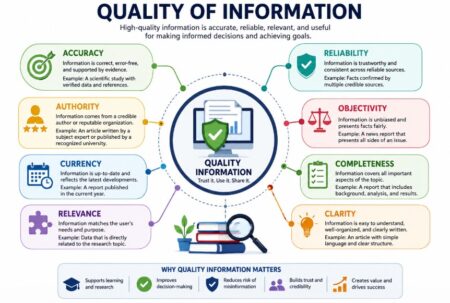
Information plays a pivotal role in unlocking potential, whether for individuals, organizations, or societies. Access to accurate, relevant, and timely information empowers people to make informed decisions, enhance their capabilities, and pursue opportunities that might otherwise be out of reach. In a rapidly evolving world, the ability to harness information effectively can open doors to new possibilities, drive innovation, and fuel growth. For individuals, information provides the foundation for education, skill development, and personal growth, helping them reach their goals and expand their horizons. For businesses and organizations, information is key to understanding market trends, consumer needs, and competitive landscapes, allowing them to make strategic decisions that unlock new opportunities for success. On a societal level, information fosters transparency, knowledge sharing, and collaboration, ultimately leading to collective progress and empowerment. In all these contexts, information acts as a catalyst that transforms potential into reality, enabling individuals and entities to realize their full capabilities and achieve their desired outcomes.
The Role of Information in Empowering Individuals and Communities
In today’s interconnected world, information is crucial in empowering individuals and communities. The ability to access, understand, and utilize information provides people with the tools they need to make informed decisions, improve their lives, and contribute to the well-being of their communities. Whether it’s through education, healthcare, economic opportunities, or political participation, information serves as a powerful force for personal and collective empowerment.
- Empowering Individuals through Education and Knowledge: One of the most profound ways in which information empowers individuals is through education. Access to knowledge enables people to expand their skills, enhance their understanding of the world, and pursue personal growth. In the digital age, online learning platforms, e-books, and open-access resources have made education more accessible than ever. People can now learn at their own pace, pursue new fields of interest, or acquire job-related skills from anywhere in the world. Education also plays a vital role in helping individuals make informed choices. Whether it’s making better health decisions, managing personal finances, or navigating legal systems, information is key to achieving independence and success. For example, a person who learns about financial literacy can make wiser decisions about saving, investing, and managing debt, leading to greater financial stability.
- Improving Health and Well-Being: Information is a critical tool for empowering individuals to take control of their health and well-being. With the rise of digital health platforms, individuals can now access information about medical conditions, treatment options, preventive care, and lifestyle choices. This increased access to health-related information enables people to make better decisions about their health, seek timely medical intervention, and manage chronic conditions more effectively. For example, access to information about nutrition and exercise can help individuals adopt healthier lifestyles, reducing the risk of chronic diseases like diabetes and heart disease. In addition, patients can use information to make informed choices about medical treatments, ask questions about their care, and advocate for their own health needs. In this way, information becomes a powerful tool for self-empowerment in healthcare.
- Economic Empowerment through Information: Economic empowerment is another area where information plays a vital role. Access to economic data, job opportunities, and financial tools helps individuals make informed decisions about their careers, investments, and personal finances. Information about job markets, salary trends, and educational requirements can guide individuals in their career choices, ensuring they are well-prepared for opportunities. Furthermore, financial literacy is a key aspect of economic empowerment. Information about budgeting, credit scores, taxes, and saving for retirement equips individuals to manage their finances effectively, reducing the risk of debt and enhancing financial security. In today’s world, digital tools like online banking, investment apps, and financial planning platforms provide easy access to information that helps individuals make sound financial decisions and plan for the future.
For communities, information about economic development programs, job training opportunities, and local businesses can boost local economies. By sharing information about available resources, communities can collectively improve their economic status, create jobs, and build sustainable industries. - Political Participation and Civic Engagement: Information plays a fundamental role in empowering individuals to participate in the political process and engage in civic activities. In democratic societies, having access to information about political candidates, policies, and voting procedures is crucial for making informed decisions during elections. When citizens understand the political landscape, they are better equipped to vote in ways that align with their values and priorities. Additionally, access to political information encourages individuals to become active participants in their communities, whether by joining advocacy groups, attending town hall meetings, or volunteering for political campaigns. Social media and digital platforms have also made it easier for individuals to engage with political issues, mobilize communities, and raise awareness about important causes.
For communities, having access to information about local governance, public services, and policy decisions is essential for holding elected officials accountable. When citizens are informed about how local governments function, they are more likely to advocate for the policies and programs that will benefit them most. Furthermore, information empowers marginalized groups to organize, protest, and demand their rights, contributing to more equitable and inclusive societies. - Strengthening Communities through Shared Knowledge: Communities thrive when individuals share information and work together to address common challenges. Access to information fosters collaboration and collective action, which are essential for community development. Whether it’s through organizing local events, advocating for improved infrastructure, or supporting local businesses, shared information helps communities identify needs, mobilize resources, and implement solutions.
For example, during times of crisis, such as natural disasters or pandemics, communities with strong networks of information sharing are better equipped to respond and support one another. In the case of a health emergency, for instance, the timely dissemination of accurate information about safety measures, vaccination sites, and available resources can save lives and mitigate the impact of the crisis. Furthermore, the sharing of information in the digital age has allowed communities to form global networks and collaborate on a larger scale. Social media, online forums, and collaborative platforms allow individuals from different parts of the world to connect, share knowledge, and work together toward common goals. This global exchange of information fosters solidarity, encourages innovation, and empowers communities to solve global challenges such as climate change, poverty, and social inequality.
Information is a powerful tool for empowering individuals and communities, providing them with the knowledge and resources necessary to make informed decisions and improve their lives. Whether it’s through education, healthcare, economic opportunities, or political participation, access to information enables people to reach their full potential and contribute to the development of their communities. In a world that is increasingly interconnected and driven by data, information is no longer just a commodity—it is a key enabler of empowerment, progress, and social change. As access to information continues to grow, the potential for positive transformation is limitless, making information an essential resource for building a more just, equitable, and sustainable world.
How Access to Information Contributes to an Individual’s Ability to Make Informed Decisions in Their Personal and Professional Life
Access to information is crucial in helping individuals make well-informed decisions, both personally and professionally. In everyday life, access to accurate, relevant, and timely information allows individuals to evaluate various options, anticipate consequences, and choose paths that align with their values, goals, and circumstances. For instance, when making personal financial decisions—such as budgeting, investing, or buying a home—having access to up-to-date market trends, expert opinions, and financial tools ensures that individuals can assess risks, understand costs, and make decisions that support their long-term financial well-being. Similarly, when it comes to health decisions, having reliable information about conditions, treatments, and prevention allows individuals to take proactive steps in managing their health and making choices that benefit their physical and emotional well-being.
In a professional context, information plays an equally significant role in decision-making. Professionals use access to industry trends, company performance data, or market research to guide their career or business choices. For example, a person evaluating job offers can compare salaries, benefits, company culture, and growth opportunities to make the best decision for their career progression. Business leaders and managers, too, rely on data, customer feedback, and internal reports to shape strategies, optimize operations, and make key decisions that affect the success of their organizations. Without timely and accurate information, decision-making in both personal and professional contexts would be based on incomplete or outdated knowledge, potentially leading to poor outcomes.
Therefore, access to information enables individuals to make informed, confident choices, reducing uncertainty and increasing the likelihood of success in both personal and professional endeavors. By ensuring that decisions are based on comprehensive data, individuals are better equipped to navigate challenges and seize opportunities effectively.
How the Availability of Information in Educational Settings Impacts the Intellectual and Social Development of Students
The availability of information in educational settings plays a crucial role in the intellectual and social development of students. Access to diverse and up-to-date information allows students to expand their knowledge base, enhance their critical thinking skills, and engage deeply with the subjects they are learning. Information provides the foundation for learning in the intellectual realm, enabling students to explore complex concepts, ask informed questions, and seek out new ideas. The ability to access digital libraries, online research databases, and educational resources empowers students to learn independently, engage with a wide range of perspectives, and develop a more nuanced understanding of the world. This broad access to information supports academic success and nurtures intellectual curiosity, fostering a lifelong love of learning.
Beyond intellectual development, the availability of information also plays a key role in the social development of students. In today’s interconnected world, information-sharing platforms, social media, and online collaboration tools help students connect with peers, teachers, and experts across the globe. These tools enable students to engage in collaborative learning, share ideas, and develop communication and interpersonal skills. By working together on projects, discussing ideas, and exchanging information, students learn to navigate diverse viewpoints, engage in respectful dialogue, and develop the social skills necessary for effective teamwork.
Access to information can also foster greater inclusivity and equity in education. By providing all students, regardless of their socio-economic background, with access to the same educational materials, resources, and learning opportunities, information helps level the playing field and empowers students to succeed. In turn, this contributes to more equitable educational outcomes, ensuring that all students have the opportunity to thrive both intellectually and socially. Overall, the availability of information in educational settings is foundational not only for academic achievement but also for the personal growth and social integration of students, preparing them to become informed, engaged, and responsible members of society.
How Digital Literacy and Access to Technology Can Help Individuals in Developing Countries Break the Cycle of Poverty
Digital literacy and access to technology are powerful tools that can help individuals in developing countries break the cycle of poverty. As the world becomes more interconnected through technology, those who are digitally literate and have access to the internet and digital devices are better equipped to take advantage of educational, economic, and social opportunities. In many developing countries, the lack of access to technology and digital skills creates barriers to progress, but when these barriers are removed, individuals are empowered to improve their circumstances, build sustainable livelihoods, and contribute to broader societal growth.
- Improved Access to Education and Skills Development: One of the most significant ways in which digital literacy helps break the cycle of poverty is by providing individuals with greater access to education. In many rural or low-income areas of developing countries, traditional educational resources are often scarce. Schools may be underfunded, teachers may be in short supply, and learning materials may not be readily available. However, the internet can offer an alternative solution, providing access to online courses, educational videos, digital textbooks, and other resources that can supplement traditional education.
For adults, online learning platforms can help them acquire new skills, whether for personal development or to improve their employability. Digital literacy allows individuals to participate in courses that teach marketable skills, such as coding, graphic design, and entrepreneurship. By gaining these skills, individuals can pursue new career paths, increase their chances of securing better jobs, and ultimately raise their income levels. This educational access can make a significant difference in lifting individuals and families out of poverty. - Creating Economic Opportunities and Encouraging Entrepreneurship: Access to technology and digital literacy also fosters economic opportunities for individuals in developing countries. Digital platforms enable entrepreneurs to reach global markets, create online businesses, and offer services through e-commerce platforms. For example, individuals can sell handmade goods, offer freelance services, or provide specialized knowledge through websites and social media platforms.
For people in rural areas or remote locations, technology allows them to tap into markets and customers that were previously inaccessible due to geographical constraints. With the power of the internet and digital payment systems, individuals can access customers and clients from anywhere in the world, helping them earn a steady income. Moreover, digital literacy enables individuals to manage their businesses more efficiently—through online tools for accounting, marketing, and customer communication—allowing for better resource management and growth. Additionally, mobile technology has revolutionized how individuals access financial services. In many developing countries, mobile banking services are growing rapidly, allowing people without access to traditional banking to open accounts, transfer money, and save. This financial inclusion is crucial for empowering individuals to manage their income, build savings, and make investments in their businesses or personal growth. - Access to Health Information and Services: In developing countries, access to healthcare can be limited by distance, cost, and lack of infrastructure. Digital literacy and technology provide individuals with easier access to health information and services. Mobile phones, for example, are increasingly being used to deliver essential health information to remote areas, such as vaccination schedules, disease prevention advice, and emergency medical guidance. Telemedicine platforms enable individuals to consult with doctors remotely, reducing the need for long travel times to see a healthcare professional. Moreover, digital literacy helps people understand the importance of preventive care, nutrition, sanitation, and healthy lifestyle choices. Access to accurate health information can reduce the spread of diseases, improve health outcomes, and lower healthcare costs for individuals and families, contributing to better overall well-being.
- Connecting People to Social Support Networks and Civic Engagement: In addition to economic and educational opportunities, digital literacy helps individuals in developing countries connect to social support networks. Social media platforms, online communities, and local digital forums provide spaces where people can share information, discuss common issues, and support one another. This can be particularly valuable for marginalized groups, who may otherwise feel isolated and lack a sense of belonging. Connecting to these digital networks allows individuals to find emotional support, collaborate on projects, and build a sense of community.
Furthermore, digital platforms allow individuals to become more engaged in their local or national politics. Access to online news, government services, and advocacy platforms enables people to stay informed about issues that affect them, such as policy changes, elections, and public programs. Digital literacy empowers people to participate in civic life, making it easier for them to raise their voices, advocate for their rights, and push for positive changes in their communities and societies. - Overcoming Geographic and Infrastructure Barriers: Technology has the power to overcome geographical and infrastructure barriers that often limit opportunities for people living in rural or remote areas of developing countries. The internet connects people across borders, enabling them to access a wealth of information and resources that were once difficult to reach. With mobile phones and internet access, individuals no longer have to rely solely on local services or face isolation due to their location. Information about job openings, local government programs, market trends, and agricultural practices can now be accessed from virtually anywhere.
This increased connectivity helps create a more level playing field, where individuals from underrepresented or rural areas can gain access to the same information and opportunities as those in urban centers. By bridging the digital divide, technology ensures that no one is left behind in the pursuit of economic and personal growth.
In developing countries, digital literacy and access to technology can be the keys to breaking the cycle of poverty. By empowering individuals with the skills, knowledge, and resources they need to thrive, technology helps unlock educational, economic, and healthcare opportunities that can lead to sustainable development and long-term improvement in living standards. As technology continues to advance and become more accessible, its potential to transform lives will only increase, providing new pathways for individuals to escape poverty and improve their futures. In a world where information is power, digital literacy is critical in empowering individuals to take control of their lives and achieve their full potential.
How the Free Flow of Information Contributes to the Transparency and Accountability of Governments and Institutions
The free flow of information is a cornerstone of democratic societies, playing a critical role in ensuring the transparency and accountability of governments and institutions. When information is accessible to the public, it allows citizens to stay informed about the actions, decisions, and policies of their leaders, enabling them to hold these institutions accountable for their actions. Transparency is enhanced when governments and organizations share information openly, whether it concerns public spending, legislative processes, or the enforcement of laws. This openness prevents corruption, fosters trust, and ensures that those in power are answerable to the people they serve.
For example, in countries like Sweden and Finland, the “Right to Information” laws ensure that citizens can access government documents and data, leading to greater transparency in public administration. These policies allow for the scrutiny of government expenditures, decision-making processes, and the functioning of public institutions. Such access to information has led to improved governance and a reduction in corruption, as officials are aware that their actions are open to public review.
Access to information also empowers citizens to participate meaningfully in political and civic processes. It enables individuals and groups to engage in debates, discuss policies, and advocate for change based on factual data and informed opinions. For example, in India, the implementation of the Right to Information Act (RTI) in 2005 has allowed ordinary citizens to request official information from government departments. This law has been instrumental in exposing government inefficiencies, uncovering corruption, and giving citizens a direct tool to demand accountability from public officials.
The free flow of information encourages institutions, both governmental and non-governmental, to act with greater responsibility. Knowing that their actions can be examined by the public and the media reduces the likelihood of unethical behavior or abuse of power. The media plays a critical role in this by acting as a watchdog, investigating and reporting on government and institutional practices. Investigative journalism, for instance, can uncover cases of corruption, human rights violations, or inefficiencies, prompting legal actions, policy reforms, or public outcry.
A prominent example of this is the “Panama Papers” leak in 2016, which exposed the offshore financial activities of politicians, business leaders, and public officials across the globe. The leak, which was made possible by the free flow of information through journalistic efforts, led to numerous investigations, resignations, and policy changes in several countries. This case highlighted how the free dissemination of information could lead to significant political accountability and systemic change.
In essence, the free flow of information ensures that power is not concentrated in the hands of a few, promoting a more just and equitable society where institutions are required to operate with integrity, transparency, and responsiveness to the public. It fosters a culture of accountability and encourages governments and institutions to prioritize the interests and well-being of their citizens. By examining real-world examples such as Sweden’s transparency laws, India’s RTI Act, and the Panama Papers scandal, we see how the open exchange of information can lead to positive change, better governance, and more active civic engagement.
The Impact of Misinformation and Lack of Access to Reliable Information on Empowerment
Misinformation and the lack of access to reliable information can significantly hinder the empowerment of individuals and communities, creating barriers to informed decision-making, progress, and social justice. In societies where accurate information is not readily available or is intentionally distorted, individuals may make choices based on false or incomplete data, which can lead to detrimental personal and collective outcomes.
One of the most immediate effects of misinformation is that it prevents people from making informed decisions about their health, finances, and well-being. For example, during the COVID-19 pandemic, widespread misinformation about the virus and its transmission hindered people’s ability to take appropriate precautions, leading to higher infection rates and unnecessary deaths. False claims about the virus’s origin, prevention, and treatment spread rapidly across social media platforms, undermining public health efforts and creating confusion. Similarly, misinformation about vaccines or medical treatments can result in individuals avoiding or delaying necessary health interventions, ultimately worsening public health outcomes. In the case of the anti-vaccine movement, misinformation about vaccine safety has contributed to vaccine hesitancy and outbreaks of preventable diseases like measles.
On a broader scale, when communities lack access to reliable information about political issues, economic opportunities, or social rights, they are unable to advocate for their needs or make informed decisions that affect their lives. This lack of awareness can perpetuate inequality, as marginalized groups may be unaware of their rights, available resources, or ways to hold governments accountable. For instance, many low-income communities may not have access to information about available social welfare programs or affordable healthcare options, which could improve their quality of life. In some parts of the world, such as rural areas in sub-Saharan Africa, access to information about agricultural best practices and climate change adaptation techniques can be limited, preventing farmers from improving productivity and managing their land sustainably.
Misinformation also fosters division and distrust within communities. When false or misleading information circulates, it can create conflict, sow distrust in institutions, and hinder cooperation between different social, political, or ethnic groups. For example, during the 2016 U.S. Presidential election, widespread misinformation and disinformation campaigns—particularly on social media—contributed to the polarization of the electorate, with false stories and conspiracy theories manipulating voters’ perceptions of candidates and issues. This misinformation undermined trust in the electoral process and the media, leading to increased social and political divides.
The lack of access to reliable information exacerbates existing power imbalances. Those in positions of power, such as governments or corporations, can exploit the lack of transparency to manipulate public opinion, avoid accountability, and perpetuate systems of control. For instance, in authoritarian regimes like North Korea or Russia, the government tightly controls the flow of information to prevent dissent and maintain control over the population. In these environments, the public is largely unaware of the realities outside the official narrative, which prevents them from demanding political or social change.
Without access to factual, transparent information, individuals and communities are left vulnerable to exploitation and are unable to challenge injustice or demand necessary reforms. For example, the lack of transparency in the allocation of aid during natural disasters or humanitarian crises often leads to corruption, mismanagement, and the diversion of resources, leaving those who need help the most without essential support.
How Information-Sharing Platforms Help Communities Build Solidarity and Advocate for Common Causes
In an increasingly connected world, information-sharing platforms such as social media and online forums have become essential tools for communities looking to build solidarity and advocate for common causes. These platforms offer unique opportunities for individuals to connect, share ideas, and mobilize collective action, regardless of geographical boundaries. By democratizing access to information, amplifying voices, and providing platforms for coordination, they enable communities to rally around shared goals, promote social justice, and push for systemic change.
- Facilitating Connection and Community Building: One of the primary ways that information-sharing platforms foster solidarity is by providing individuals with the ability to connect with others who share similar concerns and values. These platforms create spaces where people from diverse backgrounds, locations, and experiences can come together to engage in discussions, share resources, and support one another. For example, people advocating for climate change awareness can join Facebook groups, follow Twitter accounts, or participate in online forums dedicated to environmental issues, thus creating a global network of like-minded individuals working towards the same cause.
Social media platforms, in particular, help overcome geographical barriers by allowing people to interact in real time, sharing ideas, experiences, and strategies. This interconnectedness creates a sense of unity and common purpose that strengthens the bonds within a community. Online spaces also allow individuals who may feel isolated in their local environments to find others who share their passions and concerns, creating a supportive environment where collaboration can flourish. - Amplifying Voices and Raising Awareness: Social media and online forums have become critical tools for amplifying voices that may otherwise go unheard. These platforms allow individuals, especially those from marginalized communities, to share their stories, raise awareness of issues, and challenge dominant narratives. By providing a platform for diverse voices, social media encourages inclusivity and facilitates the visibility of causes that may not receive adequate attention in traditional media.
Movements such as #MeToo, Black Lives Matter, and the Arab Spring have demonstrated the power of social media in raising awareness of critical social issues. The #MeToo movement, for instance, gained momentum through Twitter and Facebook, where individuals could share personal experiences of sexual harassment and abuse. This led to a widespread global conversation and, eventually, concrete actions that resulted in policy changes, higher accountability, and greater social awareness. Similarly, Black Lives Matter used Twitter and other platforms to highlight racial injustice and police violence, sparking protests, discussions, and legal reforms.
These platforms also help amplify voices from grassroots movements. Local issues such as community displacement, unequal access to healthcare, or environmental degradation can be brought to the global stage when shared on social media. The viral nature of information-sharing online allows for the rapid spread of ideas, creating momentum that encourages widespread participation and support for causes. - Organizing and Mobilizing for Collective Action: Another powerful aspect of information-sharing platforms is their ability to organize and mobilize people for collective action. Whether it’s organizing a protest, coordinating a charity event, or rallying support for a political cause, these platforms provide the tools necessary for large-scale mobilization. Activists can use social media to share event details, coordinate logistics, and invite others to participate, all in real time and with a wide-reaching audience.
During the Arab Spring, social media played a pivotal role in organizing protests across the Middle East. In countries like Tunisia and Egypt, activists used Facebook, Twitter, and YouTube to mobilize citizens, disseminate information, and document human rights abuses. This digital connectivity allowed people to bypass state-controlled media and communicate freely, resulting in massive mobilizations that led to political change in the region. Similarly, in the United States, online platforms were instrumental in organizing marches, campaigns, and advocacy efforts related to social justice issues, such as the Women’s March.
Online petitions, crowdfunding campaigns, and social media challenges also serve as effective tools for generating support, raising funds, and creating a sense of shared purpose among individuals. Through these platforms, movements can quickly gather support and amplify their impact by engaging people across various regions and demographics. - Educating and Empowering Communities: Information-sharing platforms connect and mobilize people and serve as educational tools that empower communities. These platforms offer access to a wealth of resources, including articles, research studies, videos, and how-to guides, which can be used to educate individuals about their rights, social issues, or practical ways to get involved in activism. For example, individuals can access online courses, webinars, and tutorials to learn about topics like voter rights, environmental sustainability, or the legislative process, empowering them to take informed action. Additionally, information-sharing platforms foster the exchange of ideas and strategies that can strengthen the effectiveness of advocacy efforts. Activists and community leaders can share successful tactics, tools, and resources that have worked in their own campaigns, thus enabling others to adopt and adapt these strategies in their own contexts. For example, digital storytelling and visual content are increasingly used to advocate for causes, helping communities convey their messages in more impactful and engaging ways.
- Overcoming Censorship and Increasing Transparency: In many parts of the world, government censorship and restrictions on free speech limit the flow of information. In such environments, information-sharing platforms serve as a vital tool for resistance and advocacy. Activists can bypass traditional media restrictions and share information about human rights violations, government corruption, and social injustices with a global audience. Platforms like Twitter, Instagram, and YouTube provide individuals with the ability to share real-time updates and evidence that would otherwise be suppressed.
In countries where traditional media outlets are controlled by the state, these digital platforms act as an outlet for alternative voices, enabling citizens to document protests, report injustices, and provide transparency. For instance, during political uprisings or protests, social media often becomes a primary source of information, as people on the ground can share images, videos, and updates that challenge the official narrative provided by the government.
Information-sharing platforms, including social media and online forums, have fundamentally transformed how communities build solidarity and advocate for common causes. These platforms allow individuals to connect across borders, amplify marginalized voices, and mobilize for collective action. By facilitating the rapid spread of information, encouraging dialogue, and empowering individuals with the resources and tools needed for activism, these platforms have become essential in shaping social movements, promoting justice, and driving change on a global scale. Whether through organizing protests, raising awareness about critical issues, or providing access to educational resources, information-sharing platforms are crucial in creating a more engaged, informed, and connected world.
How Access to Information and Knowledge Empowers Individuals to Participate More Actively in Democratic Processes
Access to information and knowledge is a fundamental component of active participation in democratic processes such as voting and policymaking. When individuals have access to accurate, timely, and comprehensive information, they are better equipped to make informed decisions about the issues that directly affect their lives. This empowerment enhances their ability to engage with democratic processes in a meaningful way, ensuring that their voices are heard and that they can advocate for policies that align with their values and needs.
In the context of voting, access to information allows individuals to understand the platforms and policies of candidates, the details of proposed legislation, and the implications of various political choices. For example, voters who are informed about the positions of candidates on healthcare, education, or environmental policy can make choices that reflect their personal priorities. The more knowledge voters have about the candidates’ track records and positions on key issues, the more likely they are to make decisions that will benefit both themselves and society as a whole. Additionally, access to information about the voting process itself—such as voter registration deadlines, polling station locations, and the voting system—ensures that people can exercise their right to vote without confusion or disenfranchisement.
Beyond voting, access to information empowers individuals to engage in policymaking by providing them with the tools to advocate for specific changes in their communities or countries. When individuals are well-informed about the issues, they are better able to participate in public debates, attend town hall meetings, and join civil society organizations that influence policy decisions. Public debates on key issues such as climate change, social justice, or economic policy are more meaningful when people can engage with factual, well-researched information. This helps create a more inclusive political environment where diverse perspectives can contribute to well-rounded, evidence-based decision-making.
When citizens are informed about their rights and the functioning of their political systems, they are better positioned to hold elected officials accountable. Transparency in government operations and policy decisions helps ensure that politicians act in the best interests of their constituents, as informed citizens can demand answers and push for reforms when necessary. In this way, knowledge not only empowers individuals to vote and participate in policymaking but also fosters an environment of accountability and active civic engagement.