In today’s rapidly evolving world, the relationship between information, creativity, and problem-solving is more important than ever. These three elements are deeply interconnected and play a critical role in driving innovation, overcoming challenges, and achieving success across various fields. Information serves as the foundation by providing knowledge and data that inform decisions, while creativity allows individuals and organizations to think beyond the obvious, generating new and innovative ideas. Problem-solving ties it all together, as it applies both information and creative thinking to address real-world issues, develop practical solutions, and drive progress.
Understanding how these elements work together is crucial for fostering an environment where innovation can thrive. Information fuels creativity by offering raw materials that can be reinterpreted in new ways, while creativity brings fresh perspectives to how information is applied. In turn, problem-solving ensures that creative ideas are tested, refined, and implemented effectively to solve tangible problems. This dynamic relationship forms the backbone of innovation, allowing people to tackle complex challenges, make informed decisions, and, ultimately, improve systems, processes, and outcomes across industries.
The Relationship Between Information, Creativity, and Problem-Solving
Information, creativity, and problem-solving are intrinsically connected in the process of addressing challenges, generating new ideas, and finding innovative solutions. Each element plays a crucial role in driving success, whether in personal decision-making, business, or scientific discovery. The relationship between them is dynamic and synergistic, where information fuels creativity, and creativity, in turn, enhances problem-solving. Here’s how they interact:
- Information: The Foundation for Creativity and Problem-Solving
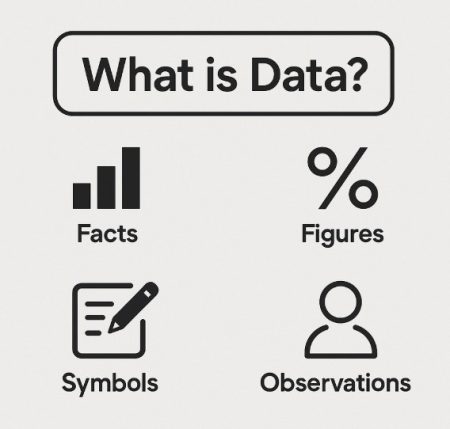
At the heart of creativity and problem-solving lies information. Information provides the raw materials necessary for understanding the world around us, making decisions, and generating new ideas. It can take many forms, including facts, data, knowledge, and experiences. Without information, creativity and problem-solving would be aimless, lacking a context in which to operate.
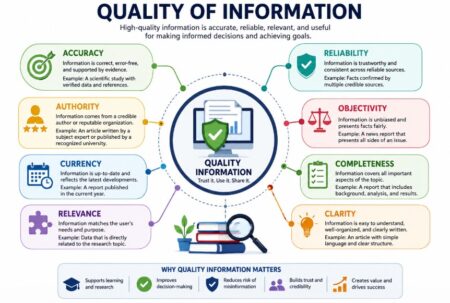
For example, in scientific research, information gathered from experiments, past studies, and empirical data informs new hypotheses and experiments. In business, market research and customer feedback provide essential insights that guide product development and decision-making. Information gives us the framework in which creativity can flourish, and problem-solving can take place. However, simply possessing information is not enough. It is how information is accessed, processed, and applied that drives creativity and problem-solving. The quality, relevance, and accuracy of information are critical, as they shape the foundation upon which creative ideas and solutions are built. - Creativity: Bridging Information and Innovation
While information provides knowledge, creativity is what enables individuals and teams to go beyond existing solutions and generate novel ideas. Creativity is the ability to think differently, connect seemingly unrelated pieces of information, and explore new perspectives. It is a mental process that allows individuals to transform raw data into innovative ideas that push boundaries and open up new possibilities.
Creativity is the key ingredient that transforms information into breakthroughs. When individuals are faced with a challenge or a problem, they often rely on their creative thinking to explore various approaches. For instance, in technology, the development of smartphones required a creative synthesis of various existing technologies—computing, telecommunications, and design—to create a product that revolutionized the way we live and communicate. Creativity involves thinking outside the box, leveraging information to imagine new solutions, and turning those ideas into actionable concepts.
The process of creativity is not necessarily linear. It often involves brainstorming, trial and error, and rethinking existing ideas. This creative process relies on a deep understanding of information, which can be reinterpreted, combined, and applied in ways that were not originally apparent. In many cases, creativity involves breaking free from traditional frameworks and adopting a fresh mindset to tackle problems. - Problem-Solving: Applying Creativity to Real-World Challenges
Problem-solving is the practical application of creativity and information. It is the process of identifying a challenge, analyzing the available information, and developing a solution that effectively addresses the issue. Problem-solving takes the insights and ideas generated through creativity and turns them into real-world applications that solve specific problems.
The problem-solving process often follows a structured approach, starting with the identification of the problem, gathering relevant information, brainstorming potential solutions, and implementing the most viable options. Here, creativity plays a critical role by offering multiple solutions or alternative approaches to solving a problem. However, creativity alone is not enough; the ability to analyze information, test different ideas, and select the most effective solution is equally important.
In business, for example, problem-solving might involve analyzing customer data, identifying pain points in a service or product, and then using creative ideas to develop a solution that meets customer needs. In healthcare, solving complex medical challenges involves using both the latest research (information) and innovative approaches to treatment or prevention. In this way, creativity and information work hand in hand to solve pressing issues and drive innovation. Moreover, problem-solving often requires continuous feedback and adaptation. As solutions are implemented, new information may surface that requires the process to be adjusted or refined. This iterative process of testing, learning, and adapting ensures that the solutions generated are not only creative but effective in solving the problem at hand. - The Synergy Between Information, Creativity, and Problem-Solving
The relationship between information, creativity, and problem-solving is highly dynamic and interdependent. Each element feeds into the others in a continuous cycle. Information provides the context and foundation for creativity to emerge, while creativity generates new ideas that are tested and refined through problem-solving. Once a problem is solved, new information is generated that can further enhance creativity and lead to additional innovations.
For example, in the realm of artificial intelligence (AI), vast amounts of data (information) are used to train machine learning algorithms. Creativity is applied in developing new algorithms, improving existing ones, and finding innovative ways to use AI in solving real-world problems. The problem-solving process applies these algorithms to address challenges in fields such as healthcare, finance, and transportation. As AI systems are used in real-world applications, new data is collected, which leads to further refinement of algorithms and creative breakthroughs in AI development.
This synergy also occurs in everyday problem-solving scenarios. Take, for instance, a team tasked with designing a new marketing campaign. The team starts by gathering information about the target audience, market trends, and consumer behavior. Using this data, they brainstorm creative ideas for the campaign. After selecting a concept, they implement the campaign and monitor its effectiveness. Any new information about customer responses is then used to tweak and improve the campaign, leading to more effective solutions.
The relationship between information, creativity, and problem-solving is essential for driving innovation and finding solutions to complex challenges. Information provides the foundation of knowledge, creativity enables individuals to think beyond conventional boundaries, and problem-solving translates these ideas into actionable outcomes. By leveraging all three elements, individuals and organizations can tackle problems more effectively, foster innovation, and generate ideas that lead to meaningful progress. The interconnectedness of these processes ensures that as information grows and creativity flourishes, the potential for solving the world’s most pressing problems increases exponentially.
Real-Life Examples of Information, Creativity, and Problem-Solving
The relationship between information, creativity, and problem-solving is evident in many real-life scenarios across various industries. These examples showcase how information fuels creativity, creativity leads to innovative solutions, and problem-solving applies these ideas to real-world challenges. Here are a few examples:
- Healthcare: Development of the COVID-19 Vaccine: The development of COVID-19 vaccines is an excellent example of how information, creativity, and problem-solving intersect to solve a global challenge. The information was available through previous research on coronaviruses and RNA technology, providing a foundation for scientists to understand the virus’s structure and behavior. Creative thinking was applied in developing new vaccine platforms, particularly the mRNA technology used in the Pfizer and Moderna vaccines. This creative solution allowed researchers to quickly adapt and respond to the pandemic.
Problem-solving played a crucial role in clinical trials, where information from early phases helped refine dosages, side effects, and administration strategies. The entire process—leveraging existing data, applying creativity in the form of novel vaccine technologies, and continuously solving problems in real time—illustrates how these three elements worked together to address an urgent global health crisis. - Business: Apple’s iPhone Development: Apple’s development of the iPhone is another example of the powerful relationship between information, creativity, and problem-solving. Information about existing mobile phones, user needs, and technological capabilities provided the data that the team used to understand what was lacking in the market. However, it was creativity that enabled Apple to reimagine the mobile phone, combining a phone, an iPod, and an internet device into one innovative product with a touchscreen interface.
Problem-solving played a role in refining the technology and design, addressing challenges like battery life, screen resolution, and software functionality. Apple’s ability to combine information (existing technologies), creativity (innovative design), and problem-solving (overcoming technological barriers) revolutionized the way people use mobile devices and set the standard for smartphones globally. - Environmental Solutions: Solar Power Advancements
The development of solar energy technology is a real-life example where information, creativity, and problem-solving have worked together to create more sustainable energy solutions. Information about the Earth’s energy needs, the science of solar power, and the environmental impacts of traditional energy sources informed the drive toward renewable energy. Creativity was key in developing new types of solar panels, such as thin-film solar cells and solar windows, which allow for more efficient and cost-effective energy generation.
Problem-solving was essential in scaling the technology for widespread use. Challenges like energy storage, panel efficiency, and installation logistics were addressed through innovative solutions, such as the development of better battery storage systems and improved solar panel materials. The collaboration of information, creativity, and problem-solving has made solar power a more viable and sustainable alternative energy source. - Technology: Google’s Search Engine Algorithm
Google’s search engine is a prime example of how information, creativity, and problem-solving work together to create a revolutionary tool. Information about user behavior, the vast array of websites, and existing search technologies laid the groundwork for Google’s development. Creativity came into play with the innovative PageRank algorithm, which ranked web pages based on the quality and relevance of incoming links rather than just keywords.
Problem-solving was essential in improving the algorithm to handle billions of searches, refine search results, and address issues like spam and irrelevant links. Over time, Google continued to solve problems by updating its algorithms (such as the development of AI and machine learning for better search results), ensuring that the platform remained effective and user-friendly. This integration of information, creativity, and problem-solving has made Google the dominant search engine worldwide. - Social Change: The Civil Rights Movement
The Civil Rights Movement in the United States is another example of how information, creativity, and problem-solving intersect in the context of social change. Information about racial injustice, legal disparities, and human rights violations provided the foundation for the movement, drawing attention to the systemic issues that needed to be addressed. Creativity played a central role in the strategies used by activists, from peaceful protests to sit-ins, boycotts, and speeches that captured public attention and rallied support for the cause.
Problem-solving was evident in the legal battles and political strategies used to push for changes in laws and policies. For example, the use of legal action, such as the Brown v. Board of Education case, helped dismantle segregation in public schools. The integration of information (awareness of injustice), creativity (innovative protest tactics), and problem-solving (legal challenges and policy changes) led to significant social transformation and progress. - Transportation: Tesla’s Electric Vehicles
Tesla’s electric vehicles (EVs) are an example of how information, creativity, and problem-solving combine to create a groundbreaking product. Information about the environmental impact of fossil fuels and the limitations of traditional combustion engines provided the data that spurred the development of electric vehicles. Creativity was applied in designing EVs that reduce emissions and offer performance and style, appealing to a broad market of environmentally conscious consumers.
Problem-solving played a role in addressing challenges such as battery life, charging infrastructure, and cost. Tesla overcame these barriers by innovating in battery technology and developing a network of Supercharger stations. The company’s success is a testament to how information (the environmental need for clean energy), creativity (reimagining the electric vehicle), and problem-solving (overcoming technical and infrastructural challenges) can drive industry transformation.
These real-life examples illustrate the dynamic relationship between information, creativity, and problem-solving. Whether in healthcare, business, technology, social change, or the environment, these three elements work together to create solutions that drive progress and innovation. Information provides the foundation, creativity sparks new ideas, and problem-solving applies those ideas to create tangible outcomes. As global challenges become increasingly complex, the ability to effectively combine these elements will be essential in finding solutions and improving lives worldwide.
The Role of Information in Problem-Solving
Information plays a crucial role in the problem-solving process, acting as the foundation upon which effective solutions are built. The first step in problem-solving often involves gathering relevant information to fully understand the issue at hand. By obtaining accurate and comprehensive data, individuals can define the problem more clearly and identify its root causes. Information helps in assessing the context, understanding the scope of the problem, and determining the constraints or limitations that must be considered. Without sufficient information, it is challenging to make informed decisions or to identify the best possible course of action.
Once the problem is defined, information continues to be vital in generating potential solutions. By exploring existing knowledge, consulting experts, or analyzing relevant data, individuals can develop a variety of approaches to address the issue. Information allows for the evaluation of different alternatives, enabling problem-solvers to weigh the benefits and risks associated with each option. It also provides the basis for predicting outcomes and selecting the most effective solution.
During the implementation of a chosen solution, information remains essential for monitoring progress and adjusting strategies as needed. As new information arises—whether through feedback, testing, or unforeseen challenges—it helps refine the approach and ensure that the solution is working as intended. This continuous cycle of information gathering, analysis, and adaptation is what makes problem-solving dynamic and iterative, allowing individuals and organizations to stay responsive to changing circumstances.
Information guides every step of the problem-solving process, from understanding the problem to implementing and refining the solution. Its role in informing decisions, enhancing creativity, and ensuring effective actions underscores its importance in achieving successful outcomes.
Creativity and Its Connection to Information
Creativity and information are deeply intertwined, with information serving as both a catalyst and a foundation for creative thinking. Creativity is the ability to generate new ideas, solutions, or perspectives, often by combining existing knowledge in novel ways. Information, in this context, provides the raw material from which creative insights are drawn. Without information, creativity would lack direction and context; it would be like trying to create something from nothing. The more information an individual has, the broader the scope for creative exploration, as diverse knowledge can be synthesized and reimagined into innovative concepts.
Creativity thrives on the ability to connect seemingly unrelated pieces of information, find patterns, and reframe existing data in a new light. For example, an artist may use their knowledge of color theory, historical art movements, and personal experiences to create a unique work. In business, creative product development relies on combining market research, technological advancements, and customer feedback to design innovative solutions that meet evolving needs. In each case, information is not just a resource; it’s the foundation upon which creativity builds.
Information can inspire creativity by providing exposure to new ideas, trends, and perspectives. The more information a person has, the greater their ability to think outside the box and find unique ways to approach problems. Creativity cannot exist in a vacuum—it is driven by information, which provides both the boundaries and the freedom to innovate. The relationship between creativity and information is, therefore, symbiotic: information informs creativity, and creativity reinterprets and transforms information into something original and valuable.
How Information Fuels Creativity in Problem-Solving
Information is a critical driver of creativity in problem-solving, serving as both a foundation and a catalyst for innovative thinking. When faced with a challenge, the first step in problem-solving is to gather relevant information that provides insight into the issue at hand. This information can come in many forms—data, research, personal experiences, or knowledge from experts—and it provides the context needed to understand the problem more deeply. The more information available, the wider the scope for creative thinking, as it allows individuals to explore multiple perspectives and options.
Creativity in problem-solving is often sparked by the ability to connect different pieces of information in new ways. Information gives problem-solvers the raw materials to think outside of conventional frameworks and generate innovative ideas. For example, an engineer solving a technical issue may combine knowledge of physics, material science, and previous project experiences to design a unique solution. Similarly, in business, analyzing market trends, customer feedback, and technological advancements enables the creative development of products or services that meet evolving needs.
Information allows individuals to refine their understanding of the problem’s context, which can lead to more creative solutions. By considering the constraints, available resources, and potential outcomes, information helps reframe the problem, leading to a broader and more holistic approach. For instance, in the healthcare sector, understanding patient data, medical research, and treatment effectiveness can inspire new methods of care that prioritize efficiency and patient outcomes.
Ultimately, the relationship between information and creativity is symbiotic. Information fuels creativity by providing a knowledge base from which to draw insights and ideas. In turn, creativity allows individuals to transform this information into new approaches and solutions. By combining the right data with creative thinking, problem-solvers can generate innovative and effective solutions that may not have been possible otherwise.
The Problem-Solving Process: From Information to Creativity
Problem-solving is vital in every aspect of life, whether in business, science, education, or personal challenges. It involves identifying a problem, gathering relevant information, generating potential solutions, and selecting the most effective course of action. The process of problem-solving is both structured and dynamic, requiring a combination of logic, analysis, and creativity. A critical aspect of this process is the relationship between information and creativity, which work together to drive innovation and produce effective solutions. This article explores the journey from information gathering to creative problem-solving, highlighting the essential steps involved in solving problems effectively.
- Step 1: Identifying the Problem- The first step in the problem-solving process is to clearly identify the problem. This step requires gathering initial information to understand the issue and its context. It’s essential to pinpoint the core problem, as failure to do so can lead to misdirected efforts. Information gathering at this stage could involve analyzing existing data, consulting stakeholders, or simply observing the situation to gain a deeper understanding.
For example, a business might face a decline in sales. To identify the problem, the company would need to gather information on sales trends, customer feedback, competitor behavior, and market conditions. By collecting all relevant information, the company can precisely define the problem, which is the foundation for moving forward in the problem-solving process. - Step 2: Gathering and Analyzing Information- Once the problem is identified, the next step is to gather more detailed information that can inform the development of solutions. This stage involves research, data collection, and analysis. The more comprehensive and accurate the information, the better-equipped individuals or teams will be to understand the problem fully and explore effective solutions.
In a business context, information could include sales reports, customer surveys, market research, and financial records. In scientific research, this may involve literature reviews, experiments, and existing data sets. The goal of gathering information is to understand the problem itself and gain insights into potential constraints, opportunities, and the broader context in which the problem exists.
This process of information gathering also involves analyzing the data to identify patterns, trends, or gaps in knowledge. It may require using tools like data analytics, brainstorming sessions, or expert consultations. By interpreting the information correctly, problem-solvers can develop a clearer picture of the situation and begin to understand the underlying causes of the issue. - Step 3: Generating Creative Ideas- With a solid understanding of the problem and the context, the next step is to generate potential solutions. This is where creativity plays a crucial role in the problem-solving process. Creativity is about thinking beyond traditional approaches and exploring new possibilities. It involves reimagining the problem and considering unconventional solutions that might not be immediately obvious.
Creative problem-solving often requires a shift in perspective. By thinking outside the box, individuals or teams can come up with ideas that challenge assumptions and offer new pathways to solving the problem. In this stage, there are no bad ideas—brainstorming, ideation, and free-flowing thinking are encouraged. The goal is to generate a wide variety of solutions, some of which may be practical and others that may be more experimental. This diversity of ideas allows problem-solvers to later refine and evaluate the most promising options.
For instance, if a company is struggling with low customer engagement, the creative process might involve thinking of new ways to interact with customers, from personalized offers to using new technologies like AI or virtual reality to enhance user experience. Creativity here enables the generation of bold, novel ideas that wouldn’t necessarily emerge from traditional problem-solving methods. - Step 4: Evaluating and Refining Ideas- Once a list of potential solutions has been generated, it is time to evaluate and refine them. This stage involves analyzing each idea in terms of feasibility, effectiveness, and impact. Information gathered earlier in the process plays a key role in this evaluation, as it allows problem-solvers to assess which solutions are most likely to address the root causes of the problem.
In a business context, solutions are typically evaluated based on factors such as cost, potential return on investment, scalability, and alignment with organizational goals. Creative solutions may need to be refined to ensure they are practical and capable of being implemented effectively. This is also the stage where prototypes, testing, and piloting can take place to further evaluate the solution’s viability.
For example, if a proposed solution involves the launch of a new product or service, market testing, and pilot programs can help assess customer reactions, identify potential issues, and fine-tune the approach before full implementation. The key at this stage is to refine ideas into workable solutions that are both innovative and feasible. - Step 5: Implementing the Solution- Once the best solution has been selected and refined, the next step is implementation. This stage involves putting the chosen solution into action and ensuring that all necessary resources, plans, and systems are in place to execute the solution effectively. Implementation requires careful planning, coordination, and communication to ensure the solution is executed as intended.
For example, in a business, implementing a new marketing strategy might involve coordinating with various teams—design, sales, customer service, and digital marketing—to ensure a smooth rollout. The problem-solving process at this stage is about execution: bringing together the information, creativity, and refined ideas into a tangible outcome. - Step 6: Monitoring and Adjusting- The final step in the problem-solving process is monitoring the results and making adjustments as necessary. Even after a solution is implemented, it is crucial to track its effectiveness and ensure that it is solving the problem as expected. New information may emerge, or unforeseen challenges may arise, requiring further refinement or adjustments to the solution.
For instance, after implementing a new product, companies typically collect customer feedback, track sales, and assess market reactions. If the solution doesn’t fully resolve the issue or generates new challenges, problem-solvers may need to revisit the earlier stages—gathering more information, brainstorming new creative solutions, and refining the approach.
The problem-solving process is a dynamic and iterative journey that requires a balance of information, creativity, and strategic thinking. By starting with a clear understanding of the problem, gathering relevant information, and allowing creativity to fuel innovative ideas, individuals and teams can generate effective solutions to even the most complex challenges. Through continuous evaluation, refinement, and implementation, problem-solvers can ensure that their solutions are effective and adaptable to changing circumstances. The ability to move from information to creativity and, ultimately, to problem resolution is a skill that is essential for success in today’s fast-paced and ever-changing world.
Practical Tips for Enhancing Creativity and Problem-Solving Through Information
The ability to leverage information effectively can greatly enhance creativity and improve problem-solving capabilities. When used strategically, information can serve as the foundation for generating innovative ideas and crafting solutions to complex challenges. Below are some practical tips for enhancing creativity and problem-solving through information:
- Diversify Your Information Sources: To spark creativity, it’s essential to draw from a wide range of information. The more diverse your sources, the more likely you are to make unique connections between seemingly unrelated ideas. Gather information from different disciplines, industries, and perspectives. For example, reading articles outside of your immediate area of expertise, engaging with people from different backgrounds, or exploring topics that are unrelated to your problem can bring fresh insights that fuel creative thinking. The more diverse the information, the more opportunities you have to synthesize new ideas and approaches.
- Use Data and Analytics to Inform Ideas: In today’s world, data is abundant and can provide powerful insights that drive creativity. Use data analytics to uncover trends, patterns, and correlations that may not be immediately obvious. For example, customer feedback, sales data, or behavioral analytics can help you understand pain points or areas of opportunity. By looking at problems through the lens of data, you can create evidence-based solutions that are both creative and effective. The key is not just collecting information but analyzing and interpreting it in innovative ways to drive creative solutions.
- Collaborate and Share Information: Collaboration is a powerful tool for creativity and problem-solving. Sharing information with others can lead to new insights and approaches. You can combine different perspectives, ideas, and experiences by collaborating with individuals from diverse backgrounds and expertise. Collective brainstorming sessions, team discussions, and knowledge-sharing initiatives often lead to creative breakthroughs. When team members freely exchange information and challenge each other’s ideas, it creates an environment that fosters creativity and innovation.
- Challenge Assumptions and Reframe Problems: When faced with a problem, it’s easy to approach it based on assumptions or preconceived notions. To enhance creativity, challenge these assumptions by questioning the status quo and reframing the problem. Information is essential here, as it helps you explore alternative viewpoints. Instead of taking information at face value, ask questions like, “What if we looked at this from a completely different angle?” or “What if the problem isn’t what we initially thought?” Reframing a problem opens up new avenues for creative solutions and encourages out-of-the-box thinking.
- Use Technology and Tools to Access Information Efficiently: Technology can greatly enhance how you gather and process information. Utilize digital tools and platforms, such as data visualization software, collaborative tools, and artificial intelligence, to collect, analyze, and share information more efficiently. For example, using mind-mapping software can help you organize and visualize connections between different pieces of information, making it easier to spot patterns and generate new ideas. The right tools can help streamline the process of gathering and interpreting information, allowing you to focus more on creative problem-solving.
- Make Time for Reflection and Incubation: Information alone doesn’t always lead to creativity. Sometimes, the best ideas emerge when you give yourself time to step back and reflect. After gathering all the necessary information, allow yourself time to process and let ideas incubate. This could mean taking a break, going for a walk, or engaging in an unrelated activity. Often, the creative connections come when you least expect them, allowing your subconscious to sift through the information and generate new insights. Regularly making time for reflection helps you better integrate information into your creative process and develop more effective solutions.
- Experiment and Prototype Solutions: Creativity is not only about thinking; it’s about doing. Once you have gathered information and generated ideas, don’t hesitate to experiment and prototype potential solutions. This step allows you to test ideas in a real-world context and gain valuable feedback that can guide further creative thinking. Prototyping encourages iterative thinking, where you continually refine your ideas based on the results you receive. By actively experimenting with information, you can discover new possibilities and learn from the outcomes, leading to more innovative problem-solving.
- Establish a Knowledge-Sharing Culture: Creating a culture of knowledge-sharing is essential to enhancing creativity in problem-solving. This could be in an organization, team, or community. Encourage individuals to share not only their successes but also their failures, insights, and lessons learned. When people feel comfortable sharing information, it opens up opportunities for cross-pollination of ideas. The more information is shared and discussed, the more creative solutions emerge. This collaborative approach fosters an environment where creativity is nurtured, and problem-solving becomes a team effort.
- Stay Curious and Continuously Learn: Being proactive in learning and staying curious about the world around you enhances your ability to draw on new information. Read widely, attend workshops, engage with experts, or simply ask questions about things you don’t know. Continuously acquiring new knowledge ensures that you are exposed to fresh information that can inform your creative problem-solving process. Curiosity broadens your knowledge base, and the more information you have, the more creative connections you can make.
- Create a Structured Process for Gathering Information: To make information more useful in the creative and problem-solving process, it’s essential to have a structured approach to gathering and organizing it. Whether you’re solving a personal issue or tackling a business challenge, establish a method for collecting data, categorizing information, and identifying key insights. A systematic approach allows you to efficiently analyze and synthesize the information, ensuring that no critical details are overlooked. Having this structure in place allows creativity to flourish, as you can easily access the information needed to inform your ideas.
Enhancing creativity and problem-solving through information is not just about accumulating data but about using that information in innovative ways. By diversifying your information sources, collaborating with others, challenging assumptions, and leveraging technology, you can fuel creative thinking and solve problems more effectively. The key is to view information as an essential tool that supports and enhances creativity rather than as a static resource. When used strategically, information becomes a powerful driver of innovation, allowing you to generate effective solutions and address challenges with confidence and creativity.