The Reference Service Section of a library is a dedicated area designed to assist users in accessing accurate, reliable, and in-depth information. This section houses specialized resources such as encyclopedias, dictionaries, atlases, bibliographies, directories, and other reference materials that provide quick answers and detailed insights on a wide range of topics. Unlike the general collection, materials in the Reference Service Section are typically non-circulating, meaning they are meant to be used within the library to ensure their availability to all users.
The primary purpose of the Reference Service Section is to support students, researchers, and the general public in their quest for knowledge by offering tailored guidance and assistance. Professional reference librarians play a crucial role in this section, helping users locate specific information, navigate databases, and make the most of both print and digital resources. As a vital part of any library, the Reference Service Section acts as a hub for information literacy, academic support, and lifelong learning, bridging the gap between users and the vast world of knowledge.
What is the Reference Service Section in a Library?
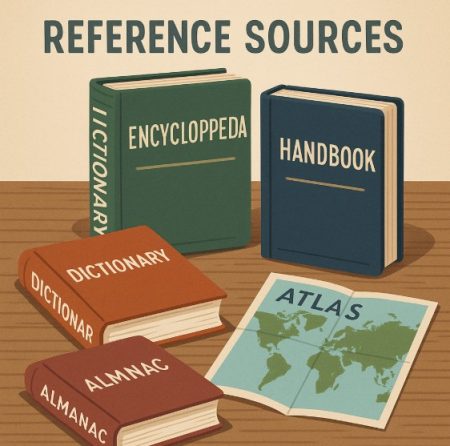
The Reference Service Section in a library is a specialized area dedicated to meeting the informational and research needs of its users. This section is designed to provide quick and accurate answers to specific questions and guide users in accessing reliable and authoritative resources. It houses a range of reference materials such as encyclopedias, dictionaries, directories, handbooks, atlases, and statistical compilations. Unlike the general library collection, the resources in this section are usually non-circulating, meaning they are available for use within the library to ensure accessibility for all patrons.
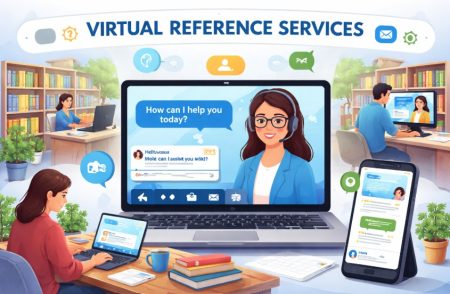
A distinctive feature of the Reference Service Section is the role of reference librarians, who are trained professionals equipped to assist users in navigating library catalogs, databases, and other informational tools. These librarians provide personalized support by helping users refine their search strategies, locate hard-to-find materials, and make sense of complex resources. The section often integrates digital tools, offering access to online databases, e-books, and virtual reference services, making it a bridge between traditional library services and modern technology.
The Reference Service Section fosters knowledge discovery, supports academic and professional research, and promotes information literacy. Connecting users with high-quality, curated resources ensures that libraries remain a trusted hub for accurate and comprehensive information.
What is the Main Purpose of the Reference Service Section in a Library?
The main purpose of the Reference Service Section in a library is to provide users with personalized support and access to high-quality information resources that cater to their specific needs. This section is designed to help individuals find accurate, reliable, and relevant information efficiently, whether they are conducting academic research, working on professional projects, or seeking answers to personal inquiries. It houses a variety of specialized resources, including encyclopedias, dictionaries, atlases, handbooks, directories, and online databases, which are often non-circulating to ensure they are readily available to all users.
A key feature of the Reference Service Section is the presence of skilled reference librarians who offer expert guidance. These professionals assist users in navigating the library’s catalogs, databases, and other informational tools while also helping them refine their search strategies and interpret complex resources. Beyond answering specific queries, the Reference Service Section promotes information literacy by teaching users how to locate and evaluate credible information independently. This section is vital in supporting academic success, fostering research, and encouraging lifelong learning by bridging the gap between users and the resources they need.
How Does the Reference Service Section Assist Library Users?
Libraries are often regarded as gateways to knowledge, offering access to vast information resources. At the core of this mission is the Reference Service Section, a specialized area of the library that provides personalized assistance and supports users in finding accurate and reliable information. This section is particularly valuable for individuals seeking expert guidance, whether for academic research, professional projects, or personal learning. Here are some key ways it supports library users:
- Personalized Guidance and Expertise: One of the primary functions of the Reference Service Section is to offer users personalized assistance through trained reference librarians. These professionals possess expertise in information retrieval and are skilled at guiding users through the library’s resources. Whether a user is searching for specific data, unfamiliar with research tools, or unsure where to start, reference librarians provide tailored support to meet their needs. They help users refine search strategies, identify relevant materials, and navigate both physical collections and digital platforms.
- Access to Specialized Resources: The Reference Service Section houses a variety of specialized resources that cater to diverse informational needs. These include encyclopedias, dictionaries, handbooks, atlases, directories, and bibliographies, as well as access to online databases and digital reference materials. Many of these resources are non-circulating, meaning they must be used within the library to ensure they remain available to all users. The section provides access to such authoritative materials and ensures users can find reliable and detailed information for their research or inquiries.
- Efficient Information Retrieval: The Reference Service Section saves users time and effort by streamlining the information retrieval process. Instead of searching through the library’s entire collection, users can rely on reference librarians to direct them to the most relevant and credible sources. This assistance is particularly valuable for complex queries, where the vast amount of available information can often feel overwhelming.
- Supporting Academic and Professional Research: For students, faculty, and professionals, the Reference Service Section is an indispensable resource. It supports academic success by providing access to scholarly articles, statistical data, and subject-specific tools that are essential for research projects and assignments. Professionals can also benefit from the section’s resources for market analysis, policy research, or industry-specific inquiries.
- Promoting Information Literacy: The Reference Service Section does more than provide answers; it also empowers users to become independent researchers. Reference librarians teach users how to locate, evaluate, and use information effectively. This focus on information literacy equips individuals with critical thinking skills and the ability to discern credible sources in an era of information overload.
- Bridging Print and Digital Resources: Modern libraries have embraced digital transformation, and the Reference Service Section is pivotal in bridging traditional and digital resources. In addition to print materials, it provides access to e-books, online journals, and digital databases. Reference librarians assist users in utilizing these digital tools, offering tutorials and troubleshooting support to enhance the research experience.
- Answering a Wide Range of Inquiries: From simple factual questions to complex research problems, the Reference Service Section handles a diverse array of user inquiries. Whether someone needs to verify a historical fact, locate a specific government document, or compile data for a thesis, the section provides comprehensive support to address their needs.
The Reference Service Section is an essential library component, offering a blend of personalized support, specialized resources, and expert guidance. By assisting users in locating and utilizing accurate information, it plays a vital role in supporting academic success, professional growth, and lifelong learning. In an age where information is abundant but often overwhelming, the Reference Service Section ensures that library users can confidently access the knowledge they need. Through its commitment to personalized service and resource accessibility, it remains a cornerstone of effective library services.
What Types of Resources Are Typically Found in the Reference Service Section?
Libraries are treasure troves of information, and at the core of this resourcefulness is the Reference Service Section. This section is specifically curated to provide quick and reliable access to authoritative information for users, whether they are students, researchers, or casual learners. Unlike the general collection, the materials in the Reference Service Section are non-circulating, meaning they are meant to be used within the library to ensure accessibility for everyone. Below are the typical types of resources found in the Reference Service Section:
- Encyclopedias: Encyclopedias are a cornerstone of the Reference Service Section, offering comprehensive overviews on a wide range of subjects. These resources provide detailed yet concise information, making them ideal for gaining a foundational understanding of a topic. Libraries often stock general encyclopedias like Encyclopedia Britannica, as well as subject-specific encyclopedias that focus on fields such as science, history, or medicine.
- Dictionaries: Dictionaries are another vital resource found in this section. They range from general language dictionaries to specialized ones that focus on specific subjects like law, medicine, or technology. Additionally, bilingual dictionaries are available to assist users in translation and language learning. Examples include the Oxford English Dictionary for language and Black’s Law Dictionary for legal terminology.
- Atlases and Maps: Atlases and maps serve as invaluable tools for understanding geographical, historical, and political landscapes. Libraries often include physical atlases, thematic maps, and digital geographical resources in their Reference Service Section. These resources are particularly useful for academic projects, travel planning, and historical research.
- Directories: Directories are resources that provide organized lists of contact information and details about organizations, institutions, and businesses. Examples include the Europa World Yearbook and professional directories that help users locate industry-specific contacts or government agencies.
- Handbooks and Manuals: Handbooks and manuals are concise resources that provide practical and detailed guidance on various topics. Whether users are seeking technical data, formulas, or procedural instructions, handbooks like the CRC Handbook of Chemistry and Physics or writing guides like the APA Manual are key references.
- Yearbooks and Almanacs: Yearbooks and almanacs compile annual statistics, trends, and events, offering a snapshot of global or national developments. They are useful for researchers and general readers looking for up-to-date or historical data. Examples include The World Almanac and the Statesman’s Yearbook.
- Bibliographies: Bibliographies are essential tools for researchers, providing lists of recommended readings and sources on specific topics. These curated resources save time and guide users to relevant materials for further exploration.
- Indexes and Abstracts: Indexes and abstracts are key tools for locating articles, books, and other scholarly materials. They summarize and categorize information, helping users find the right sources without having to read through entire texts. For example, Reader’s Guide to Periodical Literature and PubMed are widely used for academic and medical research.
- Statistical Resources: Libraries often house statistical compilations that provide detailed data on various subjects, such as demographics, economics, or education. Examples include the Statistical Abstract of the United States and reports from international organizations like UNESCO.
- Biographical Resources: Biographical resources provide detailed profiles of notable individuals, including their achievements and contributions. Resources like Who’s Who or the American National Biography are commonly found in this section.
- Legal and Government Publications: Legal reference books and government documents are essential resources for students, professionals, and researchers. Libraries often provide access to law reports, statutes, and official documents, as well as publications like census reports and legislative records.
- Style Guides and Citation Manuals: For academic and professional writing, style guides and citation manuals are indispensable. Resources such as the MLA Handbook, Chicago Manual of Style, and APA Manual are commonly found to assist users in formatting and citing their work correctly.
- Digital Resources and Databases: As libraries integrate technology, the Reference Service Section increasingly includes digital resources. Online databases like JSTOR, EBSCOhost, and ProQuest provide access to scholarly articles, journals, and e-books. Digital encyclopedias, like Britannica Online, and virtual reference services further enhance the accessibility and usability of the section.
The Reference Service Section is a vital part of any library, offering a diverse range of resources that cater to the informational needs of users. From encyclopedias and dictionaries to digital databases and statistical compilations, this section ensures that users have access to accurate and reliable information. The Reference Service Section supports academic research, professional development, and lifelong learning by providing both print and digital tools. Its carefully curated collection makes it an essential resource for anyone seeking knowledge, clarity, or guidance in their informational pursuits.
Why Every Library Needs a Strong Reference Service Section
Every library needs a strong Reference Service Section because it serves as the backbone of effective information access and research support. This specialized section provides reliable and authoritative resources, such as encyclopedias, dictionaries, atlases, handbooks, and directories, ensuring that users can find accurate answers to their questions. In an era where misinformation is widespread, the Reference Service Section acts as a trusted source of knowledge, supporting students, researchers, and the general public alike. It also plays a crucial role in academic and professional research by offering access to specialized materials, such as subject-specific references, government publications, and statistical data, which are essential for in-depth studies and decision-making.
A strong reference section promotes information literacy by equipping users with the skills to search, evaluate, and use information effectively. Trained reference librarians provide personalized assistance, helping users navigate complex resources, refine research strategies, and interpret challenging materials. This one-on-one guidance is invaluable, particularly for those unfamiliar with advanced research tools or overwhelmed by the vast amount of available information. Furthermore, the Reference Service Section bridges traditional print resources and modern digital tools, offering a seamless blend of physical materials and online databases to meet diverse user needs and preferences.
By fostering lifelong learning, the Reference Service Section encourages individuals to explore new topics, enhance their skills, and stay informed, regardless of their age or background. It also ensures equal access to high-quality resources, particularly for those who may not have access to specialized materials elsewhere. A strong Reference Service Section strengthens the library’s mission to serve as a hub for knowledge and education, making it an indispensable resource for empowering individuals and supporting community development.
Who Can Access the Reference Service Section in a Library?
The Reference Service Section in a library is generally accessible to all individuals who use the library, including students, researchers, faculty members, professionals, and the general public. Its primary purpose is to provide reliable and authoritative resources to anyone in need of information, regardless of their background or purpose. In public libraries, this section is open to all members of the community, offering resources that cater to a wide range of users, from schoolchildren to retirees. Academic libraries, on the other hand, primarily serve the students, faculty, and staff of the institution, though external researchers or visitors may sometimes be granted access with special permission. Similarly, special libraries, such as those within corporations or research institutions, may restrict access to employees or authorized users, but some may allow external users through prior arrangements. School libraries focus on serving students and teachers, while national or state libraries often provide access to a broader audience, including historians, researchers, and the general public. Regardless of the type of library, the Reference Service Section is designed to facilitate equal access to information, ensuring that anyone seeking assistance can benefit from the specialized resources and expertise available.
Key Features of a Well-Organized Reference Service Section
A well-organized Reference Service Section is essential for providing effective support and ensuring users can access accurate, reliable, and relevant information efficiently. Whether catering to students, researchers, or casual library users, a well-structured reference section combines a carefully curated collection, expert guidance, and user-friendly systems. Here are the key features that define a well-organized Reference Service Section:
- Comprehensive and Diverse Resources: A well-organized reference section offers a wide range of authoritative resources to meet various informational needs. These include:
- Encyclopedias, dictionaries, and thesauri for quick reference.
- Atlases and maps for geographical and historical inquiries.
- Handbooks, manuals, and guides for detailed and practical knowledge.
- Yearbooks, almanacs, and statistical compilations for current and historical data.
- Online databases and digital resources to complement traditional print materials.
These resources should cover multiple disciplines and be updated regularly to maintain accuracy and relevance.
- Trained Reference Librarians: Knowledgeable and approachable reference librarians are the cornerstone of any effective reference service section. They assist users in:
- Locating specific materials.
- Refining search strategies.
- Navigating print and digital resources.
- Answering complex research questions. Their expertise ensures that users can efficiently access the information they need, even for specialized or challenging queries.
- Logical Organization and Accessibility: The layout of the reference section should be logical and user-friendly, making it easy for users to locate resources. Key organizational features include:
- Clearly labeled shelves and sections.
- A well-maintained catalog system for both print and digital resources.
- Dedicated spaces for specific types of reference materials, such as maps or government documents.
- Ergonomic furniture and well-lit study areas to enhance usability and comfort.
- Integration of Digital Resources: A modern reference section incorporates digital tools and resources alongside traditional materials. This includes access to:
- Online encyclopedias, e-books, and scholarly databases.
- Digital reference tools, such as citation generators and style guides.
- Virtual reference services allow users to seek assistance remotely. Integration of technology not only improves accessibility but also ensures that the section meets the demands of digital-age users.
- Non-Circulating Resources: Most resources in the Reference Service Section are non-circulating, ensuring they are always available to all users within the library premises. This policy is critical for maintaining the accessibility of high-demand materials like encyclopedias, handbooks, and atlases.
- User-Centric Design: A well-organized reference section prioritizes user convenience by providing:
- Easy-to-understand signage and guides.
- Access to computers and other technology for research purposes.
- Assistance desks are staffed with reference librarians for immediate help.
- Quiet study areas or spaces for collaborative work.
- Regular Updates and Maintenance: To remain relevant and effective, the reference section must be regularly updated with new editions of books, the latest statistical data, and access to current digital resources. Outdated materials should be replaced or supplemented with newer, more accurate information.
- Specialized Resources and Services: A strong reference section caters to specific user groups by including specialized resources such as:
- Legal references for law students and professionals.
- Medical reference materials for healthcare practitioners.
- Government publications for researchers and policymakers. Tailoring resources to the library’s user base enhances its overall effectiveness.
- Focus on Information Literacy: A well-organized reference section promotes information literacy by helping users develop the skills to find, evaluate, and use information effectively. This may include offering workshops, tutorials, or one-on-one guidance on using catalogs, databases, and citation tools.
- Collaboration with Other Sections: The Reference Service Section works in collaboration with other parts of the library to ensure seamless access to resources. For example:
- Coordinating with the circulation desk to provide access to related materials.
- Sharing knowledge about digital tools with the technology or IT help desk.
- Offering interlibrary loan services to meet specific needs not covered in-house.
A well-organized Reference Service Section is the backbone of any library, ensuring users have access to the information and assistance they need. By offering a comprehensive collection of resources, expert support, logical organization, and integration of digital tools, this section empowers users to achieve their academic, professional, and personal goals. Its user-centric design and focus on accessibility make it a vital part of the library’s mission to serve as a hub of knowledge and learning.
Why Is It Important to Have a Dedicated Reference Service Section in a Library?
A dedicated Reference Service Section is a vital component of any library, as it plays a central role in providing users with quick, reliable, and authoritative information. This section is designed to address the specific informational needs of students, researchers, professionals, and the general public by offering access to specialized resources such as encyclopedias, dictionaries, atlases, handbooks, and online databases. The non-circulating nature of these resources ensures that they are always available for use within the library, making the Reference Service Section a reliable hub for in-depth research and inquiry.
One of the key benefits of having a dedicated reference section is the expert guidance provided by trained reference librarians. These professionals assist users in navigating complex resources, refining their search strategies, and interpreting information, which is particularly valuable for individuals unfamiliar with advanced research tools. Furthermore, the Reference Service Section supports information literacy by teaching users how to locate, evaluate, and utilize credible sources effectively, empowering them to become independent and confident researchers.
In addition to fostering academic and professional research, the Reference Service Section also bridges the gap between traditional print materials and modern digital resources. Integrating e-books, online databases, and virtual reference services alongside physical materials ensures that users have access to a diverse range of information formats. This adaptability not only meets the evolving needs of users in the digital age but also supports lifelong learning by encouraging individuals to explore new topics, enhance their skills, and stay informed. Ultimately, a dedicated Reference Service Section strengthens a library’s mission to provide equitable access to knowledge and information, making it an indispensable part of any library’s infrastructure.
Can Digital Reference Services Replace the Traditional Reference Service Section in a Library?
The rise of digital reference services has transformed how libraries deliver information, offering convenience and accessibility to users worldwide. These services allow patrons to access resources, ask questions, and receive assistance remotely through email, chat, or online platforms, making them particularly valuable for remote learners, working professionals, and individuals with mobility challenges. Digital tools, such as online databases and virtual reference consultations, provide rapid and efficient information retrieval, extending the reach of library services beyond physical boundaries. However, while digital reference services have many advantages, they cannot fully replace the traditional Reference Service Section in a library.
Traditional reference sections provide unique benefits that digital services cannot replicate. They offer face-to-face interactions with reference librarians, enabling personalized guidance and nuanced support, particularly for complex or multifaceted research inquiries. Furthermore, some specialized resources, such as rare books, historical documents, or print-only reference materials, are often unavailable in digital formats. These physical resources remain critical for researchers and scholars, making a traditional reference section indispensable. Additionally, not all library users are comfortable with digital tools, especially those with limited technological skills or inadequate internet access, emphasizing the need for in-person assistance.
Rather than replacing traditional reference sections, digital reference services should complement them. A hybrid approach that integrates the accessibility of digital tools with the depth and reliability of traditional resources ensures libraries can cater to diverse user needs. This model combines the flexibility of digital platforms with personalized support and access to unique physical materials that only a traditional reference section can provide. Ultimately, while digital services enhance the reach and convenience of library offerings, the traditional Reference Service Section remains essential for maintaining comprehensive and inclusive support for all patrons.
Acknowledgements:
- Reference and Information Services Section – IFLA. (n.d.). Retrieved February 15, 2025, from https://www.ifla.org/units/reference-and-information-services/
- Reference Services Section (RSS) | Reference and User Services Association. (n.d.). Retrieved February 15, 2025, from https://www.ala.org/rusa/sections/rss
- Reference Services Section (RSS) Committees | Reference and User Services Association. (n.d.). Retrieved February 15, 2025, from https://www.ala.org/rusa/reference-services-section-rss-committees