The Library of Congress Classification (LCC) system is a comprehensive and highly organized framework used by libraries, particularly academic and research institutions, to categorize and arrange their collections. Developed by the Library of Congress in the United States, this system uses an alphanumeric structure to assign unique call numbers to books, journals, and other materials based on their subject matter.
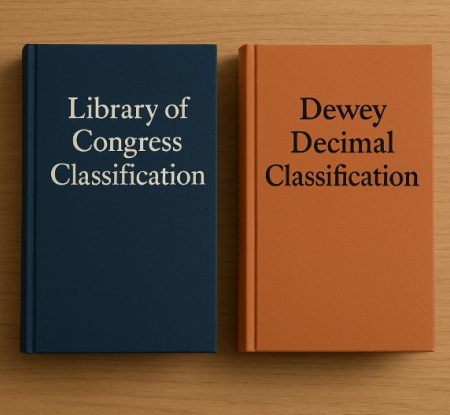
Unlike simpler systems like the Dewey Decimal Classification, the LCC is designed to accommodate vast and diverse collections, making it ideal for large-scale libraries. It divides knowledge into 21 main classes, each represented by a letter (e.g., “Q” for Science, “H” for Social Sciences, “K” for Law) and further subdivided with additional letters and numbers for specificity. This hierarchical arrangement ensures systematic organization and makes it easier for users to locate related materials in a given subject area.
The LCC has evolved to include emerging fields and interdisciplinary subjects, ensuring its continued relevance in modern libraries. It is critical to facilitate resource discovery, enhance user experience, and promote efficient library management.
What is the Library of Congress Classification system?
The Library of Congress Classification (LCC) system is a method used to organize and categorize library collections based on subject areas. Developed by the Library of Congress in the United States, the system is primarily used in academic, research, and large libraries due to its ability to handle extensive and diverse collections.
The LCC is an alphanumeric system, where letters represent broad subject categories, and numbers and additional letters are used for more specific topics within those categories. For example, “P” represents the main class for Language and Literature, while “PN” focuses on Literature (General), and further numbers narrow it down to specific types or topics, such as drama or motion pictures.
This classification system is divided into 21 main classes, covering all areas of knowledge, including history, sciences, social sciences, arts, and technology. Each main class is further subdivided to provide detailed organization, allowing materials on similar topics to be shelved together and making it easier for users to locate related resources.
The LCC is distinct from other systems, such as the Dewey Decimal Classification, due to its scalability, detailed subject breakdown, and emphasis on accommodating the needs of larger collections. Its flexibility and adaptability make it an essential tool for organizing physical and digital resources in libraries worldwide.
Why was the Library of Congress Classification system developed?
The Library of Congress Classification (LCC) system was developed to address the challenges of organizing and managing the vast and diverse collections of the Library of Congress, the largest library in the United States. Introduced in the early 20th century, it was designed to replace less comprehensive systems like the Dewey Decimal Classification, which were insufficient for the library’s rapidly growing and highly specialized holdings. The primary goal of the LCC was to facilitate efficient organization and retrieval of materials by grouping related resources together based on their subject matter. Its alphanumeric structure provided a flexible and scalable framework that could accommodate the library’s expanding collections and adapt to new and interdisciplinary fields of study. Tailored to meet the needs of academic and research libraries, the LCC also served as a model for standardizing cataloguing practices, making it easier for users and librarians to navigate large libraries. Over time, its adaptability and detailed subject classifications have made it a preferred system for large-scale and research-oriented libraries worldwide.
Purposes of the Library of Congress Classification System
The Library of Congress Classification (LCC) system is vital in organizing and managing library collections, particularly in academic and research institutions. Developed by the Library of Congress in the United States, this classification system categorizes materials systematically based on their subject matter. Its primary purpose is to create a structured, accessible, and efficient way to store and retrieve resources within a library. Here, we explore the key purposes of the LCC system and its importance in the world of knowledge management.
- Organizing Knowledge by Subject: The primary purpose of the LCC is to group materials based on their subject matter. The LCC creates a logical arrangement that places related materials together by assigning specific alphanumeric codes to books, journals, and other resources. This subject-based organization not only makes it easier for librarians to catalog items but also helps library users to locate and explore related works in a specific field of interest.
For example, a student researching American history would find materials categorized under the “E” section, while a scientist looking for resources on biology would explore items in the “QH” section. This clear division ensures that users can easily navigate the library and access materials relevant to their studies or research. - Supporting Research and Learning: Libraries, particularly those in academic and research institutions, serve as hubs for knowledge discovery. The LCC system enhances this role by organizing materials in a way that supports in-depth research and study. Users can easily browse shelves to find works in their field of interest, as the system ensures that resources on similar or related subjects are located in proximity. This arrangement fosters serendipitous discovery, encouraging deeper engagement with the library’s holdings.
- Handling Large and Diverse Collections: Another critical purpose of the LCC is its ability to manage the complexity and scale of large collections. Academic and research libraries often house extensive and diverse materials spanning multiple disciplines and formats. The LCC’s detailed and flexible classification scheme can accommodate these varied resources, ensuring that every item has a unique and logical place within the library’s catalog.
- Adapting to New Knowledge and Interdisciplinary Fields: The LCC is designed to be adaptable, making it an effective tool for organizing resources in evolving and interdisciplinary fields. As new areas of study emerge, the system can be updated and expanded to include them, ensuring that the library remains a relevant and valuable resource for its users. This adaptability is particularly important in academic environments where the boundaries of knowledge are constantly shifting.
- Promoting Standardization and Consistency: The LCC system promotes standardization in library cataloging, ensuring consistency across institutions that adopt it. This standardization is crucial for libraries participating in interlibrary loan programs or shared cataloging networks, as it simplifies the exchange and retrieval of resources. The LCC facilitates collaboration and resource sharing between libraries worldwide by providing a common framework for organizing materials.
- Enhancing User Experience: For library users, the LCC system simplifies the process of finding and accessing materials. The logical arrangement of resources based on subject matter makes it intuitive for users to navigate the library’s collection. Additionally, the LCC’s detailed categorization ensures that users can find highly specific materials relevant to their needs, whether they are conducting academic research or pursuing personal interests.
The purpose of the Library of Congress Classification system extends beyond mere organization; it is a tool that supports knowledge discovery, research, and learning. By providing a structured and adaptable framework for categorizing materials, the LCC ensures that libraries can efficiently manage their collections, meet the needs of their users, and stay relevant in an ever-changing landscape of information. Its widespread adoption in academic and research libraries underscores its importance as a cornerstone of modern librarianship.
Why Is the Library of Congress Classification (LCC) Considered More Suitable for Academic and Research Libraries?
The Library of Congress Classification (LCC) is highly suitable for academic and research libraries due to its ability to accommodate large, diverse, and specialized collections. Academic institutions often house materials spanning a wide range of disciplines, from humanities to advanced sciences. The LCC provides a comprehensive classification system that organizes resources into 21 main classes with numerous subdivisions, enabling precise categorization and easy access to highly specialized topics. This level of detail ensures that researchers and students can find materials relevant to their specific fields of study, supporting both focused research and interdisciplinary exploration.
Another reason the LCC excels in academic and research libraries is its flexibility and scalability. Designed to manage extensive collections, the LCC’s alphanumeric structure allows for the addition of new subjects and categories as knowledge evolves. This adaptability makes it ideal for libraries that must regularly expand their holdings to include emerging fields and interdisciplinary studies. The system also groups related materials together by subject, making it easier for users to locate complementary resources, which is especially valuable in scholarly research environments.
Furthermore, the LCC’s detailed call numbers provide unique identifiers for each item, allowing libraries to manage their collections efficiently. This capability is critical for large academic libraries, where proper organization and retrieval of resources are essential to meet the needs of students, faculty, and researchers. The LCC is also well-integrated with digital cataloging tools and metadata standards, ensuring that it can manage both physical and electronic resources seamlessly. Its widespread adoption by academic institutions worldwide promotes standardization, enabling users to navigate collections across different libraries with ease. These features make the LCC an indispensable tool for academic and research libraries, where the complexity and volume of materials demand a robust, adaptable, and efficient classification system.
What are the main classes of the LCC, and how are they organized?
The Library of Congress Classification (LCC) system organizes knowledge into 21 main classes, represented by single letters of the alphabet (A to Z), with subclasses indicated by additional letters. Each class corresponds to a broad subject area, and within each class, a hierarchical structure of numbers and further subdivisions allows for detailed categorization of specific topics.
Main Classes of the LCC:
- A – General Works
- Encyclopedias, almanacs, periodicals, and general reference works.
- B – Philosophy, Psychology, Religion
- Includes subdivisions for philosophy (B), psychology (BF), and religion (BL-BX).
- C – Auxiliary Sciences of History
- Covers disciplines that support historical research, such as archaeology and genealogy.
- D – World History and History of Europe, Asia, Africa, Australia, New Zealand, etc.
- Focuses on general and regional world history.
- E – History of the Americas
- Covers the history of North and South America, with E specifically for the U.S.
- F – History of the Americas
- Includes local histories and specific regions in the Americas.
- G – Geography, Anthropology, Recreation
- Subdivided into geography (G), maps (GA), anthropology (GN), and recreation (GV).
- H – Social Sciences
- Encompasses economics (HB-HJ), sociology (HM-HX), and related fields.
- J – Political Science
- Covers government, political theory, and public administration.
- K – Law
- Includes legal codes, systems, and case law from various jurisdictions.
- L – Education
- Encompasses topics like teaching, educational theory, and administration.
- M – Music and Books on Music
- Includes music scores (M), music literature (ML), and music instruction (MT).
- N – Fine Arts
- Covers painting, sculpture, architecture, and other visual arts.
- P – Language and Literature
- Subdivided into language (P-PA), literature (PN), and works on individual languages and authors.
- Q – Science
- Includes mathematics (QA), physics (QC), biology (QH), and other scientific disciplines.
- R – Medicine
- Covers general medicine, specialties, and medical practices.
- S – Agriculture
- Focuses on farming, forestry, and natural resource management.
- T – Technology
- Includes engineering (TA), manufacturing (TS), and applied sciences.
- U – Military Science
- Covers military strategy, tactics, and history.
- V – Naval Science
- Includes naval strategy, navigation, and shipbuilding.
- Z – Bibliography, Library Science, Information Resources
- Covers the study of books, publishing, and library and information science.
Organization of LCC:
The LCC system uses a hierarchical and alphanumeric structure:
- Each main class is identified by a single letter (e.g., Q for Science).
- Subclasses are designated by adding one or more letters (e.g., QA for Mathematics).
- Call numbers further narrow topics using numerical ranges and cutter numbers (e.g., QA76.73 for programming languages).
The organization ensures that related subjects are grouped together, enabling efficient shelving, browsing, and retrieval in libraries. This logical and flexible structure makes the LCC well-suited for managing large and diverse collections in academic and research institutions.
How Does the Alphanumeric Structure of LCC Call Numbers Aid in Efficient Organization and Retrieval of Materials?
The alphanumeric structure of Library of Congress Classification (LCC) call numbers is vital in ensuring efficient organization and retrieval of materials in libraries. This structure begins with one or two letters representing broad subject areas, such as “Q” for Science or “H” for Social Sciences. These are followed by numbers that narrow the classification to specific subfields, and additional Cutter numbers that identify individual works based on attributes like the author, title, or topic. This hierarchical arrangement ensures that related materials are grouped together on the shelves, making it easier for users to find resources relevant to their studies or research.
The predictable and systematic nature of the alphanumeric structure further aids in organization. Items are shelved alphabetically and numerically, creating a logical sequence that allows users and staff to locate materials efficiently. For example, a call number like “QA76.73” would precede “QA76.9” because of the numerical progression, while Cutter numbers provide unique identifiers to avoid duplication. This logical arrangement is particularly useful for academic and research libraries with extensive collections, as it ensures consistency and clarity in shelving.
Another key benefit of this structure is its ability to facilitate browsing. Users can easily explore a section and discover additional resources that complement their primary interests by placing related materials together. For instance, a student looking for books on programming languages in “QA76.73” might also find nearby works on software engineering in “QA76.9.” This proximity supports interdisciplinary learning and research, making the library experience more intuitive and productive.
Additionally, the adaptability of the alphanumeric structure allows it to accommodate the growth of collections and the emergence of new subjects. The system can expand seamlessly to include new classifications without disrupting the existing framework. This scalability is crucial for libraries that must regularly update their holdings to reflect advancements in knowledge. Furthermore, the integration of LCC call numbers with digital cataloging systems enhances retrieval by allowing users to search online and find precise locations of materials within the library.
In summary, the alphanumeric structure of LCC call numbers combines logical organization, unique identification, and scalability to support the efficient management of library collections. It ensures that materials are systematically arranged and easily accessible, enhancing the library’s role as a resource hub for research, learning, and discovery.
What is the Significance of Cutter Numbers in the LCC System?
Cutter numbers hold significant importance in the Library of Congress Classification (LCC) system as they provide a unique identifier for each item within a subject classification. Derived from the author’s name, title, or specific topic, these alphanumeric codes ensure that even materials on the same subject are distinctly categorized. This feature prevents duplication and facilitates accurate organization, which is particularly critical in academic and research libraries that house extensive collections. Cutter numbers also create an alphabetical order within a subject range, allowing users to locate works by specific authors or titles with ease. For instance, books on programming languages within the same classification can be arranged systematically by their Cutter numbers, making them easier to browse and discover.
In addition to organization, Cutter numbers enhance the scalability and adaptability of the LCC system. As library collections grow or new fields emerge, Cutter numbers can be seamlessly integrated into the existing framework without disrupting the classification. This flexibility supports the efficient management of expanding collections. Moreover, Cutter numbers are integral to modern library systems, as they are incorporated into digital catalogs to enable precise searching and retrieval of materials. By bridging the gap between physical organization and digital tools, Cutter numbers contribute to the accessibility, usability, and long-term functionality of the LCC system in managing diverse and complex library resources.
How Do Library Staff Assign Call Numbers Using the LCC?
Library staff assign call numbers using the Library of Congress Classification (LCC) system through a structured process designed to organize materials systematically and ensure their easy retrieval. The process begins with a thorough subject analysis of the material. Librarians examine the title, table of contents, introduction, and subject keywords to determine the primary focus of the work. This analysis helps identify the most appropriate subject category within the LCC system.
Once the subject is determined, staff consult the LCC schedules, which divide knowledge into 21 main classes and numerous subclasses. They select the class and subclass that best match the material’s content. For instance, a book on artificial intelligence might fall under “QA76” for Computer Science. After determining the classification, the staff constructs a call number, which consists of several components: the class letters for the subject, a numerical sequence for the subfield, and a Cutter number to specify the author or title. Additional elements may include volume numbers, publication years, or edition details to further distinguish the item.
Before finalizing the call number, library staff verify its uniqueness by checking the library’s catalogue to ensure it does not conflict with existing items. Adjustments are made if necessary to maintain the clarity and precision of the classification. Once finalized, the call number is added to the item’s catalog record, both physically on the book’s spine and digitally in the library’s cataloging system. This dual labeling allows users to locate the material on shelves or through online searches.
For interdisciplinary materials, staff consider the predominant focus of the work to determine the classification, ensuring that the material is categorized in the most relevant subject area. Cross-references in the catalogue may guide users to related topics. This meticulous and adaptable process enables library staff to maintain an organized collection while making resources accessible to users in both physical and digital formats.
How Do Alphanumeric Codes in the LCC Help Organize Library Materials?
The alphanumeric codes in the Library of Congress Classification (LCC) system are crucial for organizing library materials systematically, ensuring that items are easy to locate and related resources are grouped logically. These codes combine letters and numbers to create a hierarchical structure that reflects the subject matter and provides unique identifiers for each item in a library’s collection. Here’s how these codes help organize materials:
1. Subject-Based Organization:
The foundation of the LCC system lies in its ability to classify materials by subject. Each main subject area is assigned one or more letters that represent broad fields of knowledge, such as:
-
- “H” for Social Sciences,
- “Q” for Science,
- “N” for Fine Arts.
These letters are followed by numbers that refine the classification into specific subfields. For example:
-
- “QA” represents Mathematics under the Science category.
- “QA76” specifies Computer Science within Mathematics.
This subject-based classification groups similar topics together, ensuring that related materials are shelved in proximity. This logical arrangement not only simplifies browsing but also aids researchers in discovering additional resources relevant to their studies.
2. Logical and Predictable Arrangement:
The alphanumeric structure of the LCC system ensures a logical and predictable order. Materials are shelved alphabetically by their letter codes and numerically by their numbers. For instance:
-
- Books classified under “QA76” will always come before those under “QA100.”
- Within the same classification, additional letters and numbers further refine the order.
This predictable sequence eliminates confusion and allows both users and library staff to locate materials quickly and efficiently.
3. Unique Identification for Each Item:
Alphanumeric codes in the LCC system also serve as unique identifiers for each item in the library. While the initial letters and numbers reflect the subject and subfield, Cutter numbers and other elements add specificity, often representing the author’s name, title, or topic. For example:
-
- “QA76.73.J38” might represent a book on Java programming.
- “QA76.73.P98” could indicate a book on Python programming.
This uniqueness prevents duplication and ensures that even materials on closely related topics have distinct call numbers.
4. Grouping of Related Materials:
One of the greatest advantages of the LCC system is its ability to group related materials together. By assigning similar codes to works within the same subject area, the system ensures that they are physically located near one another on the shelves. For instance:
-
- Books on programming languages (QA76.73) would be shelved together.
- Books on software engineering (QA76.9) would be nearby.
This grouping enhances the user experience by facilitating browsing and enabling users to discover additional materials they might not have initially searched for.
5. Scalability and Adaptability:
The LCC’s alphanumeric codes are inherently scalable, allowing libraries to integrate new subjects and emerging fields seamlessly. As collections grow or new disciplines develop, additional codes can be added without disrupting the existing classification. This flexibility is particularly valuable in academic and research libraries, where collections evolve to reflect advancements in knowledge.
6. Integration with Digital Systems:
In modern libraries, alphanumeric codes play a crucial role in digital cataloging systems. Users can search for items online using these codes, which provide precise information about an item’s location. This integration ensures that users can easily find both physical and digital materials, bridging the gap between traditional and modern library services.
The alphanumeric codes in the LCC system are the backbone of library organization. They enable a logical, scalable, and predictable arrangement of materials, group related resources together, and provide unique identifiers for each item. This systematic approach enhances the user experience by making library collections accessible, navigable, and conducive to discovery and research.
Advantages of the Library of Congress Classification (LCC) Over Other Classification Systems
Libraries play a critical role in organizing and providing access to vast amounts of knowledge. To achieve this, they rely on classification systems to categorize materials systematically. Among the various systems available, the Library of Congress Classification (LCC) stands out for its adaptability, specificity, and suitability for academic and research libraries. Compared to systems like the Dewey Decimal Classification (DDC) or the Universal Decimal Classification (UDC), the LCC offers distinct advantages that make it particularly effective for managing large and complex collections. Here are the key advantages:
- Comprehensive Subject Coverage: One of the most significant advantages of the LCC is its extensive and detailed coverage of subjects. The LCC divides knowledge into 21 main classes, each further divided into subclasses and specific topics. This detailed structure allows the LCC to accommodate specialized fields and interdisciplinary studies better than simpler systems like the DDC. For example, a book on climate change economics can be classified under a precise code in the LCC, while the DDC might struggle to offer the same level of specificity.
- Flexibility and Scalability: The alphanumeric design of the LCC makes it highly flexible and scalable, allowing for the seamless addition of new subjects and categories. As disciplines evolve and new areas of study emerge, the LCC can easily incorporate them without disrupting the existing framework. In contrast, the DDC’s numeric-only system has limited room for expansion, often requiring significant adjustments to accommodate new topics.
- Tailored for Academic and Research Libraries: The LCC was designed with the needs of academic and research libraries in mind. Its detailed classifications and ability to handle highly specialized subjects make it ideal for these settings, where collections often cater to advanced research and scholarly needs. The DDC, while effective for general public libraries, lacks the depth and focus necessary for managing the complexity of academic collections.
- Logical and Predictable Organization: The LCC employs a hierarchical alphanumeric structure that organizes materials logically by subject, subfield, and specific topic. This structure ensures that related resources are grouped together, making it easier for users to browse and discover additional materials. While the DDC also organizes materials by subject, its classification can become less intuitive in highly specialized fields due to its reliance on a purely numerical system.
- Unique Identification Through Cutter Numbers: A unique feature of the LCC is its use of Cutter numbers, which provide additional specificity by encoding information such as the author’s name or the title of a work. This ensures that materials with similar subjects are distinctly categorized, avoiding duplication and confusion. In comparison, the DDC lacks a comparable system for uniquely identifying individual items, which can be a limitation in larger collections.
- Efficient Handling of Large Collections: The LCC is particularly effective for managing large and diverse collections, such as those found in academic and research libraries. Its detailed classifications and scalability allow for the efficient organization of millions of items. By contrast, the DDC’s more generalist approach can become cumbersome when applied to very large collections, making the LCC a better choice for extensive holdings.
- Global Standardization for Academic Libraries: The LCC is widely adopted by academic and research libraries worldwide, promoting consistency and standardization. This global usage allows users to navigate collections across institutions more easily, fostering collaboration and resource sharing. While the DDC is also popular, it is more commonly found in public libraries and smaller institutions, limiting its application in advanced academic settings.
The Library of Congress Classification (LCC) system offers numerous advantages over other classification systems, particularly for academic and research libraries. Its comprehensive subject coverage, flexibility, and ability to uniquely identify materials make it an ideal choice for organizing large and specialized collections. Furthermore, its logical structure, scalability, and compatibility with digital tools ensure that it remains relevant in the modern library landscape. For institutions with extensive and evolving collections, the LCC provides an indispensable framework for maintaining order and accessibility, supporting the pursuit of knowledge and discovery.
Reference Articles:
- Goldberg, J. E. (1996). Library of Congress Classification:· Does Organization of Knowledge Need a Shelf? Advances in Classification Research Online, 49–70. https://doi.org/10.7152/acro.v7i1.12689
- Haider, S., & Sharma, R. K. (2017). Library of Congress Classification (LCC): Past, present and its future in the digital era.
- Historical Notes. (2020).
- Library of Congress Classification Outline—Classification—Cataloging and Acquisitions (Library of Congress). (n.d.). Retrieved January 10, 2025, from https://www.loc.gov/catdir/cpso/lcco/
- Robare, L., Arakawa, S., Frank, P., & Trumble, B. (n.d.). Fundamentals of Library of Congress Classification.
- Stevenson, G. (1975). The Library of Congress Classification Scheme and its Relationship to Dewey. Allerton Park Institute (21st : 1975). https://hdl.handle.net/2142/1784
- Subrahmanyam, B. (2013). Library of Congress Classification Numbers. Library Resources & Technical Services, 50(2), Article 2. https://doi.org/10.5860/lrts.50n2.110