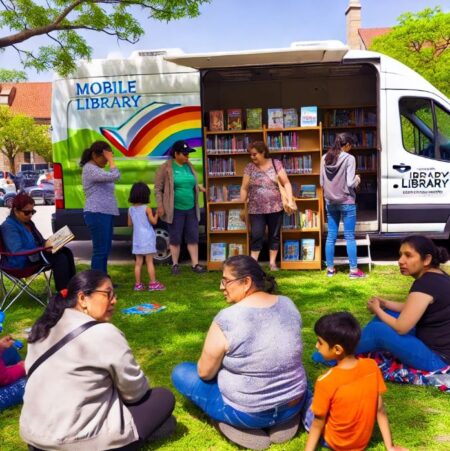
Library outreach refers to the various strategies and activities that libraries implement to engage and connect with their surrounding communities. This concept goes beyond the traditional role of libraries as mere repositories of books and information; it emphasizes active engagement, accessibility, and inclusivity. Through outreach programs, libraries aim to reach underserved populations, promote literacy, and provide essential services that cater to the unique needs of their communities.
Library outreach is important because it makes libraries more relevant and responsive to community needs. By proactively connecting with people outside the library walls, these programs can foster a sense of belonging, encourage lifelong learning, and support personal and community development. Library outreach initiatives help bridge gaps in access to information, education, and technology, ensuring that everyone, regardless of their background, can benefit from the resources and services that libraries offer.
The Impact of Library Outreach Programs on Local Communities
Library outreach programs have long been vital for bridging gaps between libraries and their communities. By extending services beyond traditional boundaries, these initiatives are pivotal in enhancing access to information, education, and cultural resources. Let’s explore the multifaceted impacts of library outreach programs on local communities, shedding light on their significance in fostering inclusive, educated, and connected societies.
- Educational Enhancement:
One of the primary benefits of library outreach programs is their ability to significantly boost educational opportunities for community members of all ages. Libraries are instrumental in promoting educational equity, from early literacy programs that lay the foundation for lifelong learning to adult education courses that facilitate career advancement. For instance, mobile library services extend resources to remote or underserved areas, ensuring that geography is no barrier to access. Moreover, by hosting homework help sessions and tutoring, libraries become pivotal in supporting the academic growth of students outside the classroom. - Social Cohesion and Community Building:
Libraries serve as communal hubs where individuals from diverse backgrounds can converge to share experiences and ideas. Outreach programs like book clubs, cultural nights, and community discussions are about promoting literacy and knitting the community’s social fabric tighter. These programs provide safe spaces for interaction and engagement, fostering residents’ sense of belonging and mutual respect. For many, the library becomes a gateway to community involvement and civic engagement, crucial for a vibrant and dynamic community life. - Economic Contributions:
The impact of library outreach programs extends into the economic sphere by equipping individuals with the skills necessary for employment and entrepreneurship. For example, libraries offer access to job training workshops, resume-building classes, and resources for starting a business, directly contributing to local economic development. Additionally, libraries often collaborate with local businesses for events or programs, creating a symbiotic relationship that stimulates local economies. - Support for Vulnerable Populations:
Library outreach programs are particularly beneficial for vulnerable community segments, including the elderly, immigrants, and the economically disadvantaged. Specialized services such as homebound delivery for the elderly or disabled, language classes for non-native speakers, and access to government assistance programs ensure that libraries are accessible and relevant to all, regardless of their physical, economic, or social status. - Cultural Enrichment and Preservation:
Libraries are custodians of culture and heritage, and their outreach efforts often focus on cultural preservation and enrichment. Through initiatives such as local history projects, art exhibitions, and cultural festivals, libraries help promote and preserve unique cultural identities. These programs educate the public about their heritage and celebrate diversity, fostering a greater appreciation for different cultures within the community. - Environmental Awareness:
Many libraries incorporate environmental education into their outreach programs. This can include workshops on sustainable living, recycling initiatives, and programs that involve the community in local environmental projects, such as community gardens or clean-up days. By promoting environmental stewardship, libraries contribute to creating more sustainable communities. - Health and Wellness Programs:
Libraries increasingly include health and wellness programs in their outreach offerings, recognizing the importance of health literacy in community well-being. These can range from seminars on nutrition and exercise to partnerships with local health clinics to provide free screenings. Mental health workshops and resources are also becoming more common, providing vital support and reducing stigma in the community. - Youth Empowerment
Library outreach programs often target youth in the community, aiming to empower them through various educational and leadership opportunities. Programs might include leadership development workshops, youth advisory councils, and internships or volunteer opportunities at the library. These initiatives engage young people and help them develop skills and confidence that will benefit them throughout their lives. - Legal and Financial Guidance:
Recognizing the complex legal and financial challenges many individuals face, libraries offer programs that provide access to free legal advice and financial planning assistance. These services are crucial in helping community members navigate issues such as immigration, housing rights, and personal finance management, thereby contributing to greater community stability and security. - Promoting Literacy Across All Languages:
Library outreach programs often address the needs of multilingual populations by offering materials and services in multiple languages and hosting language learning classes. These programs help non-native speakers integrate more fully into the community and promote multicultural understanding among all community members. - Bridging Generational Gaps:
Libraries create programs that unite different generations, such as “read-together” programs that pair seniors with young children or technology tutoring, where teens teach older adults how to use smartphones, tablets, and social media. These interactions bridge the generational divide and foster mutual respect and learning.
The impacts of library outreach programs are profound and far-reaching, influencing educational outcomes, economic conditions, social cohesion, and cultural vitality in local communities. By extending their reach, libraries enhance their role as educational centers and as crucial anchors for community well-being. As communities continue to evolve, the adaptive and inclusive approaches of library outreach will remain essential in meeting the diverse needs of the populations they serve. These programs exemplify the library’s commitment to being a force for good, capable of transforming lives and communities through the power of information, support, and connection.