In pursuing academic excellence and fostering inclusive learning environments, libraries play a pivotal role in ensuring equitable access to information resources for all students, irrespective of their diverse backgrounds or abilities. Anchored in principles of social justice and educational equity, libraries employ a comprehensive array of strategies to dismantle barriers and cultivate an environment where every learner can flourish. Central to this mission is developing a diverse and representative collection of resources, encompassing materials that reflect a spectrum of perspectives, cultures, and experiences. Furthermore, libraries prioritize accessibility, offering specialized services and accommodations to support individuals with disabilities, ensuring that information is available and accessible in various formats and mediums. In an increasingly digital age, libraries extend their reach by providing online databases and electronic resources, addressing the needs of students who may face constraints in accessing physical materials. Through proactive outreach initiatives, collaborative partnerships with academic departments, and a commitment to ongoing assessment and adaptation, libraries strive to foster an environment where every student feels empowered to engage with information resources, embark on intellectual pursuits, and achieve their full potential, regardless of the challenges they may encounter along the way.
1.1 How Libraries Foster Equitable Access to Information for Every Student.
Modern evolving digital landscape, where information is abundant yet unevenly distributed, libraries are crucial in bridging the gap between the privileged and the underserved. Particularly in educational settings, libraries serve as egalitarian spaces that empower every student, regardless of socio-economic background or geographic location, to access a wealth of resources essential for academic success and personal growth.
This discussion will explore how libraries foster equitable access to information for every student. From providing free and open access to a diverse array of books, journals, and digital resources to supportive services such as literacy programs and technology access, libraries are instrumental in leveling the playing field and ensuring no student is left behind. Moreover, libraries serve as inclusive spaces that celebrate diversity, welcoming individuals of all backgrounds and abilities to engage with information in ways that resonate with their unique perspectives and experiences. Here are some strategies they employ:
A. Accessibility Initiatives:
- Diverse Resource Formats: Libraries understand students’ learning styles and abilities. Therefore, they go beyond traditional print materials to offer a variety of formats, including audiobooks, e-books, digital databases, and multimedia resources. For instance, audiobooks cater to auditory learners, while digital resources provide flexibility and convenience for those who prefer accessing information online. Moreover, libraries ensure that materials are available in alternative formats such as large print, Braille, and translated languages to accommodate individuals with visual or linguistic impairments. This commitment to diverse formats ensures that all students can engage with information effectively, regardless of their learning preferences or abilities.
- Assistive Technologies: Libraries recognize the importance of technology in facilitating access for individuals with disabilities. To this end, they invest in assistive technologies such as screen readers, text-to-speech software, and magnification tools. These tools enable students with visual impairments to access and navigate information independently. For example, screen readers convert text into speech, allowing visually impaired individuals to listen to the content of a webpage or document. Similarly, text-to-speech software reads aloud text-based materials, while magnification tools enlarge text and images for individuals with low vision. By providing such assistive technologies, libraries empower students with disabilities to overcome barriers and participate fully in academic activities.
- Accessible Physical Spaces: Besides digital accessibility, libraries prioritize creating physically accessible environments. This involves ensuring library facilities have ramps, elevators, and accessible furniture to accommodate individuals with mobility limitations. For instance, ramps provide wheelchair access to different library levels, while elevators allow individuals with mobility impairments to navigate between floors. Furthermore, libraries pay attention to ergonomic design principles when selecting furniture to ensure comfort and accessibility for all patrons. By removing architectural barriers and promoting universal design principles, libraries create inclusive spaces where individuals with disabilities can access information and services without obstacles or limitations.
These accessibility initiatives underscore libraries’ commitment to ensuring equitable access to information resources for all students, irrespective of their backgrounds or abilities. By embracing diverse formats, investing in assistive technologies, and creating accessible physical spaces, libraries empower individuals with disabilities to fully participate in the academic community and pursue their educational goals.
B. Inclusive Collection Development:
- Culturally Diverse Materials: Libraries recognize the importance of representing their collections’ rich diversity of cultures, ethnicities, and perspectives. This involves actively seeking out materials authored by individuals from various cultural backgrounds and communities. By offering books, articles, films, and other resources that reflect diverse experiences and viewpoints, libraries allow students to explore different cultures, traditions, and worldviews. Moreover, exposure to culturally diverse materials fosters empathy, understanding, and appreciation for the complexities of the human experience. It also helps students develop cultural competence and interpersonal skills, preparing them to thrive in an increasingly interconnected and multicultural society.
- Multiperspective Approach: To encourage critical thinking and intellectual engagement, libraries adopt a multiperspective approach to collection development. This means providing materials presenting various viewpoints, interpretations, and analyses on various topics and issues. By offering contrasting perspectives and competing theories, libraries challenge students to critically evaluate information, weigh evidence, and form well-informed opinions. This fosters intellectual curiosity, analytical thinking, and a deeper understanding of complex issues. Moreover, exposure to diverse viewpoints promotes tolerance, open-mindedness, and respectful dialogue, fostering a culture of intellectual exchange and collaboration within the academic community.
- Sensitivity to Ability: Libraries strive to create an inclusive environment that respects and accommodates individuals with disabilities. This extends to collection development, where libraries are mindful of selecting materials that promote sensitivity and respect towards individuals with disabilities. For example, libraries may prioritize resources that feature positive representations of characters with disabilities, challenge stereotypes, and promote disability rights and inclusion. By avoiding language or imagery that perpetuates stigma or discrimination, libraries create a welcoming space where individuals with disabilities feel valued, respected, and empowered. Moreover, promoting sensitivity to ability in collection development contributes to a broader culture of diversity, equity, and inclusion within the library and the larger academic community.
Inclusive collection development is essential for libraries to provide equitable access to information resources for all students. By offering culturally diverse materials, embracing a multiperspective approach, and promoting sensitivity to ability, libraries enrich the academic experience, foster critical thinking, and cultivate a more inclusive and equitable learning environment.
C. Comprehensive Support Services:
- Librarian Assistance: Librarians play a crucial role as facilitators of learning, offering personalized assistance to students in navigating the vast array of resources available to them. Whether it’s helping students locate relevant materials for their research, teaching them how to use database search engines effectively, or guiding them through the citation process, librarians provide invaluable support tailored to individual needs. This one-on-one interaction fosters a sense of trust and confidence among students, empowering them to overcome challenges and succeed academically. Moreover, librarians are skilled in evaluating the credibility and reliability of information sources, equipping students with the critical thinking skills necessary to discern fact from fiction in an age of information overload.
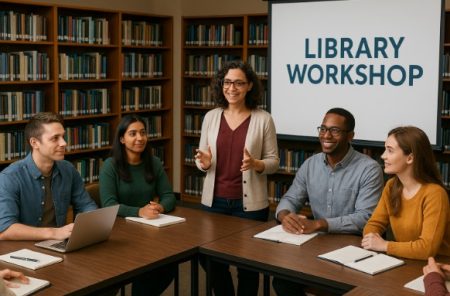
- Workshops and Training: Recognizing the essential role of information literacy in academic success, libraries offer a variety of workshops and training sessions designed to enhance students’ research and technology skills. These workshops cover various topics, including database searching techniques, citation styles, plagiarism prevention, and digital literacy. By providing hands-on training and practical tips, libraries empower students to become independent learners capable of navigating the complexities of the information landscape. Moreover, these educational initiatives promote lifelong learning and equip students with the skills necessary to thrive in a rapidly evolving digital society, where information literacy is increasingly indispensable for success in both academic and professional settings.
- Outreach Programs: Libraries extend their services beyond their physical walls through proactive outreach programs targeting underserved communities. By forging partnerships with schools, community centers, and other organizations, libraries ensure that all individuals can access information resources and support services regardless of their socio-economic status or geographic location. Outreach programs may include bookmobile services, where libraries directly bring books and educational materials to communities lacking traditional library facilities. Additionally, libraries may collaborate with local schools to provide orientation sessions or literacy programs for students and educators. By engaging with underserved communities and addressing their unique needs, libraries play a vital role in promoting equity and inclusion, ensuring that everyone can benefit from the wealth of knowledge and resources available through the library.
D. Technological Advancements:
- Public Access Computers: In an era where digital literacy is increasingly essential, libraries play a pivotal role in ensuring equitable access to technology. By providing free access to computers and internet services, libraries bridge the digital divide, particularly for individuals who may not have access to such resources at home due to financial constraints. Public access computers in libraries allow students to conduct research, access online educational materials, complete assignments, and communicate with peers and instructors. Moreover, libraries often provide essential software programs and applications on these computers, enhancing students’ ability to engage with information and develop essential digital skills. By offering public access to computers, libraries promote digital inclusion and provide equal opportunities for learning and academic success to all community members.
- Mobile Device Compatibility: Recognizing the widespread use of mobile devices such as smartphones and tablets, libraries ensure that their digital resources are optimized for mobile viewing and usage. Using their preferred devices, this mobile-friendly approach enables students to access library catalogs, databases, e-books, and other online resources from anywhere, anytime. Whether students are commuting to campus, studying in a coffee shop, or relaxing at home, they can seamlessly access information and resources on their mobile devices, enhancing convenience and flexibility in information access. Moreover, mobile device compatibility accommodates diverse learning styles and preferences, allowing students to engage with information that best suits their needs and preferences.
- Free Wi-Fi Access: In today’s interconnected world, internet access is essential for academic research, communication, and information retrieval. Recognizing the importance of internet connectivity, libraries offer free Wi-Fi access to patrons, empowering students to connect to the internet and access online resources using their devices. This initiative eliminates financial barriers to internet access, ensuring that all students can engage with information resources and educational materials regardless of socio-economic background. Free Wi-Fi access in libraries extends beyond the physical confines of the library, enabling students to access online resources from nearby locations such as outdoor spaces or community centers. By providing free Wi-Fi access, libraries promote digital equity, foster information access, and support academic success for all community members.
E. Additional Initiatives:
- Flexible Operating Hours: Libraries recognize that students have diverse schedules, including work, family commitments, and other obligations. The library offers extended operating hours or weekend access to accommodate these varied schedules. This flexibility ensures that students can utilize library resources at their convenience, whether they prefer to study early in the morning, late at night, or on weekends. By extending operating hours, libraries promote equal access to information and academic support services for all students, regardless of availability during traditional business hours. This initiative also acknowledges the evolving nature of student lifestyles and the need for libraries to adapt to meet the changing needs of their patrons.
- Fee-Free Services: Libraries strive to minimize financial barriers to access by eliminating or reducing fees for services such as borrowing materials or accessing the internet. By offering fee-free services, libraries ensure that all students, regardless of their financial circumstances, can avail themselves of library resources and support services without facing undue financial burden. This commitment to affordability promotes equitable access to information and educational resources, empowering students to pursue their academic goals without financial constraints. Moreover, fee-free services align with the mission of libraries to serve as inclusive spaces that prioritize accessibility and equity, fostering a supportive environment where all individuals can engage with information and learning opportunities without barriers.
- Community Partnerships: Libraries recognize the importance of collaboration and community engagement in effectively serving the diverse needs of their patrons. To expand their resources, expertise, and reach, libraries forge partnerships with local organizations, educational institutions, businesses, and other stakeholders. Through these community partnerships, libraries enhance their ability to address their communities’ unique needs and challenges by leveraging shared resources, expertise, and networks. Collaborative initiatives may include joint programming, outreach events, resource-sharing agreements, and co-sponsored workshops or seminars. By working with community partners, libraries amplify their impact, extend their reach, and better serve the diverse needs of their student populations. Additionally, community partnerships foster a sense of belonging and civic engagement among library patrons, strengthening the ties between the library and its community.
Libraries serve as catalysts for educational equity and social inclusion, striving to create inclusive spaces where all students, regardless of their backgrounds or abilities, can access information, pursue academic excellence, and realize their full potential. Through accessibility initiatives, inclusive collection development, comprehensive support services, technological advancements, and community partnerships, libraries uphold their commitment to equitable access to information resources, empowering students to thrive in a rapidly evolving knowledge landscape.