In the ever-evolving information technology landscape, libraries have transformed from quiet repositories of dusty tomes to vibrant centers of digital connectivity and knowledge dissemination. Central to this metamorphosis is the pervasive integration of the Internet into library services and resources. No longer confined to the physical constraints of brick and mortar, the use of the Internet in libraries has ushered in a new era of accessibility, empowerment, and innovation. Patrons now have the world at their fingertips, with the internet providing access to a vast array of digital materials, databases, and scholarly resources previously unimaginable within the confines of traditional library walls. From scholarly research to recreational reading, the internet has become an indispensable tool for librarians and library users, democratizing access to information and fostering a culture of lifelong learning. In this introductory exploration, we delve into the multifaceted role of the Internet in modern libraries, examining its impact on information access, research methodologies, community engagement, and the broader landscape of knowledge dissemination.
1.1 Internet and Library.
The internet has become an integral component of the modern library, revolutionizing how information is accessed, stored, and disseminated. Once limited by the physical constraints of their collections, libraries now offer patrons boundless resources through online databases, digital archives, and e-books. This vast digital landscape enables users to conduct research, explore diverse topics, and access a wealth of scholarly materials from virtually anywhere with an internet connection. Moreover, libraries leverage the internet to enhance community engagement through virtual programming, online workshops, and digital outreach initiatives, expanding their reach beyond physical locations. However, while the internet has undoubtedly enriched the library experience, it also presents challenges such as ensuring equitable access, navigating information overload, and addressing digital literacy and privacy concerns. Despite these complexities, integrating the Internet into library services continues redefining libraries’ role as dynamic information hubs in the digital age.
1.2 Use of the Internet in a Library.
Integrating the Internet into library services has catalyzed a profound shift in how individuals interact with and access knowledge within these venerable institutions. The internet’s presence in libraries has transcended mere convenience, evolving into an indispensable tool that enhances research capabilities, expands access to diverse resources, and fosters community engagement. Through internet connectivity, libraries have become gateways to a vast digital universe, offering patrons unparalleled access to online databases, e-books, scholarly journals, and multimedia materials. This integration has democratized information access and transformed the traditional role of libraries, positioning them as dynamic hubs of digital literacy and lifelong learning. Moreover, the Internet enables libraries to extend their reach beyond physical boundaries, facilitating virtual programs, remote access to resources, and collaborative initiatives that enrich the educational experience for patrons of all ages and backgrounds. However, alongside these opportunities come challenges, including addressing digital equity issues, ensuring information integrity, and promoting responsible online behavior. Despite these complexities, using the Internet in libraries represents a powerful fusion of tradition and innovation, poised to shape the future of information dissemination and community enrichment.
Internet use in libraries has transformed how libraries operate and their services. Here are several ways in which the Internet is utilized in libraries:
- Unlimited Access to Information: Gone are the days of scouring card catalogs and flipping through encyclopedias; the internet has opened up a world of information at patrons’ fingertips. Libraries now offer access to vast online databases, e-books, digital archives, and multimedia resources. Whether researching a term paper, exploring a new hobby, or simply satisfying curiosity, patrons can tap into a wealth of knowledge from anywhere with an internet connection. This democratization of information access empowers individuals to pursue their intellectual interests and promotes lifelong learning and intellectual curiosity.
- Expanding Horizons through Digital Resources: The Internet’s integration into library services has significantly expanded the scope and reach of available resources. Libraries can now provide access to scholarly journals, research articles, and educational materials from around the globe. This vast digital landscape enables patrons to explore diverse topics, perspectives, and disciplines that may have been inaccessible in traditional library collections. Furthermore, the availability of e-books and audiobooks allows for greater flexibility in reading preferences, catering to patrons who prefer digital formats or have accessibility needs.
- Facilitating Community Engagement: Besides serving as knowledge repositories, libraries are crucial in fostering community engagement and lifelong learning. The internet has become a powerful tool for libraries to connect with patrons and offer various educational programs, workshops, and events. From virtual author talks to online book clubs, libraries leverage internet connectivity to engage patrons of all ages and backgrounds. Moreover, libraries can extend their reach beyond physical locations through digital outreach initiatives, ensuring all community members can access educational resources and programming.
- Challenges and Opportunities Despite the myriad benefits of Internet integration, libraries face challenges navigating the digital landscape. Among the key concerns are ensuring equitable access to digital resources, addressing digital literacy gaps, and safeguarding patron privacy. Additionally, libraries must adapt to evolving technologies and digital formats, requiring ongoing investment in infrastructure and staff training. However, with these challenges come opportunities for innovation and collaboration. By embracing new technologies and forging partnerships with community organizations, libraries can continue to evolve and thrive in the digital age.
- Empowering Digital Literacy: The Internet’s presence in libraries facilitates access to information and promotes patrons’ digital literacy skills. Librarians play a crucial role in guiding patrons through the complexities of navigating online resources, evaluating information credibility, and developing critical thinking skills in the digital realm. By offering workshops, training sessions, and educational materials on internet safety, online research techniques, and digital citizenship, libraries empower patrons to become savvy consumers and creators of digital content.
- Enhancing Collaborative Learning: Internet connectivity enables libraries to foster collaborative learning environments that transcend physical boundaries. Through online forums, discussion groups, and virtual study sessions, patrons can connect with peers, share ideas, and collaborate on projects in real time. Libraries can also facilitate remote access to educational resources and collaborative tools, allowing patrons to engage in group work and research projects regardless of location. This collaborative approach to learning enhances the educational experience, promotes the exchange of ideas, and fosters a sense of community among patrons.
- Innovative Technologies and Services: The integration of the Internet has spurred libraries to embrace innovative technologies and services to meet the evolving needs of their patrons. From digitization projects that preserve and share cultural heritage materials to maker spaces equipped with 3D printers and coding kits, libraries are leveraging technology to offer new and exciting opportunities for learning and exploration. Virtual reality experiences, augmented reality exhibits, and interactive digital displays are just a few examples of how libraries harness the power of the internet to engage patrons in immersive and interactive learning experiences.
- Addressing Digital Equity: Despite the widespread availability of Internet access, digital equity remains a pressing concern for many communities. Libraries play a critical role in bridging the digital divide by providing free internet access, computer terminals, and Wi-Fi hotspots to patrons who may not have access to these resources at home. Additionally, libraries offer digital literacy programs and outreach initiatives targeted at underserved populations, ensuring all community members have the skills and resources needed to thrive in an increasingly digital world. By prioritizing digital equity initiatives, libraries can help create more inclusive and equitable communities where everyone has the opportunity to succeed.
Integrating the Internet into library services has fundamentally transformed the role of libraries in society, expanding access to information, promoting digital literacy, and fostering community engagement. From providing access to vast online resources to offering innovative programs and services, libraries continue to evolve and adapt to meet the needs of patrons in the digital age. By embracing new technologies, promoting digital equity, and fostering collaborative learning environments, libraries reaffirm their commitment to serving as vital hubs of knowledge, learning, and community enrichment now and into the future.
1.3 How has integrating internet access transformed libraries’ role in the digital age?
The integration of internet access has precipitated a profound metamorphosis in the role of libraries, propelling them from static repositories of printed knowledge to dynamic hubs of digital information and community engagement in the digital age. This transformative shift has redefined libraries as vibrant centers of learning, innovation, and connectivity, revolutionizing how patrons access, utilize and interact with information. With internet connectivity, libraries have transcended the constraints of physical space and temporal limitations, offering patrons unrestricted access to a wealth of online resources, educational materials, and collaborative platforms. Moreover, the integration of internet access has empowered libraries to promote digital literacy, foster lifelong learning, and cultivate inclusive and accessible environments that cater to their communities’ diverse needs and interests.
The integration of internet access has fundamentally transformed the role of libraries, evolving them from traditional repositories of physical books to dynamic hubs of digital information and community engagement in the digital age. Here’s how this integration has reshaped the role of libraries:
- Unbounded Access to Information: One of the most remarkable transformations of Internet integration is democratizing access to information. No longer confined to the physical constraints of printed materials, patrons now have unlimited access to various online resources, databases, e-books, and multimedia content. The internet has effectively shattered the barriers of time and space, allowing patrons to explore diverse topics, conduct research, and satisfy their curiosity with a few clicks of a mouse. Whether delving into scholarly articles, perusing digital archives, or streaming educational videos, the internet empowers patrons to engage with knowledge in ways that were once unimaginable within the confines of traditional library walls.
- Empowering Digital Literacy: With expanded access to information, internet integration has played a pivotal role in promoting digital literacy skills among patrons. Libraries have become invaluable resources for individuals seeking to navigate the complexities of the digital landscape, offering workshops, training sessions, and educational materials on topics ranging from internet safety to online research techniques. Librarians serve as guides and mentors, helping patrons develop critical thinking skills, evaluate information credibility, and navigate the vast expanse of the internet with confidence and discernment. By empowering patrons with the skills to navigate the digital realm effectively, libraries play a vital role in bridging the digital divide and ensuring all community members can thrive in an increasingly digital world.
- Fostering Collaborative Learning Environments: Internet integration has transformed libraries into vibrant collaborative learning and innovation hubs. Through online forums, discussion groups, and virtual study sessions, patrons can connect with peers, share ideas, and collaborate on projects in real time. Libraries also leverage internet connectivity to facilitate remote access to educational resources and collaborative tools, enabling patrons to engage in group work and research projects regardless of location. Moreover, libraries serve as incubators for creativity and innovation, offering maker spaces equipped with 3D printers, coding kits, and other cutting-edge technologies that inspire patrons to explore, experiment, and create.
- Expanding Community Engagement: Beyond serving as knowledge repositories, libraries have become vibrant centers of community engagement and social connectivity in the digital age. Internet access enables libraries to reach beyond their physical walls and engage with patrons through virtual programming, online exhibits, and social media platforms. From virtual author talks to digital book clubs to online storytelling sessions, libraries offer diverse interactive experiences that foster connection, dialogue, and cultural enrichment. Moreover, libraries play a crucial role in addressing the digital needs of underserved communities, providing free internet access, computer terminals, and technology training to ensure equitable access to information and resources for all.
- Remote Access to Resources: Internet access allows patrons to access library resources remotely, including digital databases, e-books, and online journals. This feature is particularly beneficial for patrons who cannot visit the library in person due to distance, mobility issues, or other constraints. Remote access ensures patrons have continuous access to library materials, regardless of location.
- 24/7 Availability: Internet access enables libraries to provide around-the-clock access to resources and services. Many libraries offer online catalogs, digital collections, and virtual reference assistance, allowing patrons to access library resources and support outside traditional operating hours. This increased accessibility enhances convenience for patrons and accommodates diverse schedules and preferences.
- Adapting to Technological Innovation: In a rapidly evolving technological landscape, libraries have embraced innovation and adaptation as core principles guiding their evolution. From digitization projects that preserve and share cultural heritage materials to the development of cutting-edge digital services and resources, libraries continually seek to harness the power of technology to meet the evolving needs of their patrons. Virtual reality experiences, augmented reality exhibits, and interactive digital displays are just a few examples of how libraries leverage technology to create immersive and engaging learning environments that captivate and inspire patrons of all ages.
- Enhanced Research Capabilities: Internet access integration has revolutionized research capabilities within libraries. Patrons can now access many online databases, academic journals, and scholarly resources, enabling them to conduct comprehensive research on a wide range of topics. The ability to search and retrieve information quickly and efficiently has streamlined the research process, empowering patrons to delve deeper into their areas of interest and produce high-quality academic work. Additionally, libraries often provide access to specialized research tools and software, further enhancing patrons’ ability to conduct advanced research and analysis.
- Support for Distance Education: Internet integration has transformed libraries into essential resources for distance education and online learning. With internet access, students enrolled in remote or online courses can access library resources, participate in virtual study sessions, and receive research assistance from librarians, regardless of their physical location. Libraries may offer specialized services and resources tailored to the needs of distance learners, such as online tutorials, research guides, and access to digital textbooks. By supporting distance education, libraries ensure that all students have equitable access to the resources and support they need to succeed academically.
- Digital Preservation and Access: The integration of Internet access has facilitated the digitization and preservation of library collections, ensuring their long-term accessibility and conservation. Libraries can digitize rare books, archival materials, and historical documents, making them available to a global audience online. Digital preservation efforts protect valuable cultural heritage materials from deterioration and ensure they remain accessible for future generations to study and appreciate. Additionally, internet access enables patrons to explore digital archives and special collections from the comfort of their own homes, opening up new avenues for research and discovery.
- Promotion of Lifelong Learning: Internet integration has transformed libraries into vibrant centers of lifelong learning, catering to patrons of all ages and backgrounds. Libraries offer various educational programs, workshops, and events that promote intellectual curiosity and personal growth. From technology classes for seniors to STEM programs for children to career development workshops for adults, libraries allow patrons to expand their knowledge and skills throughout their lives. Internet access enables libraries to offer virtual programming and online learning opportunities, reaching even more patrons and fostering a culture of lifelong learning within the community.
- Advocacy and Social Justice: Internet-integrated libraries often advocate for social justice and digital equity within their communities. Libraries are crucial in bridging the digital divide by providing underserved populations free internet access, computer terminals, and technology training. Additionally, libraries may offer programs and services to address social issues such as digital literacy, internet privacy, and online safety. By promoting digital equity and advocating for access to information for all, libraries uphold principles of social justice and empower individuals to participate fully in the digital world.
The integration of internet access has profoundly transformed the role of libraries in the digital age, expanding their reach, enhancing their services, and empowering their patrons. From expanded access to information and enhanced research capabilities to support for distance education and digital preservation, libraries continue to evolve in response to the changing needs of their communities. By embracing technology, promoting lifelong learning, and advocating for social justice, libraries reaffirm their essential role as pillars of knowledge, learning, and community engagement in an increasingly interconnected world. As we continue to navigate the digital landscape, the transformative power of internet integration will undoubtedly shape the future of libraries for generations to come.
1.4 How Libraries Ensure Equitable Access to Internet Resources.
The internet has become increasingly essential for information access and participation in society; libraries play a pivotal role in ensuring equitable access to online resources for all patrons. Recognizing the importance of bridging the digital divide and promoting digital inclusion, libraries implement various measures to ensure that individuals of diverse backgrounds and circumstances have equal opportunities to connect to the internet and utilize digital resources. From providing free internet access and public computers to offering technology training and outreach programs, libraries are dedicated to creating an inclusive and accessible environment where all patrons can benefit from online information.
Libraries take several measures to ensure equitable access to internet resources for all patrons, recognizing the importance of providing equal opportunities for information access and digital participation. Some of these measures include:
- Free Internet Access: Libraries recognize that Internet access is fundamental in today’s digital age. By offering free internet access to all patrons, regardless of their socioeconomic status, libraries ensure that individuals who may not have access to the internet at home or cannot afford private subscriptions still have the opportunity to connect online. This service eliminates financial barriers and provides a level playing field for accessing digital resources, educational materials, job opportunities, and online essential services. Additionally, free internet access at libraries is a lifeline for marginalized communities, including low-income individuals, students, seniors, and those experiencing homelessness, who rely on library services to stay connected with the world around them.
- Public Computers: Libraries provide public computers with internet access as an alternative option for patrons who may not have access to personal devices or prefer to use library resources. These computers have software and applications for accessing the internet, conducting research, and completing various online tasks. Public computers are available on a first-come, first-served basis, and libraries often implement time limits to ensure equitable access for all patrons. Additionally, libraries may offer printing, scanning, and copying services to complement public computers, further enhancing patrons’ ability to utilize internet resources for their informational, educational, and personal needs.
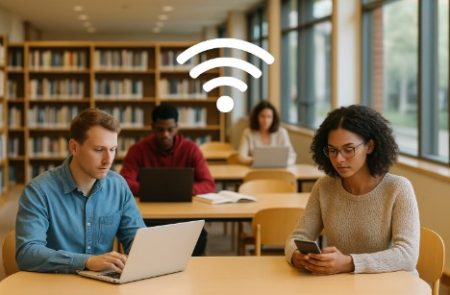
- Wi-Fi Access: Besides public computers, libraries provide Wi-Fi access for patrons who bring their own devices, such as laptops, tablets, or smartphones. Wi-Fi access allows patrons to connect to the internet using their devices while in the library, providing flexibility and convenience in accessing digital resources. Libraries often offer designated areas or study spaces equipped with Wi-Fi connectivity, allowing patrons to comfortably work, study, or engage in online activities within the library premises. Moreover, Wi-Fi access extends beyond library walls, as some libraries offer outdoor Wi-Fi hotspots or mobile Wi-Fi units to serve patrons in community spaces, parks, or other public areas, ensuring continuous access to internet resources beyond library hours and locations.
- Accessibility Accommodations: Libraries prioritize accessibility to ensure that individuals with disabilities have equal access to internet resources. This includes providing assistive technology, such as screen readers, magnification software, and adaptive keyboards, to accommodate patrons with visual impairments or other disabilities. Additionally, libraries ensure that their websites and online resources comply with accessibility standards, such as the Web Content Accessibility Guidelines (WCAG), to make them usable for individuals with disabilities who rely on assistive technologies to access digital content. By incorporating accessibility features into internet resources and services, libraries ensure that all patrons, regardless of their abilities, can effectively navigate and utilize digital materials available at the library.
- Technology Training and Support: Recognizing that digital literacy is essential for navigating the internet effectively, libraries offer technology training and support to help patrons develop the skills to use digital resources confidently. Libraries offer a variety of educational opportunities, including workshops, classes, and one-on-one assistance provided by trained library staff or volunteers. These sessions cover basic computer skills, internet browsing techniques, email etiquette, online safety practices, and effective use of digital tools and applications. By providing technology training and support, libraries empower patrons to navigate the digital landscape independently, enhance their digital literacy skills, and overcome barriers to accessing and utilizing internet resources for their personal, educational, and professional needs.
- Digital Literacy Programs: Besides technology training, libraries offer digital literacy programs to promote digital literacy skills among patrons of all ages and backgrounds. These programs address the evolving needs and challenges associated with digital technology and online communication. Digital literacy programs cover a wide range of topics, including internet safety, privacy, online information evaluation, avoiding scams and misinformation, and practicing responsible digital citizenship. Libraries offer digital literacy workshops, seminars, and educational materials to engage patrons in interactive learning experiences and empower them to make informed decisions about their online activities. By promoting digital literacy, libraries equip patrons with the knowledge and skills to navigate the digital world confidently, critically evaluate online content, and responsibly engage with internet resources.
- Outreach to Underserved Communities: Libraries actively reach out to underserved communities to ensure all patrons can access internet resources and digital literacy support. This may include partnering with community organizations, schools, local government agencies, and other stakeholders to identify and address the unique digital needs of marginalized populations. Libraries conduct outreach initiatives, such as community workshops, technology fairs, and digital literacy events, to raise awareness about the library’s availability of internet resources and services. Additionally, libraries collaborate with community partners to provide targeted support and resources to underserved groups, including low-income individuals, immigrants, seniors, and individuals with disabilities. By conducting outreach to underserved communities, libraries expand their reach, foster trust and engagement, and promote digital inclusion among diverse populations.
- Extended Hours and Remote Access: Some libraries offer extended hours or remote access to internet resources to accommodate patrons with busy schedules or limited mobility. Extended hours allow patrons to access library services and resources outside of traditional operating hours, making it convenient for individuals with work, school, or family obligations to utilize them. Additionally, remote access to internet resources enables patrons to connect to library databases, e-books, and other digital materials from their homes. Libraries may offer virtual reference services, online chat support, and digital collections accessible through library websites or mobile applications, allowing patrons to access information and assistance remotely. By providing extended hours and remote access options, libraries ensure patrons have flexible and convenient access to internet resources, regardless of their schedules or physical locations.
Libraries are crucial in ensuring equitable access to internet resources for all patrons. Through free internet access, accessibility accommodations, technology training and support, digital literacy programs, and outreach to underserved communities, libraries bridge the digital divide and foster digital inclusion within their communities. As libraries adapt to the evolving digital landscape, their commitment to providing equitable access to internet resources remains unwavering, ensuring that all individuals can connect, learn, and thrive in the digital age.
1.5 Libraries’ Initiatives to Promote Digital Literacy.
Libraries play a pivotal role in promoting digital literacy by offering myriad initiatives designed to equip patrons with the skills and knowledge needed to navigate the digital landscape confidently. From technology training workshops and one-on-one assistance to digital literacy classes and community outreach programs, libraries are at the forefront of empowering individuals to harness the power of technology for learning, communication, and participation in society. These initiatives aim to bridge the digital divide, ensuring that individuals of all ages and backgrounds have equitable access to digital resources and opportunities.
Libraries undertake various initiatives to promote digital literacy among patrons who may not be familiar with internet usage, recognizing the importance of equipping individuals with the skills and knowledge needed to navigate the digital world confidently. Some of these initiatives include:
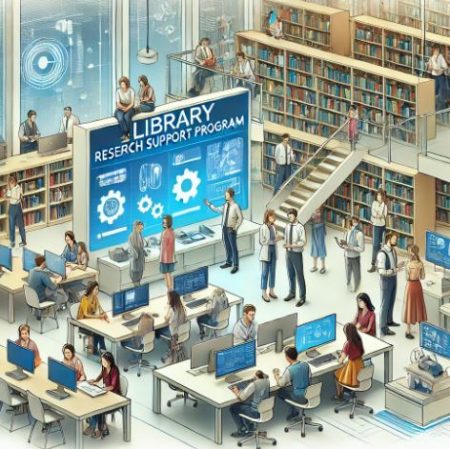
- Technology Training Workshops: Libraries host technology training workshops tailored to patrons with varying levels of digital literacy. These workshops cover basic computer skills such as using a keyboard and mouse, navigating operating systems like Windows or macOS, and understanding file management. Additionally, they delve into internet browsing techniques, teaching participants how to use search engines effectively, navigate websites, and evaluate online information for credibility. Workshops often include hands-on activities and practical exercises to reinforce learning, allowing participants to apply newly acquired skills in real time. Trained library staff or volunteers lead these workshops, providing personalized guidance and assistance to participants as needed. By offering technology training workshops, libraries create a supportive learning environment where patrons can build confidence in using digital tools and resources.
- One-on-One Technology Assistance: One-on-one technology assistance programs provide personalized support to patrons needing individualized instruction or troubleshooting help with technology-related tasks. Library staff or volunteers offer tailored assistance based on each patron’s specific needs and skill levels. This may include helping patrons set up email accounts, navigate library databases, access online resources, or troubleshoot technical issues with computers or devices. One-on-one sessions allow patrons to receive focused attention and support, addressing their unique learning challenges and questions in a supportive and non-intimidating setting. Additionally, these sessions empower patrons to learn at their own pace and receive targeted guidance to overcome barriers to digital literacy.
- Digital Literacy Classes: Digital literacy classes provide structured learning opportunities for patrons to deepen their understanding of digital concepts and develop critical thinking skills for navigating the digital landscape effectively. These classes cover many topics, including internet safety, online privacy, digital security, digital citizenship, and media literacy. Led by experienced instructors or subject matter experts, digital literacy classes often incorporate interactive activities, discussions, and multimedia resources to engage participants and promote active learning. By offering comprehensive digital literacy classes, libraries equip patrons with the knowledge and skills needed to navigate the complexities of the digital world confidently and responsibly.
- Tech Tutoring Programs: Tech tutoring programs pair patrons with experienced volunteers or mentors who provide individualized technology assistance and support. These programs match patrons with tutors based on their specific learning needs, goals, and interests, ensuring a personalized learning experience. Tutors offer ongoing guidance, encouragement, and mentorship to help patrons build confidence and proficiency in digital tools and resources. Whether learning how to use software applications, troubleshooting technical issues, or exploring advanced digital skills, tech tutoring programs provide a supportive environment for patrons to expand their digital literacy skills and achieve their learning objectives.
- Digital Literacy Resources and Materials: Libraries curate various digital literacy resources and materials to support patrons in their digital learning journey. These resources may include online tutorials, educational videos, digital literacy guides, recommended websites, and interactive learning modules. Accessible both in-person at the library and remotely through library websites or online platforms, these resources provide patrons with opportunities to learn at their own pace and explore topics of interest related to digital literacy. Libraries may also offer access to online learning platforms or digital skills training programs to enhance patrons’ digital literacy skills and knowledge.
- Community Outreach and Partnerships: Libraries engage in community outreach initiatives and partnerships to raise awareness about the importance of digital literacy and promote participation in digital literacy programs. These initiatives may include collaborating with local schools, community organizations, senior centers, and other stakeholders to host digital literacy events, workshops, or information sessions. By reaching out to underserved populations and engaging individuals who may not typically access library services, libraries expand their reach and impact, fostering digital inclusion and empowering individuals to become confident and informed digital citizens.
- Digital Literacy Workshops for Specific Demographics: Libraries may offer targeted digital literacy workshops tailored to specific demographics, such as seniors, immigrants, or individuals with disabilities. These workshops address the unique digital literacy needs and challenges these groups face, providing specialized instruction and support to help them develop essential digital skills. For example, workshops for seniors may focus on basic computer skills, internet safety, and using social media to stay connected with family and friends. In contrast, workshops for immigrants may cover topics such as online language learning resources, accessing government services online, and navigating cultural differences in digital communication.
- Collaborative Digital Literacy Projects: Libraries collaborate with other institutions, such as schools, universities, museums, and nonprofit organizations, to develop and implement collaborative digital literacy projects. These projects may involve creating digital literacy curriculum materials, developing online learning modules, or organizing joint events and workshops focused on digital literacy education. By pooling resources and expertise, libraries can expand the reach and impact of their digital literacy initiatives and provide patrons with access to high-quality digital literacy resources and programming.
- Integration of Digital Literacy into Existing Programs: Libraries integrate digital literacy components into existing programs and services to ensure patrons receive digital literacy instruction and support across various library offerings. For example, libraries may incorporate digital literacy activities into storytime sessions for children, computer literacy classes for adults, or job readiness workshops for job seekers. By embedding digital literacy into existing programs, libraries provide patrons continuous opportunities to develop and enhance digital skills in a supportive and familiar environment.
Libraries play a crucial role in promoting digital literacy among patrons through a variety of initiatives and programs. By providing technology training workshops, one-on-one technology assistance, digital literacy classes, tech tutoring programs, digital literacy resources and materials, community outreach initiatives, and partnerships, libraries empower individuals to navigate the digital world confidently, participate in a digital society, and access opportunities for learning and growth in the digital age. Through these initiatives, libraries serve as valuable community hubs, fostering lifelong learning and empowering individuals to thrive in an increasingly digital world.
1.6 How does the library manage issues related to inappropriate content or online safety for patrons, particularly children and vulnerable populations?
Libraries undertake various measures to effectively manage inappropriate content and online safety issues, with a particular focus on protecting children and vulnerable populations. One key strategy employed by libraries is the implementation of internet filtering software. This software helps to block access to websites containing inappropriate or harmful content, such as explicit material or hate speech, thereby reducing the risk of exposure to potentially harmful online content. By employing internet filtering software on library computers and Wi-Fi networks, libraries create safer digital environments for patrons, especially children and vulnerable individuals. In addition to technological solutions, libraries prioritize user education and establish clear policies regarding acceptable internet use. Through educational programs and resources, patrons, including children and vulnerable populations, are informed about the library’s internet use policies, guidelines for appropriate online behavior, and the potential risks associated with online activities. By fostering digital literacy and awareness of online safety, libraries empower patrons to make informed decisions about online interactions and recognize and avoid potentially harmful content or situations.
Libraries often supervise and monitor computer use, particularly in areas designated for children or vulnerable populations. Library staff members or volunteers may periodically check on patrons using library computers to ensure compliance with internet use policies and to intervene if inappropriate behavior or content is observed. This hands-on approach helps to reinforce the library’s commitment to providing a safe and secure environment for all patrons to access digital resources and engage in online activities.
Moreover, libraries may offer parental control options or settings on library computers to allow parents or caregivers to restrict access to certain types of content deemed inappropriate for children. These parental controls empower parents to customize their child’s online experience while using library computers, thereby enhancing their confidence in the library’s ability to protect children from exposure to harmful online content. Additionally, libraries prioritize patron privacy and confidentiality regarding internet use, particularly for vulnerable populations. Measures such as automatically clearing browsing history and temporary internet files after each session or providing private spaces for patrons to use library computers help safeguard patron privacy and protect sensitive information.
Overall, by employing a combination of technological tools, user education, supervision and monitoring, parental controls, and privacy protection measures, libraries effectively manage issues related to inappropriate content and online safety for patrons, particularly children and vulnerable populations. These efforts create safe and welcoming digital environments where patrons can access information, engage in learning activities, and participate in online communities with confidence and peace of mind.