A patent is a form of intellectual property that grants exclusive rights to an inventor or assignee for a specific period, typically 20 years from the filing date. This legal protection allows the patent holder to control the use, production, and sale of their invention, preventing others from making, using, or selling it without permission. Patents are typically granted for inventions that are new, useful, and non-obvious, including products, processes, machines, or compositions of matter. The primary aim of a patent is to incentivize innovation by ensuring that inventors can benefit from their creations and investments. This protection fosters a competitive environment by rewarding original ideas and ensuring that inventors can capitalize on their intellectual contributions. Patents do not, however, protect abstract ideas, natural phenomena, or laws of nature but focus on tangible, innovative creations that meet specific criteria set by patent laws.
Differences Between Patents, Copyrights, and Trademarks
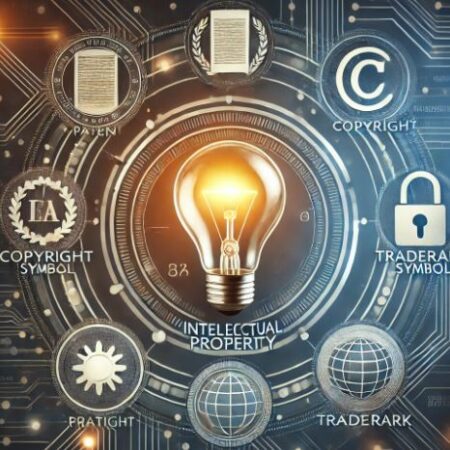
Intellectual property (IP) rights are legal protections given to creators, inventors, and businesses to safeguard their innovations and creations. Patents, copyrights, and trademarks are three of the most common types of intellectual property, but each protects a different type of work and serves a distinct purpose. Understanding the key differences between these three forms of protection can help individuals and businesses make informed decisions about how to protect their ideas and assets.
| Aspect | Patent | Copyrights | Trademarks |
|---|---|---|---|
| What It Protects | A patent protects new inventions, technological processes, machines, and improvements to existing inventions. It grants the inventor exclusive rights to use, make, sell, or distribute the invention for a set period, usually 20 years. | Copyrights protect original works of authorship, such as literature, music, art, software, films, and other creative works. It covers the expression of ideas rather than the ideas themselves. | A trademark protects unique names, logos, symbols, or phrases that distinguish products or services from those of others. It helps consumers identify the source of goods or services and avoids confusion. |
| Purpose | The main purpose of a patent is to encourage innovation by granting inventors exclusive rights to their creations for a limited time. This allows them to benefit commercially from their inventions. | Copyrights aim to protect the creative expression of ideas and provide creators with control over their works. This protection allows creators to profit from their work and ensures others do not use it without permission. | Trademarks are designed to protect brand identity and prevent consumer confusion. They help consumers identify the source of products or services and ensure that businesses’ reputations are protected in the marketplace. |
| Type of Work Protected | Protects tangible inventions or discoveries, including new products, processes, machines, and improvements. | Protects creative works such as books, music, paintings, films, software code, sculptures, and other artistic works. | Protects logos, brand names, slogans, product packaging, and any other identifiers that distinguish goods or services in commerce. |
| Duration of Protection | A patent typically lasts for 20 years from the date of filing. However, certain types of patents, like design patents, may have different durations. Patents can sometimes be extended under specific circumstances, such as for pharmaceutical products. | Copyright protection lasts for the lifetime of the creator plus 70 years for individual authors. For works made for hire, the term is typically 95 years from the date of creation or 120 years from the date of publication, whichever is shorter. | Trademarks can last indefinitely as long as they are used in commerce and are properly renewed. If a trademark is not used or renewed, the protection can be lost. |
| Rights Granted | The patent holder has the exclusive right to make, use, sell, and import the patented invention. This prevents others from using the patented invention without permission. | Copyright grants the creator exclusive rights to reproduce, distribute, perform, and display their work publicly. These rights allow the creator to control how the work is used and by whom. | A trademark owner has the exclusive right to use the mark in commerce and prevent others from using a confusingly similar mark that could cause consumer confusion. |
| Filing Process | To obtain a patent, inventors must file a detailed application with the appropriate patent office (such as the U.S. Patent and Trademark Office). The application undergoes an examination process to determine if the invention meets the patent requirements. | Copyright protection is automatic upon the creation of a work. However, registering the work with the copyright office provides additional legal benefits, including the ability to sue for statutory damages in court. | To secure trademark protection, businesses must file an application with the appropriate trademark office. While rights may arise through use, formal registration of a trademark provides stronger protection and allows the owner to enforce their rights more effectively. |
| Scope of Protection | Protects the functional or technological aspects of an invention. It ensures that others cannot make, use, or sell the patented invention without permission. | Protects the expression of ideas, not the underlying ideas themselves. It covers the specific way an idea is manifested, such as the words in a book or the melody in a song. | Protects symbols, names, or marks that distinguish goods or services in the marketplace. It prevents others from using a similar mark that could lead to confusion among consumers about the source of the goods or services. |
| Examples | A new type of medical device, a smartphone’s unique functionality, or a novel manufacturing process. | A bestselling novel, a chart-topping song, a feature-length film, or a computer software program. | The McDonald’s Golden Arches, Coca-Cola’s iconic logo, or the Nike “Swoosh” symbol. |
| Enforcement | If someone infringes on a patent, the patent holder can take legal action and seek damages through a court system. | Copyright holders can enforce their rights by suing for infringement and seeking damages, including statutory damages, if registered with the copyright office. | Trademark owners can sue for infringement if others use a similar mark in a way that causes confusion among consumers. Enforcement can also include issuing cease-and-desist letters. |
While patents, copyrights, and trademarks all offer legal protection for intellectual property, they serve distinct purposes. Patents protect inventions and technological advancements, copyrights safeguard creative works of authorship, and trademarks defend brand identity in the marketplace. Each type of protection has specific requirements, durations, and enforcement mechanisms that help creators and businesses safeguard their innovations and creations.
Types of Inventions or Ideas That Can Be Patented
Patents are a form of intellectual property that grants inventors exclusive rights to their inventions for a limited period of time. This legal protection allows inventors to prevent others from making, using, selling, or distributing their patented invention without permission. However, not all inventions can be patented. To qualify for a patent, an invention must meet certain criteria: it must be new, useful, and non-obvious. Below, we explore the different types of inventions or ideas that can be patented, along with examples to illustrate each category.
- Machines or Devices: A patent can be granted for new machines, devices, or mechanical inventions. These are inventions that solve a technical problem or improve the functionality of existing technologies. If the device or machine is novel and serves a specific purpose, it may be eligible for patent protection. Example: The invention of the lightbulb by Thomas Edison is a classic example of a machine that was patented. In modern times, innovations such as drones, smartphones, or medical devices like pacemakers could also be patented.
- Processes or Methods: Inventions that involve a new way of doing something, such as a new manufacturing process or method, can be patented. These patents are granted for the steps taken to achieve a result or solve a problem. A process must be novel and capable of being reproduced to be eligible for patent protection. Example: The process of brewing coffee using a particular method or the process of creating synthetic diamonds could be patented. Similarly, a method for encrypting data in a more secure way can also be patented.
- Chemical Compositions: Patents can be granted for new chemical compositions that have specific and beneficial uses. This includes pharmaceuticals, new materials, or chemicals with applications in various industries. The invention must be novel, useful, and non-obvious to those skilled in the field of chemistry or materials science. Example: The creation of penicillin, which revolutionized medicine, is a classic example of a chemical composition that can be patented. Other examples include newly discovered drugs or innovative chemical formulas used in manufacturing and cleaning products.
- Biotechnology and Genetic Engineering: The biotechnology industry is a major area for patenting. Genetic engineering, new genes, and GMOs (genetically modified organisms) can all be patented if they meet the necessary patent requirements. This category also includes innovations in medical treatments and biotechnology-related devices. Example: The development of genetically modified crops that resist pests or require fewer pesticides can be patented. Furthermore, groundbreaking gene-editing techniques like CRISPR, which allows scientists to edit the DNA of organisms, are also eligible for patent protection.
- Design Patents (Ornamental Designs): Design patents protect the unique visual appearance of a functional item, such as the shape, surface decoration, or ornamental design of a product. While design patents do not cover the function or utility of the product, they provide exclusive rights to the aesthetic elements that make the product distinctive. Example: The shape of the Coca-Cola bottle or the distinctive look of an iPhone is patented as a design. Other examples include the unique patterns on furniture or the design of a sports shoe.
- Software and Computer-Implemented Inventions: In the world of software and technology, patent protection is available for new and innovative software programs, algorithms, or specific implementations that solve a technical problem. However, abstract ideas and mathematical formulas are not patentable unless they are applied in a concrete, novel, and useful way. Example: The algorithm behind Google’s search engine, the unique code in a software application, or a new encryption method used for online security can all be patented.
- Medical Devices and Treatments: Medical inventions, including devices, tools, diagnostic machines, and even treatment methods, can be patented if they are innovative and non-obvious. The healthcare industry is a significant area of innovation, and patents play a crucial role in protecting these breakthroughs. Example: New surgical instruments, such as robotic surgery systems, or innovative treatments, such as a new type of vaccine, are eligible for patent protection.
- Manufacturing and Mechanical Innovations: Inventions that improve or optimize manufacturing processes, mechanical systems, or technologies designed to increase efficiency can be patented. These innovations are typically focused on improving productivity, reducing costs, or enhancing the functionality of industrial equipment. Example: A new type of 3D printing technology, an innovative automated assembly line, or a more efficient mechanical system in an automobile engine are examples of inventions that could be patented.
- Consumer Goods and Household Products: Everyday products that are newly designed or improved can also be patented. If a new household item or consumer good has a unique function or feature that distinguishes it from existing products, it may be eligible for patent protection. Example: A newly designed vacuum cleaner with advanced suction technology, a new type of dishwasher that saves energy, or a unique toothbrush that improves dental hygiene could all be patented.
Patents are granted for various inventions and innovations, from groundbreaking technological devices to simple consumer products. For an invention to be eligible for patent protection, it must meet three fundamental criteria: novelty, utility, and non-obviousness. Whether the invention is a new machine, a process, a chemical composition, or even a design, patent protection helps inventors maintain exclusive rights to their creations and encourages further innovation. If you have a new idea or invention that meets these requirements, seeking a patent may be a valuable way to protect your intellectual property and benefit from your creativity.
How Long Does a Patent Last, and Can It Be Extended?
The length of time a patent lasts depends on the type of patent granted and the jurisdiction in which it was issued. Generally, patents offer exclusive rights to the inventor for a specific period, but the duration can vary based on the type of invention and any actions taken by the patent holder.
- Utility Patents: Utility patents are the most common type of patent and are granted for new inventions or discoveries that are useful, novel, and non-obvious. These include products, processes, machines, and compositions of matter.
- Duration: A utility patent typically lasts 20 years from the patent application filing date. This period is the same in most countries, including the United States, but it can be subject to certain conditions.
- Can It Be Extended?: In general, utility patents cannot be extended beyond the initial 20-year period. However, there are exceptions:
- Patent Term Adjustment: If there are delays in the patent office’s processing of the application, the patent holder may be eligible for a Patent Term Adjustment, which can add extra time to the life of the patent.
- Supplementary Protection Certificates (SPCs): In the European Union and other regions, SPCs may be available for pharmaceutical products or plant protection products, extending the effective patent term by up to 5 years. This extension is only available under specific circumstances, such as if regulatory approval for the product took a significant amount of time.
- Design Patents: Design patents protect the ornamental design of a functional item, such as the shape, surface ornamentation, or overall appearance.
- Duration: In the United States, a design patent typically lasts for 15 years from the date of issuance (for patents filed after May 13, 2015). For patents filed before that date, the duration is 14 years.
- Can It Be Extended?: No, design patents cannot be extended. Once the 15-year term has expired, the design enters the public domain and can be freely used by others.
- Duration: In the United States, a design patent typically lasts for 15 years from the date of issuance (for patents filed after May 13, 2015). For patents filed before that date, the duration is 14 years.
- Plant Patents: A plant patent is granted for the invention or discovery of a new and distinct variety of plant that is asexually reproduced.
- Duration: Plant patents last for 20 years from the date of filing the patent application, similar to utility patents.
- Can It Be Extended?: Like utility patents, plant patents generally cannot be extended beyond the 20-year period. However, the patent holder may apply for a Plant Variety Protection (PVP) certificate in the U.S. for some additional protection under certain conditions, but this is separate from the original patent and is not an extension of the patent itself.
- Provisional Patents: A provisional patent application provides a temporary filing that establishes an early filing date but does not grant any rights by itself. It allows inventors to use the “patent pending” status while preparing a full utility patent application.
- Duration: A provisional patent lasts for 12 months from the filing date. It is not renewable, and it does not result in an issued patent unless a full non-provisional application is filed before the provisional patent expires.
- Can It Be Extended?: No, provisional patents cannot be extended. After 12 months, the provisional patent expires, and the inventor must file a full non-provisional patent application if they wish to pursue formal patent protection.
The duration of a patent depends on its type:
- Utility patents last for 20 years from the filing date.
- Design patents last for 15 years from the date of issuance (for newer patents).
- Plant patents last for 20 years from the filing date.
In general, patents cannot be extended beyond their maximum term, although there are specific exceptions, such as Patent Term Adjustment for utility patents or Supplementary Protection Certificates for pharmaceuticals. Once a patent expires, the invention enters the public domain, allowing others to use it freely. Therefore, patent holders should strategically consider how to make the most of their exclusive rights during the patent’s active term.
The Process for Applying for a Patent
Applying for a patent can be a complex and lengthy process, but it is essential for protecting your innovative ideas and ensuring that you have exclusive rights to your invention. A patent grants you the legal right to exclude others from making, using, selling, or distributing your invention without your permission. This exclusive right typically lasts for 20 years from the filing date for utility patents, making it a valuable asset for inventors. Here’s a detailed look at the process involved in applying for a patent.
Step 1: Ensure Patentability of Your Invention
Before applying for a patent, you must determine if your invention is patentable. For an invention to qualify for a patent, it must meet the following criteria:
-
- Novelty: The invention must be new and not have been publicly disclosed before.
- Non-obviousness: The invention must not be obvious to someone skilled in the field, meaning it should offer a new approach or improvement.
- Utility: The invention must have a practical purpose or application.
Preliminary Step – Patent Search: Conducting a patent search is a critical first step. This search helps you determine if your invention has already been patented or if similar inventions exist. You can search through databases like the United States Patent and Trademark Office (USPTO), European Patent Office (EPO), or World Intellectual Property Organization (WIPO) to assess whether your invention is novel.
Step 2: Prepare a Detailed Description of the Invention
The next step is preparing a detailed description of your invention. A thorough and clear explanation is necessary for the patent office to understand your invention and its uniqueness. This description should include:
-
- Title: A clear and concise title that reflects your invention.
- Background: A description of the problem your invention solves and the prior solutions that exist.
- Summary of the Invention: A brief overview of what your invention is and how it works.
- Detailed Description: An in-depth description of your invention, including its components, features, and functionality.
- Drawings/Diagrams: Diagrams or technical drawings that visually explain how your invention works. These are often necessary to clarify the details of the invention.
- Claims: The most critical section of your patent application. Claims define the boundaries of what is protected by the patent. They should be carefully worded and may require legal assistance to ensure they provide proper protection.
Step 3: File the Patent Application
After preparing your documentation, it’s time to file your patent application. There are two main types of applications:
-
- Provisional Patent Application (PPA): A provisional application is a temporary application that establishes a filing date but does not result in an immediate patent. It allows you to use the term “patent pending” for up to 12 months while you refine your invention and prepare a full application. It does not require formal claims but must include a full description and drawings.
- Non-Provisional Patent Application: This is the full and formal application that will undergo examination by the patent office. It must include a detailed description of the invention, the claims, and any required drawings. Once filed, a non-provisional application will be examined by a patent examiner to assess its patentability.
Step 4: Patent Examination
Once the patent application is filed, the patent office will review it. The examiner will conduct a search for prior art (existing patents, publications, etc.) to assess whether your invention is novel and non-obvious. The examiner will also verify that your invention meets all other patent requirements.
-
- Office Actions: After reviewing the application, the examiner may issue an office action. This document outlines any objections or rejections the examiner has regarding the application. You will have an opportunity to address these objections by revising the claims, providing additional information, or making legal arguments to defend the patentability of your invention.
- Response to Office Actions: If you receive an office action, you may need to revise your claims or provide further clarification to resolve any issues. In some cases, you may need to file additional documentation or evidence to demonstrate that the invention meets the requirements.
Step 5: Approval and Granting of the Patent
If the examiner determines that your invention is patentable after reviewing the application and any responses to office actions, your patent will be granted. You will receive a patent certificate, and the invention will be protected under patent law. Once granted, your invention is officially patented, and you will have exclusive rights to it for the duration of the patent term.
Step 6: Pay Maintenance Fees
For utility patents, there are typically maintenance fees that need to be paid at regular intervals (3.5, 7.5, and 11.5 years after the patent is granted in the U.S.) to keep the patent in force. These fees are required to maintain the exclusive rights granted by the patent. If the maintenance fees are not paid, the patent may expire before the full term.
Step 7: Enforce Your Patent Rights
Once granted, your patent provides exclusive rights to your invention. If someone else infringes on your patent, you have the right to take legal action. This may involve sending a cease-and-desist letter, negotiating a licensing agreement, or filing a lawsuit for patent infringement in a court of law.
Key Considerations:
- Patent Attorney: The patent application process can be complicated, especially when drafting claims and responding to office actions. Hiring a patent attorney or agent is highly recommended to ensure the application is prepared correctly and to avoid common pitfalls.
- Patent Pending: Once the application is filed, you can use the term “patent pending” to notify others that your invention is in the process of being patented.
- International Patents: If you wish to protect your invention in multiple countries, you can file an international patent application under the Patent Cooperation Treaty (PCT), which streamlines the process of filing patents in multiple jurisdictions.
The process of applying for a patent is thorough and can take several months or even years, but it is crucial for protecting your invention. By ensuring that your invention meets patentability requirements, preparing a detailed application, filing with the appropriate patent office, and responding to any office actions, you can secure exclusive rights to your invention. Whether you’re developing a new product, process, or technology, obtaining a patent can provide significant benefits, including the opportunity to monetize your invention and prevent others from using it without permission.
Requirements to Get a Patent Granted
To get a patent granted, an invention must meet several critical requirements established by patent law. First, the invention must be novel, meaning it has not been publicly disclosed or available to the public before the patent application is filed. It must be a new and original creation that hasn’t been patented or published previously. Second, the invention must be non-obvious. This means that the invention should not be something that someone skilled in the field could easily deduce from existing knowledge or prior inventions. It must involve an inventive step that is not obvious or trivial. Additionally, the invention must have utility, meaning it must serve a practical purpose or be useful in some way. The invention must provide a solution to a problem or fulfill a specific function that is beneficial in the industry or society.
Moreover, the patent application must include a detailed description of the invention that is clear and thorough enough for someone skilled in the field to replicate it. This typically involves technical drawings, diagrams, or other representations of how the invention works. The application must also contain claims that clearly define the scope of the invention’s protection, outlining exactly what parts of the invention are being claimed as new and novel. Furthermore, the invention must fall under patentable subject matter, meaning it must be a machine, process, composition of matter, or manufacture. Certain things, like abstract ideas or natural laws, cannot be patented. Lastly, the invention must have industrial applicability, meaning it can be used in some type of industry, business, or production activity.
To summarize, the key requirements for obtaining a patent include novelty, non-obviousness, utility, adequate disclosure, and industrial applicability, along with a clear definition of the scope of protection through claims. Only by meeting these criteria can an inventor be granted a patent for their creation.
Enforcing Patent Rights Against Infringers
Once a patent is granted, the patent holder has the exclusive right to make, use, sell, and license the invention. However, protecting these rights from infringement is an essential part of maintaining the value of the patent. If a third party uses the patented invention without permission, the patent holder has the legal right to enforce their rights through various means.
The first step in enforcing patent rights is typically to send a cease-and-desist letter to the alleged infringer. This letter formally notifies the infringer that they are using the patent holder’s protected invention without authorization and requests that they stop the infringing activity immediately. Often, this step can resolve the issue without further legal action, especially if the infringer was unaware of the patent or its terms. The letter may also propose a licensing agreement or settlement if the parties are open to negotiation.
If the cease-and-desist letter does not lead to a resolution, the patent holder can file a lawsuit for patent infringement in a court of law. In the United States, this typically occurs in a federal district court. The patent holder must prove that the patent is valid, the defendant is infringing on the patent, and the infringement has caused harm. If the court finds in favor of the patent_holder, it can issue a judgment that includes injunctive relief, which is an order to stop the infringing activity, as well as monetary damages. The damages can include actual damages (the amount the patent holder lost due to the infringement), royalty damages, or, in some cases, treble damages (up to three times the amount of actual damages) if the infringement is found to be willful.
In addition to litigation, patent holders can also seek to enforce their rights through alternative dispute resolution (ADR) methods, such as mediation or arbitration. These methods can be quicker and less costly than going to court, and they may result in a mutually agreed-upon resolution, including a settlement or licensing agreement. Lastly, in some jurisdictions, such as the U.S., patent holders can use the International Trade Commission (ITC) to stop the importation of infringing products. The ITC can issue an exclusion order, barring the import of infringing goods into the country, which can be a powerful enforcement tool for patent holders, especially in the context of international trade.
Can a Patent Be Sold or Transferred to Another Party?
Yes, a patent can be sold or transferred to another party through a process known as assignment. When a patent is assigned, the original patent holder (assignor) transfers all or part of their ownership rights to another person or entity (assignee). This transfer includes the exclusive rights to make, use, sell, and license the patented invention, which means the assignee gains full control over the patent. The patent holder can sell their rights entirely, effectively relinquishing all ownership, or they can transfer partial rights, such as the ability to license the patent in specific territories or industries.
The transfer of a patent is typically formalized through a written agreement called a patent assignment agreement. This legal document outlines the terms of the transfer, including the scope of rights being transferred, any financial considerations (such as payment or royalties), and any other conditions or restrictions that apply. For the transfer to be legally recognized, it must be recorded with the relevant patent office in the jurisdiction where the patent is registered. This ensures that the new owner’s rights are officially recognized and protected under patent law.
In addition to assignment, a patent holder can also license their patent, which is a less permanent arrangement. Licensing allows the patent holder to retain ownership of the patent while granting another party permission to use, make, or sell the invention, usually in exchange for royalties or other forms of compensation. Unlike an assignment, licensing does not transfer ownership but instead grants specific rights to the licensee.
What Happens if Someone Infringes on a Patent?
If someone infringes on a patent, it means they are using, making, selling, or distributing a patented invention without the permission of the patent holder. Patent infringement is a serious violation of intellectual property rights, and the patent holder has several options for addressing the infringement. The response can range from informal negotiations to formal legal action, depending on the circumstances and the desired outcome.
The first step in addressing patent infringement is often to send a cease-and-desist letter to the alleged infringer. This letter formally notifies the infringer of the patent holder’s rights and demands that they stop using the patented invention immediately. The letter may also propose a licensing agreement or settlement as an alternative to litigation. In some cases, the infringer may not have been aware of the patent, and the issue can be resolved without further legal action.
If the cease-and-desist letter does not resolve the issue, the patent holder can take the matter to court by filing a lawsuit for patent infringement. In the United States, patent infringement cases are typically filed in federal district courts, as they have exclusive jurisdiction over patent matters. To win the lawsuit, the patent holder must prove that the patent is valid and that the defendant is indeed infringing on the patent. If the court finds in favor of the patent holder, it may issue an injunction, which is a court order requiring the infringer to stop their infringing activities. Additionally, the court may award monetary damages, which can include actual damages (the patent holder’s financial loss due to the infringement), royalty damages (the amount the infringer would have paid if they had licensed the patent), or treble damages (up to three times the actual damages) if the infringement is found to be willful.
In addition to litigation, patent holders can also use alternative dispute resolution (ADR) methods, such as mediation or arbitration, to resolve the issue without going to court. These methods can be quicker and less costly than a full-blown trial, and they may result in a settlement or licensing agreement between the parties.
In some jurisdictions, patent holders can also take advantage of the International Trade Commission (ITC), which can block the importation of infringing goods into the country. The ITC can issue an exclusion order that prevents the importation of products that infringe on the patent, providing an additional layer of protection for patent holders, especially in cases of international infringement.
Benefits of Holding a Patent for an Inventor or Company
Holding a patent offers significant advantages for both individual inventors and companies, serving as a powerful tool to protect and monetize innovation. Here are some of the key benefits of holding a patent:
- Exclusive Rights and Market Control: A_patent grants the holder exclusive rights to make, use, sell, or license the patented invention. This exclusivity allows inventors and companies to control how their invention is used in the market, ensuring that competitors cannot legally replicate or use the patented technology without permission. This control can create a significant competitive advantage, allowing the patent holder to dominate a particular niche or market segment.
- Revenue Generation through Licensing: One of the most lucrative benefits of holding a_patent is the ability to license the_patent to other companies or individuals. Licensing agreements allow the_patent holder to receive royalty payments or lump sum fees in exchange for granting others the right to use or sell the patented technology. This can provide a steady revenue stream without the need to directly produce or sell the product. Licensing also opens opportunities for collaboration with larger companies that can bring the invention to a broader market.
- Attracting Investment: Patents can be a valuable asset for inventors and companies seeking investment. Investors and venture capitalists often view patents as indicators of innovation and market potential. A patent_can increase the perceived value of a company by protecting its intellectual property and offering a tangible asset that can be monetized. Patents can also help secure funding, as investors see them as a way to protect their financial interests in the company’s future success.
- Market Differentiation and Branding: Holding a patent_can enhance a company’s brand identity and reputation. Patented products or technologies are often perceived as more innovative, which can attract customers, partners, and investors. Companies that hold patents can market their products as “protected by patent,” signaling to consumers that they offer unique and cutting-edge solutions. This differentiation can give companies a strong competitive edge and help them stand out in crowded markets.
- Defensive Protection Against Infringement: Patents offer the ability to prevent others from using an invention and provide the patent_holder with legal grounds to protect their intellectual property from infringement. If a competitor uses the patented technology without permission, the patent holder can take legal action to stop the infringement and seek monetary damages. This defensive protection helps preserve the value of the invention and ensures that the patent holder’s rights are respected in the marketplace.
- Strategic Business Tool: For companies, patents can be a strategic asset in negotiations and mergers or acquisitions. A strong patent_portfolio can enhance a company’s position in discussions with potential buyers, partners, or investors. Patents can also be used as leverage in cross-licensing agreements or disputes with competitors. By controlling valuable intellectual property, companies can strategically shape their business decisions and alliances.
- Encourages Innovation and R&D: Holding patents can serve as motivation for further innovation and research and development (R&D). Patents reward inventors for their creativity and investment in new ideas, fostering a culture of innovation within a company. Knowing that innovations will be protected through patents, companies are more likely to invest in developing new technologies, improving existing products, and staying ahead of competitors.
- Enhancing Business Partnerships: Patents can facilitate partnerships with other companies, especially in cases where cross-licensing or joint ventures are involved. Companies with valuable patents can engage in collaboration with others, sharing technology and innovations in exchange for access to other valuable intellectual properties. Such collaborations can expand market reach, reduce R&D costs, and create new revenue streams.
- Global Protection: Through international_patent treaties, such as the_Patent Cooperation Treaty (PCT), patent_holders can protect their inventions in multiple countries. This international protection can significantly increase the reach of a product or service, allowing inventors and companies to expand their operations globally. Having a globally protected patent helps prevent competitors from exploiting the same invention in other markets.
Holding a_patent offers numerous benefits for both individual inventors and companies, from exclusive rights and market control to new revenue opportunities through licensing and strategic business advantages. Patents also protect intellectual property, encourage further innovation, and enhance an invention or company’s overall value and market position. Whether used for financial gain, market differentiation, or competitive advantage, patents play a crucial role in fostering long-term success and growth.
How International Patent Protection Works
International patent protection is essential for inventors and companies looking to expand their market reach beyond their home country. While patents are granted on a country-by-country basis, there are systems and treaties in place that simplify the process of obtaining_patent protection in multiple jurisdictions. The most well-known of these is the_Patent Cooperation Treaty (PCT), which allows inventors to file a single international patent_application that can be recognized in over 150 countries. However, it’s important to note that a PCT application does not automatically result in a_patent in all countries; it simply streamlines the process of applying for patents across multiple jurisdictions.
The process typically begins with the filing of a PCT application, which serves as an international filing that preserves the applicant’s priority date in all member countries. Once the PCT application is filed, the applicant enters the national phase, where they must decide in which specific countries or regions they wish to seek protection. Each country will then carry out its own examination of the_patent application according to its local laws and requirements. This means the applicant must still go through the full_patent application process in each chosen country or region, including paying any fees and responding to office actions if required.
Another significant option for international_patent protection is regional patent systems, such as the European Patent Office (EPO) and the African Regional Intellectual Property Organization (ARIPO). These systems allow applicants to file a single application that covers multiple countries within a specific region. The European_Patent Convention (EPC), for example, enables inventors to seek protection in over 30 European countries through one application. Like the PCT, these regional systems simplify the process by consolidating filings for multiple countries into a single application, but the applicant will still need to validate the patent in each country after it is granted.
It’s important to understand that patents are territorial and only provide protection within the jurisdictions where they are granted. If an inventor wants patent_protection in specific countries outside the PCT or regional system, they must file separate applications directly with the relevant national patent_offices. Each country has its own laws and procedures for granting patents, so applicants must be familiar with the specific requirements of each jurisdiction.
Reference Articles:
- A patent_gives you exclusive rights to use your invention. – PRV. (n.d.). Retrieved March 16, 2025, from https://www.prv.se/en/patents/basic-patentguide/what-is-a-patent/
- Apply for a_patent. (n.d.). GOV.UK. Retrieved March 16, 2025, from https://www.gov.uk/patent-your-invention
- Customer Services, O. D. and S. and F. B. (2016, July 1). What is a_patent [Collection; Text]. corporateName=The State of Queensland; https://www.business.qld.gov.au/running-business/risk/ip/types/patents/definition
- Frequently Asked Questions. (n.d.). Patents. Retrieved March 16, 2025, from https://www.wipo.int/web/patents/faq_patents
- Government of Canada, I. (2021, June 28). What is a_patent? [Guides]. Innovation, Science and Economic Development Canada. https://ised-isde.canada.ca/site/canadian-intellectual-property-office/en/patents/what-patent
- Government of Canada, I. (2024, October 1)._Patents – Learn the basics Inventing the next big thing. Learn why_patents matter. Innovation, Science and Economic Development Canada. https://ised-isde.canada.ca/site/canadian-intellectual-property-office/en/patents-learn-basics-inventing-next-big-thing-learn-why-patents-matter
- Guide to Intellectual Property: What is a_Patent? | National Inventors Hall of Fame®. (2025, March 16). https://www.invent.org/blog/intellectual-property/patent-definition
- Homepage | epo.org. (n.d.). Retrieved March 16, 2025, from https://www.epo.org/en
- Home—The African Regional Intellectual Property Organization (ARIPO). (n.d.). Retrieved March 16, 2025, from https://www.aripo.org/
- How Long Does_Patent Protection Last? (2025, March 6). Https://Patentlawyer.Io/. https://patentlawyer.io/how-long-does-patent-protection-last/
- Kozak, K. (n.d.). Guides:_Patents: Patent_Basics. Retrieved March 16, 2025, from https://www.lib.uiowa.edu/
- Patent_Basics. (n.d.). [Text]. Retrieved March 16, 2025, from https://www.uspto.gov/patents/basics
- Patent_Cooperation Treaty (PCT). (n.d.). Retrieved March 16, 2025, from https://www.wipo.int/treaties/en/registration/pct/index.html
- Patent_essentials. (n.d.). [Text]. Retrieved March 16, 2025, from https://www.uspto.gov/patents/basics/essentials
- Patents. (n.d.). Patents. Retrieved March 16, 2025, from https://www.wipo.int/web/patents
- robots. (n.d.). DCTERMS.subject. Retrieved March 16, 2025, from https://www.ipaustralia.gov.au/patents/what-are-patents
- The Ultimate Guide to Provisional Patents and Public Disclosure. (n.d.). Retrieved March 16, 2025, from https://depenning.com/blog/the-ultimate-guide-to-provisional-patents-and-their-public-disclosure/
- What are patents and what do they protect? | epo.org. (n.d.). Retrieved March 16, 2025, from https://www.epo.org/en/service-support/faq/patents-and-ip/what-are-patents-and-what-do-they-protect
- What is a_patent? (n.d.). University of Plymouth. Retrieved March 16, 2025, from https://www.plymouth.ac.uk/research/support/intellectual-property/intellectual-property-faqs/what-is-a-_patent
- What is a_Patent? (2010). American Bar Association.
- What Is a_Patent in Simple Terms? With Examples. (n.d.). Investopedia. Retrieved March 16, 2025, from https://www.investopedia.com/terms/p/patent.asp