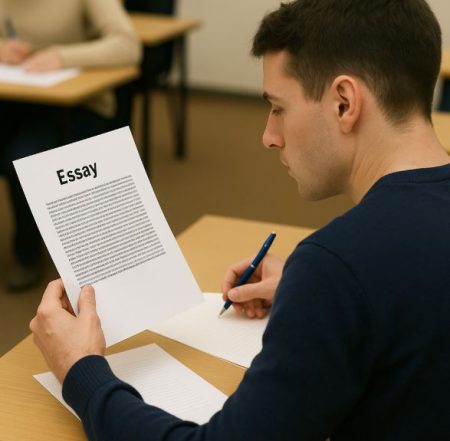
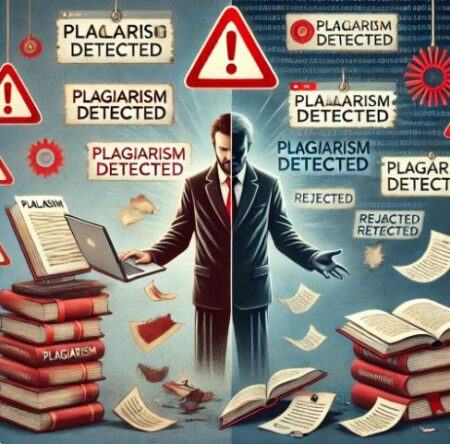
Accidental plagiarism occurs when someone unintentionally uses someone else’s ideas, words, or work without proper acknowledgment. Unlike intentional plagiarism, which involves deliberately copying or presenting someone else’s work as one’s own, accidental plagiarism is often the result of oversight, lack of understanding, or inadequate citation skills. While the intent behind accidental plagiarism is not malicious, it still carries serious consequences, including academic penalties, professional setbacks, and damage to credibility.
Accidental plagiarism is surprisingly common, especially among students, professionals, and novice writers who struggle to understand proper citation rules or differentiate between original ideas and borrowed content. It often arises from poor note-taking practices, failure to paraphrase adequately, or a lack of familiarity with citation guidelines. For example, students might paraphrase a source too closely or forget to attribute an idea they encountered during research, believing it to be their own.
Understanding the distinction between accidental and intentional plagiarism is crucial for mitigating its risks. While accidental plagiarism stems from ignorance or mistakes, intentional plagiarism involves a deliberate attempt to deceive. However, the consequences are often similar, underscoring the importance of proper education and vigilance in all forms of writing.
What is Accidental Plagiarism?
Accidental plagiarism occurs when someone unintentionally uses another person’s work, ideas, or intellectual property without proper acknowledgment. Unlike intentional plagiarism, where there is a deliberate effort to claim someone else’s work as one’s own, accidental plagiarism often results from mistakes, oversights, or a lack of understanding about citation rules and intellectual property rights. Although unintentional, accidental plagiarism is still considered a serious violation of ethical and academic standards.
Common scenarios of accidental plagiarism include failing to properly cite sources, paraphrasing content too closely to the original text, or misattributing ideas. For instance, a writer may mistakenly omit quotation marks when including a direct quote or forget to cite a source entirely while incorporating its ideas. Poor note-taking during research can also lead to confusion about what is original and what has been borrowed from other works, increasing the risk of accidental plagiarism.
This type of plagiarism is especially prevalent among students, professionals, and novice writers who may be unfamiliar with citation practices or unaware of what constitutes intellectual property infringement. Despite its unintentional nature, accidental plagiarism carries consequences similar to those of intentional plagiarism, such as academic penalties, professional repercussions, or damage to one’s credibility. Preventing accidental plagiarism requires a proactive approach, including a thorough understanding of citation guidelines, careful research practices, and the use of plagiarism detection tools. By adopting these strategies, writers can ensure their work adheres to ethical standards and respects the intellectual contributions of others.
Top 5 Mistakes That Lead to Accidental Plagiarism
Accidental plagiarism often occurs unintentionally, stemming from common mistakes that writers make during research or drafting. While the intent may not be malicious, the consequences can be just as serious as intentional plagiarism. Below are the top five mistakes that frequently lead to accidental plagiarism, especially among students, professionals, and novice writers:
Mistake 1: Incomplete or Incorrect Citations
Incomplete or incorrect citations are a frequent cause of accidental plagiarism and occur when a writer fails to properly credit the original source of information. This can happen in two main ways: by omitting essential details (incomplete citations) or by providing inaccurate or improperly formatted references (incorrect citations). For example, a citation missing the author’s name, publication date, or page number may render it incomplete, while citing a journal article as a book or using the wrong citation style constitutes an incorrect citation. These errors make it difficult for readers to trace the original source, which undermines the credibility of the work.
There are several reasons why writers might fall into the trap of incomplete or incorrect citations. Lack of familiarity with specific citation styles, such as APA, MLA, or Chicago, is a common culprit. Writers may also inadvertently rush through their work, neglecting the attention to detail that accurate citations require. Mismanagement of source materials, such as poorly organized notes or incomplete research documentation, further exacerbates the issue. In some cases, over-reliance on memory instead of consulting the original source can lead to errors.
The consequences of incomplete or incorrect citations can be significant. They may lead to allegations of plagiarism, even if the oversight was unintentional. Such errors can also damage a writer’s credibility, as they signal a lack of diligence or care in presenting accurate information. Moreover, incomplete or incorrect citations hinder readers’ ability to verify sources, thereby reducing the work’s overall reliability and academic value.
To avoid incomplete or incorrect citations, writers should adopt meticulous habits during the research and writing process. Keeping detailed notes of all source materials, including author names, publication dates, titles, and page numbers, is essential. Using citation management tools like Zotero, Mendeley, or EndNote can help organize references and ensure they are formatted correctly. Writers should familiarize themselves with the citation style required for their work and consult reputable style guides when in doubt. Before submitting their writing, it’s crucial to thoroughly review all citations for accuracy and completeness.
Mistake 2: Overreliance on Paraphrasing Without Citation
Overreliance on paraphrasing without proper citation is a common yet problematic practice that can lead to accidental plagiarism. Paraphrasing involves rewording someone else’s ideas or information to make it your own, but the act of paraphrasing does not eliminate the need to credit the original source. When writers fail to cite their sources after paraphrasing, they unintentionally claim ownership of ideas that are not theirs. This misstep often occurs because writers assume that altering the wording sufficiently separates their work from the original. However, even if the text is rewritten in new terms, the underlying ideas still belong to the original author and require acknowledgment.
This issue is frequently rooted in misunderstandings about what constitutes plagiarism. Writers may believe that their work is original as long as they avoid copying text verbatim. However, plagiarism is not limited to direct quotations; it also includes using someone else’s concepts, arguments, or research without proper attribution. This misunderstanding is often compounded by a lack of familiarity with citation norms or a rush to complete work, which can lead to paraphrased content being included without due credit.
The consequences of overreliance on paraphrasing without citation can be significant. In academic and professional settings, it undermines the integrity of the work and can result in penalties, such as failing grades, loss of credibility, or legal ramifications. Additionally, it stifles the writer’s opportunity to contribute unique insights or perspectives, reducing their work’s overall quality and originality.
To avoid this mistake, writers should adopt a disciplined approach to citation. Every time a source is paraphrased, it should be accompanied by a proper citation indicating where the idea originated. This ensures that the original author receives credit and that readers can trace the information back to its source. Moreover, effective paraphrasing requires a deep understanding of the material being reworded. Writers should aim to process the information thoroughly and express it in their unique voice rather than simply rephrasing sentences.
Mistake 3: Forgetting to Cite Commonly Sourced Ideas
Forgetting to cite commonly sourced ideas is a frequent mistake that can lead to accidental plagiarism, often resulting from misunderstanding what constitutes “common knowledge.” Common knowledge refers to widely known, undisputed, and readily available information from multiple sources, such as “water freezes at 0°C” or “the Earth revolves around the Sun.” However, not all frequently discussed ideas fall into this category. Facts, statistics, or concepts specific to a field of study or ideas presented by a specific author or source require proper citation, even if they appear to be well-known within that domain.
This oversight typically happens because writers mistakenly assume that certain ideas are universally recognized when they are actually specific to an individual’s research or perspective. For instance, citing a theory or finding from a well-known researcher without attribution might seem unnecessary, especially in specialized fields where the audience may already be familiar with it. However, unless the information is truly common knowledge, failing to cite it denies credit to the original creator and can lead to accusations of plagiarism.
The consequences of forgetting to cite commonly sourced ideas can damage a writer’s credibility and integrity. It not only diminishes the quality of the work but also reflects a lack of diligence in respecting intellectual property. In academic or professional settings, this can result in penalties such as losing trust, facing reduced grades, or even encountering legal challenges in severe cases. To avoid this mistake, writers should clearly understand what qualifies as common knowledge. A good rule of thumb is to cite any fact, idea, or data that is not widely available across multiple sources or is specific to a particular individual’s work. When in doubt, err on the side of citation, as it is better to over-cite than to risk under-citing. Additionally, reviewing trusted style guides or consulting with instructors, editors, or colleagues can provide clarity on whether a particular piece of information requires citation.
Mistake 4: Copy-Pasting Content During Research
Copy-pasting content during research is a common practice that, if not handled carefully, can lead to accidental plagiarism. Writers often copy text directly from sources into their notes for convenience or to preserve the original wording for reference. However, the problem arises when these copied sections are mistakenly included in the final draft without proper attribution. This often happens because the content, initially meant as a temporary placeholder or reference, becomes indistinguishable from the writer’s own ideas during the drafting process.
This mistake is typically rooted in disorganized research methods. Writers may fail to label or distinguish between their own thoughts and information taken from sources, leading to confusion when compiling notes into a cohesive piece. Additionally, when multiple sources are used, it becomes even easier to lose track of which ideas were borrowed and which were original. Rushed writing or inadequate attention to detail further increases the likelihood of these oversights.
The consequences of copying and pasting content without proper management are significant. Accidental inclusion of uncredited material in a final work is still considered plagiarism, regardless of intent. This can undermine the credibility of the writer and lead to academic penalties, damaged professional reputations, or legal consequences, depending on the context. Moreover, such practices hinder the writer’s ability to engage critically with the material and develop their unique perspective.
To avoid this pitfall, writers should adopt systematic note-taking strategies. One effective method is to clearly label all copied content with quotation marks or tags alongside detailed source information, including the author’s name, publication title, and page numbers. Using tools like digital note-taking apps or citation management software can also help keep track of sources and ensure proper attribution. Writers should review their notes carefully before drafting to separate original ideas from borrowed content and verify that all references are accurately cited.
Mistake 5: Failing to Use Plagiarism Detection Tools
Neglecting the use of plagiarism detection tools is another common oversight that can lead to accidental plagiarism. Even with the best intentions, writers may inadvertently replicate phrases, ideas, or structures from their sources without realizing it. This is particularly common in long-form writing, where the volume of information processed increases the likelihood of unintended overlaps with existing content.
This mistake often occurs due to overconfidence or a lack of awareness about the capabilities of plagiarism detection tools. Writers may assume their work is original because they paraphrased or rephrased source material, not recognizing that subtle similarities can still be flagged as plagiarism. Others may simply be unaware of the availability and ease of use of tools like Turnitin, Grammarly, or Copyscape.
The consequences of failing to use plagiarism detection tools can range from minor corrections to serious repercussions. Unintentional plagiarism can tarnish a writer’s reputation, result in academic penalties, or cause disputes in professional settings. Additionally, undetected overlaps can undermine the credibility of the work and its acceptance in academic or publishing circles.
To prevent these issues, writers should incorporate plagiarism detection as a routine part of their editing process. Reliable tools can identify accidental overlaps and highlight areas that require rephrasing or proper citation. Writers should treat these tools as a safety net rather than a replacement for good research and writing practices. Running a draft through a plagiarism checker before submission ensures that any unintentional issues are addressed, helping writers maintain the originality and integrity of their work.
Being vigilant against accidental plagiarism is not just about avoiding consequences—it’s about fostering integrity and credibility in your writing. Accidental plagiarism often stems from small mistakes, but its impact can be significant, affecting your reputation, academic achievements, or professional relationships. By understanding the common pitfalls and taking proactive steps to avoid them, you can ensure your work remains authentic and ethical.
Adopting good writing habits, such as staying organized, properly managing your sources, and paraphrasing effectively, is crucial. Regularly reviewing your work and using plagiarism detection tools can provide an added layer of security, helping you identify and address potential issues before they become problems. By following the outlined tips, you can create original, well-cited work that reflects your unique voice while respecting intellectual property. Writing with integrity builds trust with your audience and contributes to a culture of honesty and innovation in your field.