Every day, we are exposed to an overwhelming amount of information. In fact, it’s estimated that over 2.5 quintillion bytes of data are created each day,…
Every day, we are exposed to an overwhelming amount of information. In fact, it’s estimated that over 2.5 quintillion bytes of data are created each day,…
Intellectual integrity is a fundamental ethical principle that emphasizes honesty, fairness, and responsibility in the pursuit and dissemination of knowledge. It requires individuals to adhere to…
An Anti-Disinformation Campaign is a coordinated effort designed to counter the spread of false or deliberately misleading information, also known as disinformation. These campaigns aim to…
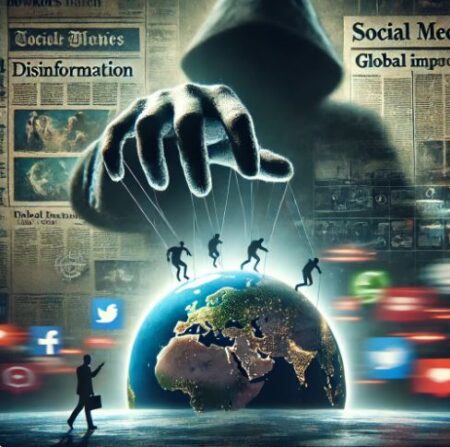
Disinformation refers to false information that is deliberately spread with the intent to deceive or mislead. Unlike misinformation, which can be shared unknowingly or without harmful…

Libraries have long stood as bastions of knowledge and truth in communities, providing access to a wealth of information resources. In today’s digital age, where the…

In an era defined by the rapid proliferation of digital content, information literacy has emerged as an essential skill for navigating the complexities of modern life.…
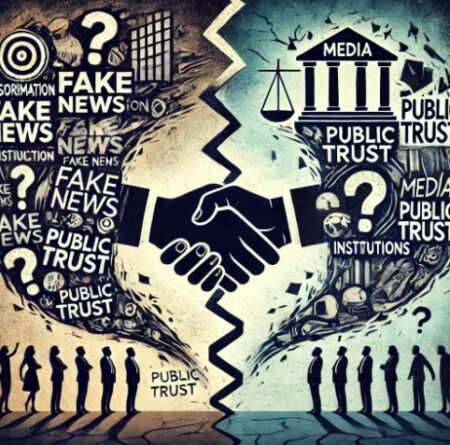
Misinformation profoundly impacts public trust in media and institutions, eroding confidence in their credibility and integrity. As false or misleading information spreads quickly through social media…
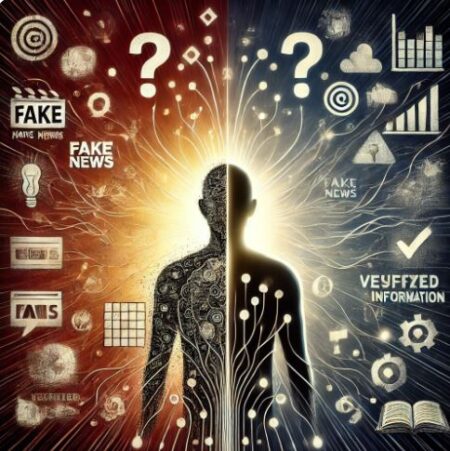
Misinformation, or false and misleading information, profoundly influences individual beliefs and behaviors by shaping how people perceive and respond to the world around them. In an…
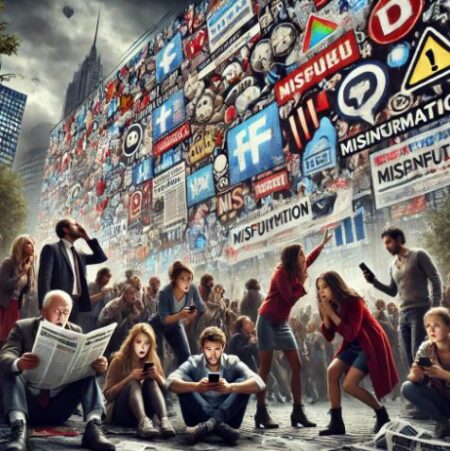
Misinformation is spreading false, misleading, or inaccurate information, often without malicious intent. It differs from disinformation, which is intentionally deceptive, but the effects of both can…

A citation refers to a source of information used to support or substantiate ideas, arguments, or statements in a piece of writing. Citations are essential in…