What is Name Catalogue?
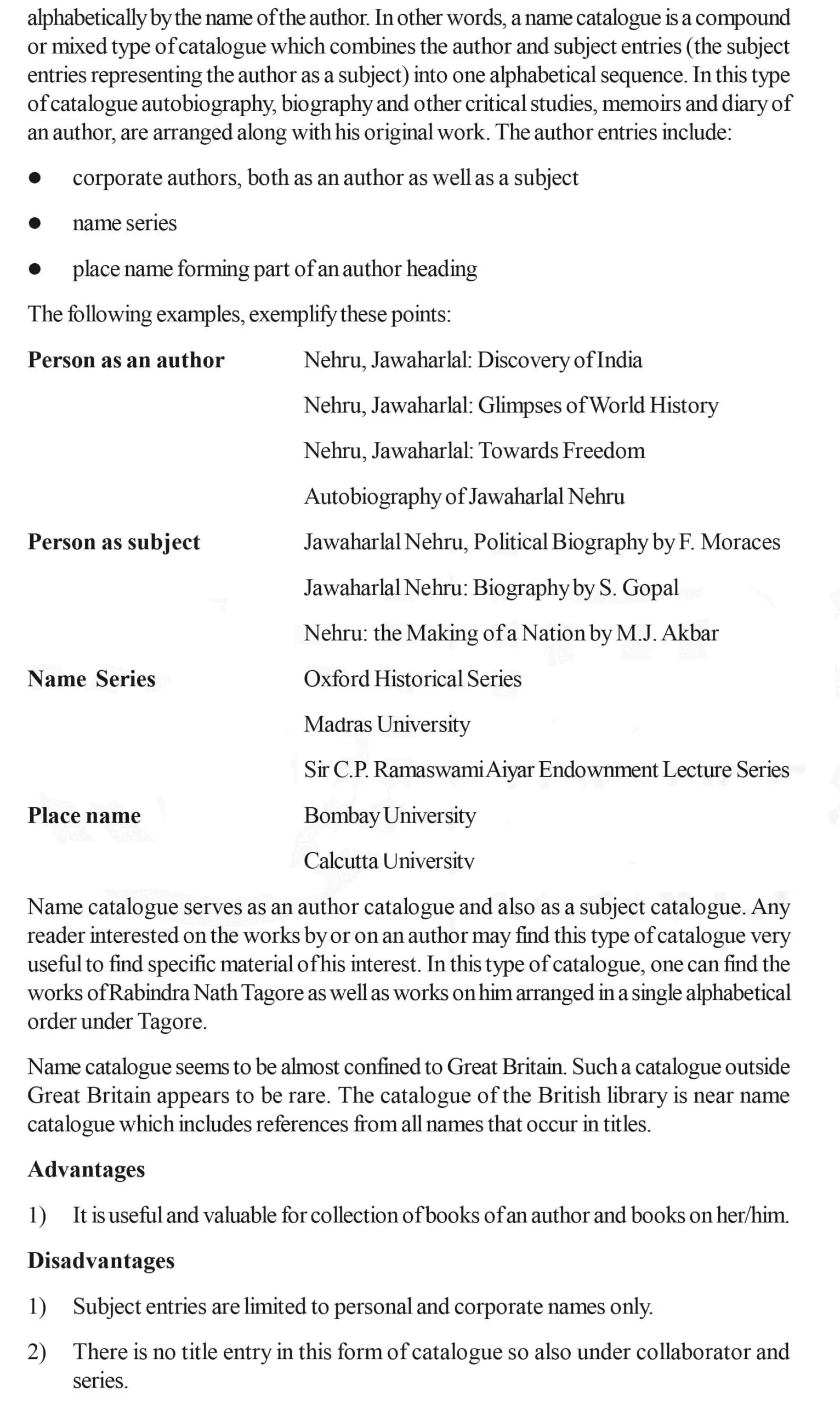
A Name Catalogue is a specialised system within library cataloguing frameworks that organises and indexes library materials based on the names of authors, editors, or contributors associated with those materials. It functions as a comprehensive listing of works linked to specific individuals, providing an efficient way for library users to find resources created or edited by a particular person. The Name Catalogue serves an essential role in organising and retrieving works based on authorship, helping users locate all relevant publications by a specific individual, regardless of the subject or format. This system typically operates alphabetically, categorising entries according to the names of contributors, and can be accessed both in traditional card catalogue formats and as part of digital library systems. The primary advantage of a Name Catalogue is its ability to streamline research by allowing users to focus on works from particular authors or scholars, without needing to sift through unrelated materials.
How Does a Name Catalogue Work in a Library System?
A Name Catalogue in a library system functions by organising and indexing resources based on the names of authors, editors, or contributors associated with the materials. When a new item, such as a book, article, or journal, is added to the library’s collection, its bibliographic details, including the names of authors or contributors, are recorded in the catalogue system. The resources are then organised alphabetically by the last name of the author or contributor, allowing users to search for works based on the names of individuals. This system ensures that all materials linked to a particular person can be easily retrieved, regardless of their subject or format. Additionally, authority control is used to standardise how names are represented, preventing confusion due to variations in spelling or formatting. For example, works by “William Shakespeare” and “Shakespeare, W.” would be linked under a single entry. The Name Catalogue is typically integrated with other cataloguing systems, like subject or title catalogues, allowing for more comprehensive searches. This system not only helps users quickly find works by specific authors, but it also provides a reliable way to trace the contributions of individuals across a library’s entire collection.
Advantages and Disadvantages of a Name Catalogue in Library Systems
A Name Catalogue in a library system provides several advantages, but also comes with some limitations. One of the key benefits is that it allows for easy and efficient access to works by specific authors, editors, or contributors. By organising materials alphabetically by author name, users can quickly locate all works associated with a particular individual. This is especially useful for researchers, who may need to gather a comprehensive set of materials linked to a specific scholar or writer. Additionally, a Name Catalogue helps standardise the representation of authors’ names, ensuring consistency across bibliographic records. This standardisation, achieved through authority control, reduces confusion caused by variations in how names may appear in different sources, such as full names, initials, or pseudonyms.
Another advantage is the ability to cross-reference names with other cataloguing systems, such as subject or title catalogues. This integration can enhance the search process, enabling users to not only find works by a particular author but also explore related subjects and topics. Moreover, the simplicity of the alphabetical organisation makes the Name Catalogue easy to use, allowing even less experienced library users to find what they need with minimal effort. The straightforward nature of this system streamlines research by focusing on a specific individual’s contributions, making it particularly valuable for in-depth studies of an author’s work.
However, there are also notable disadvantages to a Name Catalogue. One significant limitation is its lack of flexibility in subject-based searches. A Name Catalogue focuses primarily on organising materials by the names of authors and contributors, which may not be ideal for users looking to search for resources based on a specific topic or theme. This means that users who are conducting broader research or looking for a range of works on a particular subject may find it less helpful. Furthermore, while authority control helps standardise names, it can still be challenging to manage the variations in names, especially with authors who may use pseudonyms, change their names, or share common names. This can sometimes complicate the retrieval process.
Another drawback is that a Name Catalogue can struggle with works that have multiple contributors, such as books with joint authorship or edited volumes. It may not always effectively link all contributors, which could lead to incomplete results. Additionally, maintaining a Name Catalogue requires significant effort from library staff to ensure data accuracy and regular updates. Any errors or inconsistencies in the entry of names can hinder users’ ability to locate the works they need. Finally, while the Name Catalogue is designed to simplify the search for an author’s works, its focus on names can limit the discovery of relevant materials that may not be explicitly linked to a particular individual, further restricting its usefulness for some users.
How to Search for an Author in the Name Catalogue
Searching for an author in the Name Catalogue is a straightforward process that allows users to locate all works associated with a specific individual. To begin, users typically access the library’s cataloguing system, either through a physical card catalogue or, more commonly today, through a digital library catalogue. Once in the catalog system, users can perform a search by entering the author’s last name, followed by the first name if necessary, or just the last name if the system automatically sorts alphabetically. The search results will display a list of all works by the author, including books, articles, journals, and other publications.
In modern digital systems, search functions may also allow for advanced filtering options. For example, users may refine their search by publication year, resource type (e.g., books, articles, or essays), or language. Some systems may even offer options for searching by the author’s full name, initials, or alternate names (such as pen names or pseudonyms), ensuring that all works associated with the author are included in the search results. Additionally, many Name Catalogues are integrated with other cataloguing systems, allowing users to find works not only by the author but also related materials based on subject or topic. This makes the search for an author’s work both efficient and comprehensive.
Hellow i have a question what is the ans of this ques
Name catalogue is variant of _________.