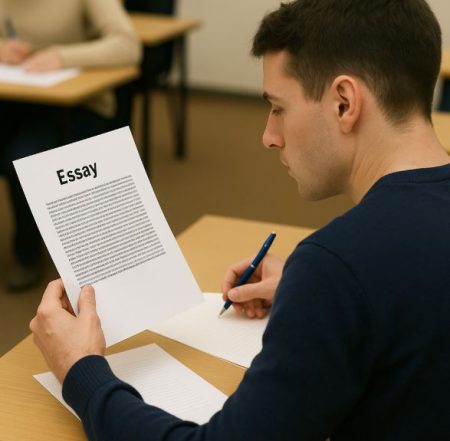
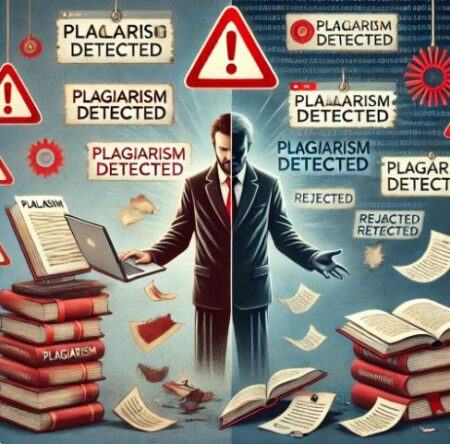
Plagiarism, the act of using someone else’s work, ideas, or words without proper acknowledgment, is a serious violation of academic and ethical standards. In academic settings, where the pursuit of knowledge and intellectual honesty are paramount, plagiarism undermines the very foundation of learning and scholarship. It reflects a lack of originality and effort and breaches the trust between students, educators, and institutions.
The impact of plagiarism on academic integrity is profound. It erodes the principles of fairness and honesty, devalues genuine academic achievements, and compromises the credibility of educational institutions. For students, engaging in plagiarism hinders intellectual growth by bypassing critical learning processes, such as research, analysis, and independent thinking. It deprives them of the opportunity to develop essential skills, including problem-solving, creativity, and the ability to synthesize and present ideas.
Addressing plagiarism is essential to maintaining academic standards and fostering a culture of originality and ethical responsibility. By understanding its consequences and promoting awareness, educators can guide students toward meaningful learning and help them build the skills needed for academic and professional success.
The Importance of Plagiarism Awareness
Plagiarism awareness is a cornerstone of ethical practices in academia, professional settings, and creative endeavors. It involves understanding the concept of plagiarism, its consequences, and the steps necessary to prevent it. In academic contexts, plagiarism undermines the core principles of integrity, fairness, and accountability. Students who plagiarize fail to engage critically with material, depriving themselves of the opportunity to develop essential skills such as analysis, synthesis, and original thinking. Awareness helps students understand the significance of proper attribution and fosters a commitment to authentic scholarship.
In professional settings, plagiarism awareness is equally important. Ethical behavior, including respecting intellectual property, is essential for building credibility and trust. Professionals who plagiarize risk damaging their reputations, losing job opportunities, or even facing legal consequences. Awareness programs teach individuals the importance of originality and encourage practices that maintain the integrity of their work. Moreover, understanding the boundaries of intellectual property and copyright laws helps professionals navigate complex legal landscapes, reducing the risk of inadvertent violations.
Beyond individual consequences, plagiarism awareness promotes a culture of integrity and respect for intellectual contributions. It emphasizes the value of citing sources, giving credit to original authors, and respecting the intellectual efforts of others. This mutual respect drives innovation and knowledge creation, ensuring that advancements are built on a foundation of honesty and collaboration. By fostering awareness, institutions, and organizations can empower individuals to produce high-quality, ethical, and meaningful work while avoiding the pitfalls of plagiarism.
How Educators Can Promote Awareness of Plagiarism
Plagiarism is a persistent challenge in academic settings, undermining the values of honesty, originality, and intellectual integrity. Whether intentional or accidental, it detracts from the learning process and compromises academic achievements. Educators play a vital role in promoting awareness of plagiarism, equipping students with the knowledge and tools to avoid it, and fostering a culture of accountability and respect for intellectual property. Here are the strategies educators can implement to raise awareness and encourage ethical writing practices.
- Educate on the Concept of Plagiarism: Educating students about the concept of plagiarism is essential to fostering a culture of academic honesty and ethical scholarship. Plagiarism is often misunderstood, with many students unaware that it extends beyond directly copying text. It includes paraphrasing someone else’s ideas without proper acknowledgment, failing to cite sources, self-plagiarism, and mosaic plagiarism, where borrowed phrases are woven into original work without proper credit. Providing a clear and comprehensive definition helps students understand the different forms of plagiarism and their implications.
In addition to defining plagiarism, educators must emphasize its ethical and academic significance. Plagiarism is not merely a technical violation; it represents a breach of trust and respect for the intellectual efforts of others. It undermines fairness and devalues genuine academic achievements. Moreover, by bypassing the process of original research and critical thinking, students who plagiarize miss opportunities to develop essential skills and deepen their understanding of the subject matter.
Highlighting the consequences of plagiarism reinforces its seriousness. In academic settings, plagiarism can lead to failing grades, academic probation, or expulsion. Outside academia, it can result in damaged reputations, job loss, or even legal consequences, particularly in cases of copyright infringement. Educators can use real-world examples to illustrate these outcomes, making the concept more relatable and impactful.
Creating an open and supportive learning environment is also crucial. Students should feel comfortable asking questions about proper attribution and citation without fear of judgment. By fostering this dialogue and providing resources and guidance, educators empower students to embrace originality, respect intellectual property, and uphold the highest standards of academic integrity. - Teach Proper Citation Practices: Teaching proper citation practices is crucial in helping students understand how to avoid plagiarism and maintain academic integrity. Citations are essential for acknowledging the sources of information, ideas, and inspiration used in academic and professional work. However, many students struggle with proper attribution due to a lack of understanding about citation styles, formatting, or when citations are required. Educators are vital in demystifying this process and providing the tools and guidance needed to master it.
One of the first steps in teaching citation practices is introducing students to common citation styles, such as APA, MLA, or Chicago. Educators should explain the purpose of each style, the fields where they are commonly used, and how to format citations for various sources, including books, articles, websites, and multimedia. Offering clear examples and templates can help students grasp these concepts more effectively. Additionally, providing access to resources like style guides or online citation generators can simplify the process and ensure accuracy.
Practice is another key component. Assigning tasks such as creating annotated bibliographies, citing sources in drafts, or writing research-based essays reinforce proper citation habits. These exercises allow students to gain confidence in attributing sources while receiving constructive feedback on their progress. Educators can also highlight the importance of in-text citations, reference lists, and direct quotations to ensure comprehensive and ethical use of source material. Beyond technical skills, educators should emphasize the value of citation as a means of giving credit to original creators and contributing to a broader academic conversation. Proper citation reflects respect for intellectual property and enhances the credibility and transparency of a student’s work. - Encourage Original Thinking: Encouraging original thinking is a critical aspect of fostering academic integrity and reducing plagiarism. When students develop their own ideas and perspectives, they are less likely to rely heavily on copying or paraphrasing the work of others. Original thinking demonstrates a deep engagement with the subject matter and enhances critical thinking, problem-solving, and creativity—skills essential in both academic and professional settings.
Educators can promote original thinking by designing assignments that require students to analyze, interpret, and synthesize information rather than simply summarizing or regurgitating facts. For instance, tasks that involve personal reflections, case studies, or creative problem-solving encourage students to apply their understanding in unique ways. Open-ended questions and real-world scenarios can also inspire students to think critically and offer innovative solutions.
Another effective strategy is to foster a classroom environment that values diverse perspectives and collaborative discussions. Encouraging students to share their viewpoints and engage in respectful debates helps them build confidence in their ideas. This interactive approach strengthens their critical thinking skills and reduces the temptation to rely on external sources for ready-made answers.
Providing clear guidance on how to build arguments and use sources effectively is also essential. Students should learn to integrate evidence from research to support their points while maintaining their voice. Educators can emphasize the importance of balancing source material with personal insights and ensuring that borrowed ideas are properly attributed. - Use Plagiarism Detection Tools: Plagiarism detection tools are valuable resources for promoting academic integrity and helping students avoid unintentional plagiarism. These tools, such as Turnitin, Grammarly, or Quetext, scan written work against vast databases of academic papers, online content, and other sources to identify instances of overlapping or copied text. By highlighting areas that require citation or revision, these tools empower both educators and students to address potential issues before they become serious violations.
For educators, plagiarism detection tools provide an efficient way to evaluate student submissions. Instead of manually checking each assignment for originality, these tools generate detailed reports that pinpoint specific sections requiring attention. This enables educators to focus their feedback on teaching proper citation practices and improving students’ understanding of ethical writing. Tools like Turnitin also offer integration with learning management systems, streamlining the submission and review process.
For students, these tools serve as educational aids rather than just monitoring mechanisms. Allowing students to pre-check their work helps them identify unintentional plagiarism and correct it before submitting assignments. For example, students may realize they paraphrased too closely or forgot to include a citation. This proactive approach prevents academic penalties and reinforces ethical writing habits.
It is important to emphasize that plagiarism detection tools should complement, not replace, education on plagiarism and citation practices. While these tools can identify potential issues, they may not distinguish contexts, such as properly cited quotes or common knowledge. Therefore, educators should guide students in interpreting the results and making necessary improvements. - Create a Culture of Integrity: Creating a culture of integrity is essential for fostering ethical behavior and academic honesty among students. Integrity goes beyond simply avoiding plagiarism—it involves cultivating an environment where originality, accountability, and respect for intellectual property are valued and practiced consistently. When a culture of integrity is established, students are more likely to approach their work honestly and develop habits that align with ethical standards.
Educators play a pivotal role in setting the tone for integrity within their classrooms. This begins with clear communication of expectations. Providing students with a well-defined plagiarism policy in the syllabus and discussing it at the start of the course helps establish the importance of academic honesty. Transparency about plagiarism’s consequences and originality’s benefits reinforces these values. Including examples of both ethical practices and misconduct can help students understand the boundaries of acceptable behavior.
Modeling integrity is another effective strategy. Educators can demonstrate proper citation and attribution in their teaching materials and lectures, setting an example for students to follow. Creating assignments that prioritize critical thinking and creativity also encourages students to value their contributions and take pride in their work.
Building trust is equally important in fostering a culture of integrity. Encouraging open dialogue about challenges in research and writing creates a supportive environment where students feel comfortable seeking help. Providing access to resources, such as writing centers or plagiarism workshops, shows students that their development and success are priorities. - Provide Clear Guidelines: Providing clear guidelines is a crucial strategy in helping students understand and adhere to academic integrity standards, including avoiding plagiarism. Ambiguity in expectations can lead to confusion and unintentional misconduct. By establishing and communicating precise rules, educators create a framework that empowers students to engage ethically with their work and avoid the pitfalls of plagiarism.
Guidelines should begin with a clear explanation of what constitutes plagiarism. Educators should define the various types of plagiarism, such as direct copying, paraphrasing without attribution, and self-plagiarism. Examples of acceptable and unacceptable practices can clarify these definitions, ensuring students know how to apply them in their work. Including this information in the syllabus or assignment instructions provides a reference point students can revisit throughout the course.
Expectations regarding citations and attribution should also be explicitly stated. Educators can outline which citation style (e.g., APA, MLA, Chicago) is required and provide resources or examples to guide students in its proper use. Additionally, specifying how students should handle collaborative work, such as group projects or peer reviews, can prevent misunderstandings about individual and shared contributions.
Equally important is communicating the consequences of plagiarism. Students should understand the academic and professional repercussions of misconduct, ranging from failing grades to more severe disciplinary actions. Transparency about these outcomes underscores the seriousness of ethical breaches and motivates students to prioritize integrity. - Use Real-World Examples: Using real-world examples is a powerful way to help students understand the seriousness of plagiarism and its far-reaching consequences. Examples from academia, publishing, or professional settings make the concept of plagiarism more tangible, moving it beyond abstract rules and showing its real-life implications. These examples can highlight how plagiarism affects reputations, careers, and even organizations, underscoring why academic and professional integrity is essential.
For instance, educators can share high-profile cases where plagiarism led to retracted publications, damaged reputations, or legal penalties. Examples such as a politician’s speech or a journalist’s article being exposed as plagiarized can illustrate how public scrutiny can irreparably harm credibility. In academic contexts, discussing cases where students faced severe disciplinary actions for plagiarism can make the consequences more relatable.
Real-world examples can also highlight the ethical dilemmas and gray areas surrounding plagiarism. For example, educators can discuss instances of accidental plagiarism, where individuals misunderstood proper attribution practices, or mosaic plagiarism, where the content was unintentionally woven into original work. These scenarios help students recognize the importance of attention to detail and proactive learning to avoid similar mistakes. - Offer Support and Resources: Offering support and resources is critical in helping students avoid plagiarism and succeed in their academic endeavors. Many instances of plagiarism arise from a lack of understanding about proper research and citation practices or from challenges like time management, language barriers, or insufficient confidence in writing skills. Providing access to tools, guidance, and assistance helps address these issues and empowers students to produce original, ethical work.
Support can begin with resources such as writing centers or research workshops, where students can receive one-on-one guidance on developing their ideas, paraphrasing effectively, and citing sources correctly. Educators can also share online tools like citation generators, plagiarism checkers, and style guides to simplify the technical aspects of attribution. These resources equip students with practical solutions and reduce the likelihood of unintentional plagiarism.
Time management guidance is another valuable form of support. Helping students break large projects into manageable tasks with clear deadlines can prevent last-minute pressures that often lead to copying or improper citation. Encouraging students to start assignments early and seek feedback on drafts ensures they have the time to engage deeply with their work and make corrections as needed.
Educators should also create an open and approachable environment where students feel comfortable asking questions about plagiarism or seeking help with their writing. Addressing these concerns without judgment fosters trust and reinforces the importance of ethical practices. Offering resources and support helps students avoid plagiarism and builds their confidence, skills, and commitment to academic integrity.
Educators have a unique responsibility to promote plagiarism awareness and ethical writing practices. By educating students, teaching citation skills, fostering creativity, and using technology effectively, educators can empower students to produce original, high-quality work. Supporting these efforts with workshops, resources, and a culture of integrity ensures that students develop the skills and values needed for success in academia and beyond. Educators can combat plagiarism through proactive engagement and clear communication while fostering a commitment to ethical scholarship and intellectual growth.
Reference Article:
- Ashikuzzaman, A., Hasan, N., Hossain, U., Ali, E., & Begum, D. (2018). “AVOID PLAGIARISM, PROMOTE HIGHER EDUCATION”: DOES THE SITUATION DEMAND FOR THE SOCIAL MARKETING APPROACH AT RAJSHAHI UNIVERSITY? EDULEARN18 Proceedings, 5773–5773. 10th International Conference on Education and New Learning Technologies. https://doi.org/10.21125/edulearn.2018.1392
- Brown, N., & Janssen, R. (2017). Preventing plagiarism and fostering academic integrity: A practical approach. Journal of Perspectives in Applied Academic Practice, 5(3), Article 3.
- Diane, P. (2013). Teaching To Avoid Plagiarism: How To Promote Good Source Use: How to Promote Good Source Use. McGraw-Hill Education (UK).
- Habiba, U., & Shadek, M. S. (2024). From awareness to action: The mediating role of plagiarism avoidance techniques in upholding academic integrity and ensuring legal and institutional consequences. Research Square. https://doi.org/10.21203/rs.3.rs-5200350/v1
- Jereb, E., Urh, M., Jerebic, J., & Šprajc, P. (2018). Gender differences and the awareness of plagiarism in higher education. Social Psychology of Education, 21(2), 409–426. https://doi.org/10.1007/s11218-017-9421-y
- Khan, A., Richardson, J., & Izhar, M. (2021). Awareness about plagiarism and the effectiveness of library literacy programme towards its deterrence: A perspective of postgraduate resident doctors. Global Knowledge, Memory and Communication, 70(8/9), 731–755. https://doi.org/10.1108/GKMC-08-2020-0130
- Mostofa, S. M., Tabassum, M., & Ahmed, S. M. Z. (2021). Researchers’ awareness about plagiarism and impact of plagiarism detection tools – does awareness effect the actions towards preventing plagiarism? Digital Library Perspectives, 37(3), 257–274. https://doi.org/10.1108/DLP-10-2020-0100
- Prashar, A., Gupta, P., & Dwivedi, Y. K. (2024). Plagiarism awareness efforts, students’ ethical judgment and behaviors: A longitudinal experiment study on ethical nuances of plagiarism in higher education. Studies in Higher Education. https://www.tandfonline.com/doi/abs/10.1080/03075079.2023.2253835
- Ramzan, M., Munir, M. A., Siddique, N., & Asif, M. (2012). Awareness about plagiarism amongst university students in Pakistan. Higher Education, 64(1), 73–84. https://doi.org/10.1007/s10734-011-9481-4
- Robles, V. C., Rivas, M. R., & Campos, J. A. S. (2020). Study of the reasons for and measures to avoid plagiarism in young students of education. Profesorado, Revista de Currículum y Formación Del Profesorado, 24(1), Article 1. https://doi.org/10.30827/profesorado.v24i1.8572
- Walker, J. (1998). Student Plagiarism in Universities: What are we Doing About it? Higher Education Research & Development. https://doi.org/10.1080/0729436980170105