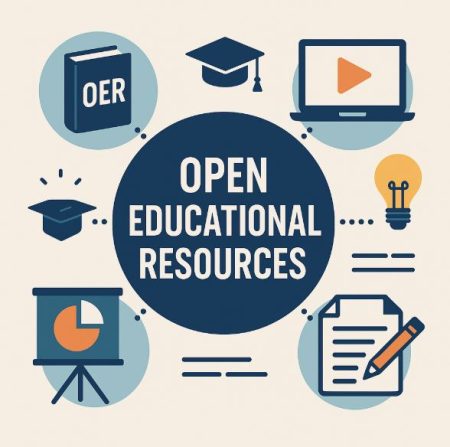
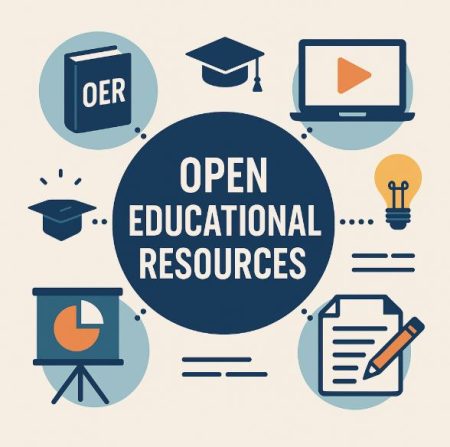
Open Educational Resources (OER) refer to teaching, learning, and research materials that are freely available for anyone to use, modify, and distribute. These resources can include textbooks, lecture notes, videos, software, and any other educational tools that are licensed under open licenses, such as Creative Commons. A prime example is MIT OpenCourseWare, which provides free access to course materials from the Massachusetts Institute of Technology. The adoption of OER has gained significant traction worldwide as it promotes the democratization of education by making quality content accessible to all, regardless of geographical or economic constraints. OER Affect the Quality of Education
The integration of OER into education has shown promising potential to improve the quality of education. By offering high-quality, up-to-date materials without the financial burden of expensive textbooks, OER can significantly reduce barriers to learning, especially for students from underprivileged backgrounds. For instance, the OpenStax initiative offers peer-reviewed, openly licensed textbooks that are free to download and use, covering subjects from physics to economics. These resources provide students with affordable access to high-quality content, helping to address the rising costs of traditional textbooks. In addition, the open nature of these resources encourages collaborative learning and innovation among educators, students, and institutions. Teachers are empowered to adapt and customize materials to suit the specific needs of their students, improving the relevance and effectiveness of the learning experience.
Furthermore, OER has the potential to foster a more equitable and inclusive educational environment. By providing access to the same high-quality resources, it ensures that students in diverse settings, whether in urban or rural areas, can benefit from the same educational opportunities. For example, the OER Africa initiative works to provide educational materials to African countries where access to traditional resources may be limited. However, challenges remain in terms of awareness, institutional support, and ensuring the sustainability of OER initiatives. Despite these obstacles, OER continues to be a transformative force in reshaping education for the better.
How Does the Use of Open Educational Resources (OER) Affect the Quality of Education?
The use of Open Educational Resources (OER) has a transformative impact on the quality of education by making learning materials more accessible, affordable, and adaptable. One of the most significant advantages of OER is that it addresses the high cost of traditional textbooks, which can be a barrier for many students, particularly those from low-income backgrounds. OER materials, such as textbooks, videos, and interactive tools, are freely available, reducing financial barriers and allowing students from diverse socio-economic backgrounds to access the same high-quality content. For instance, platforms like OpenStax provide free textbooks on subjects ranging from mathematics to science, making it easier for students to learn without the financial burden of purchasing expensive materials.
Moreover, OER offers greater flexibility in the way educational content is used. Unlike traditional textbooks, which are often fixed and may become outdated, OER materials can be modified, updated, and customized to fit the specific needs of teachers and students. Educators can tailor the resources to align with their curriculum, teaching styles, and the diverse learning needs of their students. This adaptability enhances the relevance of the learning experience and allows for a more personalized education. Additionally, OER encourages a collaborative approach to education, where teachers, students, and institutions can share, remix, and improve resources, fostering a global exchange of knowledge and ideas. Platforms like OER Commons and MERLOT facilitate this collaboration, providing educators with a space to share best practices and innovative teaching methods.
OER also plays a key role in promoting educational equity. In many regions, students may lack access to high-quality learning materials due to geographic or economic barriers. OER eliminates this gap by providing open access to resources that can be used by anyone, anywhere. For example, initiatives like OER Africa focus on providing educational resources to underserved communities, particularly in developing countries, ensuring that students in remote or low-resource areas have access to the same opportunities as those in more privileged regions.
Despite its many benefits, the widespread adoption of OER faces several challenges. There is still a lack of awareness about OER among both educators and students, which may hinder its integration into formal education systems. Additionally, sustaining the creation and maintenance of high-quality OER requires ongoing funding and institutional support. Without these resources, OER initiatives may struggle to remain current and effective. Nevertheless, the potential of OER to improve the quality of education is clear. By making education more affordable, accessible, and adaptable, OER is helping to create a more inclusive and equitable learning environment for students worldwide.
How Does the Use of OER Impact Student Engagement and Learning Outcomes?
The incorporation of Open Educational Resources (OER) into educational settings has been shown to significantly influence student engagement and learning outcomes. OER, which includes free-to-use materials such as textbooks, multimedia resources, and interactive tools, has the potential to transform the way students interact with content and engage in the learning process. With their accessibility, adaptability, and ability to foster a more personalized learning experience, OER has proven to be a powerful tool in enhancing both engagement and academic achievement.
- Increased Accessibility and Active Learning: One of the most notable impacts of OER on student engagement is the increased accessibility of learning materials. Traditionally, students often faced financial barriers to obtaining textbooks or supplementary resources, especially in higher education. OER eliminates this challenge by providing free access to high-quality materials, ensuring that all students—regardless of their socio-economic background—have equal access to the same resources. This accessibility allows students to take charge of their learning in a way that was previously difficult. Without the pressure of textbook costs, students are more likely to engage with course content on a deeper level, exploring additional resources or revisiting materials when necessary.
Furthermore, OER supports active learning by providing interactive and multimedia-rich content. Many OER platforms offer videos, simulations, and interactive exercises that promote a hands-on approach to learning. These types of resources can help students better grasp complex concepts by allowing them to actively participate in the learning process rather than passively absorbing information from traditional textbooks. For example, in a science course, students might use interactive simulations to experiment with variables and observe outcomes, leading to a more engaging and memorable learning experience. - Customization and Personalization of Learning: OER allows educators to customize and personalize learning materials to meet the diverse needs of their students. This adaptability plays a crucial role in enhancing student engagement. Instructors can modify resources to include localized examples, real-world applications, or additional support for students who may be struggling. This tailoring ensures that content is relevant to the students’ cultural, geographical, or academic context, which can lead to better engagement and understanding.
Additionally, the ability for students to personalize their own learning experience also contributes to increased engagement. Since OER materials are often available in multiple formats (e.g., text, video, audio), students can choose the format that best suits their learning style, whether they prefer reading, listening, or watching. This flexibility helps students feel more in control of their learning journey and increases their motivation to engage with the content. - Collaboration and Peer Learning: OER fosters a collaborative learning environment, which has a positive impact on student engagement. Since these resources are openly accessible, students can share materials, discuss ideas, and collaborate on projects both within and outside of the classroom. Many OER platforms allow for the remixing and adaptation of content, enabling students to contribute to the creation of learning materials and share their work with peers. This collaborative aspect not only boosts engagement but also enhances critical thinking and problem-solving skills, as students are often encouraged to work together to explore different perspectives and solutions.
Additionally, peer learning is enhanced by the use of OER, as students can benefit from each other’s insights and resources. When students have access to the same open materials, they are more likely to engage in discussions, share notes, and help each other understand difficult concepts. This creates a more supportive learning environment where students feel encouraged to actively participate and seek help from their peers. - Improved Learning Outcomes: The impact of OER on student learning outcomes has been consistently positive, with research indicating that students who use OER perform just as well—or better—than those using traditional textbooks. OER provides students with the flexibility to revisit content at their own pace, allowing for better retention and understanding of the material. The ability to access content anytime and anywhere also means that students can study in a manner that fits their individual schedules, leading to improved time management and more effective learning.
In addition, the customization of OER materials allows for more targeted learning experiences, addressing the specific needs of individual students. This personalized approach has been shown to improve academic achievement, as students are more likely to grasp complex concepts when learning materials are tailored to their level and pace. For instance, a student struggling with a particular concept can revisit relevant videos or exercises at their own convenience, reinforcing their understanding before moving on to new material. - Cost Savings and Reduced Financial Stress: OER also impacts learning outcomes by reducing the financial burden on students. By eliminating the cost of textbooks, OER allows students to allocate their financial resources to other essential aspects of their education, such as course fees or technology. This reduction in financial stress has been linked to improved academic performance, as students can focus more on their studies rather than worrying about the cost of educational materials. When students are not distracted by financial concerns, they are more likely to be engaged in their coursework and perform better academically.
- Challenges and Considerations: While the benefits of OER are clear, there are challenges that can affect student engagement and learning outcomes. One of the primary concerns is the quality and credibility of some OER materials. Although many OER resources are peer-reviewed and created by reputable institutions, others may lack the same level of rigour or accuracy. It is essential for educators to carefully evaluate OER materials to ensure they meet the necessary academic standards. Additionally, while OER offers flexibility, some students may struggle with the self-directed nature of these resources, requiring additional guidance and support from instructors.
The use of Open Educational Resources has a profound impact on student engagement and learning outcomes. By providing accessible, customizable, and interactive content, OER encourages active participation, collaboration, and personalization of learning. As a result, students are more engaged in their studies and are better equipped to succeed academically. Moreover, the affordability and accessibility of OER reduce financial barriers, allowing students to focus more on their learning rather than the cost of materials. As OER continues to gain traction, its ability to improve both engagement and academic performance presents a compelling case for its widespread adoption in educational institutions around the world.
What Are the Benefits of Allowing Educators to Customize and Adapt OER Materials to Fit Their Teaching Needs?
Allowing educators to customize and adapt Open Educational Resources (OER) provides a multitude of benefits that can significantly enhance the teaching and learning experience. One of the primary advantages is the ability to tailor content to the specific needs of students. Every classroom is unique, with students possessing varying levels of prior knowledge, learning preferences, and cultural backgrounds. By adapting OER materials, educators can modify the content to address these diverse needs, ensuring that it resonates with students and aligns with their interests. This flexibility allows teachers to adjust the complexity of materials to accommodate students’ learning levels, helping to bridge knowledge gaps and foster a more inclusive learning environment.
Customization allows for greater engagement and motivation. When educators adapt OER to fit their teaching style and objectives, it can make the content more relevant and interactive. Teachers can present material in a way that suits their preferred pedagogical approach, whether through multimedia resources such as videos, quizzes, or simulations or through traditional lecture-based formats. This ability to tailor learning experiences not only makes the material more engaging but also fosters a sense of ownership among students, motivating them to actively participate in their learning journey.
The adaptability of OER encourages innovation in teaching. Educators can experiment with different teaching strategies, incorporate new research, or use creative approaches to make learning more dynamic. This freedom to innovate results in more varied and engaging lesson plans, which can significantly increase student interest and improve their understanding of complex concepts. For instance, an instructor might integrate local case studies, interactive exercises, or multimedia elements that make the material more engaging and relatable to students. OER also promotes collaboration and the sharing of ideas. As educators adapt and modify resources, they contribute to a global network of knowledge-sharing, where teachers from different institutions can collaborate, exchange ideas, and build upon each other’s work. This collaborative aspect helps improve the quality of educational resources and provides a space for educators to continuously refine their teaching materials. By sharing customized OER, educators can benefit from the collective knowledge and innovation of a global community, fostering a culture of continuous improvement in education.
Furthermore, the customization of OER materials supports a student-centred approach to learning. Educators can adjust content to reflect students’ specific learning objectives and goals, ensuring that the resources are relevant and aligned with the needs of the class. This personalized approach helps students feel more engaged in their studies, as they can see how the material is directly applicable to their academic and personal interests. Additionally, by offering a variety of formats and resources, OER caters to different learning styles, whether students prefer visual, auditory, or hands-on learning experiences. This multimodal approach helps students engage with the material in the way that best supports their learning.
The flexibility of OER leads to more cost-effective and sustainable teaching practices. Educators can reuse and repurpose materials, keeping content current and relevant without the need for expensive textbooks or continuous purchases of new resources. This sustainability reduces costs for both students and institutions, making education more affordable and accessible. The ongoing adaptation and sharing of OER materials create a sustainable pool of resources that can be used and refined by educators across time and space.
The Role of OER in Personalizing Learning Experiences for Students
Open Educational Resources (OER) have increasingly become a transformative force in education, offering a vast array of freely accessible materials that can be adapted and modified by both educators and students. From textbooks and videos to interactive simulations and software, OER allows for greater flexibility and customization in the learning process. One of the most significant benefits of OER is its potential to personalize learning experiences for students, catering to individual needs, preferences, and learning styles. This adaptability not only enhances engagement but also improves academic outcomes by ensuring that all learners have access to materials that best support their educational journey.
- Flexibility in Learning Materials: The core advantage of OER lies in its flexibility, which directly contributes to the personalization of learning experiences. Traditional educational resources, such as textbooks, are often rigid and fixed, limiting the ways in which they can be tailored to fit the needs of diverse learners. OER, on the other hand, can be modified and adapted to suit the specific needs of a classroom or even an individual student. Educators can customize content to better reflect the cultural, geographical, or academic context of their students, ensuring that the material is both relevant and engaging. For instance, a history teacher might adapt a general textbook by including local historical events, making the learning experience more relatable to the students. Similarly, the complexity of the content can be adjusted to meet the diverse learning levels in a classroom, ensuring that all students are appropriately challenged without feeling overwhelmed or disengaged.
This level of customization fosters a more inclusive and personalized learning environment, as students are more likely to engage with content that resonates with their own experiences and understanding. - Self-Paced Learning: Another powerful way OER contributes to personalized learning is by allowing students to learn at their own pace. Traditional educational materials often follow a fixed schedule, with lessons progressing at the same rate for all students. This one-size-fits-all approach can be frustrating for learners who may need more time to grasp certain concepts or for those who are ready to move ahead more quickly. OER eliminates this constraint by enabling students to revisit materials, replay videos, or access additional resources whenever necessary.
This self-paced learning model not only accommodates students who may need extra time to understand complex concepts but also allows more advanced learners to move ahead and explore additional topics at their own speed. For example, a student struggling with a particular math concept can review a related video tutorial or attempt extra exercises until they feel confident, while a student excelling in the subject can access higher-level resources to further their learning. This flexibility empowers students to take ownership of their educational experience, boosting their confidence and motivation. - Catering to Diverse Learning Styles: OER also plays a crucial role in supporting diverse learning styles, which is essential for personalizing learning. Each student processes and absorbs information in different ways, and OER materials can be presented in a variety of formats to accommodate these differences. Visual learners can benefit from infographics, diagrams, and video tutorials, while auditory learners can engage with podcasts, lectures, and recorded discussions. Kinesthetic learners, who learn best through hands-on experiences, can take advantage of interactive simulations, exercises, and real-world applications of theory.
By offering a range of learning formats, OER ensures that students can choose the resources that align with their preferred learning methods, enhancing both their engagement and comprehension. This multimodal approach not only increases accessibility for students with varying preferences but also improves retention, as students are more likely to retain information when it is presented in a way that suits their individual learning styles. - Access to Supplementary Resources: One of the key features of OER is the ability to access a wide range of supplementary resources that enhance the learning experience. While traditional textbooks often provide a single explanation or approach to a topic, OER offers students the opportunity to explore multiple perspectives and alternative explanations. For instance, a student struggling to understand a scientific concept might explore a variety of videos, online discussions, and interactive modules that approach the concept from different angles, helping them to find an explanation that resonates with their understanding.
This access to supplementary resources encourages students to take a more active role in their learning. It promotes self-directed learning, as students can seek out additional materials to deepen their knowledge or clarify concepts they find difficult. This autonomy in learning not only helps students develop critical thinking and problem-solving skills but also fosters a sense of ownership and responsibility for their educational journey. - Empowering Students and Educators: OER gives both educators and students the power to shape their own learning experiences. Teachers can adapt resources to meet the specific needs of their class, ensuring that every student has access to content that is both engaging and appropriate for their level of understanding. Additionally, educators can use OER to design courses that are more interactive and engaging, integrating a variety of multimedia resources to create dynamic lessons that encourage student participation and critical thinking.
Students, on the other hand, are empowered by the freedom to explore different learning materials and choose the resources that best support their learning needs. This level of control over the learning process allows students to move beyond a rigid curriculum and engage with content that excites them, which can lead to a deeper and more meaningful learning experience. - Improving Student Outcomes: The personalization of learning through OER has been shown to improve student outcomes. When students have access to materials that suit their learning pace, preferences, and needs, they are more likely to engage with the content and perform better academically. The flexibility and variety offered by OER increase student motivation, as they can actively shape their learning experience. The ability to revisit materials, explore additional resources, and tailor learning to their individual needs helps students build a stronger understanding of the subject matter, ultimately leading to improved academic performance. Moreover, the affordability of OER removes the financial barriers associated with traditional textbooks, enabling more students to access high-quality learning materials. This equitable access to educational resources further contributes to improved learning outcomes, particularly for students from underserved or low-income backgrounds.
The availability of Open Educational Resources has a profound impact on the personalization of learning experiences for students. By offering flexibility, supporting diverse learning styles, enabling self-paced learning, and providing access to supplementary resources, OER allows students to engage with content in ways that suit their individual needs and preferences. This personalized approach not only enhances student engagement but also improves academic outcomes by ensuring that all learners can access the materials that best support their learning journey. As OER continues to grow in popularity and availability, its role in fostering more personalized, accessible, and effective learning experiences will continue to shape the future of education.
The Role of O OER in Promoting Collaboration Among Educators Globally
Open Educational Resources (OER) play a significant role in fostering collaboration among educators on a global scale, offering open and freely accessible teaching, learning, and research materials. The most notable benefit of OER is that it removes geographical and financial barriers, allowing educators from various parts of the world to access, adapt, and share high-quality content. Traditionally, educators in many regions faced challenges in obtaining quality resources due to the high costs or limited availability of textbooks and other materials. OER addresses these issues by offering free resources that can be modified and redistributed. This global access to materials empowers teachers from different regions to contribute to and benefit from a shared pool of educational content, fostering an environment of collaboration. For example, a teacher in the United States can adapt and share their lesson plans with an educator in Kenya, who can modify them to better suit their local context.
OER encourages cross-cultural exchange among educators by allowing them to tailor content to reflect local cultural contexts, knowledge, and experiences. By adapting OER materials, educators can make their lessons more relevant and inclusive, ensuring that they resonate with students’ backgrounds and perspectives. The ability to modify materials means that educators can incorporate regional examples, case studies, and culturally specific content, making education more engaging and relatable. Platforms like OER Commons and MERLOT facilitate this global exchange by allowing educators to share their adaptations, learn from each other, and discuss best practices. This cross-cultural collaboration not only broadens teachers’ understanding of diverse educational approaches but also enriches the content, leading to more inclusive learning experiences for students.
Another key aspect of OER’s role in fostering collaboration is the peer-review process that is inherent in its open nature. Educators can contribute to the improvement of resources by offering feedback, making modifications, or creating new versions of materials. As educators engage in this process, they refine and improve the quality of the resources, benefiting the entire global educational community. For example, a science teacher in Brazil might adapt an OER biology textbook to include information about local biodiversity. Other educators worldwide can review and further refine this adaptation, ensuring that the content remains scientifically accurate and relevant. This continuous improvement process helps maintain the high quality of OER materials and creates a collaborative environment where educators build on each other’s work.
OER creates opportunities for professional development and networking. Educators can connect with colleagues globally through online platforms, attend webinars, and collaborate on projects, allowing them to share knowledge, experiences, and teaching strategies. This global network enhances teachers’ skills and promotes the exchange of innovative ideas that can be applied in classrooms around the world. The collaborative nature of OER enables educators to stay current with educational trends, adopt new methodologies, and incorporate best practices into their teaching. It also facilitates professional growth by offering opportunities for collaboration on research and development projects focused on improving educational outcomes. Furthermore, OER has the potential to support collaborative research, where educators and researchers from different institutions work together to share findings, develop new teaching strategies, and produce resources that can benefit educators worldwide. By offering research materials and data sets that are open and freely available, OER allows for collaborative studies that contribute to the development of evidence-based teaching practices. As more educators work together through OER platforms, they create a stronger global research community focused on improving education.