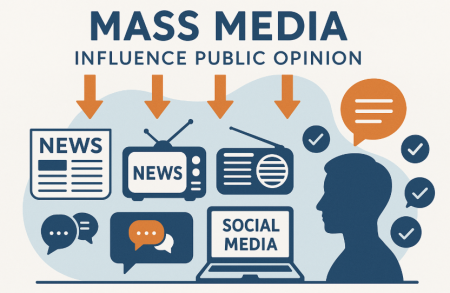
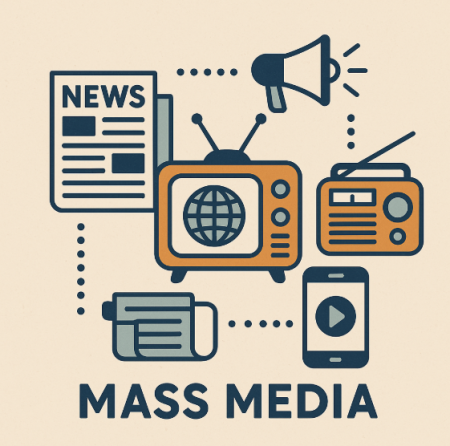
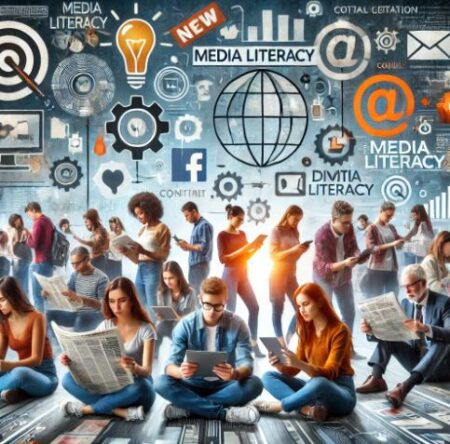
Print media and electronic media are two major forms of mass communication that play a vital role in informing, educating, and influencing society. Print media refers to traditional, tangible sources of information, such as newspapers (e.g., The Daily Star or The Guardian), magazines (e.g., Time or National Geographic), books, academic journals, and brochures, where information is presented in a printed format and read in a physical format. It has a long-established history and is often valued for in-depth reporting, strong editorial review, and long-term reference use, particularly in education and research. In contrast, electronic media relies on electronic devices and digital technologies to deliver information, including television news channels, radio broadcasts, news websites, social media platforms, and mobile applications. For example, live news updates on television, online news portals, podcasts, and social media platforms allow audiences to receive information instantly. Electronic media enables real-time communication, global accessibility, and the delivery of multimedia content, including videos, audio, animations, and interactive features. While print media is preferred for detailed analysis and archival purposes, electronic media is widely used for breaking news, live coverage, and the rapid sharing of information. Together, print and electronic media complement each other and continue to play a crucial role in shaping public awareness and disseminating information in the digital age.
Difference between Print Media and Electronic Media
Print media and electronic media are two major channels of mass communication that shape how people access and interpret information. Although both serve similar purposes, informing, educating, and influencing audiences, their characteristics differ significantly. The following points highlight the key distinctions between the two:
| Aspect | Print Media | Electronic Media |
|---|---|---|
| Format and Presentation | Information is presented in a physical form, such as newspapers, magazines, books, journals, leaflets, and brochures. | Content is delivered through digital or electronic platforms, including television, radio, websites, online news portals, podcasts, and social media. |
| Speed of Information Delivery | Slower; requires writing, editing, printing, and physical distribution. | Extremely fast; offers instant updates, live broadcasts, and real-time notifications. |
| Accessibility and Convenience | Requires physical copies; accessibility may be limited by location, availability, or distribution. | Easily accessible through devices like smartphones, computers, or TVs; available anytime, anywhere with internet or broadcast signals. |
| Audience Reach | Typically has a limited or local reach, depending on physical distribution. | Has a global reach, allowing information to spread across countries within seconds. |
| Interactivity | One-way communication; no direct or immediate feedback from the audience. | Two-way communication; audiences can comment, share, react, and interact through polls, chats, emails, or social media. |
| Cost of Production | Higher production costs due to paper, ink, printing machinery, and distribution expenses. | More cost-effective; once created, digital content can be shared widely with minimal additional cost. |
| Storage and Preservation | Requires physical storage; prone to damage, aging, or loss. | Easy to store digitally; large volumes can be archived electronically and retrieved quickly. |
| Credibility and Authenticity | Perceived as more credible due to strict editorial processes and fact-checking. | Credibility varies; while reputable sources exist, misinformation spreads quickly on digital platforms. |
| Environmental Impact | Contributes to environmental concerns such as deforestation, paper waste, and printing emissions. | Reduces paper use but depends on electricity and electronic devices, which also have environmental impacts. |
| Use in Education and Research | Preferred for in-depth reading, academic study, and long-term reference, such as textbooks and scholarly journals. | Favored for quick updates, multimedia learning, interactive content, and online classes. |
While print media is valued for its credibility, depth, and permanence, electronic media stands out for its speed, interactivity, and global accessibility. Both forms of media continue to coexist and complement each other, serving different purposes in modern communication.