ICT and Information
The Role of Digital Asset Management Systems in Library
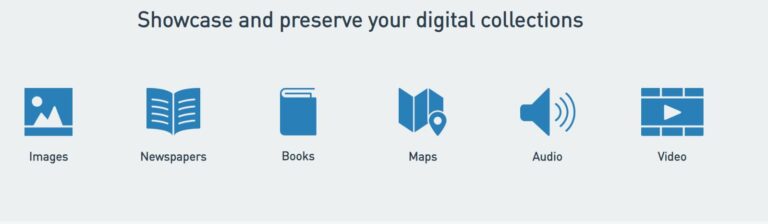
Digital Asset Management (DAM) systems have become integral components of modern library operations, serving as essential tools for organizing, preserving, and…
THE READING ROOM
Digital Asset Management (DAM) systems have become integral components of modern library operations, serving as essential tools for organizing, preserving, and…
In the ever-evolving information technology landscape, libraries have transformed from quiet repositories of dusty tomes to vibrant centers of digital connectivity…
Digital Rights Management (DRM) stands as a pivotal mechanism to safeguard the intellectual property rights of content creators and distributors in…
Information Management (IM) and Data Management (DM) are crucial pillars shaping the landscape of information technology. Often used interchangeably, these terms…
Information Management is the linchpin of modern organizational success, navigating the intricate data landscape to facilitate efficient decision-making and strategic planning.…
Introduction: The ethical use of information has become a critical consideration in our interconnected world. The responsible handling, dissemination, and application…
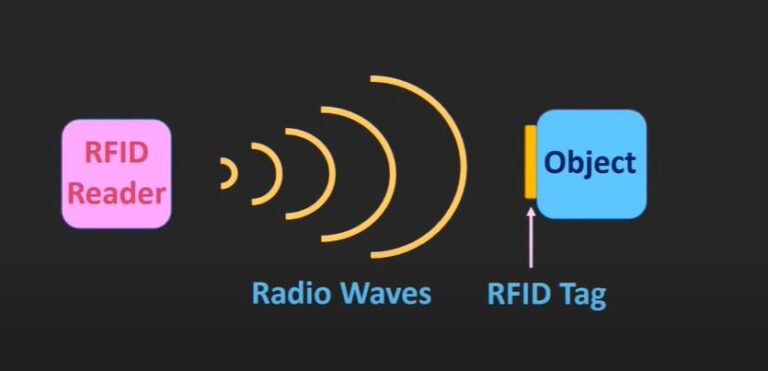
Introduction: RFID-based Library Systems represent a technological evolution in library management and organization, revolutionizing traditional book-tracking methods and patron services. Radio-frequency…
The Information Society and the Knowledge Society represent two interconnected phases in the evolution of human civilization, each characterized by transformative…
Introduction: In the 21st century, we are immersed in a transformative era known as the Information Society, a stage in human history…
RFID technology has significantly transformed library operations, revolutionizing traditional processes and enhancing overall efficiency. The impact of RFID in libraries is…