
Documentary sources of information are materials that provide data, facts, analysis, and evidence on various subjects, serving as crucial tools for research and knowledge gathering. These…
Documentary sources of information are materials that provide data, facts, analysis, and evidence on various subjects, serving as crucial tools for research and knowledge gathering. These…
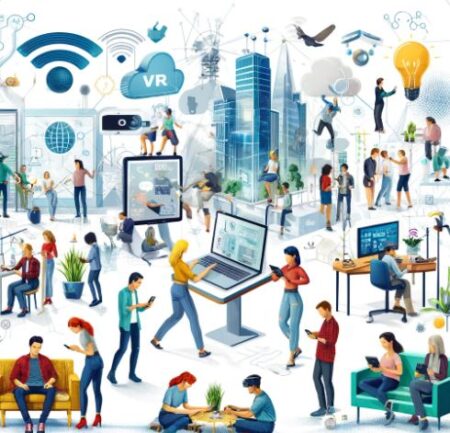
Information and Communication Technology (ICT) refers to an extensive range of technologies that facilitate data storage, retrieval, manipulation, transmission, and reception in various forms, including audio,…
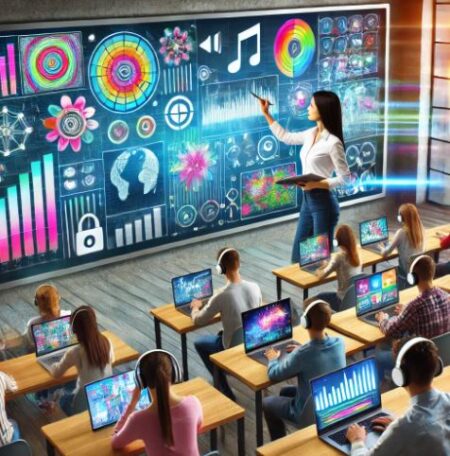
Have you ever wondered why lessons with videos, images, or sounds often stick with you longer? That’s the power of audio-visual aids in education. These tools…
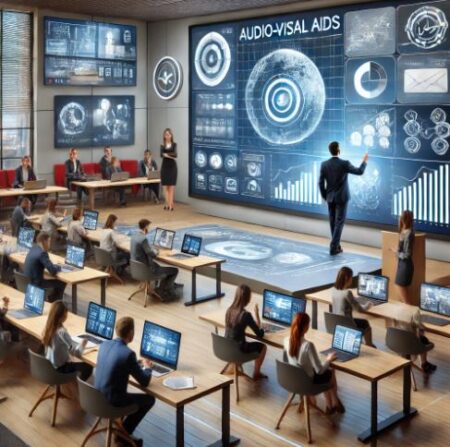
In today’s fast-paced, technology-driven world, audio-visual (AV) aids have become essential tools in both education and communication. These aids, combining visual and auditory elements, transform traditional…
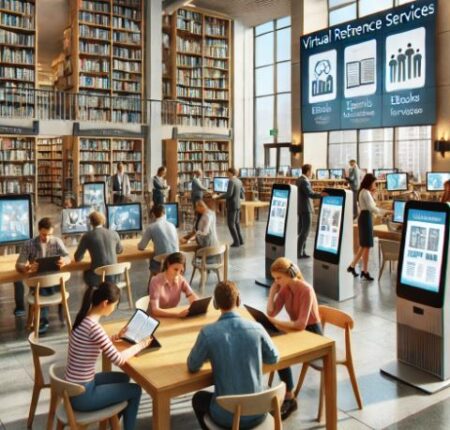
The advent of the internet has significantly transformed how libraries serve their patrons, revolutionizing access to information and reshaping library services to meet the needs of…
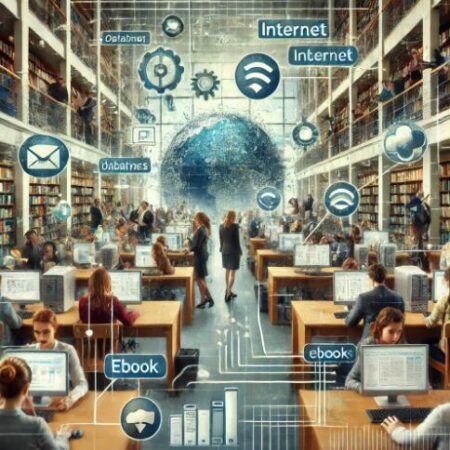
In the early 1990s, a librarian at a small town library would spend hours each day sifting through card catalogues and walking the aisles to assist…

The Internet of Things (IoT) in libraries represents a transformative approach to enhancing library services and operations through interconnected devices and smart technology. IoT enables libraries…
The Internet of Things (IoT) has revolutionized business operations and the broader economy, creating a transformative impact that continues to grow exponentially. IoT refers to the…
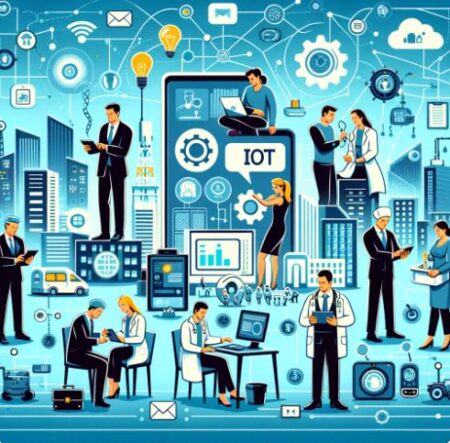
The Internet of Things (IoT) refers to the network of physical objects embedded with sensors, software, and other technologies to connect and exchange data with other…
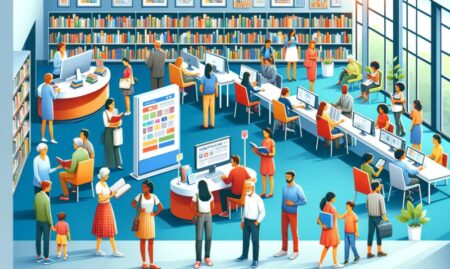
The right of Access to Information in libraries is a fundamental principle that ensures individuals have the ability to seek, receive, and impart information freely. This…