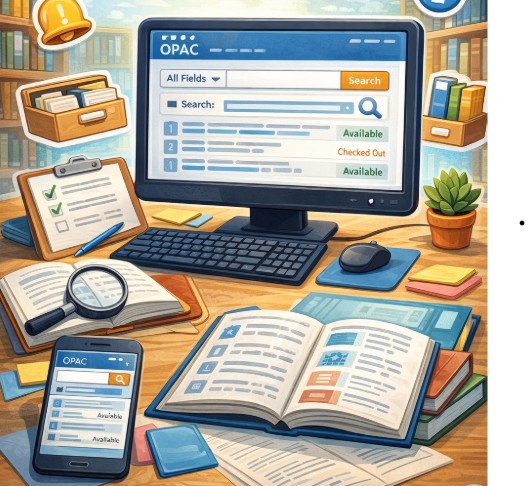
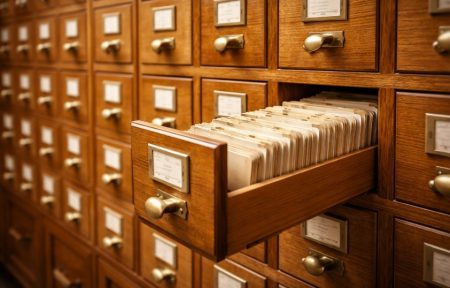
In the not-so-distant past, the heartbeat of libraries echoed through the shuffling of index cards housed in wooden drawers- the traditional card catalogue. A tangible repository of literary treasures, it stood as the guardian of knowledge, guiding curious minds through the labyrinth of library collections. Fast forward to the digital age, and the landscape has undergone a seismic shift with the emergence of Online Public Access Catalogs (OPACs). This transformation has redefined how users interact with library systems and fundamentally altered the accessibility and functionality of information retrieval.
How does OPAC differ from traditional card catalogues regarding accessibility and functionality?
Libraries have long served as bastions of knowledge, and over the years, the tools used to navigate their vast collections have evolved significantly. One of the most transformative changes has been the shift from traditional card catalogs to Online Public Access Catalogs (OPACs).
OPAC (Online Public Access Catalog) and traditional card catalogs are both tools used in libraries to help users locate and access materials. However, they differ significantly in terms of accessibility and functionality. Here are some key differences:
1. Accessibility:
- Traditional Card Catalog:
- Physical Presence: Users must be physically present in the library to access the card catalog. This limitation can be inconvenient for those searching for materials remotely or off-site.
- Location Dependency: Users can only access the catalog during the library’s operating hours, and if the library is closed, they have no access to the catalog.
- OPAC:
- Remote Access: One of the significant advantages of OPAC is that it can be accessed remotely through the Internet. Users can search for materials from anywhere, at any time, making it more convenient and accessible.
- 24/7 Availability: OPACs are available 24/7, allowing users to conduct searches and access information conveniently.
2. Search Capability:
- Traditional Card Catalog:
- Single-Criteria Searches: Users typically search for materials using a single criterion at a time, such as author, title, or subject. This can be time-consuming and less efficient.
- OPAC:
- Advanced Search: OPACs provide advanced search capabilities, allowing users to search using multiple criteria simultaneously. Users can perform complex searches using Boolean operators, refining their search results more effectively.
3. Information Presentation:
- Traditional Card Catalog:
- Limited Information: The information on the catalogue cards is limited to basic details like author, title, and call number. Additional details about the item may not be available.
- OPAC:
- Detailed Information: OPACs offer more comprehensive information about each item, including availability status, location in the library, publication details, summaries, reviews, and sometimes links to related resources. This helps users make more informed decisions about the materials they seek.
4. Update and Maintenance:
- Traditional Card Catalog:
- Manual Updates: Any changes, additions, or deletions require manual updates to each catalog card. This process can be time-consuming and prone to errors.
- OPAC:
- Centralized Updates: Updates to the catalog can be done centrally, ensuring that changes are reflected immediately for all users. This centralized approach makes it easier to keep the catalog current and accurate.
5. Multimedia Integration:
- Traditional Card Catalog:
- Primarily Text-Based: Traditional catalogs are primarily designed for text-based materials, making it challenging to include multimedia resources.
- OPAC:
- Multimedia Support: OPACs are designed to handle various materials, including books, e-books, journals, audiovisual materials, and more. This adaptability makes them suitable for modern multimedia library collections.
6. User-Friendly Interface:
- Traditional Card Catalog:
- Less Intuitive: The organization and classification systems used in traditional catalogs may be less intuitive for users unfamiliar with library classifications.
- OPAC:
- User-Friendly Design: OPACs are typically designed with a user-friendly interface, featuring search filters, relevance ranking, and other features that enhance usability. This makes it easier for users to navigate and find the information they need.
7. Speed and Efficiency:
- Traditional Card Catalog:
- Manual Search: Users have to physically flip through cards, which can be time-consuming, especially in large libraries with extensive collections.
- Limited Sorting: Sorting and organizing cards in a traditional catalog may only be possible based on one or two criteria, limiting the speed of information retrieval.
- OPAC:
- Quick Search: OPACs enable users to conduct searches rapidly, providing almost instant results. This speed enhances the efficiency of the information retrieval process.
- Dynamic Sorting: OPACs allow users to sort search results dynamically based on various criteria such as relevance, title, or publication date, providing a more flexible and efficient search experience.
8. Integration with Other Systems:
- Traditional Card Catalog:
- Isolated System: Traditional catalogs may operate as standalone systems, challenging integration with other library services or digital resources.
- OPAC:
- Integration Capability: OPACs can be integrated with other library management systems, digital repositories, and databases. This integration enhances the overall functionality and accessibility of the library’s resources.
9. User Personalization:
- Traditional Card Catalog:
- Limited Personalization: Users have a standardized experience with little ability to personalize or customize their searches based on individual preferences.
- OPAC:
- Personalized Features: OPACs often include features for user accounts, allowing individuals to customize their experience. Users may be able to save searches, create reading lists, or receive recommendations based on their borrowing history.
10. Accessibility for Differently-Abled Users:
- Traditional Card Catalog:
- Physical Limitations: Users with physical disabilities may face challenges accessing traditional card catalogs, especially if the catalog is organized in a way that is not conducive to their needs.
- OPAC:
- Accessibility Features: OPACs can incorporate features like screen readers, adjustable font sizes, and alternative navigation options. This ensures a more inclusive experience for users with different abilities.
11. Real-Time Availability Information:
- Traditional Card Catalog:
- Limited Availability Information: Traditional catalogs may not provide real-time information about the availability of materials, leading to potential frustration for users seeking specific items.
- OPAC:
- Real-Time Updates: OPACs offer real-time information about the availability of materials, including whether an item is checked out, its due date, and any holds placed on it. This real-time data helps users decide which items to request or borrow.
12. Global Accessibility:
- Traditional Card Catalog:
- Local Access: Limited to users physically present in the library, making it difficult for those outside the local area to access the catalog.
- OPAC:
- Global Access: OPACs provide a global reach, allowing users from anywhere worldwide to access the library’s catalog and resources, fostering a more extensive and diverse user community.
In conclusion, transitioning from traditional card catalogs to OPACs represents a significant advancement in speed, efficiency, integration capabilities, user personalization, accessibility for differently-abled users, real-time information, and global accessibility. These improvements contribute to a more modern and user-centric library experience.