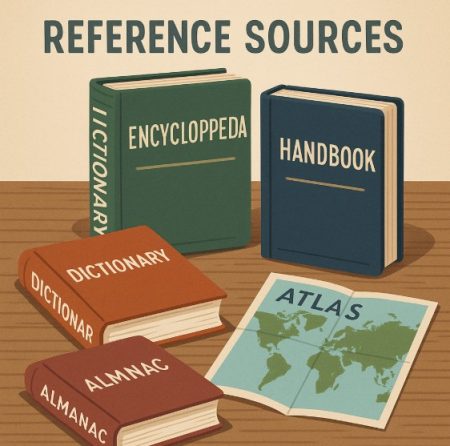
Illustrative materials in books are visual elements that accompany and enhance the written content, providing readers with visual representations of concepts, scenes, or data. These materials include illustrations, photographs, diagrams, maps, tables, and graphs. Illustrative materials serve multiple purposes, from enhancing comprehension and facilitating learning to adding aesthetic appeal to the book. They can be found in various genres, including fiction, non-fiction, textbooks, and reference books. Carefully selecting and integrating illustrative materials in books aims to enrich the reading experience, engage readers visually, and provide additional layers of information and meaning.
What is Illustration?
Illustration is a visual art form that uses drawings, paintings, or digital techniques to depict and communicate ideas, narratives, or concepts. It is a creative process where an artist, known as an illustrator, creates visual representations that accompany and enhance written content. Illustrations can be found in various forms, including books, magazines, advertisements, websites, and other media. They play a significant role in conveying messages, evoking emotions, and enhancing the overall visual appeal of a piece of work. Illustrations can be realistic, stylized, abstract, or symbolic, depending on the intended purpose and artistic style. They often bring stories, characters, and ideas to life, capturing viewers’ imagination and adding visual interest to information communication.
Different Types of Illustrative Materials Commonly Used in Books
Illustrative materials play an essential role in enhancing the effectiveness of a book, whether it’s for educational, instructional, or recreational purposes. These materials serve to reinforce the written content, clarify complex concepts, and engage the reader. The types of illustrative materials commonly used in books can be broadly categorized into several forms, each serving a unique function to support the text. Below is an exploration of these types, highlighting their roles and applications in various genres of books.
- Images and Photographs: One of the most prevalent forms of illustrative material, images and photographs bring content to life in a visually engaging way. Photographs, in particular, offer a tangible connection to reality, helping readers visualize people, places, and events. In nonfiction books, especially those focused on history, nature, or science, photographs provide real-world examples that reinforce the textual information.
Example: A travel book might feature photographs of landscapes, monuments, or local traditions, offering readers a visual preview of the places they are reading about. Similarly, in biology textbooks, photographs of plants, animals, and microscopic organisms help readers grasp complex biological concepts. - Diagrams and Charts: Diagrams and charts are commonly found in educational, technical, and scientific books. These types of illustrations break down complex information into digestible visuals, allowing readers to quickly understand processes, structures, or relationships. Diagrams might show anatomical structures, chemical reactions, or historical processes, while charts can represent statistical data, timelines, or comparisons.
Example: A physics textbook might use a diagram to illustrate the mechanics of a lever, while a chart in an economics book might compare the economic performance of different countries over a set period. - Graphs and Tables: Graphs and tables are essential in books that contain numerical data or statistical analysis. Graphs visually represent data points and trends, making it easier for readers to grasp relationships or patterns within the data. Tables, on the other hand, organize large sets of information into a clear, structured format, providing a quick reference for key facts or figures.
Example: In a social science textbook, a graph might depict trends in population growth, while a table might list data points like average income levels across various countries or demographic groups. - Maps and Infographics: Maps are indispensable in books related to history, geography, travel, and politics. They provide spatial context and help readers visualize geographic locations, borders, and the movement of people or ideas. Infographics combine data, text, and graphics into a cohesive visual representation of complex information, often making it more engaging and easier to understand.
Example: A history book might include maps showing the territorial expansion of empires, while an infographic in a health book might explain the relationship between lifestyle choices and health outcomes, using visual elements like pie charts, arrows, and icons. - Flowcharts and Concept Maps: Flowcharts and concept maps are powerful tools for illustrating the relationships between ideas, processes, or concepts. These types of visuals are particularly useful in instructional and educational materials, as they provide a clear, visual representation of how different components are connected. Flowcharts are especially helpful for explaining step-by-step procedures or decision-making processes, while concept maps show how ideas are interlinked.
Example: A business strategy book might include a flowchart to depict the process of launching a new product, or a philosophy book might use a concept map to show the connections between various schools of thought. - Illustrations and Drawings: In genres like children’s literature, fiction, and art books, illustrations and drawings are used not just as decorative elements but as integral parts of the storytelling process. These visuals help set the tone, develop characters, and enhance the plot. In children’s books, illustrations play a significant role in the narrative, often taking the place of text in telling the story or providing cues to the plot.
Example: In a children’s picture book, illustrations might depict characters engaging in various adventures, while in an art history book, sketches of famous artworks or architectural structures provide a closer look at artistic techniques and designs. - Timelines: Timelines are commonly used in history and biography books, organizing events in a chronological order to provide context and perspective. They allow readers to see the progression of events, helping to place historical moments or personal achievements within a broader framework.
Example: A history book might feature a timeline outlining the major events of World War II, while a biography might include a timeline detailing the key milestones of the subject’s life and career. - Text Boxes and Sidebars: Text boxes and sidebars provide additional context or supplementary information without interrupting the flow of the main narrative. These visuals often highlight key facts, interesting anecdotes, or detailed explanations of terms or concepts introduced in the primary text. They offer readers the chance to explore a topic further without disrupting the overall reading experience.
Example: In an educational textbook, a sidebar might explain a difficult concept in simpler terms, while a text box might contain additional examples or related information that enhances the reader’s understanding. - Interactive and Multimedia Elements (Digital Books): With the rise of digital books, interactive illustrations have become an innovative tool to engage readers. These interactive elements include animations, videos, clickable diagrams, and interactive quizzes, which allow readers to explore topics in greater depth. These multimedia components offer a more immersive and engaging experience, particularly in textbooks and instructional materials.
Example: An e-book on anatomy might include interactive 3D models of human organs, allowing readers to click and rotate the model to view different angles. Similarly, a language learning app might feature audio clips and interactive quizzes to help reinforce vocabulary and grammar concepts.
Illustrative materials are essential to the success of a wide range of books, offering more than just visual appeal. They serve to clarify complex ideas, organize information, and enhance the overall reading experience. Whether through photographs, diagrams, maps, or interactive elements, these materials contribute to making books more engaging, informative, and accessible to readers of all ages and backgrounds. By combining text with visuals, authors and publishers can create a richer, more immersive experience that helps readers connect with and retain the material more effectively.
How Illustrations Enhance the Learning Experience in Educational Books
Illustrations play a crucial role in enhancing the learning experience in educational books by making the content more engaging, accessible, and memorable. While text forms the foundation of most educational resources, illustrations, such as diagrams, photographs, charts, and maps, serve to clarify complex concepts, cater to various learning styles, and provide visual breaks from dense text. In many subjects, particularly in sciences, mathematics, and technical fields, abstract ideas can be challenging to understand through text alone. Illustrations provide a visual representation that makes these concepts more tangible. For instance, biology textbooks often use illustrations of the human circulatory system to help students grasp how blood circulates through the body, which might be hard to comprehend through words alone. Additionally, illustrations cater to visual learners who absorb information better when it is presented in a visual format. For example, an illustrated timeline of historical events in a history book can help visual learners better understand the sequence of key events compared to a block of text.
Illustrations also simplify complex data, especially in subjects like economics and statistics, where large datasets are presented. Graphs, pie charts, and bar graphs turn data into visual formats that are easier to interpret and compare. For instance, an economics textbook might include a bar graph comparing GDP growth across various countries, making it easier for students to observe trends. Furthermore, illustrations help enhance memory retention, a phenomenon known as the “picture superiority effect,” where visual information is more likely to be remembered than text alone. Educational books that include illustrations help reinforce the material, making it easier for students to recall key concepts. In addition to aiding comprehension, illustrations provide context and real-world connections. For example, photographs of endangered species or climate change effects in environmental science textbooks help students see the relevance of what they are learning.
Moreover, illustrations contribute to a more engaging and motivating learning experience. They add variety to the content, breaking up long sections of text and maintaining the reader’s interest. In technical fields, detailed illustrations of machines, structures, or designs can keep students engaged, providing both visual interest and clarity. Illustrations are also beneficial in step-by-step learning, such as in subjects like math, art, or computer programming. Visual guides, such as instructional flowcharts or diagrams, help students follow each step of a process more easily. In language learning textbooks, pictures illustrating everyday scenarios help non-native speakers connect words with their meanings, breaking down language barriers and providing a universal understanding.
Finally, interactive illustrations have become increasingly important in educational books in the digital age. Interactive elements like clickable diagrams, 3D models, and virtual labs allow students to engage with the content actively. For example, in an anatomy e-textbook, 3D renderings of the human body can be rotated and explored, providing an immersive learning experience. Overall, illustrations are much more than just decorative elements; they are vital tools that improve clarity, understanding, engagement, and retention. By making abstract concepts more tangible and accessible, they enhance the learning process, making it more dynamic, inclusive, and effective.