What Is Meant by Serials in Library and Information Science?
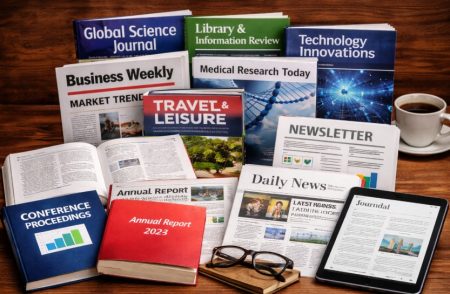
In library and information science, serials refer to publications that are issued in successive parts, usually at regular intervals, and are intended to continue indefinitely. Unlike books or monographs, which are complete in a single volume or a fixed number of volumes, serials have no predetermined end. Common examples of serials include scholarly journals (such as Nature or The Journal of Library and Information Science), magazines (for example, Time or National Geographic), newspapers (such as The Daily Star or The New York Times), annual reports, newsletters, conference proceedings, and statistical bulletins. Each issue of a serial is usually identified by a volume number, issue number, and date, which helps libraries organize and track them systematically.
Serials are especially important because they provide current and timely information. For instance, a medical researcher may rely on the latest issues of journals like The Lancet to learn about new treatments, while a business student may consult current economic reports published as monthly or quarterly serials. In contrast to books, which may take years to publish, serials enable the rapid dissemination of new knowledge, research findings, and professional updates. This makes them a vital resource in academic and research libraries, where up-to-date information is essential for teaching, learning, and scholarly work.
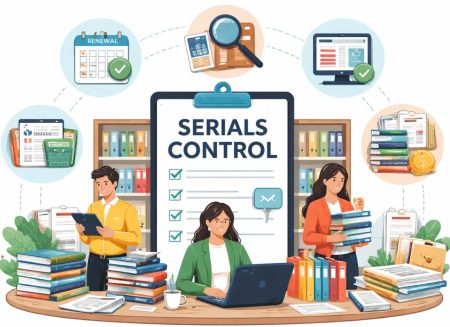
From a library management perspective, serials require specialized handling and continuous control. For example, a library subscribing to a printed journal must regularly check in each issue, claim missing numbers from the publisher, and bind completed volumes for long-term use. In the case of electronic serials, such as online journals accessed through library databases, librarians must manage subscription renewals, license agreements, and user access through authentication systems. If a university library subscribes to an online journal package, it must ensure that students and faculty can access current and past issues without interruption. Therefore, in library and information science, serials are understood not only as ongoing publications but also as dynamic information resources that require careful and systematic management to ensure their effective use.
What Are the Main Characteristics of Serial Publications?
Serial publications are an important category of library resources in library and information science. They differ from books and other one-time publications because they are issued continuously over time. Understanding the main characteristics of serials helps librarians, researchers, and students manage, organize, and use these resources effectively. The key characteristics of serial publications are discussed below.
- Issued in Successive Parts: One of the primary characteristics of serial publications is that they are issued in successive parts or issues. Each part is released separately, such as weekly, monthly, quarterly, or annually. For example, a monthly academic journal publishes new issues every month, each containing articles relevant to a particular discipline. These individual issues together form a continuing publication.
- Intended to Continue Indefinitely: Serials are designed to continue without a predetermined end. Unlike books, which are completed once published, serials are ongoing in nature. For instance, a daily newspaper is published every day with no fixed termination date. This open-ended continuity is a defining feature of serial publications.
- Regular or Irregular Frequency: Most serials are published at regular intervals, such as weekly magazines or quarterly journals. However, some serials may follow an irregular publishing schedule, depending on the availability of content or organizational decisions. Annual reports, for example, are published once a year, while certain newsletters may be released only when there is relevant information to share.
- Identified by Volume, Issue, and Date: Serial publications are usually identified by volume numbers, issue numbers, and publication dates. This system helps libraries and users locate and cite specific issues accurately. For example, a journal article may be cited as appearing in Volume 15, Issue 2, published in 2023. This numbering system is essential for proper organization and retrieval.
- Contains Current and Up-to-Date Information: Serials are a major source of current information. Because they are published frequently, they provide timely updates on research findings, news, and developments in various fields. For example, scientific journals publish recent research results, while newspapers report daily events. This makes serials especially valuable for researchers and professionals who need the latest information.
- Subject to Title and Publishing Changes: Another important characteristic of serial publications is that their titles, publishers, or formats may change over time. A journal may change its name to reflect a broader scope, or it may shift from print to electronic format. Such changes require careful tracking and documentation in library records.
- Requires Continuous Management and Control: Due to their ongoing nature, serials require continuous management in libraries. This includes subscription management, issue check-in, claiming missing issues, binding, and ensuring electronic access. For example, a library must regularly monitor whether all issues of a subscribed journal are received on time and are accessible to users.
- Available in Multiple Formats: Serial publications are available in both print and electronic formats, and sometimes in both simultaneously. Electronic serials, such as online journals and e-magazines, provide remote access and advanced search features, while print serials are still valued for archival and reading purposes in many libraries.
In summary, serial publications are characterized by their continuous nature, periodic issuance, provision of current information, and need for ongoing management. These characteristics make serials a vital yet complex component of library collections, requiring specialized attention to ensure their effective organization, accessibility, and long-term preservation.
Why Is Serials Management Considered More Complex Than Book Management?
Serials management is considered more complex than book management because serials are ongoing publications that require continuous attention, whereas books are usually one-time acquisitions. When a library purchases a book, the process typically ends after acquisition, cataloging, and shelving. In contrast, serials such as journals, magazines, and newspapers are published repeatedly over time, which means libraries must manage subscriptions, monitor the regular receipt of issues, and handle delays or missing numbers. This continuous workflow makes serials management more time-consuming and operationally demanding than managing books.
Another reason for the complexity of serials management is the irregularity and variability associated with serial publications. Unlike books, serials may change their publication frequency, skip issues, merge with other titles, or even cease publication without prior notice. For example, an academic journal might change from quarterly to biannual publication or alter its title to reflect a new scope. Librarians must track these changes carefully to maintain accurate records and ensure uninterrupted access for users, a challenge that rarely exists in book management.
The financial aspect also adds to the complexity of serials management. Serials usually require recurring annual subscriptions, and their costs tend to increase regularly due to price inflation and publisher policies. Libraries must evaluate renewals each year, balance budgets, and sometimes cancel titles based on usage and cost-effectiveness. In contrast, books involve a one-time purchase, making financial planning and cost control relatively simpler.
The growth of electronic serials has further complicated serials management. Managing e-journals involves negotiating license agreements, ensuring compliance with access terms, managing authentication systems, and maintaining perpetual access rights. Libraries must also deal with technical issues such as broken links, platform changes, and access interruptions. Book management, especially for print books, generally does not involve such technical and legal complexities.
Finally, serials require specialized control and preservation methods. Libraries must track individual issues, bind completed volumes, manage storage space, and ensure long-term access to both print and electronic content. Because serials are heavily used and frequently updated, they demand constant monitoring and coordination. For these reasons, serials management is widely regarded as more complex and challenging than book management in library and information science.
What Are the Major Trends Influencing Serials Management Today?
Serials management has undergone a significant transformation in recent years due to rapid changes in publishing, technology, and user expectations. Libraries no longer manage only printed journals and magazines; instead, they deal with complex digital ecosystems, licensing models, and evolving scholarly communication practices. The major trends influencing serials management today are discussed below.
- Shift from Print to Electronic Serials: One of the most significant trends in serials management is the gradual shift from print to electronic serials. Many libraries now prefer e-journals over print journals because they offer remote access, save physical space, and allow simultaneous use by multiple users. For example, academic libraries increasingly subscribe to online journal platforms rather than maintaining extensive print journal collections. This shift has changed traditional workflows related to acquisition, processing, and storage.
- Growth of Open Access Publishing: Open Access (OA) publishing has become a major influence on serials management. Many scholarly journals now provide free access to their content, either fully or partially. Libraries must track reputable OA journals, manage hybrid subscription models, and guide users toward reliable open-access resources. This trend has also reduced dependence on some paid subscriptions while increasing the librarian’s role in evaluating journal quality and sustainability.
- Consortium-Based Subscription Models: Libraries are increasingly participating in consortia to negotiate journal subscriptions collectively. Consortium-based purchasing allows libraries to access a wider range of serials at reduced costs compared to individual subscriptions. For example, a group of university libraries may jointly subscribe to large journal packages. This trend has reshaped budgeting, licensing, and decision-making processes in serials management.
- Rising Costs and the Serials Crisis: The continuous increase in serials subscription prices, often referred to as the “serials crisis,” remains a major challenge. Libraries must carefully analyze usage statistics, cost-per-use data, and user needs to justify renewals or cancellations. This trend has encouraged more data-driven decision-making in serials management and has increased pressure on library budgets.
- Increased Use of Usage Statistics and Analytics; Modern serials management increasingly relies on usage data to evaluate the value of serials collections. Libraries use statistics to assess how often journals are accessed or downloaded and to make informed subscription decisions. This evidence-based approach helps libraries optimize their collections and ensure better return on investment.
- Complex Licensing and Access Management: With the rise of electronic serials, licensing agreements have become more complex. Libraries must manage terms related to user access, simultaneous users, remote access, and perpetual rights. Ensuring compliance with license conditions while providing seamless access to users is a key trend shaping serials management today.
- Integration of Technology and Automation: Library management systems and discovery tools now play a central role in serials management. Automated check-in systems, link resolvers, and integrated discovery platforms help libraries manage and provide access to both print and electronic serials more efficiently. This technological integration has improved access but also requires continuous technical expertise.
- Emphasis on User-Centered Access: User expectations have shifted toward instant, seamless access to serial content. Libraries are focusing more on user experience by simplifying access points, enabling off-campus access, and ensuring reliable availability of serials. This trend has made accessibility and convenience key priorities in serials management.
Serials management today is influenced by digital transformation, economic pressures, technological advancements, and changing scholarly communication models. Librarians must adapt to these trends by adopting new tools, developing data-driven strategies, and focusing on sustainable and user-centered approaches to ensure effective management of serial publications.
Major Problems Faced in Serials Management
Serials management is one of the most challenging areas of library operations due to the continuous nature of serial publications and the rapid changes in publishing and information technology. Libraries must address financial, technical, organizational, and access-related issues while ensuring the uninterrupted availability of serials for their users. The major problems faced in serials management are discussed below.
- Rising Subscription Costs: One of the most significant challenges in serials management is the persistent increase in subscription prices. Many scholarly journals increase their prices annually, often at rates higher than library budget growth. This situation, commonly known as the serials crisis, forces libraries to cancel subscriptions, reduce collections, and make difficult prioritization decisions.
- Budget Constraints: Limited and static library budgets make it difficult to sustain long-term serial subscriptions. Since serials require recurring payments, libraries often struggle to balance between maintaining existing subscriptions and acquiring new, relevant titles. Budget cuts can lead to reduced access to important scholarly resources.
- Complexity of Electronic Serials Management: The shift toward electronic serials has introduced new challenges, such as license negotiations, access authentication, platform changes, and technical troubleshooting. Managing multiple publisher platforms and ensuring seamless access for users requires specialized technical skills and constant monitoring.
- Licensing and Legal Issues: Electronic serials are governed by license agreements rather than ownership. Libraries must carefully interpret license terms related to access rights, user limits, archiving, and interlibrary loan. Misunderstanding or violating license conditions can lead to access restrictions or legal complications.
- Irregular Publication and Missing Issues: Print serials often face problems such as delayed publication, skipped issues, or missing numbers. Libraries must regularly check in issues and communicate with publishers to claim missing items. These irregularities disrupt collection continuity and user access.
- Title Changes and Publication Instability: Serial publications frequently change titles, merge with other journals, split into new titles, or cease publication. Tracking these changes accurately is complex and requires continuous updating of bibliographic and holdings records to avoid confusion among users.
- Access and Authentication Problems: Users often face difficulties accessing electronic serials due to IP authentication issues, expired subscriptions, broken links, or system downtime. These access problems increase user frustration and place additional pressure on library staff to resolve technical issues quickly.
- Preservation and Long-Term Access: Ensuring long-term access to serials, especially electronic ones, is a major concern. Libraries may lose access to subscribed content if licenses expire or platforms change. Unlike print serials, digital content requires preservation strategies to ensure continued availability.
- Space and Storage Issues: Print serials consume significant physical space, particularly in libraries with long publication histories. Binding, shelving, and storing back issues create ongoing space management challenges, especially when library buildings have limited storage capacity.
- Inadequate Usage Data and Evaluation Challenges: Evaluating the usefulness of serials can be difficult due to incomplete or inconsistent usage statistics. Without reliable data, libraries may struggle to make informed decisions about renewals, cancellations, and new subscriptions.
Serials management is affected by multiple interconnected problems, including financial pressures, technological complexity, access issues, and preservation challenges. Addressing these problems requires strategic planning, skilled staff, effective use of technology, and collaboration with publishers and consortia to ensure sustainable and user-centered serials management.