What is Library-Led Information Literacy?
Library-led information literacy refers to a structured and intentional approach in which libraries take a leading role in developing individuals’ abilities to identify, locate, evaluate, use, and ethically manage information. In this model, the library is not merely a repository of books or digital resources but an active educational partner that designs, delivers, and coordinates information literacy instruction. Librarians, as trained information professionals, guide users in understanding how information is created, organized, and disseminated across different formats and platforms, enabling them to navigate the complex information landscape with confidence and critical awareness.
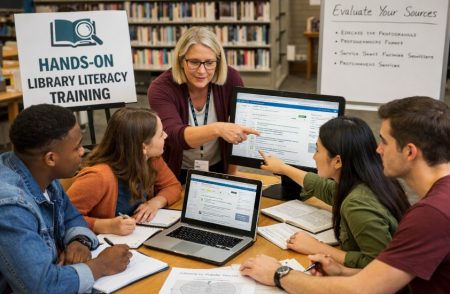
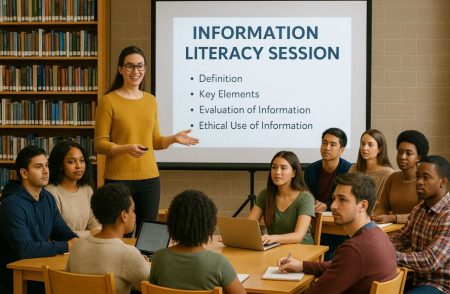
Through library-led initiatives, information literacy is developed via orientation programs, research skills workshops, course-integrated instruction, online tutorials, and one-to-one research consultations. These activities help learners build practical skills such as effective database searching, critical evaluation of sources, ethical use of information through proper citation, and awareness of plagiarism and academic integrity. By leading these efforts, libraries ensure that information literacy instruction is systematic, consistent, and aligned with academic and institutional learning goals rather than being taught in an ad-hoc or fragmented manner.
Importantly, library-led information literacy emphasizes lifelong learning and independent thinking. It empowers users to become self-directed learners who can adapt their information-seeking behaviors as technologies and information environments evolve. In an era marked by information overload, misinformation, and rapid digital change, library-led information literacy plays a vital role in equipping students, researchers, and professionals with the critical skills necessary for academic success, responsible research practices, and informed participation in society.
Why Academic Libraries Are Uniquely Positioned to Lead Information Literacy Initiatives
Academic libraries are uniquely positioned to lead information literacy initiatives because they operate at the intersection of teaching, research, and information access within higher education institutions. Unlike any single academic department, libraries serve the entire academic community—students, faculty, and researchers across all disciplines. This cross-disciplinary role enables libraries to design inclusive, scalable, and adaptable information literacy programs that meet diverse subject needs while maintaining a consistent framework for developing core information skills.
Librarians possess specialized professional expertise in information organization, retrieval, evaluation, and ethical use. Their training enables them to understand how scholarly information is produced, disseminated, and accessed through databases, journals, repositories, and digital platforms. As a result, librarians are well-equipped to teach critical skills such as advanced search strategies, source evaluation, citation practices, and plagiarism awareness. This expertise, combined with continuous exposure to emerging information technologies and research trends, positions academic libraries as natural leaders in guiding users through increasingly complex information environments.
Academic libraries maintain direct control over and familiarity with institutional information resources, including subscribed databases, electronic journals, digital repositories, and discovery tools. This access allows libraries to integrate hands-on, resource-based learning into information literacy instruction, ensuring that training is practical and immediately applicable to academic tasks. Libraries also have established instructional infrastructures—such as orientations, workshops, online tutorials, and research consultations—that support sustained and progressive skills development.
Finally, academic libraries are trusted neutral spaces within institutions, dedicated to supporting learning and academic integrity rather than assessment or grading. This neutrality fosters an open learning environment where students feel comfortable seeking guidance and developing their skills without fear of judgment. By collaborating closely with faculty and aligning information literacy with institutional learning outcomes, academic libraries can embed these competencies into the curriculum and promote lifelong learning. Together, these factors make academic libraries uniquely positioned to lead effective, sustainable, and institution-wide information literacy initiatives.
Core Competencies Information Literacy Programs Should Focus on in Higher Education
In higher education, information literacy is no longer a supplementary skill—it is a foundational academic competency. Students are expected to navigate vast amounts of information, engage critically with scholarly sources, and apply information ethically in coursework and research. Effective information literacy programs, particularly those led by academic libraries, must therefore focus on a set of core competencies that equip learners with the knowledge, skills, and attitudes required for academic success and lifelong learning. These competencies address not only how to find information, but also how to evaluate, use, and communicate it responsibly in an increasingly complex digital environment.
- Information Needs Identification and Problem Definition: One of the most fundamental competencies of information literacy is the ability to clearly identify and articulate an information need. Students must learn how to define research questions, narrow broad topics, and determine the scope and depth of information required for a specific academic task. Without this skill, learners often engage in unfocused searching, resulting in irrelevant or low-quality sources. Information literacy programs should therefore emphasize techniques for topic analysis, keyword development, and research question formulation, enabling students to approach academic inquiries with clarity and purpose.
- Effective Information Searching and Retrieval Skills: Another core competency is the ability to locate information efficiently using appropriate tools and strategies. Higher education students must be trained to use library catalogs, academic databases, institutional repositories, and credible open-access sources rather than relying solely on general search engines. This competency includes understanding advanced search techniques such as Boolean operators, filters, subject headings, and citation chaining. By developing strong search skills, students can retrieve relevant, high-quality academic materials that support rigorous research and evidence-based learning.
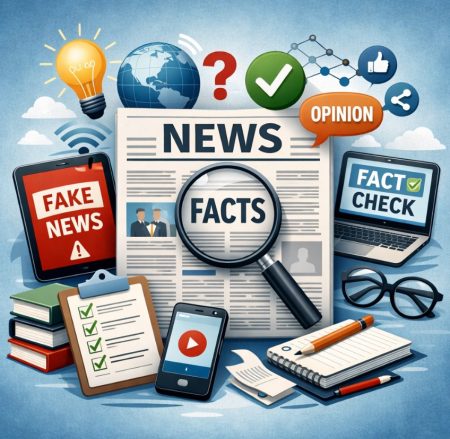
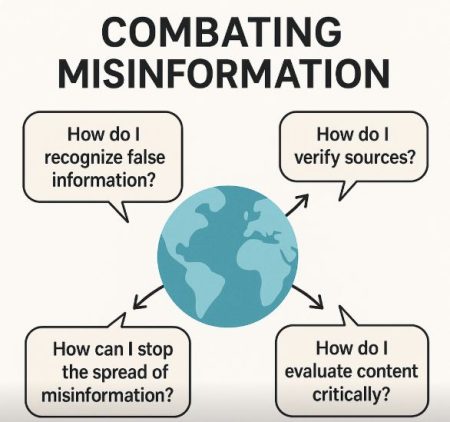
- Critical Evaluation of Information Sources: In an era of information abundance and misinformation, the ability to critically evaluate sources is essential. Information literacy programs should focus on teaching students how to assess the credibility, authority, accuracy, relevance, and timeliness of information. Learners must be able to distinguish between scholarly and non-scholarly sources, identify bias, and evaluate the reliability of digital and media content. This competency empowers students to make informed judgments about the information they use and prevents the uncritical acceptance of inaccurate or misleading content.
- Ethical Use of Information and Academic Integrity: Ethical information use is a core pillar of information literacy in higher education. Students must understand the principles of academic integrity, including proper citation, referencing, and avoidance of plagiarism. Information literacy programs should address copyright, fair use, and responsible data use while also introducing citation management tools that support ethical research practices. By developing this competency, learners gain an appreciation for intellectual property and are better prepared to produce original, credible, and academically sound work.
- Information Synthesis and Knowledge Creation: Beyond finding and evaluating information, students must learn how to synthesize information from multiple sources to create new knowledge. This competency involves comparing perspectives, integrating evidence, and constructing coherent arguments in academic writing and presentations. Information literacy instruction should guide students in organizing information, identifying patterns and gaps in the literature, and using evidence to support claims. Such skills are critical for research papers, theses, and collaborative academic projects.
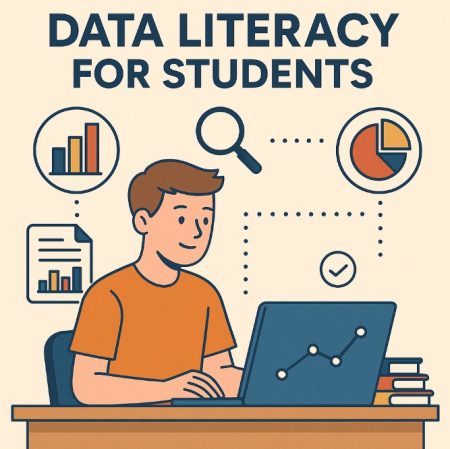
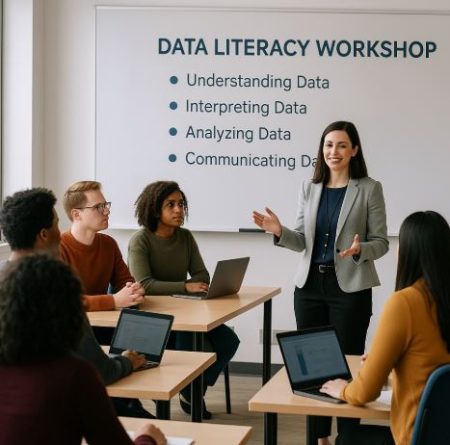
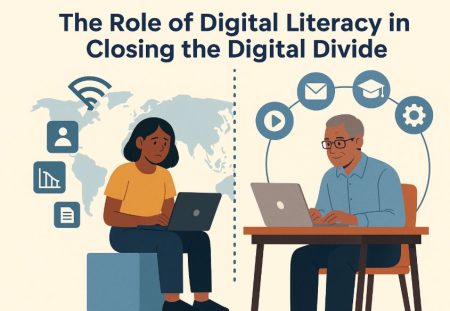
- Digital, Media, and Data Literacy: Modern information environments require competencies that extend beyond traditional text-based sources. Information literacy programs should incorporate digital literacy, media literacy, and basic data literacy skills. This includes understanding digital platforms, evaluating online media, interpreting data and statistics, and responsibly using digital tools and technologies. By integrating these competencies, higher education institutions prepare students to engage effectively with contemporary scholarly communication and digital research practices.
- Lifelong Learning and Metacognitive Skills: A crucial long-term competency of information literacy is the ability to reflect on one’s own information practices and adapt to new information environments. Programs should encourage metacognitive skills such as self-assessment, continuous learning, and adaptability. Students who develop these skills are better equipped to update their knowledge, learn new tools, and respond to evolving academic and professional information needs throughout their lives.
Information literacy programs in higher education must focus on a comprehensive set of core competencies that go beyond basic information searching. By developing skills in identifying information needs, searching effectively, evaluating sources critically, using information ethically, synthesizing knowledge, engaging with digital and data-driven content, and fostering lifelong learning, institutions can empower students to become competent, ethical, and independent learners. Academic libraries, through well-structured and integrated information literacy initiatives, play a central role in cultivating these competencies and supporting the academic mission of higher education.
The Evolution of Librarians: From Information Providers to Information Literacy Educators
Traditionally, librarians were viewed primarily as custodians of information—responsible for acquiring, organizing, and providing access to books, journals, and other information resources. Their role focused on helping users locate materials, answer reference questions, and manage physical collections. In this service-oriented model, librarians acted as intermediaries between users and information, offering support largely on demand rather than through structured teaching or skill development.
With the rapid growth of digital information, online databases, and web-based resources, the information environment has become more complex and less mediated. Users gained direct access to vast amounts of information, but often without the skills needed to search effectively, evaluate credibility, or use information ethically. This shift exposed a critical gap: access alone was no longer sufficient. As a result, the role of librarians expanded from simply providing information to actively teaching users how to engage with information in meaningful and responsible ways.
In response, librarians began to assume the role of information literacy educators. They started designing and delivering instructional programs, such as orientation sessions, research skills workshops, course-integrated instruction, and online learning materials. Rather than answering individual questions in isolation, librarians now focus on developing users’ long-term competencies, including critical thinking, source evaluation, ethical use of information, and independent research skills. This educational role aligns librarians more closely with the teaching and learning mission of higher education institutions.
Today, librarians collaborate with faculty, academic departments, and institutional stakeholders to embed information literacy into curricula and learning outcomes. They contribute to assessment, curriculum design, and student success initiatives, positioning themselves as partners in education rather than support staff alone. This evolution reflects a broader transformation in librarianship, where the emphasis has shifted from controlling access to information toward empowering learners with the skills necessary to navigate, evaluate, and create knowledge in an increasingly complex and digital information landscape.
How Academic Libraries Design and Implement Information Literacy Programs for Students
In today’s information-rich academic environment, students are expected to locate, evaluate, and use information effectively and ethically. Academic libraries play a central role in developing these abilities through well-planned information literacy programs. Designing and implementing such programs requires a strategic, learner-centered approach that aligns library expertise with institutional goals, curriculum requirements, and student learning needs. Rather than offering isolated training sessions, academic libraries increasingly adopt structured and sustainable models to ensure meaningful skills development.
- Understanding Student Needs and Academic Context: The design of an information literacy program typically begins with a thorough assessment of student needs. Academic libraries analyze students’ research behaviors, common challenges, and academic requirements across different disciplines and levels of study. This understanding is developed through consultations with faculty, analysis of frequently asked reference questions, review of course assignments, and feedback from students. By identifying skill gaps—such as difficulties in database searching, source evaluation, or citation practices—libraries ensure that their programs address real and relevant learning needs rather than generic instruction.
- Setting Clear Learning Objectives: Once needs are identified, libraries establish clear and measurable learning objectives. These objectives define the specific competencies students are expected to acquire, such as identifying credible sources, applying effective search strategies, or using information ethically. Learning objectives are often aligned with institutional learning outcomes and academic standards, ensuring that information literacy supports the broader educational mission of the institution. This alignment also strengthens collaboration with faculty and increases the likelihood of integrating information literacy into academic courses.
- Designing Instructional Content and Learning Activities: Academic libraries design instructional content that balances theory with practical application. Core topics usually include defining information needs, advanced search techniques, critical evaluation of sources, ethical use of information, and academic integrity. Libraries adopt diverse instructional methods to suit different learning styles and academic levels. These methods may include orientation programs for new students, course-integrated workshops, hands-on database training, online tutorials, and individualized research consultations. By offering both face-to-face and digital learning opportunities, libraries ensure accessibility and flexibility for students.
- Collaboration with Faculty and Academic Departments: Effective implementation of information literacy programs depends heavily on collaboration with faculty members and academic departments. Librarians work with instructors to embed information literacy instruction into course syllabi, assignments, and research projects. This integration makes information literacy learning contextual and directly relevant to students’ academic work. Faculty collaboration also helps reinforce information literacy concepts within classroom teaching and assessment, transforming these skills into an essential component of academic success rather than an optional add-on.
- Use of Technology and Digital Platforms: Academic libraries increasingly rely on technology to implement scalable and sustainable information literacy programs. Library websites, learning management systems, and multimedia tools are used to deliver tutorials, guides, and self-paced learning modules. Digital platforms allow libraries to reach a larger student population, support remote and blended learning, and provide just-in-time instruction. These tools also enable continuous access to learning materials, allowing students to revisit information literacy concepts whenever needed.
- Assessment and Continuous Improvement: Assessment is a critical component of both design and implementation. Academic libraries use quizzes, assignments, feedback forms, and learning analytics to evaluate the effectiveness of information literacy programs. Assessment results help librarians identify strengths, address weaknesses, and refine instructional strategies. Continuous evaluation ensures that programs remain responsive to changing academic needs, emerging technologies, and evolving information environments.
Academic libraries design and implement information literacy programs through a systematic, collaborative, and student-centered approach. By assessing needs, setting clear learning objectives, designing practical instructional content, collaborating with faculty, leveraging technology, and continuously evaluating outcomes, libraries create effective and sustainable information literacy initiatives. These programs not only enhance students’ academic performance but also equip them with critical skills for lifelong learning, responsible research, and informed participation in an increasingly complex information society.
Role of Library-Led Programs in Developing Critical Evaluation Skills
Library-led programs play a vital role in helping students develop critical evaluation skills by systematically teaching them how to assess the quality, credibility, and relevance of information sources. In academic environments where students are exposed to an overwhelming volume of information from books, journals, websites, and social media, libraries provide structured guidance that moves learners beyond surface-level searching. For example, during information literacy workshops, librarians often introduce evaluation frameworks, such as checking the author’s academic affiliation, publication venue, publication date, and supporting evidence, to help students decide whether a journal article, website, or report is suitable for academic use.
These programs emphasize active and reflective learning rather than passive consumption of information. Librarians commonly use hands-on exercises where students compare a peer-reviewed journal article with a popular blog post or news website on the same topic. Through this comparison, students learn to identify key differences in writing style, use of references, research methodology, and editorial review processes. For instance, students may analyze a research article from an academic database alongside an online opinion piece to understand how scholarly credibility is established through citations, methodology, and peer review.
Library-led instruction also helps students recognize bias, misinformation, and incomplete or misleading information. In practical classroom activities, librarians may ask students to evaluate multiple sources presenting different perspectives on a single issue and identify potential bias based on funding sources, language use, or author background. Similarly, students are taught to verify data by cross-checking statistics across multiple authoritative sources, such as academic journals or government publications, rather than relying on a single website. Furthermore, these programs integrate evaluation skills directly into the research process. For example, during one-to-one research consultations, librarians guide students in justifying why a particular source is credible and relevant to their research question. Students may be asked to explain why they selected a specific article, how it supports their argument, and its limitations. By practicing these skills repeatedly, learners develop a habit of critical reflection, which strengthens the quality of their academic writing and research.