Information Literacy: A Core Life Skill in the Digital Age
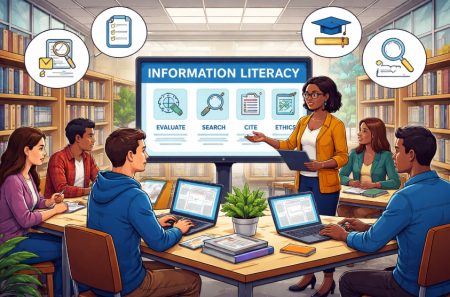
Information literacy refers to the ability to recognize when information is needed and to locate, evaluate, use, and communicate that information effectively and ethically. It goes beyond simply searching for information online; it involves evaluating source credibility, distinguishing between facts and opinions, identifying bias, and applying information appropriately to real-life situations. For example, a university student preparing a research paper must be able to identify scholarly journal articles from academic databases rather than relying on unverified blog posts or social media content. Similarly, a job seeker researching a company needs to assess whether information comes from official websites, reputable news sources, or unreliable online forums.
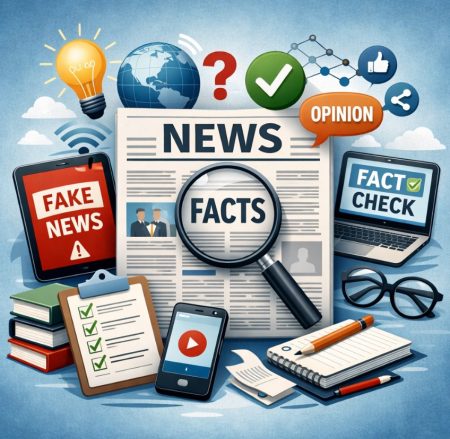
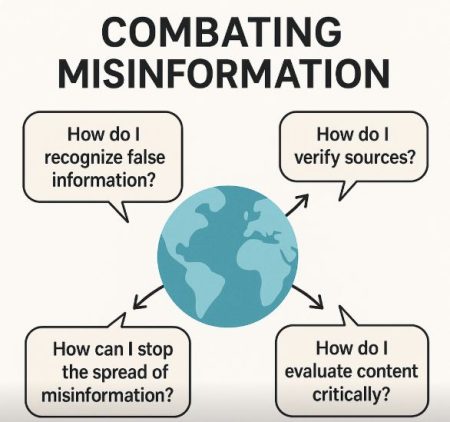
In the digital age, information literacy is considered a core life skill because most everyday decisions are influenced by information accessed through digital platforms. People routinely search online for health advice, news updates, financial guidance, and educational resources. For instance, during a public health crisis, individuals must be able to evaluate whether medical information shared on social media is supported by reliable health organizations or is merely based on rumors. Without information literacy skills, users may fall victim to misinformation, such as fake news articles, misleading advertisements, or manipulated images and videos, which can negatively affect personal and societal well-being.
Information literacy is also essential for academic and professional success. Students are expected to conduct independent research, use credible sources, and acknowledge authorship through proper citation to avoid plagiarism. In professional settings, employees may need to analyze reports, interpret data, or verify market information before making strategic decisions. For example, a librarian guiding users on database searching or a researcher evaluating the impact factor of journals demonstrates applied information literacy in practice. These skills ensure accuracy, ethical use of information, and effective communication in knowledge-based environments.
Information literacy promotes critical thinking and lifelong learning in a rapidly evolving digital landscape. As technologies such as search engines, digital libraries, and artificial intelligence tools become more common, individuals must continuously adapt their information-seeking behaviors. For example, users interacting with AI-generated content need to critically assess outputs rather than accepting them at face value. By developing information literacy skills, individuals become more confident, independent learners and responsible digital citizens. Therefore, in the digital age, information literacy is not merely an academic competency but a vital life skill that supports informed decision-making, ethical behavior, and active participation in society.
Evolution of Information Literacy in the Digital Information Age
The concept of information literacy has evolved significantly with the rapid growth of digital information and technologies. Traditionally, information literacy focused primarily on the ability to locate and use information from printed sources such as books, journals, and reference materials within physical library settings. Users were expected to develop basic skills in catalogue searching, index use, and reference consultation. However, the emergence of digital resources, online databases, search engines, and web-based information systems has transformed both the nature of information and the skills required to engage with it effectively.
With the expansion of digital information, information literacy now emphasizes critical evaluation and analytical thinking rather than mere information retrieval. Unlike print resources, digital information is often unfiltered, rapidly produced, and widely disseminated through websites, social media platforms, and multimedia channels. As a result, users must assess the credibility, authority, accuracy, and relevance of online content. For example, a student conducting online research must be able to distinguish peer-reviewed journal articles accessed through academic databases from non-scholarly web content or opinion-based sources. This shift reflects a move from mechanical searching skills to higher-order cognitive skills.
The growth of digital information has also expanded information literacy to include ethical and responsible use of information. Issues such as plagiarism, copyright infringement, data privacy, and the responsible sharing of information have become central concerns in the digital environment. With the ease of copying, downloading, and redistributing content, users must understand how to cite digital sources properly, respect intellectual property rights, and use information legally and ethically. For instance, using licensed e-resources through institutional subscriptions requires awareness of access rights and fair use practices.
The rise of emerging technologies such as social media, mobile devices, and artificial intelligence has broadened the scope of information literacy into a lifelong, adaptive skill set. Information literacy now includes the ability to manage information overload, recognize misinformation and disinformation, and critically evaluate AI-generated content. Individuals are expected to continuously update their skills to keep pace with changing information systems and platforms. Thus, with the growth of digital information, information literacy has evolved from a library-centered competency into a comprehensive life skill that supports critical thinking, ethical awareness, and informed participation in an increasingly digital society.
Why Libraries Are Uniquely Positioned to Promote Information Literacy
Libraries are uniquely positioned to promote information literacy because they serve as trusted, neutral, and inclusive gateways to information across all formats and disciplines. Unlike many commercial information providers, libraries prioritize equitable access to reliable and authoritative resources rather than profit. By curating scholarly databases, books, journals, and digital collections, libraries create structured information environments where users can learn how to identify credible sources and develop effective information-seeking strategies. For example, academic libraries guide students in using peer-reviewed journals and subject-specific databases, helping them understand the difference between scholarly and non-scholarly information.
Another key reason libraries play a central role in information literacy is librarians’ expertise as information professionals and educators. Librarians are trained not only to manage information resources but also to teach users how to search, evaluate, and use information critically and ethically. Through library orientations, research workshops, reference services, and one-to-one consultations, librarians directly support users in developing information literacy skills. For instance, a librarian assisting a student with refining search keywords or evaluating journal quality is actively fostering critical thinking and responsible information use.
Libraries also provide supportive learning environments that encourage lifelong learning and independent inquiry. Whether in academic, public, or school libraries, users can practice information literacy skills in a low-pressure setting with access to guidance and tools. Libraries often integrate information literacy instruction into academic curricula, community programs, and digital platforms, ensuring that users encounter these skills at different stages of their lives. For example, school libraries introduce students to basic research skills, while public libraries offer programs on digital literacy and evaluating online information.
In the digital age, libraries play a crucial role in addressing challenges such as misinformation, information overload, and ethical information use. Through access to credible digital resources, online tutorials, research guides, and virtual reference services, libraries help users navigate complex digital information landscapes. By combining trusted resources, professional guidance, and inclusive access, libraries are uniquely equipped to empower users with the information literacy skills necessary for informed decision-making, academic success, and responsible citizenship.
Key Components of Information Literacy Skills
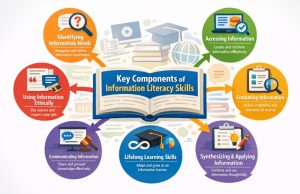 In today’s information-rich and digitally driven world, information literacy has become a fundamental competency for academic success, professional effectiveness, and informed citizenship. Libraries play a central role in developing information literacy by guiding users through the complex processes of finding, evaluating, using, and communicating information responsibly. Rather than treating information literacy as a single skill, libraries focus on a set of interconnected components that together enable users to engage with information critically and ethically. The following sections discuss the key components of information literacy skills that libraries commonly emphasize in their services and instructional programs.
- Identifying Information Needs: One of the foundational components of information literacy is the ability to recognize and clearly define an information need. Libraries help users understand what type of information is required for a specific purpose, whether it is academic research, problem-solving, or personal decision-making. For example, students are guided to distinguish between background information, scholarly research, statistical data, and current news. By learning how to narrow research topics and formulate clear research questions, users become more focused and efficient in their information-seeking efforts.
- Accessing Information Effectively: Libraries place strong emphasis on teaching users how to locate information efficiently using appropriate tools and resources. This includes developing search strategies, selecting suitable databases, and using advanced search techniques such as keywords, Boolean operators, filters, and subject headings. Users learn that different information needs require different search tools—for instance, academic databases for scholarly articles, library catalogs for books, or institutional repositories for theses and dissertations. This component ensures that users move beyond simple internet searching and make informed choices about where and how to search.
- Evaluating Information Critically: Critical evaluation of information is one of the most important components of information literacy promoted by libraries. Users are taught to assess the credibility, accuracy, relevance, authority, and timeliness of information sources. Libraries encourage users to question who created the information, for what purpose, and with what evidence. This skill is especially vital in the digital environment, where misinformation and biased content are widespread. By developing evaluation skills, users become more discerning consumers of information rather than passive recipients.
- Using Information Ethically and Responsibly: Ethical use of information is a core focus of library-based information literacy instruction. Libraries educate users about plagiarism, copyright, intellectual property rights, and proper citation practices. Students and researchers learn how to acknowledge sources, follow citation styles, and respect licensing agreements for digital resources. This component reinforces academic integrity and responsible scholarship, while also promoting respect for the work of others in both academic and professional contexts.
- Synthesizing and Applying Information: Libraries also focus on helping users synthesize information from multiple sources and apply it meaningfully to their tasks. Information literacy involves more than collecting sources; it requires analyzing, comparing, and integrating ideas to build new knowledge or arguments. Through research support services and instructional sessions, libraries guide users in organizing information, identifying patterns, and drawing evidence-based conclusions. This component strengthens analytical thinking and supports higher-level learning outcomes.
- Communicating Information Effectively: Effective communication of information is another key component emphasized by libraries. Users are encouraged to present information clearly and appropriately for different audiences and purposes, whether through academic writing, presentations, or digital content. Libraries support this process by offering guidance on academic writing standards, citation management tools, and presentation skills. Clear communication ensures that information is not only understood but also used to inform, persuade, or educate others.
- Developing Lifelong Learning Skills: Finally, libraries view information literacy as a lifelong skill rather than a one-time academic requirement. Users are encouraged to adapt their information practices as technologies, information systems, and societal needs evolve. By fostering curiosity, critical thinking, and self-directed learning, libraries empower individuals to remain information literate throughout their lives. This component is particularly important in a rapidly changing digital landscape where continuous learning is essential.
The key components of information literacy skills—identifying information needs, accessing information effectively, evaluating sources critically, using information ethically, synthesizing knowledge, communicating effectively, and supporting lifelong learning—form the foundation of library-led information literacy initiatives. By focusing on these interconnected components, libraries equip users with the skills needed to navigate complex information environments confidently and responsibly. In doing so, libraries strengthen not only academic and professional outcomes but also informed participation in society.
Role of Academic Libraries in Developing Students’ Information Literacy Skills
Academic libraries play a vital role in developing students’ information literacy skills by serving as both learning hubs and instructional partners within higher education institutions. They provide students with structured access to scholarly information resources and guide them in understanding how knowledge is created, organized, and communicated within academic disciplines. By offering curated collections of books, journals, databases, and digital resources, academic libraries help students move beyond general web searching and engage with authoritative, peer-reviewed information essential for academic study and research.
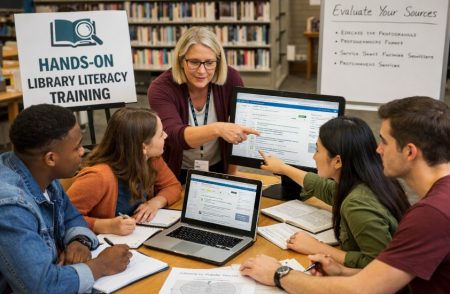
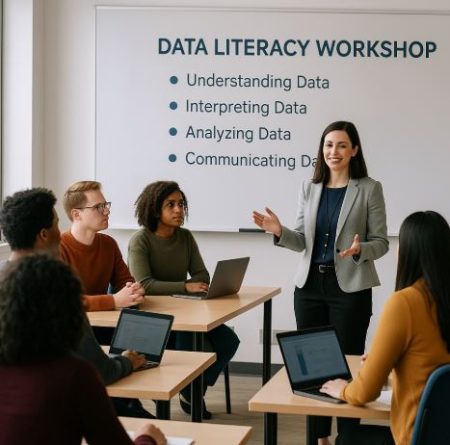
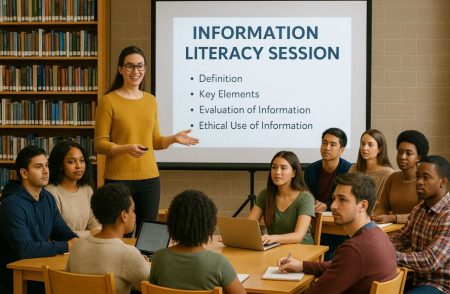
One of the most significant contributions of academic libraries is their instructional support through information literacy programs. Libraries conduct orientation sessions, research workshops, and course-integrated instruction that teach students how to define research topics, develop effective search strategies, and use academic databases efficiently. Through hands-on training, students learn how to refine keywords, apply filters, and retrieve relevant scholarly materials. This structured guidance strengthens students’ ability to locate high-quality information independently and confidently.
Academic libraries also contribute by fostering critical evaluation and ethical use of information. Librarians train students to assess the credibility, relevance, and reliability of sources by examining authorship, publication context, methodology, and evidence. At the same time, libraries emphasize academic integrity by teaching proper citation practices, plagiarism awareness, and responsible use of information. Support services related to referencing tools and citation styles help students develop ethical research habits that are essential for academic and professional success.
Academic libraries support students’ information literacy development through personalized assistance and digital learning tools. Reference and research consultation services provide students with one-on-one guidance tailored to their specific research needs. Online research guides, tutorials, and virtual reference services extend this support beyond physical library spaces, enabling continuous learning. By integrating instructional expertise, reliable resources, and learner-centered services, academic libraries play a central role in equipping students with the information literacy skills necessary for lifelong learning and informed participation in the knowledge society.
Roles of Librarians as Educators in Information Literacy Instruction
In the digital age, librarians have evolved into active educators who play a crucial role in developing information literacy skills among students, researchers, and the wider community. Beyond managing information resources, librarians design and deliver instructional activities that help users navigate complex information environments, evaluate sources critically, and use information ethically. The following points highlight the key roles librarians play as educators in information literacy instruction.
- Instructional Designers and Teachers: Librarians design and conduct information literacy instruction through library orientation programs, research workshops, and course-integrated sessions. They teach users how to identify information needs, formulate research questions, and use library catalogs and academic databases effectively. By aligning instruction with academic curricula and learning outcomes, librarians ensure that information literacy skills are taught in relevant and practical contexts.
- Facilitators of Information Access Skills: As educators, librarians guide users in developing effective information-seeking strategies. They teach the use of keywords, subject terms, Boolean operators, and advanced search techniques to retrieve relevant information efficiently. This role helps users move beyond basic search engine use and develop systematic approaches to accessing scholarly and reliable information sources.
- Promoters of Critical Evaluation and Thinking: Librarians play a vital role in fostering critical thinking by teaching users how to evaluate information sources. They encourage learners to assess credibility, authority, accuracy, relevance, and bias in both print and digital content. Through examples and guided practice, librarians help users distinguish scholarly information from unreliable or misleading sources, an essential skill in the age of misinformation.
- Advocates of Ethical and Responsible Information Use: Another important educational role of librarians is promoting ethical information practices. Librarians educate users about plagiarism, copyright, intellectual property rights, and proper citation methods. By teaching correct referencing and responsible use of digital resources, they help learners develop academic integrity and respect for intellectual contributions.
- Mentors and Personalized Learning Support Providers: Librarians provide individualized instruction through reference services and one-on-one research consultations. In this mentoring role, they tailor guidance to users’ specific research topics, skill levels, and learning needs. Personalized support enables learners to overcome research challenges and build confidence in their information literacy abilities.
- Developers of Digital Learning Resources: Librarians create online tutorials, research guides, videos, and instructional materials that support self-directed and remote learning. These digital resources extend information literacy instruction beyond physical library spaces and allow users to learn at their own pace. This role is particularly important in blended and online learning environments.
- Supporters of Lifelong Learning: Librarians encourage continuous learning by helping users adapt to changing information technologies and resources. They promote curiosity, independent inquiry, and the ability to update information skills over time. Through this role, librarians support lifelong information literacy that extends beyond formal education.
Librarians play multiple, interconnected roles as educators in information literacy instruction. As teachers, facilitators, mentors, and advocates for ethical information use, they empower users to become critical, confident, and responsible information users. By integrating instructional expertise with information management skills, librarians significantly contribute to academic success, informed decision-making, and lifelong learning in the digital age.
Role of School Libraries in Early Information Literacy Development
School libraries play a crucial role in shaping early information literacy development by introducing students to the basic skills needed to find, understand, and use information from a young age. At the primary and secondary levels, school libraries provide a safe and structured learning environment where students learn that information comes from different sources, such as books, reference materials, and digital content. For example, young students may learn to locate a storybook on a shelf using simple classification labels, while older students begin exploring age-appropriate online encyclopedias or educational websites recommended by the library.
One of the most effective ways school libraries influence early information literacy is through integration with classroom learning. School librarians often collaborate with teachers to design reading programs, classroom projects, and research-based assignments. For instance, during a science project, students may be guided to use children’s reference books or curated digital resources to gather facts about plants or animals. Through such activities, students learn how to identify keywords, select relevant sources, and extract useful information, gradually building confidence in their research skills.
School libraries also support the development of critical thinking and responsible information use at an early stage. Students are taught to distinguish between facts and opinions by comparing information from different books or discussing the purpose of a text. For example, a librarian might explain the difference between a storybook and an informational book, helping students understand that not all texts serve the same purpose. Additionally, students learn basic ethical practices, such as acknowledging the author of a book or writing information in their own words rather than copying directly.
School libraries foster reading habits and curiosity, which strongly support the development of information literacy. Reading programs, storytelling sessions, and book clubs help students improve comprehension, vocabulary, and analytical thinking. For example, after reading a book, students may be asked to summarize key ideas or answer questions using information from the text. These activities help students practice interpreting and using information meaningfully. By providing guided instruction, practical examples, and access to diverse learning resources, school libraries lay a strong foundation for information literacy that prepares students for more advanced research skills in higher education.
How Libraries Can Integrate Information Literacy into Their Regular User Services
Libraries can effectively integrate information literacy into their regular user services by embedding instructional support into everyday interactions rather than treating information literacy as a separate or one-time activity. One of the most common ways this integration occurs is through reference and information desk services. When librarians assist users in finding books, articles, or data, they can simultaneously explain search strategies, keyword selection, and source evaluation techniques. For example, instead of simply providing an article, a librarian may demonstrate how to use a database, helping the user learn how to replicate the search independently in the future.
Library orientation and user education programs also provide strong opportunities to integrate information literacy into regular services. During orientation sessions for new users, libraries can introduce basic research skills, explain how information is organized, and highlight the importance of evaluating sources. These sessions often form the foundation for more advanced information literacy learning and ensure that users are aware of available tools, services, and support from the beginning of their library experience.
Digital library services further enable the integration of information literacy into daily user interactions. Libraries can embed instructional content into their websites, online catalogs, and databases through research guides, video tutorials, and frequently asked questions. For instance, subject guides can include tips on evaluating sources, using citations, and avoiding plagiarism alongside recommended resources. Virtual reference services, such as chat or email support, also allow librarians to provide real-time guidance on research skills while assisting users remotely.
Finally, libraries can integrate information literacy by aligning it with existing programs and services such as workshops, reading programs, and research support initiatives. Collaborations with faculty, teachers, or community organizations allow libraries to embed information literacy within academic courses or community learning activities. By consistently incorporating information literacy instruction into reference services, digital platforms, and educational programs, libraries ensure that users develop critical information skills as a natural part of their everyday library experience rather than as an isolated learning outcome.
Effectiveness of Library Orientation Programs in Improving Information Literacy
Library orientation programs are generally effective in improving information literacy, especially as an introductory step for new users in academic and educational environments. These programs familiarize users with library spaces, resources, and services, helping them understand how information is organized and accessed. By introducing library catalogs, academic databases, classification systems, and basic search techniques, orientation programs lay the groundwork for informed and purposeful information-seeking behavior.
One of the main strengths of library orientation programs is their ability to build user awareness and confidence at an early stage. Students who attend orientation sessions are more likely to recognize the value of scholarly resources and understand where to seek reliable information. For example, learning how to access peer-reviewed journals through library databases reduces dependence on general web searches and improves the quality of academic work. Orientation programs also encourage users to seek assistance from librarians, promoting more effective use of library support services.
The effectiveness of library orientation programs increases when they adopt interactive and practical approaches. Hands-on demonstrations, guided searches, and brief exercises on evaluating information sources help users actively engage with information literacy concepts. When users practice searching, filtering results, and identifying credible sources during orientation, they are more likely to retain and apply these skills in real research situations.
However, while library orientation programs are effective in raising awareness and introducing core concepts, they are most successful when supported by ongoing instruction and reinforcement. A single orientation session may not be sufficient to develop advanced information literacy skills. Libraries that complement orientation programs with follow-up workshops, course-integrated instruction, and online learning resources achieve more sustained improvements.