What Is News Literacy?
News literacy is the ability to critically assess, analyze, evaluate, and interpret news and current information from various media sources. It involves understanding how news is created, who produces it, and for what purpose, as well as distinguishing between factual reporting, opinion, advertising, and propaganda. For example, a news-literate reader can differentiate between a straight news report published by a recognized newspaper and an opinion column that reflects the writer’s personal views. Similarly, they can recognize sponsored content or advertisements that are presented in a news-like format but are designed to promote a product or agenda.
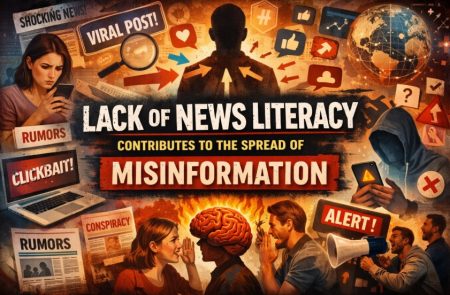
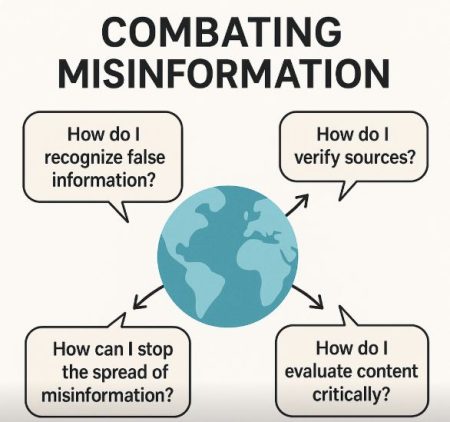
In the digital environment, news literacy also includes the ability to navigate online and social media platforms where information spreads rapidly. With the rise of social media, unverified posts, sensational headlines, or edited images can circulate widely and be mistaken for authentic news. For instance, an old news article about an event may be reshared on social media as if it were recent, or a misleading headline may exaggerate facts to attract attention. A news-literate person is likely to check the publication date, confirm the information through multiple reliable news outlets, and look for original sources before accepting or sharing such content. By developing news literacy skills, individuals become more thoughtful and responsible consumers of news, better prepared to use current information accurately in academic work and to make informed decisions in everyday life.
Essential Skills for Becoming a News-Literate Reader
In today’s digital and media-rich environment, news reaches audiences through multiple platforms within seconds. While this easy access to information has many advantages, it also increases exposure to misinformation, bias, and misleading content. To navigate this complex landscape responsibly, individuals need to develop news literacy skills. A news-literate reader does not simply consume news; they actively evaluate and interpret it. Several essential skills contribute to becoming a news-literate reader.
- Critical Thinking Skills: Critical thinking is the foundation of news literacy. It enables readers to question what they read rather than accepting information at face value. News-literate readers ask important questions such as: Who created this content? What is the purpose of this news? Is the information supported by evidence? By analyzing arguments, identifying assumptions, and recognizing logical fallacies, readers can more effectively evaluate the reliability of news stories.
- Source Evaluation Skills: Being able to evaluate the credibility of news sources is crucial. News-literate readers examine the reputation of the publisher, the transparency of the organization, and the expertise of the author. They understand the difference between reputable news organizations and unreliable websites or anonymous sources. Checking the “About Us” section, author credentials, and editorial policies helps readers determine whether a source can be trusted.
- Fact-Checking and Verification Skills: Fact-checking is an essential skill in news literacy. Readers should verify information by cross-checking facts with multiple reliable sources, confirming dates and locations, and examining original documents or official statements when available. News-literate readers do not rely on a single source, especially for sensitive or controversial topics, and are cautious about sharing unverified news.
- Ability to Recognize Bias and Perspective: All news is produced from a particular perspective, and recognizing bias helps readers understand how information may be framed. News-literate readers can identify biased language, selective reporting, or one-sided arguments. They compare coverage from different outlets to gain a balanced view and understand how political, cultural, or commercial interests may influence reporting.
- Understanding the Difference Between News and Opinion: Distinguishing factual reporting from opinion, commentary, or analysis is a key news literacy skill. News-literate readers can identify whether an article is reporting verified facts or expressing personal viewpoints. They pay attention to labels such as “opinion” or “editorial” and recognize persuasive language that signals interpretation rather than objective reporting.
- Digital and Media Awareness: In the digital age, news appears in various formats, including social media posts, videos, podcasts, and infographics. News-literate readers understand how algorithms, click-driven headlines, and social media trends influence what they see. They are aware that popularity does not necessarily equate to credibility and that viral content may prioritize engagement over accuracy.
- Ethical and Responsible Information Use: A news-literate reader understands their responsibility as a consumer and sharer of information. This includes avoiding the spread of misinformation, respecting intellectual property, and sharing news thoughtfully. Ethical awareness encourages readers to consider the potential impact of sharing false or misleading information on individuals and society.
Becoming a news-literate reader requires a combination of critical thinking, evaluating sources, verifying information, recognizing bias, and exercising ethical responsibility. These skills empower individuals to navigate the modern information environment with confidence and judgment. By developing news literacy, readers can make informed decisions, participate responsibly in public discourse, and contribute to a more informed and thoughtful society.
The Importance of News Literacy in the Digital and Social Media Age
News literacy is especially important in the digital and social media age, as information now spreads faster and reaches a wider audience than ever before. News is no longer consumed solely through traditional newspapers or television; it is now constantly available on social media feeds, online news portals, and messaging apps. For example, a breaking news update shared on social media can reach thousands of people within minutes, even before journalists have verified all the facts. Without news literacy skills, readers may accept or share such information without questioning its accuracy.
Social media platforms exacerbate this challenge by prioritizing content that generates likes, comments, and shares over content that is accurate or balanced. Sensational or misleading headlines often attract more attention than carefully reported news. For instance, during elections or public health emergencies, false claims or exaggerated headlines have circulated widely on social media, influencing public opinion and creating confusion. News-literate individuals are more likely to check official announcements, trusted news outlets, or multiple sources before believing or sharing such claims.
News literacy also plays a crucial role in everyday decision-making. People rely on news to inform their decisions about health, education, finances, and civic engagement. For example, misleading news about economic conditions or policy changes can lead people to make poor financial or personal decisions. By applying news literacy skills-such as verifying sources, recognizing bias, and reading beyond headlines-individuals can better understand real-world events and respond thoughtfully. In the digital and social media age, news literacy empowers people to engage responsibly with information, reduce the spread of misinformation, and contribute to a more informed and resilient society.
Why News Literacy Matters for Students and Researchers
News literacy is particularly important for students and researchers because academic learning and research increasingly rely on current information from digital and online sources. Students and researchers frequently utilize news articles to comprehend recent developments, gather background information, and support arguments in assignments, presentations, and scholarly work. Without news literacy skills, they may unknowingly rely on unreliable or biased news sources, which can weaken the quality and credibility of their academic work.
For students, news literacy helps develop critical thinking and analytical skills that are essential for academic success. A news-literate student can distinguish between factual reporting and opinion, identify credible sources, and evaluate evidence presented in news articles. This skill is especially useful when researching contemporary issues such as public policy, economic trends, or social challenges, where news sources often complement academic literature. By applying news literacy, students can avoid misinformation and use news responsibly in coursework.
For researchers, news literacy supports ethical and rigorous research practices. Researchers frequently monitor news to stay informed about emerging trends, policy changes, and public debates related to their fields. Being news-literate enables them to assess the reliability of news reports, recognize bias or sensationalism, and separate verified facts from speculation. In an era where misinformation spreads quickly, news literacy helps students and researchers maintain academic integrity, make informed decisions, and contribute meaningful, evidence-based insights to their fields of study.
What Types of Content Fall Under the Category of “News”?
News refers to information about recent events, issues, or developments that are significant to the public. In modern media environments, news is presented in various formats and styles, each serving a distinct purpose. Understanding the different types of news content is an essential part of news literacy, as it enables readers to interpret information accurately and distinguish between facts, opinions, and entertainment. The main types of content that fall under the category of “news” are discussed below.
- Hard News: Hard news encompasses serious, timely, and impactful events that have a direct impact on society. This type of news focuses on facts and is usually reported in a straightforward and objective manner. Topics commonly included in hard news are politics, government policies, elections, economic developments, public health issues, natural disasters, and international affairs.
Example: News reports on national elections, budget announcements, court verdicts, or emergency updates during floods or earthquakes are considered hard news. - Soft News: Soft news includes stories that are less time-sensitive and more focused on human interest, lifestyle, culture, sports, and entertainment. While soft news may not have immediate social or political consequences, it still informs and engages the public.
Example: Coverage of a major sports tournament, a cultural festival, celebrity interviews, or features on lifestyle trends typically falls under the category of soft news. - Breaking News: Breaking news refers to information about events that are currently unfolding and require immediate reporting. This type of news is often updated frequently as new details emerge. Accuracy is important, but information may be limited at the initial stage.
Example: Live coverage of an accident, sudden political developments, or emergency press briefings are examples of breaking news. - Investigative News: Investigative news involves in-depth reporting that uncovers hidden facts, wrongdoing, or issues of public concern. Journalists conducting investigative reporting spend a significant amount of time researching, analyzing documents, and interviewing sources.
Example: Reports exposing corruption, financial irregularities, environmental damage, or human rights violations are forms of investigative news. - Explanatory and Analytical News: This type of news goes beyond reporting facts to explain complex issues and provide context. Analytical news helps readers understand the causes, background, and implications of events.
Example: Articles explaining why inflation is rising, how climate change affects weather patterns, or what a new government policy means for citizens are explanatory news. - Opinion and Editorial Content: Opinion pieces and editorials express viewpoints, arguments, or interpretations of current events. Although they are not purely factual reports, they are commonly published by news organizations and clearly labeled as opinions.
Example: Editorials on social issues, opinion columns by experts, or commentary on political decisions fall under this category. - Feature Stories: Feature news stories offer in-depth narratives and background information on individuals, events, or issues. These stories often combine factual information with storytelling techniques to create a deeper engagement.
Example: A long-form story on the lives of frontline workers, rural education challenges, or the journey of a successful athlete is considered a feature. - Multimedia News Content: In the digital age, news is no longer limited to written articles. Multimedia news includes videos, podcasts, photojournalism, infographics, and live-streamed reports.
Example: A video report from a press conference, a podcast discussing current affairs, or an infographic showing election results are all forms of news content.
The category of “news” includes a wide range of content, from hard and breaking news to opinion pieces and multimedia reports. Each type serves a different purpose, whether informing the public, explaining complex issues, or offering perspectives on current events. Understanding these distinctions helps readers become more news-literate, enabling them to consume information critically and responsibly in today’s complex media landscape.
Who Produces News, and What Are Their Primary Objectives?
News is produced by a wide range of individuals and organizations that play different roles in the information ecosystem. Traditionally, professional journalists working for newspapers, television channels, radio stations, and news agencies have been the main producers of news. These journalists gather information through interviews, field reporting, official documents, and firsthand observation, and then verify and present it in accordance with established journalistic standards. Their primary objective is to inform the public accurately and in a timely manner about events and issues that are important to society. By providing verified facts and balanced reporting, professional news organizations aim to help people understand what is happening around them and why it matters.
In the digital age, news production has expanded beyond traditional media organizations. Online news portals, independent journalists, bloggers, and even ordinary individuals using social media platforms can now produce and share content that resembles news. For example, eyewitnesses may post videos or updates about a sudden incident before professional reporters arrive at the scene. While such content can provide immediacy and diverse perspectives, it may not always follow strict verification processes. As a result, the objectives of these producers can vary, ranging from sharing information and raising awareness to gaining attention, influence, or online engagement.
Overall, the primary objectives of news producers include informing the public, explaining complex issues, holding powerful institutions accountable, and shaping public understanding of events. At the same time, many news organizations also operate as businesses, which means attracting audiences, building trust, and generating revenue through advertising or subscriptions are additional goals. Understanding who produces news and what motivates them helps readers critically evaluate the information they consume and apply news literacy skills more effectively.
How Can Readers Distinguish Between Credible News Sources and Unreliable Ones?
In an era where news is widely accessible through digital platforms and social media, readers must develop the ability to distinguish between credible and unreliable news sources. One of the most important indicators of credibility is the source of the news. Reputable news organizations usually have a clear editorial structure, identifiable authors, and transparent contact information. They adhere to professional journalistic standards, including fact-checking and source verification. In contrast, unreliable sources often lack author details, use vague or anonymous bylines, or provide little information about who runs the website or publishes the content.
Another key factor is the quality of evidence and sources used in the news story. Credible news reports rely on verified data, official records, expert opinions, and multiple independent sources. For example, a reliable report on a public policy issue will cite government documents, expert analysis, or firsthand interviews. Unreliable news, on the other hand, may depend on rumors, emotional language, or unverified social media posts without proper attribution. Readers should also pay attention to whether facts are supported by evidence or simply stated without explanation.
Readers can further distinguish credible sources by examining the language, tone, and presentation of the news. Trustworthy journalism generally employs neutral and balanced language, whereas unreliable content often relies on sensational headlines, exaggerated claims, or emotionally charged words designed to elicit strong reactions. Additionally, checking the date and context of a news story is essential, as outdated or recycled content is sometimes shared as if it were current. By comparing the same news across multiple reputable outlets and questioning inconsistencies, readers can develop stronger news literacy skills and make informed judgments about the reliability of the information they consume.