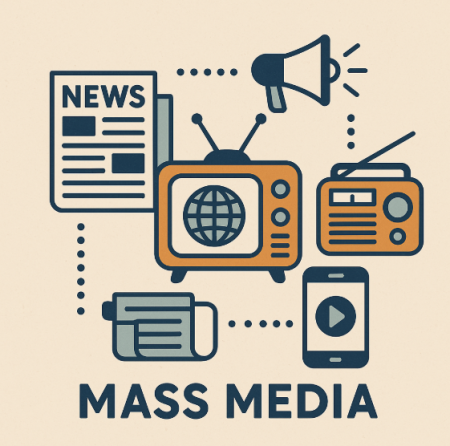
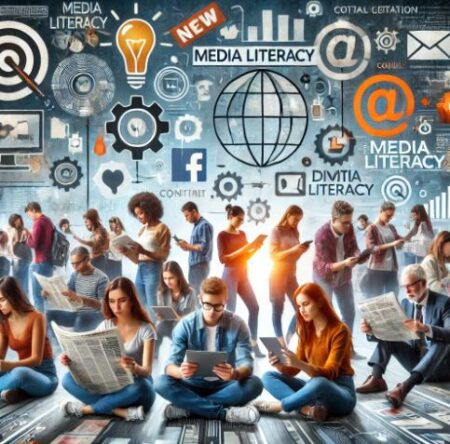
Mass media refers to the various channels of communication used to reach a large and diverse audience simultaneously. These channels encompass traditional forms, such as newspapers, radio, and television, as well as digital platforms, including online news websites, social media, and streaming services. For example, newspapers report daily local and international news, television broadcasts live coverage of major events such as elections or natural disasters, and social media platforms rapidly share updates, images, and opinions across the globe. The main purpose of mass media is to gather, produce, and distribute information, news, and entertainment to the public in an organized and accessible manner.
In modern society, mass media play a crucial role in informing, educating, and influencing people’s perceptions and behaviors. For instance, televised news and online news portals help citizens understand government policies, public health campaigns, or economic changes, such as awareness programs during health emergencies. Media also shapes public opinion by framing social and political issues, such as debates on environmental protection, education reforms, or technological advancements. Entertainment media, including films, television shows, and digital content, reflect and influence cultural values, lifestyles, and social norms. Additionally, mass media provides a platform for public discussion by featuring expert opinions, interviews, and the voices of citizens, thereby encouraging social awareness and democratic participation. Through these diverse functions, mass media have become an essential force in connecting individuals, institutions, and societies in the modern world.
Which Types of Mass Media Most Strongly Influence Public Opinion?
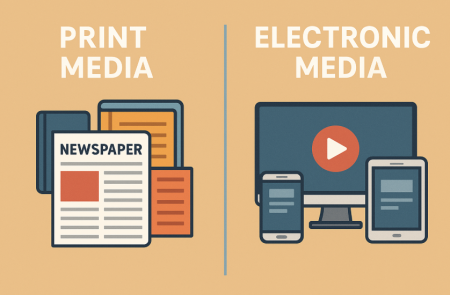
Public opinion is shaped by various forms of mass media, each playing a distinct role in informing, persuading, and influencing audiences. While all media types contribute to opinion formation, their level and nature of influence vary depending on factors such as accessibility, credibility, speed, and audience engagement. The most influential forms of mass media include print media, television, radio, digital media, and social media.
- Print Media: Print media, such as newspapers, magazines, and journals, have historically played a significant role in shaping public opinion. It is often perceived as more credible and authoritative due to its emphasis on detailed reporting, analysis, and editorial responsibility. Opinion columns, editorials, and investigative reports help readers form informed views on political, social, and economic issues. Although its influence has declined with the rise of digital platforms, print media continues to have a strong influence on policymakers, academics, and educated readers who seek in-depth and reliable information.
- Television: Television remains one of the most powerful tools for influencing public opinion because of its audio-visual impact and wide reach. News broadcasts, political debates, talk shows, and documentaries combine images, sound, and narratives, making messages more engaging and emotionally compelling. Television plays a crucial role during major events such as elections, crises, or national announcements, as viewers tend to trust televised coverage and interpret issues based on visual presentation and expert commentary.
- Radio: Radio is particularly influential in reaching local and rural populations, as well as audiences who may have limited access to print or digital media. News bulletins, interviews, and talk shows allow listeners to stay informed while working or traveling. Radio’s conversational and immediate nature helps build trust between broadcasters and audiences, making it effective in shaping opinions on community issues, public awareness campaigns, and local politics.
- Digital Media: Digital media, including online news portals and websites, has become a major influence on public opinion due to its speed, accessibility, and global reach. People can access news instantly through smartphones and computers, allowing information to spread rapidly. Digital platforms often combine text, images, videos, and interactive features, which enhance engagement. However, the abundance of information also means that audiences must critically evaluate sources to avoid misinformation.
- Social Media: Social media is currently one of the most significant influences on public opinion, particularly among younger generations. Platforms allow users to actively participate by sharing content, expressing opinions, and engaging in discussions. Social media amplifies voices, trends, and movements rapidly, often shaping public opinion in real-time. Algorithms personalize content based on user behavior, reinforcing beliefs and sometimes creating echo chambers. While social media increases participation and diversity of views, it can also spread misinformation if not used responsibly.
Each type of mass media influences public opinion in different ways. Print media provides depth and credibility, television creates a strong emotional impact, radio ensures accessibility and trust, digital media offers speed and convenience, and social media enables interaction and rapid dissemination. In contemporary society, social media and digital platforms exert the strongest influence due to their immediacy and reach, while traditional media continues to play an important role in shaping informed and balanced public opinion.
How Does Mass Media Influence Public Opinion?
Mass media have a profound and ongoing impact on public opinion by shaping how information is produced, disseminated, and interpreted within society. In contemporary life, people rarely experience major political, social, or economic events directly; instead, they depend on newspapers, television, radio, digital news platforms, and social media for information. Because mass media serves as the primary link between real-world events and the public, it plays a crucial role in shaping knowledge, influencing attitudes, and guiding collective judgments across society.
One of the most significant ways mass media influences public opinion is through agenda-setting, which refers to the media’s ability to determine which issues receive public attention. By giving frequent and prominent coverage to specific topics while ignoring others, media outlets direct audiences toward particular concerns. When issues such as public health, economic instability, or environmental problems dominate news coverage, the public begins to see these matters as urgent and important. In this way, mass media may not directly tell people what opinions to hold, but it strongly influences which issues people consider worthy of attention and discussion.
Mass media also shape public opinion through framing, or the way information is presented. The selection of words, headlines, images, and narratives can significantly influence how audiences interpret events. The same issue can be portrayed in different ways, leading to varying perceptions and judgments. For instance, a policy measure might be framed as a necessary reform or as an unfair burden, shaping whether public reaction is supportive or critical. Through framing, the media subtly guides interpretation and emotional responses without explicit persuasion.
Another important factor in opinion formation is repetition and reinforcement of messages. When audiences are repeatedly exposed to certain viewpoints or narratives across multiple media platforms, those ideas become familiar and gradually accepted as normal or widely shared. This process is commonly used in political campaigns, advertising, and public awareness initiatives, where consistent messaging helps shape attitudes and behaviors over time. Repetition increases the perceived credibility of messages, even when alternative perspectives receive less attention.
Mass media further influences public opinion by offering interpretation and analysis through experts and opinion leaders. Editorials, opinion columns, interviews, and televised discussions help audiences understand complex issues such as economic policies, international relations, or scientific developments. Since many individuals lack direct experience or specialized knowledge, they often rely on media explanations to form opinions. The credibility and authority of media sources, therefore, play a crucial role in shaping trust and belief among audiences.
Emotional appeal also strengthens the influence of mass media on public opinion. Visual images, videos, and human-interest stories can evoke strong emotions such as fear, sympathy, anger, or hope, which often have a powerful effect on attitudes and judgments. Emotional engagement can shape opinions more effectively than factual information alone, particularly in the coverage of crises, conflicts, or humanitarian issues, where visuals and narratives elicit strong public reactions.
In the digital age, the influence of mass media has expanded through online and social media platforms, where information spreads rapidly, and audiences actively participate in discussions. Users share content, express their opinions, and react to news, making the opinion formation process more interactive. At the same time, algorithms often promote content aligned with users’ existing beliefs, reinforcing views and sometimes creating echo chambers. While digital media increases access to diverse perspectives, it also heightens the risk of misinformation shaping public opinion without critical evaluation.