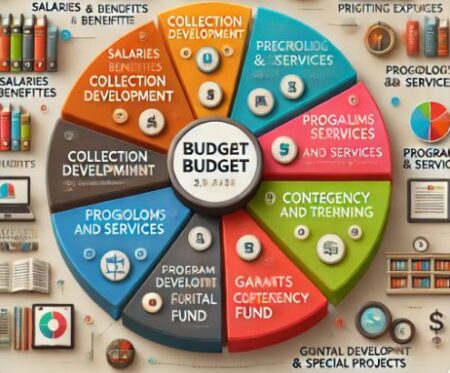
Institutional policies have a profound influence on how funds are allocated within academic libraries, as they set the framework for financial decision-making and resource distribution. These policies, shaped by the university’s missions, strategic priorities, and national education directives, ensure that the library’s financial activities align with the broader academic and administrative goals of the institution. For example, a university with a strong emphasis on research excellence may prioritize funding for digital databases, such as Scopus, Web of Science, or Elsevier ScienceDirect, to strengthen its research capacity. Conversely, an institution focusing on teaching and learning innovation may allocate more resources to developing learning commons, digital literacy programs, or instructional technology within the library.
Moreover, institutional policies on digital transformation often lead libraries to invest in IT infrastructure, institutional repositories (e.g., DSpace), or integrated library systems (e.g., Koha or Ex Libris Alma) to enhance access and service delivery. Policies on human resource development may influence budget allocations for professional training, conference participation, or skill development programs for library staff. At North South University (NSU), for instance, policy-driven initiatives supporting research visibility and student engagement have guided the library in investing in tools such as Turnitin, OpenAthens, and Google Dialogflow-based chatbots. Similarly, compliance policies, such as procurement rules, audit requirements, and sustainability mandates, affect how libraries distribute funds across vendors, maintenance, and eco-friendly operations.
What Factors Influence the Allocation of Funds in an Academic Library Budget?
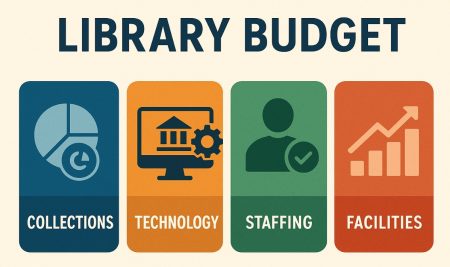
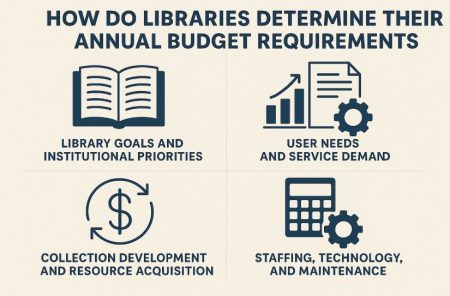
Budget allocation in academic libraries is a complex process shaped by a combination of institutional goals, user needs, technological advancements, and economic realities. Academic libraries serve as integral components of higher education institutions, and their financial decisions must align with the university’s overall mission and strategic direction. Several interrelated factors determine how funds are distributed among collections, staff, technology, and infrastructure to ensure effective service delivery and long-term sustainability.
- Institutional Policies and Strategic Priorities: Institutional policies serve as the foundation for all budgeting decisions. The library’s financial planning is closely tied to the university’s strategic goals—whether those emphasize research excellence, teaching innovation, or digital transformation. For instance, a university prioritizing research output may allocate more funds to electronic resources, such as Scopus, Elsevier ScienceDirect, or ProQuest Dissertations & Theses, while another institution focusing on undergraduate learning might channel more resources into textbooks, information literacy programs, or collaborative study spaces. Additionally, policy frameworks concerning financial accountability, procurement, and sustainability directly influence the scope and direction of library spending.
- Collection Development and Resource Costs: The continuous rise in the cost of scholarly materials, especially electronic journals and databases, heavily impacts library budgets. Decisions on fund allocation often revolve around balancing print and digital resources based on user preferences and academic demand. Libraries also rely on usage statistics, citation data, and faculty recommendations to inform their subscription priorities. In some cases, participation in consortia or national licensing programs helps optimize expenditure by sharing costs across institutions.
- Technological Advancements and Digital Transformation: The growing dependence on digital platforms has shifted budget priorities toward technology-based services. Libraries are increasingly investing in integrated library systems (e.g., Koha or Ex Libris Alma), institutional repositories (e.g., DSpace), and AI-powered tools, such as chatbots and recommendation systems. Funding is also required for server maintenance, cybersecurity, and software licensing. For example, North South University Library’s implementation of Google Dialogflow-based chatbots and OpenAthens remote access reflects how technological innovation directly influences budgeting choices.
- Human Resources and Staff Development: Personnel costs constitute a significant portion of any academic library’s budget. Allocations are made for salaries, benefits, professional development, and staff training. As library roles evolve from traditional cataloging to data management, digital literacy instruction, and research support, continuous investment in skill enhancement becomes essential. Supporting staff participation in conferences, workshops, and certification programs ensures that librarians remain equipped to manage emerging technologies and changing user needs.
- User Needs and Service Demand: The nature of the academic community that the library serves—students, faculty, and researchers—also shapes fund allocation. Libraries conduct surveys, usage analyses, and feedback assessments to determine priority areas for investment. For instance, increased student demand for online learning materials during and after the COVID-19 pandemic prompted many libraries to expand e-book collections and online service delivery platforms.
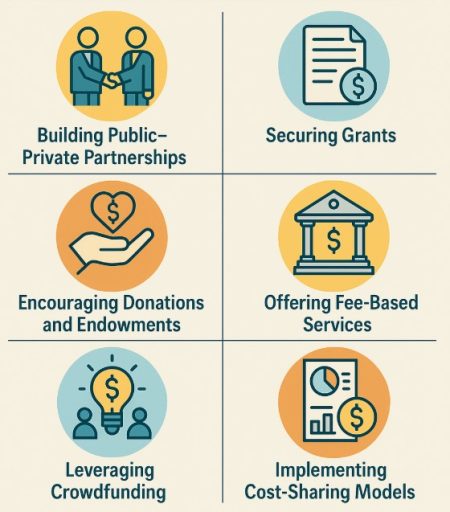
- External Economic and Environmental Factors: Economic conditions, such as inflation, currency fluctuations, and national education funding policies, can significantly impact library budgets. In countries where library materials are imported, variations in the exchange rate can significantly alter purchasing power. Moreover, external grants, donations, and endowments often supplement institutional funding, enabling libraries to initiate special projects or acquire high-cost resources that would otherwise be unattainable through regular budgets.
- Evaluation, Accountability, and Performance Metrics: Effective budgeting in academic libraries also depends on ongoing assessment and accountability mechanisms. Libraries are increasingly using data-driven approaches, such as cost-per-use analysis, performance indicators, and return-on-investment (ROI) models, to justify expenditures and plan future budgets. Transparent reporting and alignment with institutional audit standards ensure financial integrity and stakeholder trust.
The allocation of funds in academic libraries is influenced by a dynamic interplay of institutional strategy, user expectations, technological change, and economic context. A well-planned library budget not only sustains daily operations but also drives innovation, accessibility, and academic excellence. As higher education continues to evolve in the digital age, libraries must adopt flexible and forward-thinking budgeting practices that align with institutional goals while meeting the diverse and expanding needs of their academic communities.
How Do a Library’s Strategic Goals and Vision Statements Influence Budget Allocation Decisions?
A library’s strategic goals and vision statements play a vital role in shaping how its budget is planned and allocated. Budgeting in an academic library is not just about balancing income and expenses; it is a strategic process that reflects the institution’s mission, aspirations, and priorities. The vision statement defines what the library strives to become in the long term, while strategic goals translate that vision into measurable actions. When a library envisions itself as a leader in digital scholarship, for example, it directs more funds toward acquiring electronic databases, building institutional repositories, and improving digital access systems. Likewise, a vision focused on enhancing student learning encourages investment in information literacy programs, collaborative learning spaces, and user-centered services.
Strategic goals serve as a roadmap for distributing resources effectively. Each objective, whether it involves advancing research support, improving user experience, or adopting sustainable practices, requires dedicated financial backing. For instance, if a library’s goal is to promote research visibility and academic integrity, funds may be directed to platforms such as Turnitin, Scopus, or DSpace repositories. Similarly, a focus on technological innovation could justify investments in integrated library systems, such as Koha, AI-powered chatbots, or RFID circulation systems. The alignment between strategic planning and budget allocation ensures that spending decisions are not random but are tied to clearly defined outcomes that benefit the academic community.
Moreover, the library’s strategic goals are closely linked to the university’s broader mission and institutional priorities. When a university emphasizes research excellence, global engagement, or digital transformation, the library adjusts its budget to support these ambitions. North South University Library, for instance, has aligned its financial decisions with institutional goals by funding OpenAthens for remote access and Google Dialogflow-based chatbots for improved user interaction. At the same time, libraries must strike a balance between innovation and sustainability- ensuring that while they adopt new technologies, they also maintain essential services, such as print collections, preservation, and study spaces.
Human resource development is another area shaped by strategic goals. Libraries that prioritize staff training and professional growth allocate part of their budget to workshops, conferences, and specialized certifications. These investments ensure that library staff can adapt to changing technologies and evolving service models. Additionally, data-driven assessment has become a central component of financial planning. Libraries increasingly rely on performance metrics, usage statistics, and return-on-investment (ROI) analysis to ensure that each expenditure supports the library’s strategic vision and yields measurable results.