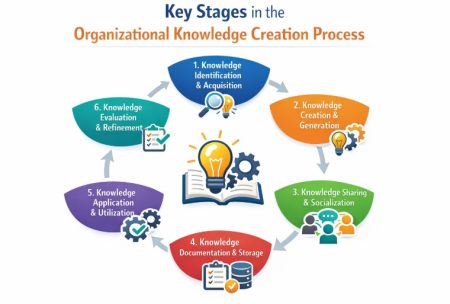
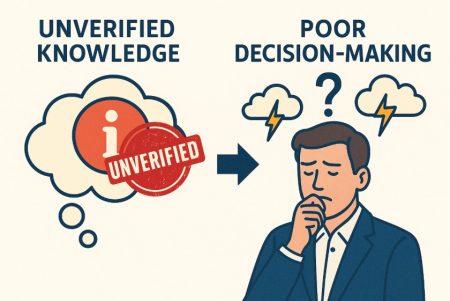
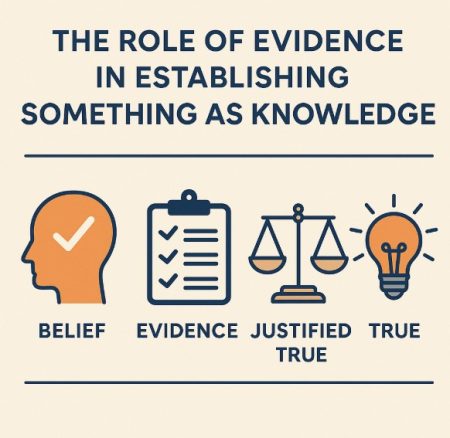
Knowledge transfer is the process through which knowledge, expertise, skills, and experiences are shared and disseminated within an organization or between individuals. It involves the movement of both explicit knowledge, which is easily documented and communicated, and tacit knowledge, which is more personal, experiential, and difficult to articulate. For instance, explicit knowledge can include manuals, reports, and guidelines, while tacit knowledge might involve the problem-solving techniques or insights gained from years of experience, such as how a senior engineer addresses specific design challenges. The goal of knowledge transfer is to ensure that valuable information is passed on, retained, and applied effectively, thereby enhancing organizational performance, innovation, and continuity.
This process can occur in various forms, including formal training programs, mentoring, collaboration, or through digital tools that facilitate communication and information sharing. For example, a company might implement a mentorship program where senior employees guide newer team members, helping them understand complex procedures or company culture. Alternatively, an organization may utilize a knowledge management system where employees can access documents and best practices shared by colleagues. Another example is in academia, where researchers transfer knowledge through collaborative papers or through seminars and conferences where they present their findings and methodologies.
Knowledge transfer is critical for organizations to maintain their competitive edge, especially in environments where rapid technological change or employee turnover is common. For example, a tech company might face challenges in transferring knowledge when an expert programmer leaves the company, potentially causing disruptions. However, if the organization has implemented structured knowledge-sharing systems, like internal documentation or collaborative platforms, new employees can quickly adapt and learn from previous work. Effective knowledge transfer not only fosters continuous learning but also helps in preserving intellectual capital, ensuring that vital knowledge is not lost and that it can be used to solve problems, drive improvements, and facilitate decision-making. For instance, a healthcare organization might use knowledge transfer to share new medical procedures and patient care practices across its network, ensuring that high-quality standards are consistently met in all its facilities.
What is Knowledge Transfer?
Knowledge transfer is the process through which individuals or organizations share, distribute, and disseminate knowledge, expertise, and skills to others. It aims to ensure that valuable information is passed from one person or group to another, enabling the recipient to use, apply, and build upon this knowledge. This process is essential in both personal and organizational contexts as it helps preserve critical knowledge, foster innovation, and ensure continuity, especially during transitions such as employee turnover or technological changes.
At its core, knowledge transfer involves two types of knowledge: tacit and explicit. Tacit knowledge is the personal, experiential knowledge that is difficult to formalize and communicate, such as the intuition and expertise developed over years of practice. Explicit knowledge, on the other hand, can be easily documented, communicated, and shared, such as manuals, reports, or databases. A common example of knowledge transfer might be a senior employee mentoring a junior colleague, where tacit knowledge, such as problem-solving strategies or company-specific practices, is transferred informally. Alternatively, explicit knowledge can be transferred through training sessions, workshops, or written materials like policy documents or instructional guides.
Effective knowledge transfer is crucial for organizations to maintain efficiency, foster innovation, and remain competitive in rapidly evolving industries. For example, in technology firms, knowledge transfer ensures that technical know-how is not lost when experienced engineers retire or leave. Similarly, academic institutions rely on knowledge transfer to pass on research methodologies, teaching techniques, and new discoveries to future generations of scholars. In today’s digital age, organizations increasingly rely on technology to facilitate knowledge transfer, utilizing platforms like knowledge management systems, collaborative tools, and online learning resources to streamline the process and make knowledge more accessible.
Why Knowledge Transfer is Important in Organizational Settings?
Knowledge transfer is a crucial element in organizational settings, playing a significant role in maintaining business continuity, enhancing efficiency, and driving innovation. One of its primary functions is to prevent the loss of valuable knowledge, especially during transitions such as employee turnover or retirements. Without an organized approach to transferring knowledge, organizations risk losing critical expertise and insights that can affect productivity and operations. For example, when an experienced engineer leaves a company without passing on their knowledge, the organization could face setbacks in project timelines or struggle with problem-solving. By facilitating structured knowledge transfer, organizations can ensure the continuity of essential information and avoid disruptions. Moreover, knowledge transfer accelerates innovation and process improvements. When employees across departments or locations share their expertise, it can lead to new ideas and better solutions. In research and development, for instance, collaborative knowledge-sharing often results in the creation of innovative products or services. By promoting the exchange of best practices, companies can enhance efficiency, reduce redundancies, and ensure that everyone works with the most up-to-date methods.
Knowledge transfer is integral to employee development and engagement. It provides opportunities for learning and growth through mentoring, training, and collaborative projects, helping employees expand their skills and knowledge. This not only boosts their professional growth but also fosters a culture of continuous learning within the organization. For example, a company might implement a knowledge-sharing system where employees contribute to internal knowledge bases or participate in regular exchange sessions. This culture of learning can improve employee motivation and engagement, as individuals feel more connected to the organization’s success. In addition, knowledge transfer supports effective decision-making and problem-solving. By ensuring that relevant expertise is shared across teams, decision-makers are better equipped to make informed, strategic choices. For example, executives can leverage insights from various departments, such as marketing or operations, to make decisions that align with company goals. Knowledge transfer also enhances problem-solving by enabling employees to access past experiences and apply lessons learned to new challenges.
Moreover, knowledge transfer fosters a collaborative and inclusive culture within an organization. When knowledge is viewed as a shared resource, employees are more likely to contribute and collaborate, which can lead to greater creativity and teamwork. A culture of knowledge sharing encourages cross-functional collaboration, where diverse teams come together to tackle complex problems. Additionally, knowledge transfer is essential for adapting to technological changes. As businesses adopt new technologies, employees must be equipped with the necessary skills to use them effectively. Knowledge transfer ensures that all employees, regardless of their role, are trained to leverage new tools and systems, helping the organization stay competitive and agile in a rapidly evolving market. In sum, knowledge transfer is a cornerstone of organizational success, ensuring that critical knowledge is retained, shared, and applied in ways that drive efficiency, innovation, and growth. By prioritizing knowledge transfer, organizations can build resilience and continue to thrive in a dynamic business environment.
How Does Knowledge Transfer Differ from Knowledge Sharing and Knowledge Management?
Knowledge transfer, knowledge sharing, and knowledge management are closely related concepts, but they each play distinct roles within an organization. Knowledge transfer refers to the process of moving knowledge from one person, group, or organization to another, ensuring that the knowledge is effectively passed along and applied. This can involve both explicit knowledge, which is easily documented, and tacit knowledge, which is often experiential and harder to articulate. Knowledge transfer tends to be a more formalized process, typically occurring when essential knowledge needs to be passed on, such as when an employee leaves or transitions into a new role. For instance, in a manufacturing company, an experienced worker might transfer specialized skills to a new employee to ensure the continuation of quality work.
On the other hand, knowledge sharing is a more informal, two-way exchange of knowledge among individuals or groups. Unlike knowledge transfer, which focuses on the one-way movement of knowledge, knowledge sharing fosters collaboration, discussion, and the collective refinement of ideas. It is often driven by a culture of openness and mutual trust, where employees voluntarily share their insights and expertise. For example, team members in a software company might engage in daily stand-up meetings to share coding techniques, problem-solving strategies, or project updates, benefiting from the diverse perspectives of their colleagues. Knowledge sharing is less structured and tends to occur spontaneously in a collaborative environment.
Knowledge management (KM), however, is a broader, organization-wide approach to creating, capturing, organizing, sharing, and applying knowledge effectively. Unlike the more specific processes of knowledge transfer and sharing, knowledge management involves a strategic framework that ensures the proper storage and accessibility of knowledge across the organization. It includes the creation of knowledge repositories, the implementation of systems and platforms to facilitate knowledge sharing, and the establishment of policies and procedures that support continuous learning. For example, a company might implement an enterprise resource planning (ERP) system to centralize knowledge and make it accessible to employees across departments, ensuring that everyone has the information needed to perform their roles effectively.
The key difference between these concepts lies in their scope and formality. Knowledge transfer is typically formal and planned, focusing on the transmission of essential knowledge, while knowledge sharing is informal, emphasizing collaborative exchanges. Knowledge management, in contrast, is an overarching organizational strategy that encompasses both knowledge transfer and sharing and aims to create a culture of continuous learning and improvement. The goal of knowledge transfer is to ensure the retention and application of vital knowledge, particularly during times of change, while knowledge sharing encourages collaboration and problem-solving. Knowledge management seeks to optimize the use of knowledge throughout the organization to enhance performance, innovation, and competitive advantage. By understanding these distinctions, organizations can develop a comprehensive approach to managing knowledge that maximizes its value and impact.
Key Methods and Strategies for Effective Knowledge Transfer
Effective knowledge transfer is essential for organizations aiming to retain critical expertise, ensure continuity, and foster innovation. The process of transferring knowledge from one individual or group to another requires thoughtful methods and strategies to ensure that the knowledge is not only communicated but also understood, retained, and applied effectively. There are various methods and strategies that organizations can use to facilitate the smooth transfer of both explicit and tacit knowledge. These methods can be formal or informal, and they often depend on the nature of the knowledge being transferred, the individuals involved, and the context of the transfer. Below are some of the most commonly used methods and strategies for effective knowledge transfer.
- Mentoring and Coaching: Mentoring and coaching are among the most effective methods for transferring tacit knowledge. In these relationships, more experienced employees (mentors or coaches) share their expertise, skills, and insights with less experienced individuals. These methods allow for personalized, one-on-one transfer of knowledge, where the mentor or coach can tailor the information to the needs and learning pace of the mentee. For example, a senior engineer might mentor a junior engineer, imparting critical problem-solving techniques, industry insights, and technical know-how that cannot easily be documented. The interactive and personalized nature of mentoring and coaching makes it highly effective for transferring knowledge that is experiential and difficult to formalize.
- Formal Training and Workshops: Formal training programs and workshops are structured, planned methods used to transfer explicit knowledge across an organization. These sessions often involve presentations, demonstrations, and hands-on practice that allow employees to learn new concepts, tools, or processes. For instance, a company might organize a training session to teach employees how to use new software, ensuring that all team members are equipped with the skills needed to perform their roles effectively. Workshops are particularly useful for transferring knowledge that is standardized and can be documented, such as operating procedures, safety protocols, or technical specifications. By formalizing the knowledge transfer process, training sessions ensure that employees receive consistent information and have the opportunity to clarify doubts in a controlled environment.
- Knowledge Repositories and Documentation: Knowledge repositories and documentation serve as centralized resources where employees can access valuable information and knowledge. These platforms can house manuals, best practices, policies, research papers, and other documents that are useful for employees in their day-to-day work. For example, an organization may develop an intranet-based knowledge management system where employees can easily search for technical guides, case studies, or industry reports. This method is particularly useful for transferring explicit knowledge that can be codified and stored for future reference. By creating easily accessible repositories, organizations ensure that knowledge is not only transferred but also retained and readily available to all employees when needed.
- Job Rotation and Cross-Training: Job rotation and cross-training involve moving employees between different roles or departments within the organization. This method facilitates the transfer of knowledge across different areas of the business, allowing employees to gain a broader understanding of various functions and processes. For instance, a marketing employee might rotate into the sales department for a few months to gain a deeper understanding of customer interactions and product positioning. Through these experiences, employees acquire new knowledge that they can apply to their primary role. Job rotation and cross-training are particularly useful for building a versatile workforce and ensuring that critical knowledge is shared across departments, reducing the risks associated with turnover or employee absence.
- Communities of Practice: Communities of practice (CoPs) are informal groups of individuals who share common interests or expertise in a particular domain. These communities foster knowledge transfer through regular interaction, collaboration, and the sharing of experiences and insights. CoPs allow employees to engage in discussions, exchange ideas, and solve problems together. For example, an organization may establish a CoP for its IT staff, where they can regularly meet to share technical challenges, solutions, and new developments in the field. This informal method encourages knowledge transfer through social interactions and creates an environment of continuous learning and knowledge sharing.
- Knowledge Sharing Platforms and Collaboration Tools: In today’s digital age, technology plays a significant role in facilitating knowledge transfer. Knowledge sharing platforms, such as internal forums, wikis, and collaborative tools, enable employees to share information, ask questions, and collaborate on projects in real-time. For example, a company might use platforms like Microsoft Teams or Slack to allow employees to communicate, share documents, and collaborate on projects. These tools help bridge geographical gaps, enabling knowledge transfer across different locations and time zones. Such platforms also support the exchange of both explicit and tacit knowledge, as employees can share documents and resources as well as engage in informal discussions or brainstorming sessions.
- Storytelling and Best Practice Sharing: Storytelling is a powerful method for transferring tacit knowledge, as it enables individuals to share experiences, challenges, and successes in a narrative format. When an individual shares a story about a specific project, client interaction, or problem-solving experience, they provide context, emotions, and insights that make the knowledge more memorable and relatable. For example, a project manager might share a story about how they overcame significant challenges during a complex project, offering valuable lessons about leadership, communication, and decision-making. By incorporating storytelling into knowledge transfer, organizations can make the learning process more engaging and ensure that key lessons are not forgotten.
- Exit Interviews and Knowledge Transfer Plans: Exit interviews and knowledge transfer plans are essential for capturing and transferring knowledge when an employee leaves the organization. These processes involve structured discussions where departing employees document their knowledge, share insights with their successors, and provide advice on how to handle ongoing projects or responsibilities. This method ensures that valuable knowledge is not lost during employee turnover. For example, a senior project manager might document their key contacts, project timelines, and operational processes to ensure that a new project manager can step in and take over with minimal disruption. In addition to formal exit processes, organizations may establish knowledge transfer plans to ensure that critical knowledge is passed on during the transition period.
- Learning by Doing and Simulation: Learning by doing and simulation-based methods are highly effective for transferring practical, hands-on knowledge. These methods involve creating real-world scenarios where employees can practice applying knowledge in a controlled, risk-free environment. For instance, a healthcare organization might use simulations to train medical staff on emergency procedures, allowing them to practice decision-making and critical skills without the risk of harming patients. By engaging employees in real-life scenarios, organizations can enhance the transfer of knowledge in complex or high-stakes environments, ensuring that employees are prepared for actual challenges.
Effective knowledge transfer is vital for maintaining organizational continuity, improving performance, and fostering innovation. By using a variety of methods such as mentoring, formal training, knowledge repositories, and job rotation, organizations can ensure that knowledge is not only shared but also understood and applied. The right mix of methods will depend on the type of knowledge being transferred, the people involved, and the organizational context. Ultimately, a strategic approach to knowledge transfer enables organizations to retain valuable expertise, adapt to change, and maintain a competitive advantage.
How do Individuals and Organizations Ensure the Retention of Critical Knowledge during Transitions (e.g., Employee Turnover)?
Employee turnover, whether due to retirement, resignation, or role changes, poses significant challenges for organizations, especially when key employees leave. Not only do they take their job-specific skills with them, but they also carry valuable organizational knowledge—both tacit and explicit—that is often difficult to replace. This knowledge loss can disrupt business operations, impact productivity, and hinder innovation. However, organizations and individuals can adopt proactive strategies to ensure the retention of critical knowledge during these transitions. By implementing a combination of well-structured methods, businesses can mitigate the risks associated with turnover and maintain continuity. One effective strategy is the creation of knowledge transfer plans. These plans help organize and formalize the process of transferring essential knowledge from the departing employee to a successor or team. By documenting key tasks, responsibilities, and project details, departing employees ensure their successors have the necessary information to seamlessly step into the role. Structured mentoring and succession planning are also crucial, particularly for preserving tacit knowledge. Senior employees can mentor junior staff, imparting both technical skills and organizational insights. Through succession planning, organizations can prepare high-potential employees to take on leadership roles, ensuring that valuable knowledge remains within the organization.
In addition to these strategies, comprehensive documentation of processes, systems, and best practices is essential for retaining critical knowledge. By maintaining clear, accessible records, organizations can ensure that essential information does not rely solely on individual memory. Knowledge management systems (KMS) or centralized repositories can store important documents, making them accessible even after an employee’s departure. Technology, particularly collaboration tools and KMS, allows employees to store, share, and update key resources, promoting continuous knowledge retention. Exit interviews provide another opportunity to capture knowledge directly from departing employees. These interviews are an ideal time to gather insights on ongoing projects, key processes, and lessons learned, while structured knowledge capture sessions can help document this information for future use. Additionally, strategies like cross-training and job rotation allow employees to gain a broader understanding of the organization’s operations, ensuring that knowledge is distributed and reducing dependency on any single individual.
Fostering a culture of knowledge sharing is also integral to long-term knowledge retention. When employees are encouraged to share insights and expertise regularly, knowledge becomes a collective resource that is less reliant on specific individuals. Regular team meetings, knowledge-sharing sessions, and collaborative projects can help facilitate this exchange. Finally, onboarding and continuous learning programs are essential for ensuring that new employees are quickly equipped with the necessary knowledge to succeed in their roles. During onboarding, new hires should be introduced to systems, processes, and the company culture, while continuous learning ensures that employees remain up-to-date with industry trends and internal practices. Through these proactive strategies—knowledge transfer, mentoring, documentation, technology, and fostering a collaborative learning culture—organizations can retain their critical knowledge and remain resilient during periods of transition.
Challenges in Knowledge Transfer and How They Can Be Overcome
Knowledge transfer is crucial for ensuring organizational continuity, fostering innovation, and maintaining competitive advantage. However, despite its importance, knowledge transfer can be fraught with challenges that hinder its effectiveness. These challenges arise from a variety of factors, including organizational culture, technological limitations, and interpersonal dynamics. Fortunately, these challenges can be mitigated with thoughtful strategies and a clear approach. Let’s explore some of the common obstacles faced during knowledge transfer and offer solutions for overcoming them.
- Lack of Clear Knowledge Transfer Framework: One of the primary challenges in knowledge transfer is the absence of a structured framework or process to guide it. Without a clear plan, organizations often rely on informal or ad-hoc methods of knowledge sharing, which can lead to inconsistencies and inefficiencies. In some cases, valuable knowledge may not be passed on at all, leaving gaps in understanding and expertise.
Solution: To overcome this challenge, organizations should establish formal knowledge transfer processes and frameworks. This includes developing standardized procedures, such as creating knowledge transfer plans that outline the necessary steps for capturing, documenting, and sharing knowledge. These plans should specify roles and responsibilities, timelines, and key milestones to ensure that critical knowledge is transferred effectively. A well-defined framework can ensure consistency and reduce the risk of knowledge loss. - Knowledge Hoarding and Resistance to Sharing: Another significant barrier to effective knowledge transfer is knowledge hoarding, where employees or teams are reluctant to share their knowledge with others. This may occur due to fear of losing job security, a lack of trust, or competition among colleagues. In such cases, employees may be protective of their knowledge, hindering the free flow of information within the organization.
Solution: Overcoming knowledge hoarding requires a shift in organizational culture. Organizations should encourage a culture of openness, collaboration, and mutual trust, where knowledge sharing is seen as a collective benefit rather than a personal loss. Leaders play a crucial role in setting the tone by promoting knowledge sharing through incentives, recognition, and leading by example. Establishing knowledge-sharing platforms and creating a non-judgmental environment where employees feel safe to share insights and ask questions can also help break down these barriers. - Difficulty in Transferring Tacit Knowledge: Tacit knowledge, which is often personal, experiential, and difficult to articulate, poses one of the most significant challenges in knowledge transfer. Unlike explicit knowledge, which can be written down or documented, tacit knowledge is often transferred through direct interaction and personal experience. For example, a seasoned employee might possess unique problem-solving techniques or intuition about a particular process that cannot be easily communicated in written form.
Solution: To address this challenge, organizations should focus on creating opportunities for face-to-face interactions, mentorship, and coaching, where tacit knowledge can be shared more effectively. Job shadowing, apprenticeship programs, and mentorship initiatives are valuable ways to transfer tacit knowledge, as they allow employees to learn by observing experienced colleagues. Additionally, organizations can encourage the use of storytelling, case studies, and experiential learning to capture and share tacit knowledge in a more accessible format. - Technological Barriers: In today’s digital age, technology plays a key role in facilitating knowledge transfer. However, technological limitations can hinder the smooth transfer of knowledge. Employees may struggle with outdated systems, complex software, or a lack of access to the right tools. Even when technology is available, employees might not be adequately trained to use it, leading to inefficiencies in knowledge sharing.
Solution: To overcome technological barriers, organizations must invest in user-friendly knowledge management systems (KMS) and collaboration tools that streamline knowledge sharing. It is essential to ensure that these platforms are intuitive and accessible to all employees. Furthermore, organizations should provide proper training and ongoing support to ensure that employees can use these tools effectively. Regular system updates and technological enhancements are also necessary to keep up with evolving needs and ensure that technology remains an enabler rather than a hindrance to knowledge transfer. - Time Constraints and Overwork: In many organizations, employees are overwhelmed with their day-to-day tasks and may not have the time or bandwidth to engage in knowledge transfer activities. When employees are overburdened, they may prioritize immediate tasks over the process of sharing knowledge, especially if they perceive it as time-consuming or non-essential to their immediate goals.
Solution: To mitigate this issue, organizations should integrate knowledge transfer activities into the workflow and make them a priority. This can include setting aside dedicated time for knowledge-sharing sessions, making knowledge transfer part of performance evaluations, and incentivizing employees for participating in transfer activities. Additionally, creating an environment where knowledge transfer is seen as an integral part of the organizational process, rather than an optional task, can encourage employees to prioritize it. - Lack of Motivation and Incentives: Without proper motivation or incentives, employees may be less inclined to engage in knowledge transfer. If employees do not see the value in sharing their expertise or feel that their efforts will not be recognized, they may be less likely to participate in knowledge transfer initiatives.
Solution: Organizations can overcome this challenge by implementing a reward system that recognizes and incentivizes knowledge sharing. This could include monetary rewards, recognition in performance reviews, or opportunities for career advancement. Additionally, creating a sense of purpose by linking knowledge transfer to organizational success and employee development can increase motivation. When employees understand the broader impact of their contributions, they are more likely to engage in knowledge-sharing behaviors. - Organizational Silos: Many organizations suffer from departmental or functional silos, where knowledge is hoarded within specific teams or departments, making it difficult to transfer knowledge across boundaries. Employees may be unwilling to share information with other departments due to a lack of trust, competition, or a lack of communication channels.
Solution: To break down silos, organizations should foster cross-functional collaboration and encourage a more integrated approach to knowledge sharing. This can be achieved by creating cross-departmental teams, organizing company-wide knowledge-sharing events, and implementing enterprise-wide communication platforms. Leadership must also play an active role in promoting a collaborative mindset by emphasizing the importance of sharing knowledge across teams and aligning departmental goals with the organization’s overall objectives. - Knowledge Loss Due to Employee Turnover: Employee turnover, particularly when senior employees leave, can lead to the loss of critical knowledge, especially if the knowledge transfer process was not managed effectively. New employees may struggle to fill the knowledge gap, leading to inefficiencies and delays.
Solution: To prevent knowledge loss due to turnover, organizations should focus on proactive knowledge retention strategies such as documenting processes, creating knowledge repositories, and ensuring that knowledge transfer is part of the employee exit process. Additionally, succession planning and mentorship programs can help ensure that high-potential employees are prepared to take over key roles when turnover occurs. By preparing for turnover in advance, organizations can minimize the impact of knowledge loss.
Effective knowledge transfer is essential for maintaining continuity, fostering innovation, and ensuring organizational success. However, as with any process, it comes with its own set of challenges. These challenges- ranging from lack of structure and resistance to sharing, to technological barriers and time constraints-can be overcome with the right strategies. By fostering a culture of collaboration, investing in technology, creating clear frameworks, and providing incentives for knowledge sharing, organizations can address these obstacles and ensure that critical knowledge is successfully transferred. In doing so, organizations can build a more resilient, adaptable workforce and position themselves for long-term success.
How can Knowledge Transfer be Measured or Evaluated within an Organization?
Measuring and evaluating knowledge transfer within an organization is essential to ensure that the process is effective and aligned with organizational goals. One of the first steps in this process is setting clear objectives and key results (OKRs) for knowledge transfer activities. These objectives should directly align with the organization’s broader goals, such as improving employee competency or retaining critical knowledge during transitions. For example, if the goal is to ensure that technical knowledge is retained after an employee departs, key results might include ensuring that all relevant documentation is updated and accessible. By clearly defining what success looks like, organizations can assess whether knowledge transfer activities are achieving their intended outcomes.
Another critical way to measure knowledge transfer is by tracking knowledge utilization. This involves monitoring how frequently employees use the knowledge that has been transferred to them. For instance, an organization might track how often employees access knowledge management systems, download documents, or interact with shared content on collaborative platforms. The frequency of these interactions provides insights into whether the knowledge is being actively used in daily tasks. Similarly, organizations can measure the effectiveness of knowledge transfer by conducting surveys and collecting feedback from employees who participate in these activities. Surveys can assess the clarity, relevance, and usefulness of the knowledge shared, as well as employees’ satisfaction with the knowledge transfer process.
Evaluating employee performance and competency is another way to measure knowledge transfer success. If employees who have received knowledge transfer show improvements in job performance, problem-solving abilities, or the successful application of new knowledge, it indicates that the transfer process has been effective. Performance evaluations and competency assessments can help identify whether the knowledge shared has been applied successfully and whether employees are demonstrating the expected improvements in their roles. Additionally, knowledge retention is a key area of measurement. It’s important for organizations to assess whether the knowledge transferred is retained over time. Periodic assessments, quizzes, or practical tests can help measure how well employees remember and apply the knowledge, ensuring that it has been effectively internalized.
Organizations can also measure knowledge transfer by analyzing knowledge-sharing behavior. This includes tracking how often employees contribute to collaborative platforms, share insights, or engage in discussions with their peers. The frequency and quality of these interactions can reveal how actively employees are using and disseminating the knowledge they’ve acquired. In addition to measuring individual behaviors, the broader organizational impact of knowledge transfer should be evaluated. For example, improvements in efficiency, reduced errors, or increased innovation can be indicators that knowledge transfer has contributed positively to organizational outcomes. Tracking performance indicators such as productivity levels, customer satisfaction, or innovation rates provides a clear picture of how knowledge transfer influences business success.
Finally, calculating the return on investment (ROI) for knowledge transfer initiatives is essential to determine whether the resources invested in these activities are yielding positive results. By comparing the costs of implementing knowledge transfer activities—such as training, technology, and time spent—against the benefits gained, such as increased productivity or reduced turnover, organizations can assess whether knowledge transfer initiatives are financially justified. A positive ROI demonstrates that knowledge transfer is delivering value, while a low or negative ROI might indicate a need for improvement in the knowledge transfer process.
How Organizational Culture Impacts the Success of Knowledge Transfer Initiatives
Organizational culture plays a crucial role in determining the success of knowledge transfer initiatives, as it directly influences how effectively knowledge is shared, retained, and applied across an organization. One of the key cultural elements that impact knowledge transfer is the level of openness and transparency within the organization. In environments where knowledge is freely shared and information flows openly between teams and departments, knowledge transfer is much more likely to be successful. Employees in such organizations feel encouraged to share ideas and expertise without fear of judgment or retribution. In contrast, when an organization has a culture of secrecy or siloed departments, employees may hesitate to share valuable knowledge, which hampers the knowledge transfer process. Therefore, organizations that foster a culture of openness and transparency ensure that employees feel comfortable exchanging knowledge, making the transfer process smoother and more effective.
Trust is another fundamental cultural component that impacts knowledge transfer. In organizations where trust is high, employees are more likely to engage in knowledge-sharing activities because they believe their knowledge will be used effectively and not exploited. Trust encourages collaboration and facilitates the free exchange of ideas between individuals, teams, and departments. For example, employees in a high-trust organization may be more willing to share tacit knowledge, such as personal experiences or problem-solving techniques, because they trust their colleagues will use this knowledge appropriately. On the other hand, in organizations where trust is low, employees may withhold critical knowledge due to fear of misuse or misunderstanding, which can hinder knowledge transfer. Therefore, cultivating a culture of trust is essential for creating an environment where knowledge transfer is seen as a collaborative and positive activity rather than a risk.
Leadership support also plays a pivotal role in shaping organizational culture and influencing the success of knowledge transfer. When leaders actively promote and support knowledge-sharing activities, they set a strong example for employees to follow. Leaders who share their knowledge, encourage collaboration, and allocate resources for knowledge transfer initiatives signal that these activities are valued. For instance, a leader who participates in mentoring programs or encourages employees to contribute to knowledge-sharing platforms demonstrates the importance of knowledge transfer. On the contrary, if leadership fails to prioritize knowledge sharing, or if leaders hoard knowledge or are unapproachable, employees are less likely to engage in these activities. Leadership support and role modeling create an environment where knowledge transfer becomes an integral part of the organizational culture, thus improving the chances of success for knowledge transfer initiatives.
Collaboration, too, is a key aspect of organizational culture that influences knowledge transfer. In cultures where collaboration is emphasized, employees from various departments and backgrounds work together to share knowledge and solve problems collectively. Collaborative work environments encourage knowledge transfer because employees recognize the value of combining their expertise to achieve organizational goals. In such cultures, employees actively participate in team meetings, brainstorming sessions, and collaborative projects where knowledge sharing is encouraged. However, in organizations where individual performance is prioritized over teamwork, employees may hesitate to share knowledge, fearing that it could compromise their personal success. Fostering a culture of collaboration ensures that knowledge flows freely between individuals and departments, making knowledge transfer more effective and impactful.
Recognition and incentives for knowledge sharing are also essential for encouraging employees to engage in knowledge transfer. If employees are not motivated to share their knowledge, they may not see the value in participating in knowledge transfer activities. Organizations that recognize and reward employees for sharing knowledge create an environment where employees are encouraged to contribute their expertise, knowing their efforts will be valued. For example, an organization might implement a reward system, offering formal recognition, bonuses, or career advancement opportunities for employees who actively participate in knowledge-sharing initiatives. When knowledge sharing is recognized and incentivized, employees are more likely to engage in the process, thereby enhancing the overall success of knowledge transfer.
Lastly, a culture of adaptability and continuous learning is vital for the success of knowledge transfer. In organizations where employees are encouraged to learn and develop new skills, knowledge transfer becomes an ongoing process rather than a one-time event. These organizations prioritize personal and professional growth, creating an environment where employees are open to acquiring and sharing new knowledge. For instance, companies that offer regular training sessions, provide access to learning resources, and support employee development ensure that knowledge transfer is ingrained in the organizational culture. In contrast, organizations that resist change or discourage learning may find it difficult to share or apply new knowledge, impeding the effectiveness of knowledge transfer initiatives.
Can Knowledge Transfer Lead to Innovation Within an Organization? How?
Yes, knowledge transfer can significantly contribute to innovation within an organization. By facilitating the exchange of ideas, insights, and expertise, knowledge transfer creates an environment where new solutions, improvements, and innovative ideas can emerge. Innovation often thrives in organizations where employees are able to share their experiences and learnings freely, enabling the flow of both explicit and tacit knowledge. When individuals and teams share knowledge from different backgrounds or areas of expertise, they can combine their unique perspectives to develop creative solutions to problems, improve existing processes, or design new products and services.
For example, when knowledge from different departments or teams is shared—such as insights from R&D, marketing, and customer service—organizations are better equipped to create innovative products that meet customer needs or improve internal operations. Knowledge transfer also helps employees stay updated on the latest industry trends, technologies, and best practices, providing the foundation for innovative thinking and continuous improvement. Furthermore, when organizations implement systems or practices that promote knowledge sharing, such as collaborative platforms, cross-functional teams, or mentorship programs, employees are more likely to collaborate and generate novel ideas.
In addition to fostering creativity, knowledge transfer accelerates the innovation process by allowing lessons learned from past experiences to be applied to new challenges. By transferring knowledge gained from previous projects, organizations avoid reinventing the wheel, streamline their processes, and build on existing ideas. For example, a company that captures and shares best practices from one department can apply those insights to other areas, leading to process innovations that improve efficiency or reduce costs. Therefore, knowledge transfer not only fosters a culture of collaboration but also drives continuous innovation, ensuring that organizations remain competitive and adaptable in an ever-changing market.
The Role of Leadership in Fostering Successful Knowledge Transfer Within an Organization
Leadership plays a pivotal role in fostering successful knowledge transfer within an organization. Effective leaders set the tone for the entire organization by promoting and modeling behaviors that encourage knowledge sharing, collaboration, and continuous learning. They create an environment where employees feel safe to share their expertise and insights, knowing that their contributions will be valued. By actively participating in knowledge transfer activities—such as mentoring, training sessions, or cross-departmental collaborations—leaders demonstrate the importance of knowledge sharing and set a powerful example for others to follow.
One of the key responsibilities of leaders is to establish a culture that prioritizes knowledge transfer. This can be achieved by aligning knowledge sharing with the organization’s strategic goals and ensuring that employees understand the value of knowledge transfer in driving organizational success. Leaders can facilitate this by implementing formal processes for knowledge sharing, such as knowledge management systems, regular team meetings, or collaborative projects, which encourage employees to contribute and access valuable information. Additionally, leaders must ensure that resources, time, and training are allocated to support these initiatives, reinforcing the organization’s commitment to knowledge transfer.
Leaders also play a crucial role in building trust, which is essential for successful knowledge transfer. When employees trust their leaders and colleagues, they are more likely to engage in knowledge-sharing activities. Leaders can build trust by being transparent, approachable, and supportive, and by recognizing and rewarding employees who actively contribute to knowledge transfer. Furthermore, effective leaders understand the importance of balancing knowledge retention and innovation. They ensure that valuable knowledge is preserved while also creating opportunities for new ideas to flourish. By strategically guiding knowledge transfer efforts, leaders can empower their teams, improve organizational performance, and foster a culture of continuous learning and innovation.
How Knowledge Transfer Contributes to Competitive Advantage in Businesses or Academic Institutions
Knowledge transfer plays a crucial role in gaining and maintaining competitive advantage in both businesses and academic institutions by enabling the exchange of expertise, skills, and intellectual capital. One of the key ways knowledge transfer contributes to competitive advantage is by fostering innovation and creativity. When individuals or teams share insights, ideas, and experiences, they can combine their knowledge to develop new solutions, improve existing products or services, or create breakthroughs in research. For instance, businesses that encourage cross-departmental knowledge sharing are more likely to create products that meet customer needs while improving operational processes. Similarly, academic institutions benefit from knowledge transfer between faculty members, students, and departments, which drives cutting-edge research and innovative educational programs.
Knowledge transfer also improves operational efficiency by allowing organizations to share best practices and lessons learned. This sharing reduces redundancies, streamlines processes, and helps avoid repeating costly mistakes. In businesses, this could involve transferring knowledge about successful project management techniques from one department to another, while in academic institutions, it might mean sharing effective teaching strategies across faculties to improve the overall educational experience. Furthermore, knowledge transfer accelerates problem-solving and decision-making by ensuring that employees or researchers have access to the right information at the right time. Whether in business or academia, the ability to make informed decisions quickly is a key factor in maintaining a competitive edge.
In addition to improving efficiency, knowledge transfer helps retain intellectual capital, which is one of the most valuable assets an organization can have. By ensuring that critical knowledge is transferred, particularly when experienced employees leave or retire, organizations and institutions can mitigate the risks associated with talent turnover. This ensures that knowledge is preserved and applied by the next generation, allowing for continued innovation and success. Moreover, knowledge transfer strengthens collaboration and partnerships, which further enhances competitive advantage. Businesses that engage in knowledge sharing with suppliers, partners, or even competitors through alliances or open innovation models can access new technologies and markets. In academic institutions, knowledge transfer between faculty members and external collaborators can lead to joint research projects and increased funding opportunities.
Lastly, knowledge transfer is essential for talent development and leadership succession. By transferring knowledge through mentoring, training, and development programs, organizations can ensure that future leaders are equipped to drive the organization forward. This is particularly important in businesses where leadership continuity is vital to long-term success, as well as in academic institutions that rely on the transfer of research skills and knowledge to ensure that the next generation of scholars continues to excel. In conclusion, knowledge transfer is an indispensable tool for securing a competitive advantage. It drives innovation, enhances efficiency, preserves intellectual capital, fosters collaboration, and develops talent—all of which help organizations and institutions stay ahead in their respective fields.
Reference Articles: