Copyright is a legal concept that grants creators exclusive rights over their original works, such as literary, artistic, musical, and dramatic creations. This protection ensures that authors, artists, musicians, and other creators have control over the use, reproduction, distribution, and adaptation of their works. For example, a novelist who writes a book, a photographer who takes a photograph, or a musician who composes a song automatically holds the copyright to their work as soon as it is created and fixed in a tangible form. Copyright serves to incentivize innovation and creativity by allowing creators to benefit financially from their intellectual efforts while preventing unauthorized use or reproduction by others. For instance, a filmmaker may charge for the distribution of their movie, ensuring they have exclusive control over its commercial use. It is important to note that copyright applies to the expression of ideas, not the ideas themselves. This means that while the creator owns the specific form of their work, such as a painting or a novel, others are free to explore similar ideas without infringing on the copyright. A classic example of this distinction is between an original painting, which is copyrighted, and the concept or theme depicted in the artwork, which remains free for others to use. The duration of copyright protection varies, but it typically lasts for the lifetime of the author plus several decades, depending on the country’s laws. In the United States, for instance, copyright lasts for the life of the author plus 70 years. Copyright plays a critical role in fields such as education, publishing, entertainment, and digital media, helping to balance the interests of creators, users, and society. For example, academic institutions must navigate copyright laws when using textbooks, journal articles, or multimedia in teaching and research. Understanding copyright laws and respecting the rights of others is essential to fostering a fair and sustainable creative ecosystem.
What is Copyright?
Copyright is a form of legal protection granted to the creators of original works, including literary, artistic, musical, and dramatic pieces. This legal framework gives creators exclusive rights over the use and distribution of their works, allowing them to control who can reproduce, adapt, and share their creations. Copyright is automatically conferred upon the creation of an original work that is fixed in a tangible medium, such as a book, painting, or digital file. This means that as soon as a work is created and recorded in some form-whether in print, on film, or as a digital file-it is protected by copyright, and the creator has the sole right to determine how their work is used.
The purpose of copyright is to safeguard the intellectual property of creators, allowing them to benefit financially and personally from their creations. It prevents others from using, copying, or distributing the work without permission, ensuring that creators can profit from their innovations. For example, an author has the exclusive right to publish their novel, a musician can control how their songs are sold or performed, and a software developer can prevent others from copying their code. However, copyright does not protect ideas, methods, or facts-only the specific expression of those ideas. In addition, the duration of copyright protection varies by jurisdiction, typically lasting for the lifetime of the creator plus several decades, depending on the country’s laws. Through these rights, copyright plays a critical role in promoting creativity, supporting the arts, and fostering innovation in various fields.
Why Copyright is Important
Copyright is crucial because it protects the rights of creators, ensuring they have control over how their original works are used, reproduced, and distributed. This protection encourages innovation and creativity by granting creators the ability to benefit financially and professionally from their work. Without copyright, there would be little incentive for creators to invest time, effort, and resources into producing original content, as others could easily copy and profit from their ideas without permission. For example, an author or artist could see their work plagiarized or commercially exploited without receiving any credit or compensation, which could significantly discourage the creation of new works.
Copyright fosters a balanced and fair creative economy by allowing creators to retain ownership over their intellectual property while enabling others to use their work under specific terms, such as licensing or fair use. This balance helps ensure that creators can continue to produce and share their work with the public, knowing that their rights will be protected. In the context of education and research, copyright plays an essential role in regulating the use of copyrighted materials like textbooks, articles, and multimedia. By setting clear boundaries, copyright helps institutions, educators, and students navigate the use of these resources legally and ethically.
What Types of Works Are Eligible for Copyright Protection?
Copyright protection plays a pivotal role in safeguarding the rights of creators, ensuring that they have exclusive control over the use and distribution of their original works. However, not all works are automatically eligible for copyright protection. In order to qualify for copyright, a work must meet specific criteria: it must be original, creative, and fixed in a tangible medium of expression. Below are the main types of works eligible for copyright protection:
- Literary Works: Literary works are one of the most common categories protected by copyright. This includes not only traditional forms of literature, such as novels, short stories, and poems, but also more modern forms, such as blogs, articles, and online content. To qualify for copyright protection, these works must be original and recorded in some form, such as printed on paper or saved digitally. For example, a novel that an author writes and publishes is protected by copyright from the moment it is created and fixed in a tangible form.
- Musical Works: Musical works are also eligible for copyright protection. This includes both the musical composition (the melody, rhythm, and harmony) and any accompanying lyrics. Composers, songwriters, and lyricists are granted copyright over their works as soon as they create them in a fixed form, such as writing down sheet music or recording the music. The protection covers the music’s unique combination of melody and lyrics but does not extend to the underlying idea or genre. For example, the specific song “Imagine” by John Lennon is copyrighted, but others are free to compose songs in a similar style without infringement.
- Dramatic Works: Dramatic works include scripts, plays, and other performance pieces intended for stage or screen. These works are protected by copyright as long as they contain original creative content and are fixed in a tangible medium. A playwright, for instance, holds copyright over the text of a play, including dialogue and stage directions. Similarly, a choreographer holds copyright protection over their dance performances, provided the choreography is original and documented in a tangible form, such as through a video recording or written notation.
- Artistic Works: Artistic works include a wide range of visual creations, such as paintings, drawings, sculptures, photographs, and even some forms of digital artwork. The creator of an artistic work has exclusive rights over the reproduction, distribution, and public display of their creation. For example, a photographer has copyright protection over their photographs, preventing others from reproducing or distributing them without permission. Similarly, a painter owns the copyright to their painting, allowing them to control how and where it is displayed.
- Motion Pictures and Audiovisual Works: Motion pictures, films, and audiovisual works, including television shows, documentaries, and online videos, are protected under copyright law. This protection covers both the visual aspects of the work, such as the imagery and editing, as well as the auditory elements, such as the soundtrack and spoken dialogue. For instance, a director who creates a film holds the copyright over the entire movie, including the script, performances, and music used within the film. This ensures that the filmmaker has control over the distribution and licensing of their work.
- Sound Recordings: Sound recordings, which include any recorded performance of music, speech, or other sounds, are eligible for copyright protection. This type of copyright protects the specific recording of sounds, such as a music track or a podcast episode. However, it does not protect the underlying musical composition or the lyrics unless they are part of the recorded performance. For example, a recording artist owns the copyright to their recorded song, but others would need to seek permission to use the song in their own recordings, performances, or commercial endeavors.
- Architectural Works: Architectural works, including building designs, blueprints, and actual structures, are also eligible for copyright protection. This protection covers the original design of a building or structure, ensuring that architects can control the reproduction and distribution of their plans and designs. For instance, an architect who designs a unique office building has copyright protection over their blueprints and the final constructed building, which prevents others from copying the design without permission.
- Computer Software and Databases: Computer software, including applications, operating systems, and code, is protected under copyright law. Similarly, databases and compilations of data that involve a creative arrangement or selection of information are eligible for copyright. This protection covers the written code of a software program or the structure of a database, preventing others from copying or distributing it without permission. For example, a software developer has copyright over the code used in their application, while a researcher may have copyright protection over the unique arrangement of data in a scientific database.
- Other Creative Works: In addition to the categories mentioned above, copyright protection also applies to other creative works such as advertisements, maps, technical drawings, and even certain digital works. As long as these works are original and fixed in a tangible form, they are eligible for copyright. For example, a company’s unique advertising campaign is eligible for copyright protection, as are technical illustrations used in instructional manuals or engineering designs.
Exclusions from Copyright Protection
While copyright protects a wide array of creative works, it does not extend to all forms of expression. Ideas, methods, systems, and facts are not eligible for copyright protection. For example, a novel idea for a book or a general concept for a film is not protected; only the specific expression of that idea in a fixed form is. Copyright also does not apply to works that are not original or have not been fixed in a tangible medium, such as an idea that has not been written down or a song that has only been performed live but not recorded.
Copyright protection covers a wide range of creative works, from written texts and music to digital content and architectural designs. By granting creators exclusive rights over their original works, copyright ensures that they can benefit from their creativity and control how their work is used by others. As new forms of creative expression continue to emerge, copyright law adapts to protect these works and maintain a fair and equitable system for all creators. Understanding what types of works are eligible for copyright is essential for anyone involved in creative endeavors, as it helps safeguard intellectual property and encourages continued innovation in the arts and beyond.
How Long Does Copyright Protection Last?
Copyright protection is not indefinite and varies depending on the type of work and the jurisdiction in which it is protected. The duration of copyright protection is designed to balance the rights of the creator with the public’s interest in eventually accessing and using the work. In general, copyright protection lasts for the life of the author plus a certain number of years, but there are some variations based on factors such as the date of creation, whether the work is published, and whether the work is created by an individual or a corporation.
For works created by a single author, copyright protection typically lasts for the life of the author plus 70 years in many jurisdictions, such as in the United States and the European Union. This means that the author’s heirs or estate will hold the copyright for 70 years after the author’s death, allowing them to control the work’s reproduction, distribution, and adaptation during that time. After this period, the work enters the public domain, where it can be freely used and shared by others.
For works created by multiple authors, the duration is usually measured from the death of the last surviving author. For instance, if a group of authors collaborates on a book and one author passes away, the copyright protection would extend for 70 years after the death of the last surviving author.
In the case of works created for hire, such as those made by employees within the scope of their employment or by commissioned authors under a work-for-hire agreement, the copyright duration is generally 95 years from the date of publication or 120 years from the date of creation, whichever is shorter. This longer period allows for a more extended control over corporate-created works like films, advertisements, or software, though the specifics may vary depending on national laws. Additionally, if a work is unpublished, the copyright duration may also differ. In some cases, an unpublished work may still be protected for the life of the author plus 70 years, or for a fixed term after the creation date, depending on local laws.
It is important to note that copyright law can change over time, and updates in legislation may alter the term of protection. For example, international treaties, such as the Berne Convention, have influenced many countries to align their copyright durations, but some countries may have unique rules that impact the length of protection.
What Rights Does a Copyright Holder Have Over Their Work?
Copyright grants creators a set of exclusive rights over their original works, providing them with control over how their creations are used, reproduced, and distributed. These rights allow copyright holders to protect their intellectual property and potentially generate income from their work. While the specifics can vary depending on jurisdiction, the fundamental rights granted to copyright holders are generally consistent across many countries and are designed to ensure that creators have the authority to manage and profit from their work. Below is an exploration of the primary rights that a copyright holder possesses.
- Reproduction Right: One of the most essential rights a copyright holder enjoys is the right to reproduce their work. This allows them to control how many copies of their work can be made, whether it’s through physical copies, digital reproduction, or any other medium. For example, an author has the right to control how many copies of their book are printed and sold. Similarly, a musician has the exclusive right to decide how their music is recorded and distributed. Unauthorized reproduction of a copyrighted work, whether it’s a book, song, film, or software, is considered an infringement unless permission is granted by the copyright holder.
- Distribution Right: The distribution right gives the copyright holder the exclusive authority to distribute copies of their work to the public. This includes selling, renting, or lending the work in various forms, whether physical (like books or DVDs) or digital (such as e-books or downloadable music). For instance, a film producer has the right to sell copies of a movie to distributors, who will then sell or lease the movie to the public. This right ensures that creators can control the flow of their work into the market and earn revenue from each distribution.
- Right to Perform Publicly: The right to perform a work publicly allows the copyright holder to control when and where their work can be performed in front of an audience. This is particularly relevant for works like plays, music, and films. For example, a playwright has the exclusive right to authorize the public performance of their play, while a musician or composer has control over live performances of their music. This right also applies to digital performances, such as streaming or broadcasting the work to an online audience.
- Right to Make Derivative Works: A copyright holder has the right to create derivative works based on their original creation. This means that they can authorize adaptations or alterations, such as turning a novel into a film or creating a new version of a song. Derivative works might include translations, adaptations, dramatizations, or even remixes of a piece of music. The copyright holder controls who can create these adaptations, ensuring that their vision for the work is preserved or adapted in a way they approve. For example, an author who has written a novel holds the right to allow or prevent others from turning that novel into a screenplay for a film.
- Moral Rights: Moral rights protect the personal connection between the creator and their work, even after the economic rights of the work have been transferred or sold. While not universally recognized, moral rights are significant in many legal systems, particularly in Europe. These rights generally include the right to attribution (the right to be recognized as the author) and the right to object to derogatory treatment of the work that may harm the author’s reputation. For example, an artist might have the right to prevent their work from being altered in a way that they believe misrepresents their creative vision.
- The Right to License or Transfer Rights: A crucial right of a copyright holder is the ability to license or transfer their rights to others. Licensing involves granting permission to another party to use the copyrighted work under specific conditions, often in exchange for payment. For example, a software developer can license their program to a company for use within their organization, while retaining the copyright. Copyright holders can also transfer their rights, either entirely or partially, to another individual or entity, such as a publishing house or record label. These licensing and transfer agreements are often negotiated for financial compensation, giving creators the opportunity to profit from their work over time.
- Right to Control Importation: The right to control the importation of copies of a copyrighted work gives the copyright holder the authority to prevent unauthorized copies of their work from entering the market, particularly across borders. This right helps protect creators from unauthorized foreign distribution or piracy. For example, a book publisher in the United States has the right to prevent unauthorized copies of a U.S.-published book from being imported into another country, ensuring that the publisher can maintain control over the work’s international distribution.
The rights granted to copyright holders form the foundation for the protection of creative works and intellectual property. These rights ensure that creators have control over their works and can manage how they are used, adapted, and distributed. By granting these exclusive rights, copyright law provides an essential framework for incentivizing creativity, enabling creators to protect their works, and ensuring that they are fairly compensated for their contributions to culture and society. The ability to reproduce, distribute, perform, adapt, and license works allows creators to control how their intellectual property is used, providing the foundation for a thriving creative and commercial ecosystem.
What is the Process for Registering a Copyright?
Registering a copyright is a vital step in formally protecting the rights to an original work. While copyright protection is automatic upon the creation of a work, registering it with the relevant government authority, such as the U.S. Copyright Office, provides several benefits. These include the ability to bring a lawsuit for infringement in federal court, eligibility for statutory damages and attorney’s fees in legal disputes, and a public record of the copyright claim. Although the registration process varies slightly depending on the country, the steps involved are generally similar. Below is a detailed explanation of the typical process for registering a copyright.
- Determine Eligibility for Copyright Protection: Before initiating the registration process, it is crucial to confirm that the work meets the basic requirements for copyright protection. The work must be original, fixed in a tangible medium, and not fall under any exclusions, such as ideas, facts, or processes. Eligible works can include literary works, music compositions, paintings, photographs, films, and more. Additionally, the work must be created by a human author, as works created by artificial intelligence may not be eligible for copyright.
- Prepare the Work for Submission: To register a copyright, the work must be fixed in a tangible medium. This could include a written manuscript, a digital file, a recording, or a physical artwork. The original version of the work must be available for submission to the copyright office as part of the registration process. If the work is unpublished, the applicant may need to provide details of the work’s creation and its status.
- Complete the Application Form: Once eligibility is determined, the next step is to complete a copyright application form. In the United States, the U.S. Copyright Office offers several application forms, including different options for works created by individuals, joint authors, or corporations. The application requires basic information about the work, such as:
-
- Title of the work
- Author(s) of the work
- Year of creation
- Type of work (e.g., literary, musical, visual)
- Whether the work has been published and, if so, the date of publication
The form can typically be filled out online through the copyright office’s official website, or in some cases, by mail if required by specific circumstances. Online registration is often faster and more affordable than traditional paper submissions.
-
- Pay the Registration Fee: There is usually a fee associated with registering a copyright. The fee varies depending on factors such as the type of work and the method of submission (online or by mail). For instance, in the U.S., the fee for registering a single work online is typically less than that for paper registration. The payment can be made online through credit cards, debit cards, or electronic fund transfers. If the application is incomplete or submitted incorrectly, the registration office may request further information, which could delay the process.
- Submit the Work for Review: Along with the completed application form and payment, the applicant must submit a copy or a sample of the work to be registered. For literary works, this could be a digital copy of the manuscript or publication; for a piece of music, it could be sheet music or a recording. The submission helps establish the work’s originality and provides proof of its existence at the time of registration.
The required copy may differ based on the type of work. For example, for visual works such as paintings or photographs, a high-resolution digital image is often sufficient. For software, the applicant may need to submit the source code or a portion of it. - Copyright Office Review and Processing: Once the copyright office receives the application and all required materials, they will review the submission to ensure all information is complete and meets the necessary criteria. During this review, the copyright office will verify that the work is eligible for protection and that the application form is accurate.
In the U.S., the Copyright Office typically processes applications within several months, though the process may take longer depending on the complexity of the submission or the volume of applications at that time. In some countries, the process may be expedited for an additional fee. - Receive the Certificate of Registration: If the application is approved, the copyright office will issue a certificate of registration, officially recognizing the work’s copyright. This certificate serves as a legal document confirming the work’s registration and the date of registration. It is a valuable asset in case of any legal disputes or claims of infringement.
In the U.S., a certificate of registration provides the copyright holder with important legal advantages, including the ability to sue for statutory damages and attorney’s fees in cases of infringement. In some cases, if the work is registered within five years of publication, the registration serves as prima facie evidence in a court of law regarding the validity of the copyright. - Maintain Your Copyright: While copyright registration provides legal protection, it is essential for the copyright holder to keep track of their works, particularly if they are used commercially. Though copyright protection lasts for many years, the holder must maintain their rights through licensing agreements or by ensuring that the work is used in accordance with the original terms. In some jurisdictions, there is also the option to renew copyright for certain types of works, depending on their duration of protection.
Registering a copyright is an important step in securing legal protection for a creative work. While copyright protection exists automatically upon creation, registering the work with the appropriate authorities strengthens the copyright holder’s legal position, especially in cases of infringement. The process involves determining eligibility, completing an application, submitting a copy of the work, paying a fee, and waiting for the review and approval of the registration. Though the specifics of the process may vary by jurisdiction, registering a copyright is a critical step for anyone seeking to protect and enforce their intellectual property rights.
How Can You Use Copyrighted Materials Legally?
Copyright law provides creators with exclusive rights over their original works, but this doesn’t mean others can’t use copyrighted materials legally. There are several ways to legally engage with copyrighted content, whether for personal, educational, or commercial purposes. One of the most straightforward ways is to obtain permission from the copyright holder, typically through a licensing agreement. This allows the user to use the work in a specified way, with terms that can vary depending on the type of work and the scope of the use. For instance, a filmmaker who wants to use a copyrighted song in their movie would need to secure a license from the music’s copyright holder. Similarly, a business wishing to use a copyrighted image on its website would need permission from the photographer or artist. These licenses can be for one-time use or broader, ongoing rights and may involve payment, depending on the agreement.
In certain circumstances, copyrighted materials can be used without permission under legal exceptions such as “fair use” and “fair dealing.” These exceptions allow limited use of copyrighted works for specific purposes, such as criticism, commentary, teaching, research, or parody. In the United States, fair use permits the use of copyrighted works for purposes like commentary, criticism, or education, but it depends on several factors, including the purpose of the use, the nature of the original work, and the amount of the work used. For example, quoting a short passage from a book in a review or using a clip from a film for educational purposes may qualify as fair use. Similarly, countries following the fair-dealing doctrine, such as the U.K. and Canada, allow limited use of copyrighted works for research, study, or criticism. While these exceptions offer flexibility, they should be used with caution, as determining whether a use qualifies for fair use or fair dealing often requires a case-by-case analysis.
Another way to legally use copyrighted works is to rely on those that have entered the public domain. Once a copyrighted work’s protection expires, it becomes part of the public domain and can be freely used without the need for permission. The length of time before a work enters the public domain varies by country, but in general, it’s a set number of years after the creator’s death (such as 70 years in the U.S.). Works by composers like Beethoven or playwrights like Shakespeare are in the public domain and can be freely performed, adapted, or reproduced. Public domain works provide a valuable resource for those seeking to use creative content without worrying about copyright restrictions.
For creators and users who wish to access copyrighted content without negotiating individual licensing agreements, Creative Commons licenses offer another avenue. These licenses allow copyright holders to share their work while specifying the terms under which others can use it. Some Creative Commons licenses allow free use as long as the original creator is credited, while others impose restrictions, such as not allowing commercial use or requiring that derivative works be shared under the same terms. For instance, a photographer may release an image under a Creative Commons license, allowing others to use the photo as long as they attribute it to the photographer and do not use it for commercial purposes. Creative Commons licenses are particularly useful for users who want to avoid the hassle of securing individual permissions while respecting the creator’s rights.
Educational institutions and researchers also benefit from specific exceptions under copyright law. In many jurisdictions, these exceptions allow teachers, students, and researchers to use copyrighted materials for non-commercial educational purposes. For example, a teacher might be allowed to use short excerpts from a book or play in the classroom for teaching purposes without needing to obtain permission. Similarly, academic researchers can use copyrighted works for analysis, critique, or study without violating copyright law, as long as the use is non-commercial and in line with educational objectives. These exemptions ensure that educational activities can proceed without undue legal barriers while still respecting the rights of the copyright holders.
Finally, the concept of transformative use allows for the legal use of copyrighted materials in certain creative ways. Transformative uses, such as parody, satire, or remixing, often fall under fair use provisions, especially when the new work adds new meaning, message, or value. For instance, a parody of a popular song or a satirical remix of a famous film clip might be considered transformative if it critiques or humorously comments on the original work. While transformative use is protected under fair use, it’s important to note that what qualifies as transformative can be subjective, and courts typically make this determination.
Fair Use and Fair Dealing in Relation to Copyright
Fair use and fair dealing are legal doctrines that allow limited use of copyrighted materials without requiring permission from the copyright holder, provided the use meets certain criteria. These exceptions to copyright law are designed to balance the rights of creators with the public’s interest in accessing and using creative works for specific purposes, such as education, research, and criticism. While both doctrines serve similar purposes, they differ in their application and scope depending on the jurisdiction.
Fair Use is primarily a feature of U.S. copyright law and allows for the use of copyrighted material without permission for purposes such as commentary, criticism, education, research, news reporting, and parody. The U.S. legal system evaluates whether a particular use qualifies as fair use based on four factors: the purpose and character of the use (whether it is commercial or non-commercial); the nature of the copyrighted work (whether it is factual or creative); the amount and substantiality of the portion used; and the effect of the use on the potential market for the original work. For example, a book review that quotes a small portion of the text or a documentary film that includes brief excerpts of a movie for analysis might be considered fair use under U.S. law. However, fair use is not a blanket exemption, and each case must be assessed individually, making it a flexible but sometimes uncertain area of copyright law.
Fair Dealing, on the other hand, is the equivalent exception in many countries following British common law, such as the U.K., Canada, and Australia. While similar to fair use, fair dealing is generally more limited and applies to specific purposes outlined in the law, such as research, private study, criticism, review, and news reporting. For instance, in the U.K., fair dealing might allow a researcher to use an excerpt from a copyrighted book for academic purposes, or a journalist to quote from a copyrighted work in a news article. Unlike fair use, fair dealing typically involves a more rigid framework, where the law specifies the permitted purposes and does not require a balancing test of factors. The use must fall under one of the prescribed categories, and it must also meet the requirement of being fair, taking into account the amount used, the nature of the work, and the purpose of the use.
Both fair use and fair dealing are essential exceptions that help facilitate activities like academic research, commentary, and criticism, which are critical to the free flow of information and cultural exchange. However, the key difference lies in the flexibility of fair use, which is based on a multi-factor analysis, compared to the more defined, purpose-specific approach of fair dealing. While these exceptions provide important rights for users of copyrighted works, individuals should be mindful of the scope of these exceptions to avoid potential infringement and legal challenges.
Common Copyright Violations and How to Avoid Them
Copyright law protects the creative works of authors, artists, musicians, filmmakers, and other creators, ensuring that their intellectual property is not used without permission. However, in today’s digital age, copyright violations are common, as many individuals and organizations inadvertently or intentionally use copyrighted material without proper authorization. Understanding these common violations and how to avoid them is essential for creators, businesses, educators, and content consumers to respect intellectual property rights while avoiding legal repercussions.
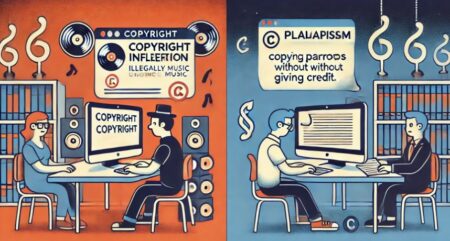
- Reproducing Copyrighted Material Without Permission: One of the most straightforward and frequent copyright violations is the unauthorized reproduction of copyrighted works. This includes making copies of books, music, films, photographs, or software without obtaining permission from the copyright holder. For example, duplicating a CD or downloading music from unauthorized sites is an infringement of the copyright holder’s exclusive right to reproduce their work. Similarly, photocopying large portions of a book or journal article for distribution without proper permission or licensing is another common violation.
How to Avoid It: Always seek permission from the copyright holder or obtain a license if you need to reproduce copyrighted material. If you are in an educational or non-commercial setting, check if fair use or fair dealing exceptions apply, but be mindful of the limitations. Alternatively, use materials that are in the public domain or released under a Creative Commons license, which permits specific types of use without infringement. - Using Copyrighted Material Without Proper Attribution: Using copyrighted material without proper attribution is another common violation, particularly in academic, creative, and online environments. For instance, copying a quote from an author’s work and not properly crediting them is a violation of their moral rights, even if the material is used within fair use guidelines. Similarly, using a photograph or artwork without providing appropriate credit to the creator can lead to legal disputes over copyright infringement.
How to Avoid It: Always provide proper attribution to the original creator whenever you use their copyrighted work. In academic and creative contexts, ensure that any direct quotes, images, or other content from external sources are properly cited. Follow the specific guidelines for attribution provided by the copyright holder, such as those for Creative Commons-licensed works, which often require that the creator be credited in a particular manner. - Distributing Copyrighted Content Without Permission: Distributing copyrighted works without authorization, whether in physical or digital form, is a serious copyright violation. This can involve activities such as selling counterfeit DVDs, distributing pirated software, or sharing copyrighted music or videos on social media platforms or file-sharing websites without the copyright holder’s permission. The unauthorized distribution of copyrighted material can result in significant financial losses for creators and copyright holders.
How to Avoid It: Only distribute content that you have the right to share. For example, avoid using peer-to-peer file-sharing networks to download or distribute copyrighted materials without permission. If you want to distribute content, ensure you have obtained the necessary licenses or permissions to do so. For digital content, be aware of the terms and conditions of the platforms where you share content, as they often include clauses about copyright infringement. - Creating Derivative Works Without Permission: A derivative work is any new creation that is based on or derived from an existing copyrighted work. Examples of derivative works include translations, adaptations, remixes, and fan fiction. Creating derivative works without permission from the copyright holder is a violation of their exclusive right to create or authorize adaptations of their work.
How to Avoid It: Before creating derivative works, always obtain permission from the copyright holder or verify that you have the legal right to modify the work under applicable fair use or fair dealing exceptions. In the case of fan works or adaptations, check whether the original creator has provided any licensing terms or guidelines for creating derivative content. If in doubt, contact the copyright holder for permission. - Infringing on Copyright by Using Online Content: The internet has made it easy for individuals to access and share a wide range of copyrighted materials, including music, films, images, and written content. However, many users inadvertently or intentionally violate copyright by downloading or sharing these materials without authorization. For instance, streaming pirated films or sharing copyrighted music tracks on social media platforms without permission can lead to copyright infringement claims.
How to Avoid It: Always use legal platforms for accessing and sharing copyrighted content. Many streaming services, like Spotify, Netflix, or YouTube, offer legal access to copyrighted music, films, and shows. When sharing online content, ensure that you have the rights to the material, whether through purchasing, licensing, or obtaining permission from the copyright holder. If using user-generated content, check the copyright status and ensure that you have the proper rights to share it. - Failure to Comply with Software Licensing Agreements: Software piracy is a common form of copyright infringement where individuals or businesses use unlicensed copies of software, such as operating systems, productivity tools, or design programs. This can include downloading cracked versions of software or using software beyond the number of allowed installations or licenses.
How to Avoid It: Ensure that you are using legally licensed copies of software and that the number of installations is in compliance with the licensing agreement. Many software companies offer subscription-based models or enterprise licenses that allow users to stay within legal bounds. Regularly review and update software licenses to avoid the risks associated with using unlicensed software. - Failing to Follow the Terms of Creative Commons Licenses: Creative Commons (CC) licenses allow creators to share their works with the public under specific conditions. However, it’s common for users to violate these licenses by not adhering to the terms outlined by the creator. For instance, a user might fail to provide proper attribution, use a work for commercial purposes when the license only permits non-commercial use, or modify a work when the license prohibits modifications.
How to Avoid It: Carefully review the terms of the Creative Commons license attached to a work before using it. Ensure that you follow the specific requirements, such as providing appropriate attribution, not using the work for commercial purposes, or sharing derivative works under the same license if required. If the terms of the license are unclear, seek clarification from the creator or avoid using the work.
Copyright violations can occur in a variety of contexts, from reproducing content without permission to distributing pirated works online. However, by understanding common copyright issues and taking proactive steps to avoid infringement, individuals and organizations can respect the rights of creators while still using creative works for educational, commercial, or personal purposes. Always ensure that you have the necessary permissions, provide proper attribution, and comply with relevant copyright laws to avoid legal complications and foster a culture of respect for intellectual property.
What Are the Consequences of Copyright Infringement?
Copyright infringement occurs when someone uses copyrighted material without authorization, violating the rights of the copyright holder. The consequences of such infringement can be severe, ranging from legal penalties to financial losses and reputational damage. These consequences serve as both a deterrent and a mechanism to protect the intellectual property of creators, businesses, and artists.
One of the most significant outcomes of copyright infringement is legal action. If a copyright holder decides to pursue a lawsuit, the infringer could face various legal penalties. Courts can issue injunctions, which require the infringer to cease using the copyrighted material, and the infringer may also be liable for damages. In some cases, the copyright holder may be entitled to statutory damages, which in the U.S. can range from $750 to $30,000 per work infringed, and can go as high as $150,000 for willful infringement. Additionally, the infringer could be required to pay the copyright holder’s attorney’s fees, adding to the financial burden. Apart from statutory damages, the copyright holder may also seek actual damages based on the harm caused by the infringement, such as lost sales or missed licensing opportunities.
Financial consequences are often a significant concern for those involved in copyright infringement. The infringer can face substantial fines and penalties, especially if the infringement is considered willful or large-scale, as is the case with software piracy or pirated media distribution. In certain jurisdictions, criminal infringement can lead to fines of up to $250,000, and repeat offenders could face imprisonment for up to five years. Even if the infringement does not result in criminal charges, the infringer may still face significant financial damages, which can have a lasting impact on their personal or business finances.
In addition to legal and financial penalties, copyright infringement can cause serious reputational damage. For businesses or public figures, being accused of copyright violation can tarnish their image, leading to negative media attention, public backlash, and loss of customer trust. This reputational harm can have long-term effects, especially in industries where credibility and ethical standards are crucial. Moreover, businesses that engage in copyright infringement may lose important partnerships or collaborations, as potential partners may distance themselves to avoid being associated with illegal practices. The damage to a business’s brand reputation can outweigh any financial losses incurred from the infringement itself.
Copyright infringement can also result in criminal consequences, particularly in cases of large-scale piracy or the distribution of counterfeit goods. In some jurisdictions, criminal copyright infringement is treated seriously and can result in imprisonment. Those involved in organized copyright piracy or the illegal distribution of copyrighted content may face jail sentences, and law enforcement may seize infringing goods and equipment, further disrupting business operations.
Another consequence of copyright infringement is the potential loss of future licensing opportunities. If an individual or organization is found to have infringed on copyright, they may be barred from obtaining licenses for future use of copyrighted content. This can be especially damaging for businesses that rely on obtaining legal licenses for software, music, images, or other intellectual property. The inability to legally source content could hinder business operations and lead to further financial setbacks.
How Does Copyright Affect the Use of Works in Academic and Research Settings?
Copyright law plays a significant role in academic and research environments, as it governs how creative works such as books, journal articles, music, films, and other materials can be used. In academic settings, where the free exchange of knowledge is essential for advancing research and learning, understanding and respecting copyright law is crucial. While copyright ensures creators retain control over their works, it also provides exceptions that allow educators, researchers, and students to use copyrighted content for educational purposes. However, these exceptions come with limitations and guidelines to ensure the use remains lawful.
One of the key exceptions is fair use in the U.S. and fair dealing in many Commonwealth countries. These provisions allow limited use of copyrighted works for educational purposes such as research, teaching, and commentary, without requiring permission from the copyright holder. For example, in the U.S., fair use permits quoting a brief passage from a book or showing a short film clip in a classroom setting for educational purposes. However, fair use is evaluated based on four factors: the purpose of the use (whether it is non-commercial or educational), the nature of the work, the amount of the work used, and the effect on the market for the original work. Similarly, fair dealing in countries like the U.K. and Canada allows the use of works for specific purposes such as research or criticism but is more restrictive and requires the use to fall within predefined categories. Despite these exceptions, users must carefully ensure their use of copyrighted content does not exceed the limits set by law.
Copyright law also impacts the reproduction and distribution of copyrighted works in academic settings. For example, educators often photocopy book chapters, share journal articles, or upload materials to course websites for student use. However, unless they have secured permission or the work falls under fair use or fair dealing exceptions, reproducing and distributing these materials without proper authorization can lead to infringement. Many educational institutions have agreements with publishers and rights organizations to provide access to works under certain conditions, but these arrangements must be adhered to in order to comply with copyright law.
Academic institutions and researchers also rely heavily on licensed materials, such as online databases, e-journals, and other digital resources. These materials are typically subject to specific terms of use, which may restrict how they can be accessed, reproduced, or distributed. For instance, a university may offer access to an online journal, but the licensing agreement may prohibit users from redistributing the articles outside the institution’s network or using them for commercial purposes. Researchers and students must understand and follow the terms of use to avoid violating the licensing agreements.
In recent years, the rise of open access publishing and the adoption of Creative Commons licenses have made it easier to access copyrighted materials in academic settings. Open access resources are freely available to everyone and do not require permission for use, as long as the terms of the license are respected. Creative Commons licenses, on the other hand, allow authors to retain copyright while permitting others to use their work under specific conditions, such as requiring attribution or prohibiting commercial use. These licensing models have been especially beneficial in academic and research environments, as they allow scholars to share and reuse materials without the complexities of obtaining individual permissions.
Copyright law also affects the use of copyrighted materials in research. Researchers often rely on books, journal articles, and multimedia for their work, but they must be careful not to infringe on copyright by using too much of a copyrighted work or by reproducing it without permission. Fair use or fair dealing exceptions may apply in some cases, such as when a researcher is quoting a brief passage from a work to support an argument in a research paper. However, the amount of content used should be proportionate to the purpose of the research, and researchers should always attribute the original creators.
Academic institutions also face challenges when managing digital repositories and institutional archives, as they must comply with copyright law when digitizing and distributing academic materials. Many institutions provide access to digital copies of works through controlled systems, ensuring that only authorized users can access copyrighted content. In these cases, institutions must obtain the necessary permissions or licenses for works that are still under copyright.
In conclusion, copyright law significantly affects how works are used in academic and research settings, balancing the rights of creators with the need for access to knowledge. Exceptions like fair use and fair dealing allow educational and research activities to proceed without hindrance, but users must be aware of the limitations and comply with copyright laws when reproducing, distributing, or adapting works. As open access and Creative Commons licenses become more prevalent, academic institutions and researchers can more easily share and build upon scholarly content, fostering a collaborative and lawful academic environment. Understanding and respecting copyright law in these settings is essential to ensure the continued flow of knowledge while protecting the rights of content creators.