
A Content Management System (CMS) is a software tool that enables users to create, manage, and modify content on a website without specialized technical knowledge. Essentially,…
A Content Management System (CMS) is a software tool that enables users to create, manage, and modify content on a website without specialized technical knowledge. Essentially,…

The role of library newspaper clipping services remains a steadfast beacon of curated knowledge. These services represent a bridge between the past and the present, preserving…

In the rapidly evolving landscape of information and knowledge management, two distinct paradigms have emerged as cornerstones of scholarly pursuits and intellectual enrichment: the Digital Library…

Digital Information Literacy: A Shield Against Misinformation In an age characterized by the rapid digitization of information and the pervasive influence of digital platforms, the critical…

1.1 What is a Website? A website is a collection of web pages hosted on the internet and accessible through a web browser. It is a…
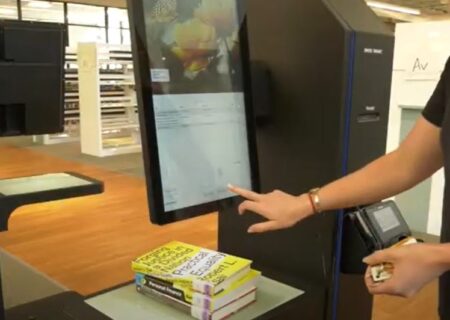
Introduction: Library automation refers to the use of technology to manage and streamline the core functions of a library, such as cataloguing, circulation, inventory management, and…

Digital preservation and digitization are two concepts that play crucial roles in managing digital information. While digitization involves converting analog materials into digital format, digital preservation…

Resource sharing in libraries refers to the practice of collaborating and sharing materials, services, and expertise among libraries to maximize the accessibility of resources for users.…

Selective Dissemination of Information (SDI) is a personalized information service designed to provide users with relevant and tailored content based on their specific interests or research…
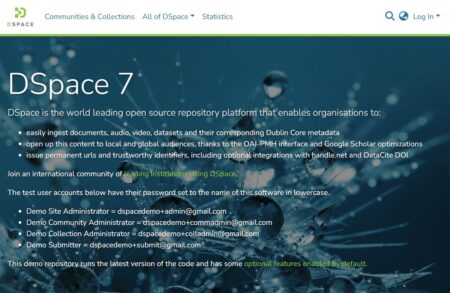
DSpace is an open-source software platform for managing digital assets such as research papers, images, videos, and other types of digital content. It is now maintained…