
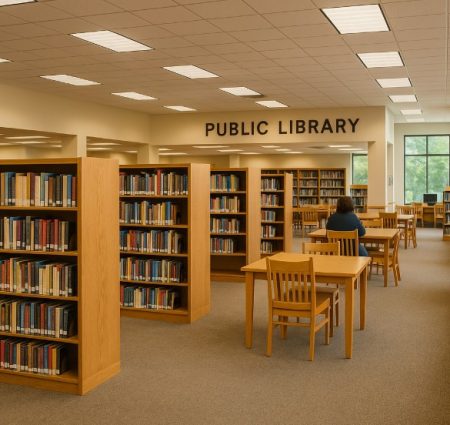
A public library is a cornerstone of community education and enrichment, offering free access to knowledge and resources. It is an inclusive sanctuary where individuals of all ages, backgrounds, and socioeconomic statuses can engage in lifelong learning and cultural exchange. Beyond its traditional role of lending books, a public library facilitates access to digital media, hosts educational programs, and provides community services that foster literacy and digital competence. These institutions are not merely repositories of books; they are vibrant, dynamic spaces that adapt to the evolving needs of their communities, promoting equality of access to information and empowering citizens in a democratic society.
Main Functions of Public Libraries
Public libraries play a crucial role in modern society, extending far beyond their traditional function as mere repositories of books. Today, they serve as dynamic hubs of education, technology, culture, and community engagement. In an era where information is ubiquitous yet disparate and community spaces are dwindling, public libraries stand out as essential institutions that provide free and equitable access to knowledge and resources for people from all walks of life. Public libraries serve several crucial functions that contribute significantly to the educational, cultural, and social fabric of their communities:
- Information Provision: Public libraries provide access to various materials in various formats, including books, periodicals, newspapers, and electronic resources. Libraries curate collections that cater to diverse interests and needs, ensuring that information on nearly any subject is accessible. This function supports both casual learning and in-depth research, making libraries pivotal in supporting informed citizenship.
- Digital Access: In today’s digital world, access to technology is critical. Public libraries democratize access to digital tools and the Internet, providing resources often out of reach for the economically disadvantaged. By offering free use of computers, internet access, and often digital literacy training, libraries help level the playing field, allowing everyone to partake in the digital economy and society.
- Educational Programs: Public libraries are educational powerhouses that cater to the needs of learners of all ages. From toddler story hours that instill a love of reading to adult education courses that might include job training, language learning, and financial literacy, libraries serve as lifelong educational partners. These programs are tailored to the community’s needs, supporting local schools and complementing formal education systems.
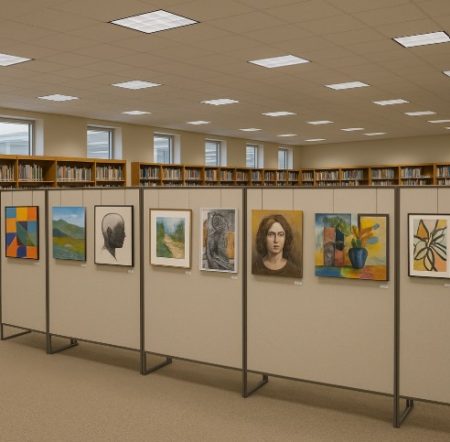
- Cultural Enrichment: Libraries are cultural hubs, hosting various events that enrich the community’s cultural landscape. Art exhibitions, musical performances, author talks, and film screenings exemplify how libraries promote cultural appreciation and personal creativity. These programs allow patrons to experience diverse cultures and express their creative instincts.
- Community Engagement: Acting as neutral grounds, libraries foster civic engagement and community dialogue. They provide space for public meetings, civic activities, and volunteer groups, strengthening community bonds and encouraging active participation in societal development. Libraries often become the venue for town hall meetings, local elections, and community planning events, making them key players in democratic engagement.
- Support for Research and Learning: Libraries support casual inquiries and rigorous academic research. With access to specialized databases and collections and expert librarian assistance, library patrons can conduct thorough research on various topics. This support is indispensable for students, researchers, and anyone seeking deep knowledge in a specific field.
- Preservation of Heritage: Many libraries also play a critical role in preserving local history and cultural heritage. They manage archives, including historical documents, photographs, and maps, vital for understanding the past and shaping future community decisions. By preserving these artifacts, libraries ensure that community heritage continues to inform and inspire future generations.
- Lifelong Learning: Emphasizing the importance of continuous education, libraries provide resources and programs that encourage lifelong learning. This commitment helps individuals grow intellectually, adapting to new challenges and opportunities.
Public libraries are indispensable to fostering educated, informed, and connected communities. They are dynamic entities that adapt to the needs of their patrons, offering services and resources that go far beyond the basic lending of books. As society continues to evolve, so will libraries, continuously redefining their roles to meet the changing demands of their communities. They reaffirm their significance in every function as pillars of public service, education, and culture.
The Core Objectives of Public Libraries:
Public libraries are much more than just places to borrow books. They are vital institutions within our communities that serve multiple roles, from educational resources to community centers and guardians of public information. Rooted in the principles of accessibility and lifelong learning, public libraries strive to fulfill objectives that support the individual and the community. Public libraries are foundational to their communities, guided by core objectives that transcend simple book lending. These objectives are deeply embedded in the mission to promote education, accessibility, and community welfare. Here’s a detailed discussion of the core objectives of public libraries:
- Promoting Literacy and Education: A fundamental objective of public libraries is to promote literacy among people of all ages. Libraries offer a vast array of reading materials, educational programs, and workshops that support traditional and critical literacies like digital and information literacy. By hosting book clubs, reading programs for children, and literacy classes for adults, libraries play a crucial role in cultivating a culture of reading and continuous learning.
- Ensuring Access to Information: Public libraries provide free and equitable access to information, a cornerstone of their mission. In an era of information overload, libraries act as gatekeepers of credible and reliable information. This accessibility is crucial for fostering informed citizens who can make educated decisions personally and professionally. Libraries ensure that everyone, regardless of economic or social status, has the tools to access and utilize information effectively.
- Bridging the Digital Divide: As digital technology becomes increasingly essential, public libraries help bridge the digital divide. They provide community access to computers, the internet, and other digital technologies, crucial for those without home access. Libraries also offer digital literacy training, helping patrons navigate online resources safely and effectively, thus ensuring that all community members can participate fully in today’s digital world.
- Supporting Personal Development and Lifelong Learning: Libraries are committed to supporting their patrons’ personal and professional growth. They provide resources and programs that help individuals enhance their skills, explore new interests, and engage in lifelong learning. From language learning software and career development workshops to personal enrichment courses, libraries offer tools for continuous individual improvement.
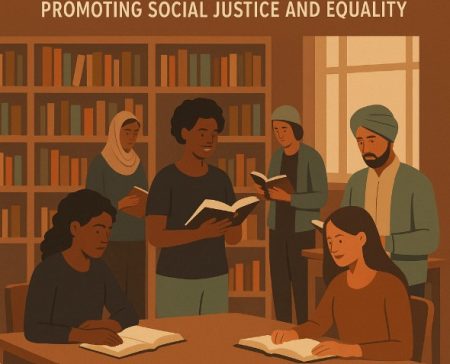
- Fostering a Sense of Community: Public libraries serve as inclusive spaces where community members can gather, collaborate, and engage in social activities. They host public forums, workshops, and cultural events, encouraging civic engagement and fostering a strong community spirit. Libraries strengthen community bonds and promote social cohesion by providing a neutral and welcoming environment.
- Cultural Enrichment: Libraries enrich the cultural landscape of their communities by providing access to a wide variety of cultural and artistic programs. These range from art exhibitions and musical performances to author readings and film screenings. By offering such diverse programming, libraries contribute to cultural appreciation and promote cultural diversity.
- Preserving and Providing Access to Local History and Heritage: Another crucial objective of public libraries is preserving local history and cultural heritage. They maintain archives and special collections that document the community’s past, providing invaluable resources for education and research. This helps community members understand and appreciate their local history, fostering a deeper connection to their roots.
- Promoting Democracy: By providing unrestricted access to a wide range of information and fostering open forums for discussion, public libraries support and promote democratic values. They empower citizens to educate themselves on various issues, participate in community discussions, and engage actively in democratic processes.
The core objectives of public libraries highlight their essential role as more than just lending institutions; they are dynamic centers for learning, community engagement, and cultural development. As society continues to evolve, so will the functions and services offered by libraries, ensuring they remain relevant and vital to the communities they serve. By fulfilling these objectives, public libraries ensure that they stay foundational to a thriving, informed, and engaged society.
References:
- ALA (n.d.)., About ALA. Retrieved March 3, 2023, from https://www.ala.org/aboutala/before-1876
-
Audunson, R. (2005). The public library as a meeting‐place in a multicultural and digital context: The necessity of low‐intensive meeting‐places. Journal of Documentation, 61(3), 429–441. https://doi.org/10.1108/00220410510598562
-
Choi, N., & Joo, S. (2018). Understanding public libraries’ challenges, motivators, and perceptions toward the use of social media for marketing. Library Hi Tech, 39(2), 352–367. https://doi.org/10.1108/LHT-11-2017-0237
-
Hvenegaard Rasmussen, C. (2016). The participatory public library: The Nordic experience. New Library World, 117(9/10), 546–556. https://doi.org/10.1108/NLW-04-2016-0031
-
Skot‐Hansen, D., Hvenegaard Rasmussen, C., & Jochumsen, H. (2013). The role of public libraries in culture‐led urban regeneration. New Library World, 114(1/2), 7–19. https://doi.org/10.1108/03074801311291929




8 Comments
WELL DONE I ENJOYED THE INFO
Oooh! What a clear and detailed definition of a public library together with it’s objectives and functions
WAW!!! this definition is rich in content.
I love the notes
Iam fortunate to find the information. Thanks keep it up
The notes is extremely good
Yahaya kabiru
Yahaya kabiru