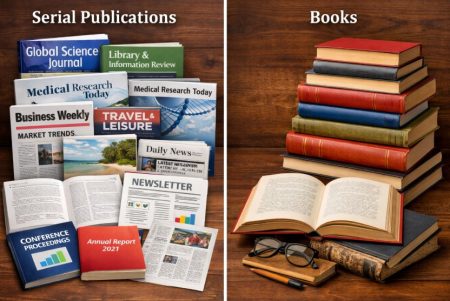
In library and information science, the term “continuing resources” refers to publications that are issued over time and are intended to continue indefinitely without a predetermined end. Unlike monographs, which are complete in a single volume or a finite number of volumes, continuing resources are characterized by their ongoing nature. For example, a textbook published as a single volume is considered a monograph, whereas a scholarly journal that releases new issues on a monthly or yearly basis is a continuing resource.
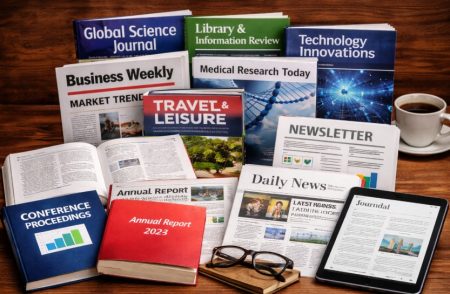
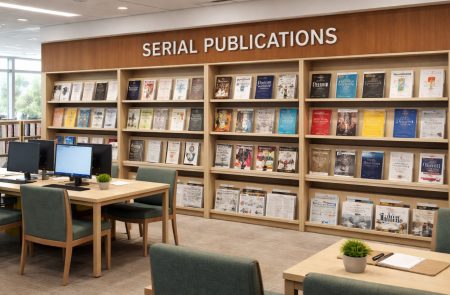
Continuing resources appear in various forms based on their frequency of updates. Some are issued in successive, separate parts, each identified by a number or date. Typical examples include academic journals, such as the Journal of Library Science; magazines like Time; newspapers, like The Daily Star; and annual publications, like university annual reports or statistical yearbooks. Each issue remains a separate entity but collectively forms an ongoing publication.
Other continuing resources are known as integrating resources, where new or revised content is merged into the existing material rather than remaining as separate issues. Common examples include loose-leaf law services that replace outdated pages with new ones, continuously updated library websites, online encyclopedias, and electronic databases that are regularly revised to include new records. In these cases, users usually consult the most current version rather than individual updates.
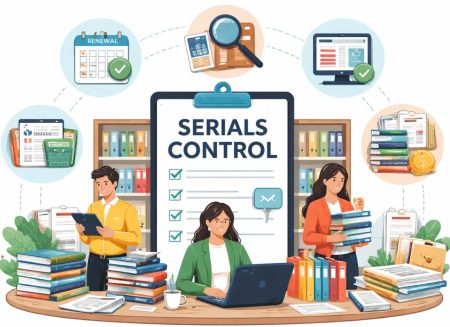
Continuing resources are especially important in academic and research libraries because they provide current and up-to-date information. Research journals communicate the latest scholarly findings, newspapers report daily events, and online databases offer regularly updated research data and literature. Because they continue indefinitely, libraries must manage them carefully, dealing with ongoing subscriptions, cataloguing updates, and long-term access.