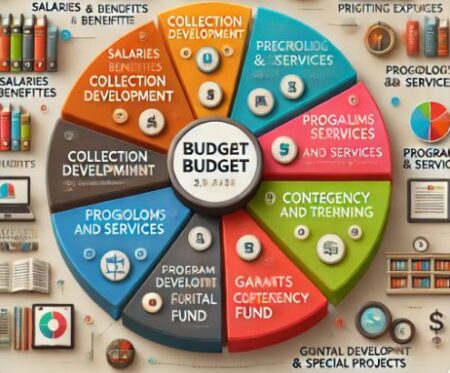
Diversifying funding sources is essential for both academic and public libraries to ensure their financial stability, sustainability, and capacity to innovate in an evolving information landscape. Traditionally, libraries have relied heavily on government allocations, institutional budgets, or local authority support to sustain their operations and services. However, such reliance makes them vulnerable to budget cuts, policy shifts, and economic downturns. For example, during global financial crises or national budget constraints, many public libraries in the United Kingdom and the United States faced closures or severe service reductions due to heavy dependence on municipal funding. Similarly, academic libraries in developing countries often struggle when university budgets are tightened, resulting in limited access to essential electronic resources and databases.
By adopting a diversified funding model that incorporates grants, endowments, donations, partnerships, and income-generating services, libraries can build greater resilience and flexibility. For instance, some university libraries secure international research grants from organizations such as UNESCO or the Bill & Melinda Gates Foundation to support digital literacy and open-access projects. Public libraries often collaborate with local businesses or corporate social responsibility (CSR) programs to sponsor reading corners, technology hubs, or community literacy programs. Additionally, introducing paid services such as room rentals, specialized training workshops, or library cafés can generate supplementary income without compromising equitable access to core services.
This multifaceted approach not only helps mitigate financial uncertainty but also enables libraries to pursue strategic projects aligned with their missions, such as digitizing rare collections, offering research support programs, or implementing community outreach initiatives. Moreover, engaging with diverse funding partners enhances the library’s visibility, strengthens community relationships, and fosters a shared sense of ownership. Ultimately, funding diversification empowers libraries to remain adaptive, innovative, and relevant, ensuring they continue to meet the educational, cultural, and informational needs of society, even in times of financial constraint.
What Strategies Can Libraries Adopt to Diversify Their Funding Sources?
Libraries, both academic and public, serve as essential pillars of education, research, and community engagement. However, in an era marked by budget cuts, rising operational costs, and evolving user demands, financial sustainability has become a growing concern. Traditionally, libraries have relied on government allocations or institutional budgets as their primary source of funding. This dependence, while stable in earlier times, now poses significant risks- especially when public funding decreases or institutional priorities shift. To overcome these challenges and ensure long-term resilience, libraries must explore a diversified approach to funding that integrates multiple revenue streams and collaborative opportunities.
- Building Public-Private Partnerships (PPPs): One of the most promising strategies for financial diversification is establishing partnerships between libraries and private organizations. Through these collaborations, libraries can gain financial sponsorship, technological resources, and expertise that enhance their capacity to serve users. Corporate entities often support educational and cultural projects through their Corporate Social Responsibility (CSR) initiatives. For example, a public library may partner with a telecommunications company to sponsor a digital literacy center, or an academic library might collaborate with a software firm to provide students and researchers with access to premium digital tools. These partnerships create a win-win situation: libraries gain additional support, while corporations fulfill their social commitments and enhance their community presence.
- Securing National and International Grants: Grants from government agencies, foundations, and international organizations offer valuable opportunities for libraries to fund specific projects and innovations. Programs from organizations such as UNESCO, IFLA, the World Bank, and the Bill & Melinda Gates Foundation have supported libraries worldwide in digitization, ICT adoption, and literacy development. For instance, several African public libraries have benefited from the Gates Foundation’s Global Libraries Initiative, which has enabled them to create modern community learning spaces. To successfully secure grants, libraries must develop skilled staff capable of writing proposals, managing projects, and maintaining transparent reporting. Proactive participation in national research programs or cultural preservation initiatives can also position libraries as attractive candidates for funding.
- Encouraging Donations, Endowments, and Alumni Contributions: Developing a culture of giving within the community is another sustainable way to diversify library funding. Academic libraries can reach out to alumni networks and philanthropists to establish endowments or resource development funds. Initiatives like “Adopt-a-Book,” “Sponsor a Shelf,” or “Name a Study Room” encourage personal connections and lasting legacies. Public libraries can also form “Friends of the Library” groups—community-based supporters who organize fundraising events, seek sponsorships, or run donation campaigns. Transparency is key in this area; when donors see clear results of their contributions, such as new books, improved facilities, or community programs, they are more likely to continue their support.
- Introducing Value-Added and Fee-Based Services: While libraries are traditionally committed to free access, offering certain value-added or specialized services for a modest fee can provide additional income. For example, libraries can charge for printing, scanning, or document delivery services, as well as host paid workshops on information literacy, research data management, or citation tools like Zotero and EndNote. Public libraries can rent out meeting rooms, auditoriums, or exhibition spaces for community events. Some libraries even operate cafés or souvenir shops to generate extra revenue. By maintaining a balance between free core services and paid value-added options, libraries can generate funds without compromising their accessibility mission.
- Leveraging Crowdfunding and Digital Fundraising: In the digital age, crowdfunding has become an innovative approach for libraries to finance special projects. Platforms like GoFundMe, Kickstarter, and GlobalGiving enable libraries to share their stories and solicit contributions from individuals and organizations worldwide. A public library might raise funds to renovate a children’s section or launch a mobile library program, while an academic library could seek support for digitizing rare manuscripts or upgrading digital infrastructure. Social media plays a vital role in promoting these campaigns—regular updates, success stories, and visual content encourage community participation and help build emotional connections with donors.
- Developing Collaborative Research and Training Initiatives: Academic libraries can enhance their financial and institutional standing by participating in collaborative research and training programs. By partnering with academic departments, professional associations, or NGOs, libraries can co-host workshops, certificate programs, and online courses that generate registration fees or sponsorships. Moreover, by actively participating in grant-funded research projects, libraries can receive allocations for their contributions in data management, archiving, or scholarly communication. These collaborations not only bring financial benefits but also elevate the library’s role as a critical partner in academic research and knowledge dissemination.
- Implementing Cost-Sharing and Consortium Models: Consortia and shared service models enable libraries to optimize costs while maintaining access to high-quality resources. By pooling their funds, libraries can collectively subscribe to expensive databases, negotiate more favorable licensing agreements, and share technical infrastructure. In Bangladesh, the Bangladesh INASP-PERI Consortium (BIPC) enables academic institutions to access a wide range of digital journals and databases at reduced costs. Similarly, in the United States, the Consortium of Academic and Research Libraries in Illinois (CARLI) demonstrates how collaboration can reduce expenses and increase service efficiency. These models promote cooperation, resource sharing, and long-term sustainability.
- Strengthening Advocacy and Institutional Support: Effective advocacy is crucial for securing consistent and sustained funding. Library leaders must communicate the impact of their services to decision-makers, policymakers, and the community. Demonstrating how libraries contribute to education, research, and social inclusion through measurable outcomes can influence stakeholders to increase financial support. Annual reports, impact studies, and success stories can be powerful tools in this effort. Academic libraries should also engage university administrations to integrate library funding into institutional strategic plans, ensuring sustained investment in digital transformation and research support initiatives.
The financial challenges facing libraries today require innovative and proactive solutions. Diversifying funding sources is not simply a financial tactic- it is a strategic necessity that enables libraries to adapt, expand, and thrive. By embracing partnerships, grants, donations, entrepreneurship, and collaboration, libraries can secure a stronger and more flexible financial foundation. This approach allows them to enhance their services, support new technologies, and continue fulfilling their mission of providing equitable access to knowledge. Ultimately, a diversified funding strategy ensures that libraries remain resilient institutions- empowering learning, innovation, and community development for generations to come.
What Risks Do Libraries Face When They Rely Heavily on a Single Funding Source, Such as Government Grants or Institutional Budgets?
Libraries, whether academic, public, or special, serve as vital centers for knowledge, learning, and community development. However, their ability to maintain and expand services depends largely on consistent financial support. When libraries rely heavily on a single funding source, such as government grants or institutional budgets, they expose themselves to significant risks that can threaten their stability, growth, and relevance. Overdependence on one source of income limits financial flexibility, reduces innovation, and increases vulnerability to external factors such as political shifts, economic downturns, or administrative changes. Understanding these risks is essential for library leaders who seek to ensure long-term sustainability and resilience.
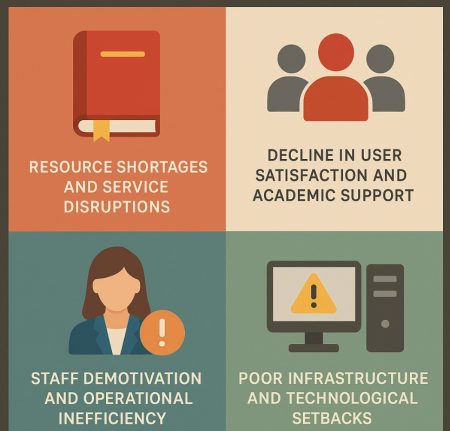
One of the most pressing risks of depending on a single funding source is financial instability. Government and institutional budgets are often influenced by economic conditions and policy decisions. During national financial crises or institutional budget cuts, library allocations are frequently reduced, leading to service disruptions, resource shortages, or even staff layoffs. For example, many public libraries in the United Kingdom and the United States have faced closures or downsizing due to local government funding cuts, while academic libraries often struggle to renew essential databases or journals when university budgets tighten. This type of dependency leaves libraries with little room to adapt or sustain operations during times of fiscal constraint.
Another major concern is the limitation on innovation and service development. When funding primarily covers core expenses such as salaries, maintenance, and subscriptions, libraries are unable to invest in new technologies or innovative services. Initiatives such as implementing digital repositories, AI-based chatbots, or e-learning platforms often require additional funds beyond operational budgets. Without diversified funding, libraries risk falling behind in a rapidly evolving digital environment and may struggle to meet the changing expectations of modern users.
Relying on a single funding stream also makes libraries vulnerable to political and administrative changes. Shifts in government leadership or institutional priorities can lead to sudden changes in budget allocations. A new administration may choose to cut educational or cultural funding, while universities might divert funds to research or infrastructure projects, leaving the library underfunded. Such external dependencies restrict libraries from planning long-term projects or maintaining consistency in their services, forcing them to operate in a reactive rather than strategic manner.
Financial dependency also affects the quality and accessibility of library resources. Budget reductions often force libraries to cancel subscriptions, delay acquisitions, or limit access to premium research materials. Academic libraries may lose vital databases that support scholarly research, while public libraries might be unable to update their collections or fund community programs. This decline in resource quality directly impacts users, reducing the library’s value and credibility as an information hub. Operational and staffing challenges are another consequence of funding dependency. When resources are limited, libraries may face hiring freezes, staff reductions, or an inability to invest in professional development. Overworked and undertrained staff can struggle to maintain service quality, leading to decreased user satisfaction. Furthermore, libraries without diversified funding may be unable to provide staff with training on new digital tools or research technologies, limiting their ability to adapt to changing information environments.
This dependence also hinders long-term planning and sustainability. Libraries that operate on annual or short-term funding cycles often struggle to commit to multi-year projects, such as digital preservation, infrastructure upgrades, or literacy programs. Instead of planning strategically, they are forced to adjust their operations in response to unpredictable budget outcomes. This reactive approach restricts growth and prevents the development of sustainable programs that evolve in response to community or institutional needs.
In the long term, continuous budget cuts and service limitations can erode community trust and engagement. Users may perceive the library as unreliable or outdated, even if financial constraints- not management failures—are to blame. Once confidence is lost, it becomes harder to attract advocacy, donations, or community support. Additionally, depending solely on internal or government funding often isolates libraries from external collaboration and global opportunities. Without exploring partnerships with NGOs, corporations, or international networks, libraries miss chances to secure additional resources, share expertise, and expand their impact.