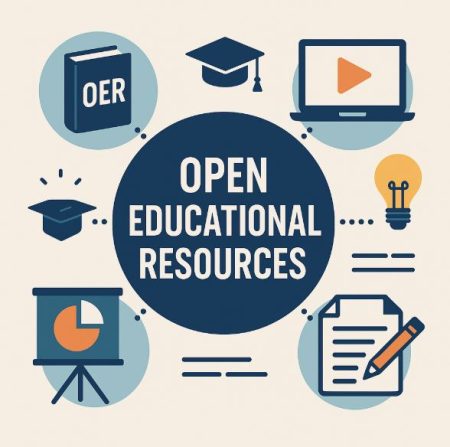
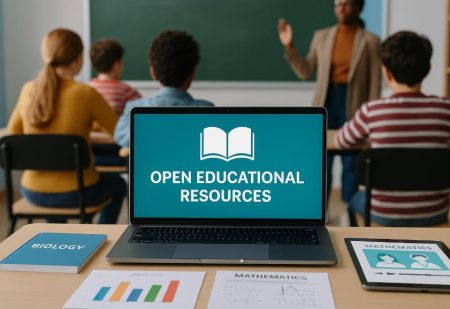
Open Educational Resources (OER) are freely accessible, openly licensed materials used for teaching, learning, and research purposes. These resources can include a wide range of content such as textbooks, courses, multimedia, software, and assessments, all of which can be legally accessed, modified, and redistributed by anyone. The main idea behind OER is to promote equal access to high-quality educational materials, irrespective of geographical location or economic status. For instance, platforms like OpenStax provide free, peer-reviewed textbooks in various subjects, such as mathematics, science, and economics, making them available to anyone with internet access. By leveraging open licensing models like Creative Commons, OER allows educators and learners to adapt resources to suit specific teaching and learning needs, fostering a more inclusive and flexible educational environment.
The rise of OER has been driven by the growing need for affordable and accessible learning materials, as traditional educational resources such as textbooks often come with high costs that limit access for many students. For example, students in many countries face the burden of expensive textbooks that can exceed hundreds of dollars, a financial strain that OER helps alleviate. MIT OpenCourseWare (OCW) is another notable example where entire courses, including lecture notes, assignments, and exams, are made available for free to the public, promoting open learning on a global scale. Furthermore, OER contributes to the democratization of knowledge, encouraging collaboration and the sharing of educational resources across global networks. The OER Commons is an example of a platform that connects educators worldwide, allowing them to share and discover open resources in various fields. As technology continues to shape education, OER presents a transformative opportunity for educators to enhance their teaching strategies and for students to access quality content without financial barriers. Through these open platforms and resources, OER is reshaping the future of education, making learning more accessible and equitable for all.
What are Open Educational Resources (OER)?
Open Educational Resources (OER) are teaching, learning, and research materials that are made freely available to the public for use, adaptation, and redistribution. These resources are typically released under open licenses, such as Creative Commons, which allows users to freely access, modify, and share them with others. OER can include a variety of content, such as textbooks, course syllabi, lesson plans, multimedia (videos, images, podcasts), software, and even entire courses. The key advantage of OER is that it provides educational opportunities to a wider audience by eliminating barriers like high costs and limited access to traditional learning materials.
One of the primary motivations behind the creation of OER is to democratize education, providing learners and educators across the world with access to high-quality, adaptable materials. For example, platforms like OpenStax offer free, peer-reviewed textbooks that cover subjects ranging from algebra to biology, making them accessible to students in both developed and developing countries. Additionally, initiatives like MIT OpenCourseWare provide free access to full course content, including lectures, assignments, and exams, from one of the world’s leading universities, allowing anyone with internet access to benefit from world-class education.
OER plays a significant role in reducing the financial burden of educational resources, particularly in higher education, where students often face high costs for textbooks and supplementary materials. By using OER, institutions can save money, and educators have the freedom to adapt and customize materials to better fit the needs of their students. In this way, OER supports not only accessibility but also the personalization of learning, allowing students to engage with materials that best suit their learning styles. The open and collaborative nature of OER also fosters a global community of educators, researchers, and learners who work together to improve and share educational content, making OER a powerful tool for transforming education.
How Open Educational Resources (OER) Benefit Students and Educators
Open Educational Resources (OER) are transforming the educational landscape by providing free, openly licensed teaching, learning, and research materials. These resources, which include textbooks, videos, assignments, software, and full courses, are accessible to anyone and can be freely modified and shared. The widespread adoption of OER has brought significant benefits to both students and educators. From reducing educational costs to fostering innovation in teaching, OER are reshaping how education is delivered and accessed. Here are some of the multiple advantages that OER bring to both students and educators, highlighting the role these resources play in enhancing the learning experience and improving educational outcomes.
Benefits for Students
- Affordability and Cost Savings: One of the most significant benefits of OER for students is the dramatic reduction in the cost of educational materials. Traditional textbooks and academic resources can often be prohibitively expensive, with students sometimes facing costs of hundreds of dollars per semester. With OER, these costs are eliminated, allowing students to access high-quality learning materials at no cost. Free access to textbooks, study guides, and course materials means that more students can afford their education, reducing financial stress and making education more inclusive.
For example, platforms like OpenStax offer peer-reviewed textbooks on subjects ranging from mathematics to biology, all available for free. This provides students with high-quality resources without the financial burden of purchasing expensive textbooks, which are often updated frequently and can be out of reach for many students. - Enhanced Accessibility: OER removes barriers related to geography and availability, providing students around the world with access to quality educational content. Whether a student is studying in a remote area or at an underfunded institution, OER ensures that they have the same access to learning resources as their peers in more privileged circumstances. The open nature of OER allows materials to be downloaded, printed, and accessed offline, making them especially valuable in regions with limited internet connectivity.
Furthermore, OER can be made available in multiple languages, increasing accessibility for students from diverse linguistic backgrounds. This promotes global equity in education, offering the same high-quality resources to students regardless of their location. - Personalized Learning: OER offers students the flexibility to learn at their own pace and style. Since these resources can be freely modified, educators and students alike can adapt them to fit specific learning needs. For instance, if a student struggles with a particular concept, they can access additional resources, such as video explanations or interactive simulations, to reinforce their understanding. Likewise, they can skip sections they already understand, allowing them to focus on areas where they need the most help.
The ability to personalize learning materials can also foster deeper engagement with the content. Students can remix and curate resources that fit their learning preferences, leading to a more engaging and effective learning experience. - Encouraging Lifelong Learning: OER also benefits students beyond formal education, promoting lifelong learning. As these resources are free and open, anyone can access them at any point in their lives to continue their education or explore new topics. This opens up opportunities for self-directed learning, allowing individuals to gain new skills and knowledge at their own pace, regardless of their age or formal education status.
Many adult learners, professionals, and hobbyists turn to OER to develop expertise in new fields, learn about new technologies, or even pursue hobbies that have educational value.
Benefits for Educators
- Flexibility and Customization: Educators benefit from the flexibility OER offers in terms of content customization. Unlike traditional textbooks that are rigid and standardized, OER can be adapted to meet the specific needs of a class or curriculum. Educators can edit or remix resources to align with the learning objectives of their course, ensuring that materials are always relevant and up to date. For example, an educator teaching a history course might adapt an open textbook to include local historical examples or modify chapters to fit a specific teaching style.
This level of customization enables educators to provide a more tailored learning experience for their students, which can lead to better engagement and comprehension. - Cost and Time Savings: OER helps educators save time and money by eliminating the need to develop resources from scratch. Instead of spending time creating materials like lecture notes, quizzes, or slides, educators can rely on high-quality, peer-reviewed OER. For example, platforms like OER Commons provide a vast library of materials that educators can integrate into their courses, allowing them to focus on pedagogy and student interaction rather than material creation.
Additionally, OER can reduce institutional costs related to purchasing textbooks and other educational resources. By adopting OER, institutions can redirect funds towards other initiatives, such as technology upgrades or professional development for staff. - Collaboration and Sharing: One of the most significant advantages of OER for educators is the opportunity to collaborate with other teachers and institutions worldwide. The open nature of these resources encourages educators to share their materials and work together to improve and update content. Platforms like MIT OpenCourseWare and Curriki offer educators access to free course materials and allow them to contribute to the global repository of teaching resources.
This collaborative spirit fosters professional growth and the exchange of best practices. Educators can also engage in discussions with their peers to explore innovative ways of using OER in their classrooms, improving teaching methods and student outcomes. - Supporting Innovative Pedagogy: OER supports innovative teaching practices by providing a wealth of diverse content that can be incorporated into lesson plans. Educators can use a mix of multimedia, interactive elements, and collaborative tools to enrich the learning experience. For instance, they can integrate podcasts, videos, and online quizzes into their lectures, making lessons more dynamic and engaging.
The freedom to adapt OER encourages educators to experiment with new pedagogical approaches, such as flipped classrooms, project-based learning, or inquiry-based learning, which can enhance student participation and critical thinking skills.
Shared Benefits:
- Promoting Educational Equity: Both students and educators benefit from the equity that OER bring to education. By eliminating the cost barrier, OER ensures that all students, regardless of their socioeconomic background, have access to the same high-quality resources. This fosters an inclusive educational environment where all learners have equal opportunities to succeed. Educators, too, benefit from being able to access quality materials regardless of their institution’s budget, allowing for more equitable teaching practices.
- Encouraging Open Collaboration and Knowledge Sharing: OER create a global community of learners, educators, and researchers who collaborate and share knowledge. The open nature of these resources encourages the sharing of ideas, innovations, and teaching strategies, which can lead to the creation of better and more effective educational tools. This collaborative spirit drives continuous improvement in the educational system, benefiting everyone involved.
Open Educational Resources provide an array of benefits to both students and educators, making education more accessible, affordable, and flexible. By lowering the cost of educational materials, fostering innovation in teaching, and promoting collaboration, OER are helping to create a more inclusive and dynamic educational environment. As more institutions and individuals embrace OER, the potential for transforming global education becomes even greater, offering new opportunities for students to learn and for educators to teach in ways that are relevant, engaging, and effective.
What Types of Materials Are Included Under Open Educational Resources (OER)?
Open Educational Resources (OER) encompass a broad range of educational materials that are freely accessible, openly licensed, and can be modified or redistributed by anyone. These resources are designed to facilitate teaching, learning, and research without the financial and access barriers often associated with traditional educational content. The types of materials included under OER are diverse, offering a variety of formats and media that can be tailored to different learning environments and needs. Let’s explore the various types of materials that fall under the OER umbrella and how they can be used to enhance educational experiences.
- Textbooks and Reading Materials: One of the most common types of OER is textbooks. Open textbooks are comprehensive, peer-reviewed educational resources that cover entire subjects or specific topics. These books are typically written by educators or subject experts and are made available for free under open licenses. Platforms like OpenStax and BCcampus OpenEd offer high-quality, open textbooks for a range of subjects, from mathematics and science to history and business.
In addition to full textbooks, OER also includes individual reading materials such as articles, essays, and chapters that provide in-depth coverage of specific topics. These materials can be freely downloaded, printed, or redistributed, making them an invaluable resource for both students and instructors. - Course Modules and Lessons: OER also includes course modules and lessons that break down broader subjects into smaller, more manageable units. These materials often consist of instructional content, activities, assessments, and multimedia resources that help students learn key concepts in a subject. Websites like OER Commons and Merlot host a variety of course materials, including entire lesson plans, modules, and individual activities.
Course modules are particularly useful for educators who want to supplement their existing curriculum with additional resources or design their own courses from scratch. They can be customized to fit the needs of specific student groups, providing a flexible way to deliver instruction. - Multimedia (Videos, Podcasts, and Audio Resources): Multimedia resources are an essential part of OER, as they provide engaging, interactive ways for students to learn. Videos, podcasts, and other audio content can serve as instructional aids, offering visual or auditory explanations of concepts that may be difficult to understand through text alone. Platforms like YouTube EDU and Khan Academy offer a wealth of open video content on a variety of topics, from mathematics tutorials to history lessons.
In addition to traditional educational videos, OER also includes interactive media such as animations, simulations, and virtual labs that allow students to visualize complex ideas in action. For example, PhET Interactive Simulations offers a collection of science and math simulations that allow students to explore concepts in physics, chemistry, and biology through hands-on virtual experiences. - Assessments and Quizzes: Assessments and quizzes are an integral part of OER, providing students with opportunities to test their knowledge and understanding of the material. These resources can range from multiple-choice questions and short-answer tests to more complex assignments, such as essays and projects. OER platforms like Quizlet and Open Assessment Tools offer open-source quizzes and test banks that educators can use to assess student learning.
Additionally, OER includes rubrics and grading guidelines that help educators evaluate student work consistently and fairly. These assessments can be customized or remixed, allowing instructors to tailor them to their specific course objectives. - Software and Tools: In the digital age, software and tools are essential components of education, and many of these resources are available as OER. Open-source software, such as GIMP for image editing or GeoGebra for mathematics education, is an example of educational tools that can be freely accessed and used. These software tools provide students and educators with powerful resources for creating, analyzing, and solving problems.
Furthermore, platforms like Moodle, an open-source Learning Management System (LMS), allow educators to create online courses and manage student assessments. By utilizing open-source software and tools, both educators and students can benefit from high-quality, cost-effective resources without the need for expensive proprietary software. - Images, Graphics, and Visuals: Images, graphics, and other visual elements are an important aspect of OER, as they help to illustrate concepts, explain complex ideas, and engage students visually. These resources can include diagrams, infographics, charts, and photographs that are licensed for free use. Websites like Pixabay, Unsplash, and Wikimedia Commons offer a wide range of high-quality images that can be freely incorporated into OER materials.
In addition to static images, OER includes vector graphics and interactive visualizations that can be customized to suit specific teaching needs. These visual resources are particularly valuable for subjects such as science, mathematics, and art, where visuals can play a crucial role in understanding abstract concepts. - Syllabi and Course Outlines: Course syllabi and outlines are another essential type of OER. These documents provide an overview of the course structure, objectives, readings, assignments, and assessment methods. They serve as the foundation for course planning and ensure that both students and instructors understand the scope and goals of the course. Many educators share their syllabi as OER, allowing others to use or adapt them for their own courses.
Platforms like OER Commons and MERLOT provide access to a wide range of open syllabi across various disciplines, making it easier for educators to find templates or inspiration for designing their own courses. - Open Learning Platforms and MOOCs: Massive Open Online Courses (MOOCs) are a prominent form of OER. Platforms like Coursera, edX, and FutureLearn offer free or low-cost access to courses from universities and institutions around the world. These courses typically include a mix of video lectures, reading materials, assessments, and discussion forums, all of which are openly available to learners.
MOOCs provide a comprehensive learning experience, with the added benefit of offering certification or recognition of completion for certain courses. They are an excellent option for students looking to gain knowledge in a particular field without the financial or geographical barriers typically associated with traditional higher education. - Educational Games and Simulations: Educational games and simulations are another innovative type of OER that engages students in interactive, hands-on learning. These resources can help students understand complex concepts through play, encouraging critical thinking, problem-solving, and collaboration. For example, Kahoot! is an open platform that allows educators to create and share quiz-based games, while SimCityEDU offers simulations for teaching urban planning and sustainability.
These types of OER are particularly effective in subjects that benefit from experiential learning, such as science, engineering, economics, and social studies.
Open Educational Resources (OER) encompass a wide variety of materials that make education more accessible, flexible, and affordable. From textbooks and multimedia content to software and assessments, OER provides educators with the tools they need to enhance teaching and learning while offering students a broader range of resources to support their academic success. The diversity of OER materials ensures that educators and students alike can find the resources they need to tailor the learning experience to their unique needs and preferences. As OER continues to grow and evolve, its potential to revolutionize education worldwide becomes even greater, making high-quality learning opportunities available to all.
What Are the Key Principles Behind Open Educational Resources (OER)?
Open Educational Resources (OER) are reshaping the educational landscape by making high-quality learning materials freely available to anyone with an internet connection. At the core of OER are several key principles that guide their creation, distribution, and use. These principles aim to ensure that education is more accessible, flexible, and equitable, allowing learners and educators to benefit from open resources that can be adapted and shared. Here are the main principles behind OER and how they contribute to transforming education worldwide.
- Openness: The principle of openness is the foundation of OER. It refers to the unrestricted availability of educational materials for anyone to access. Open access is vital because it eliminates the barriers that typically restrict access to educational content, such as high costs or geographic limitations. OER are freely available online, meaning that learners and educators can access resources without paying for expensive textbooks or waiting for them to be distributed.
Openness in OER also extends to the ability to modify and redistribute the materials. Unlike traditional educational resources, OER are often licensed under open licenses like Creative Commons, which explicitly allows users to copy, share, and adapt the content to meet their needs. This openness ensures that everyone, regardless of location or financial situation, has the opportunity to access and benefit from high-quality educational materials. - Accessibility: Accessibility is another key principle behind OER, ensuring that materials are usable by a wide range of learners, including those with disabilities. The idea is to make educational content available in various formats (text, audio, video, and more) so that all learners, regardless of their physical abilities or technological resources, can engage with the material.
This principle includes making sure that OER are compatible with assistive technologies such as screen readers and captioning for videos, as well as offering content in multiple languages to accommodate students from diverse linguistic backgrounds. By prioritizing accessibility, OER helps to create an inclusive learning environment where everyone, regardless of their learning challenges or background, has the chance to succeed. - Reusability: Reusability is a cornerstone of OER, meaning that the materials can be used repeatedly in different educational contexts without restrictions. Since OER are openly licensed, educators and learners can reuse them in various settings, whether in traditional classrooms, online courses, or informal learning environments.
Educators can take advantage of this reusability by adapting or modifying materials to suit their specific teaching needs. For instance, a teacher can select certain chapters from an open textbook to incorporate into their course or combine multiple resources to create a personalized learning module. The flexibility to reuse materials saves time and costs, especially in institutions where resources are limited. - Revision and Remixing: The principle of revision and remixing allows OER users to modify, update, and improve existing resources. This principle encourages collaboration and creativity, as educators and students can tailor resources to their specific needs, whether by adding new content, simplifying complex concepts, or creating new versions that better suit their learning environment.
For example, an educator might revise a chapter from an open textbook by adding local examples, updating outdated information, or simplifying explanations to make them more accessible to a particular audience. Remixing OER encourages continuous improvement, enabling the educational content to evolve and remain relevant over time. - Redistribution: Redistribution is another fundamental principle of OER, which enables the sharing of educational resources with others. Openly licensed OER can be freely distributed, meaning that educators can share them with colleagues, students, and institutions worldwide. This principle supports the global dissemination of knowledge, allowing high-quality educational materials to be shared and used by learners and educators across different regions.
Redistribution helps create a global community of educators and learners who collaborate and exchange knowledge, thus democratizing education. When educators and institutions freely share their resources, they contribute to a more collaborative and inclusive global educational ecosystem.
The key principles behind Open Educational Resources, openness, accessibility, reusability, revision and remixing, and redistribution, are essential for creating a more inclusive, flexible, and equitable educational environment. By adhering to these principles, OER provides free access to educational materials and encourages innovation, customization, and collaboration among educators and learners worldwide. These principles are driving the transformation of education, making it more affordable, adaptable, and globally accessible, ensuring that learners of all backgrounds and abilities have the opportunity to succeed. As the use of OER continues to grow, these guiding principles will remain at the heart of efforts to expand and improve access to education for all.
How Can OER Contribute to Reducing Educational Costs?
Open Educational Resources (OER) provide a powerful solution to the rising costs of education by offering free, openly licensed materials that can be accessed, modified, and shared without financial barriers. One of the most direct ways OER contributes to reducing educational costs is by eliminating the need for students to purchase expensive textbooks and other instructional materials. Textbook prices have steadily increased over the years, placing a significant financial burden on students. OER, however, offers high-quality textbooks, articles, and other learning materials at no cost, allowing students to access the same content that would otherwise require hefty purchases. Platforms like OpenStax, for example, provide peer-reviewed, high-quality textbooks in subjects ranging from mathematics to science, all available for free online.
In addition to helping students save money, OER also significantly reduce costs for educational institutions. Traditionally, schools and universities spend large amounts on textbooks, licensing agreements for digital content, and other proprietary resources. By adopting OER, institutions can drastically lower these expenses, redirecting funds to areas such as technology, faculty development, and student services. OER also eliminates the need for expensive licensing agreements with publishers, which often entail recurring fees. These savings can be reinvested into improving the overall educational experience, making higher education more affordable and sustainable in the long term.
OER also promotes greater accessibility to high-quality educational materials, particularly for students in underserved or remote areas. Students in these regions often face difficulties accessing costly textbooks, but OER allows them to freely access the same materials as their peers in wealthier areas. This equitable access reduces the financial and geographical barriers that traditionally hinder students’ ability to succeed academically. Additionally, the flexibility of OER means that educators can modify and reuse existing materials to meet specific teaching needs without the need to purchase supplementary resources, thus further reducing costs. For example, instructors can adapt open textbooks, create personalized lesson plans, or integrate additional open resources to create customized learning experiences, all without the financial strain of purchasing new materials.
Another cost-saving aspect of OER is the principle of revision and remixing, which enables educators to tailor resources to their specific contexts and continually update materials without incurring additional costs. This eliminates the need for students to purchase new editions of textbooks, which often become obsolete or require costly updates. OER, on the other hand, can be continuously updated by educators and shared with the broader community, ensuring that learning content remains current and relevant while minimizing the need for students to buy new versions of resources.
OER also supports collaboration and resource sharing, which further reduces costs for both educators and institutions. For instance, a university may develop a high-quality open course on a specific topic, and other institutions can freely use, modify, and distribute this course, saving time and money. This collaborative approach ensures that educators don’t have to reinvent the wheel every time they develop a course, allowing them to access a wealth of materials created by peers around the world. Moreover, the open nature of OER fosters a global community of educators and learners, where resources can be shared, improved, and adapted to meet diverse needs.
Finally, OER plays a crucial role in supporting lifelong learning and professional development, which are essential in today’s rapidly changing world. By offering free access to a wide array of materials, OER removes financial barriers that might otherwise prevent individuals from pursuing further education or gaining new skills. This is particularly important in fields such as technology and healthcare, where ongoing professional development is required. OER makes it possible for learners of all ages to access educational content, upskilling themselves without the financial burden of traditional courses.
Some Examples of Successful OER Initiatives Worldwide
Open Educational Resources (OER) have been embraced globally as a way to increase access to high-quality educational materials while reducing costs for students and institutions. Across the world, numerous successful OER initiatives have demonstrated the potential of these resources to transform education. These initiatives range from government-led projects to collaborations between universities and nonprofit organizations, all of which contribute to making education more affordable, accessible, and inclusive. Here are some of the most notable and successful OER initiatives worldwide, highlighting their impact and success.
- OpenStax (United States): OpenStax, a nonprofit educational initiative based at Rice University in the United States, is one of the most successful and widely recognized OER projects. Its mission is to provide free, high-quality, peer-reviewed textbooks for college courses in subjects like mathematics, science, economics, and social sciences. OpenStax textbooks are available online for free, and low-cost print versions are also available.
This initiative has had a profound impact on the affordability of education. By making textbooks freely available to students, OpenStax has saved millions of dollars for students across the United States and around the world. The initiative’s success is not only in the high quality of its textbooks but also in the widespread adoption by universities and colleges. As of 2021, OpenStax textbooks have been downloaded over 50 million times, and the organization has partnered with educational institutions, organizations, and governments to further expand its reach. - MIT OpenCourseWare (OCW) (United States): MIT OpenCourseWare (OCW) is one of the earliest and most influential OER initiatives. Launched in 2002 by the Massachusetts Institute of Technology, OCW provides free access to course materials from over 2,400 MIT courses across all disciplines. The platform includes lecture notes, assignments, exams, and video lectures, allowing anyone with an internet connection to access world-class educational content.
OCW has been a model for open educational content and has inspired similar initiatives at other universities worldwide. Its impact has been far-reaching, providing access to high-quality resources for learners who might not have the financial means to attend prestigious institutions like MIT. By making its educational materials openly available, MIT has also fostered a global community of learners, educators, and researchers who contribute to and benefit from the content. - OER Commons (United States): OER Commons is an online platform that allows educators to search, share, and create open educational resources. It serves as a hub for OER materials, providing access to thousands of resources ranging from lesson plans and textbooks to multimedia content. The platform also includes tools for educators to collaborate, create customized teaching materials, and share their own OER contributions.
OER Commons has been successful in facilitating the widespread adoption and use of OER across K-12 schools, higher education, and even informal learning environments. Its partnership with organizations like the Bill & Melinda Gates Foundation has helped expand access to OER globally. Additionally, OER Commons has supported the development of Open Author, a tool that allows educators to create their own OER, further contributing to the growth of open educational content. - BCcampus OpenEd (Canada): BCcampus OpenEd is an initiative in British Columbia, Canada, that supports the development, adaptation, and distribution of open textbooks for post-secondary institutions in the region. Launched in 2012, the initiative provides free, openly licensed textbooks in a wide range of subjects, including business, mathematics, and health. BCcampus OpenEd also facilitates collaborations between educators to create and customize textbooks that meet the needs of students in British Columbia.
The success of BCcampus OpenEd is evident in its widespread adoption across universities and colleges in Canada. The initiative has saved students millions of dollars in textbook costs and has been an important part of the provincial government’s efforts to increase access to higher education. Additionally, BCcampus OpenEd has created a platform for collaboration between faculty members to develop and improve open textbooks, making it a sustainable and scalable model for OER adoption. - The Commonwealth of Learning (COL) OER Initiatives (Global): The Commonwealth of Learning (COL), an intergovernmental organization focused on promoting learning for sustainable development, has played a key role in the global promotion of OER. Through its initiatives, COL supports governments and educational institutions in developing and adopting OER, with a particular focus on the Commonwealth nations. COL’s efforts have helped create a network of educators, policymakers, and institutions committed to the widespread adoption of OER.
One of COL’s most notable contributions is its support for the development of OER in developing countries, where access to traditional educational resources can be limited. The organization has provided training, technical assistance, and advocacy to help countries integrate OER into their educational systems. COL’s OER initiatives have contributed to improving access to education in countries such as India, Kenya, and South Africa, where millions of learners benefit from free, high-quality educational content. - Open Educational Resources in the European Union (EU): The European Union has also been actively involved in promoting the use of OER across its member states. One of the key initiatives in this effort is the OER Europe project, which aims to foster collaboration between European countries in the development and adoption of OER. The EU has recognized the potential of OER to improve educational access and quality, particularly in the context of digital education.
In addition to supporting the creation of OER, the EU has been working to establish frameworks for the recognition and accreditation of open learning. The EU has also funded several OER-related projects, including those aimed at creating multilingual open resources and ensuring that OER are accessible to all learners, regardless of their background or language. These efforts have helped drive OER adoption across Europe, leading to the creation of a wide range of open educational content. - African Virtual University (AVU) OER Initiatives (Africa): The African Virtual University (AVU) is one of the leading OER initiatives in Africa, with a focus on providing accessible, high-quality education through the use of open resources. The AVU collaborates with universities across Africa to offer online courses, degree programs, and certifications in various fields, using OER as the primary teaching materials.
The AVU’s initiative is particularly significant because it addresses the challenges faced by many African countries in providing affordable higher education. By utilizing OER, AVU has been able to offer affordable and scalable education to students across the continent, bridging the gap between the demand for higher education and the limited availability of traditional university resources. The AVU also works to build capacity within African universities, enabling them to develop and share their own OER content, thus strengthening the sustainability of OER initiatives across the region.
The successful OER initiatives outlined above demonstrate the immense potential of open educational resources to transform education worldwide. From well-established projects like MIT OpenCourseWare and OpenStax to government-supported initiatives in Canada, Africa, and Europe, OER has proven to be a valuable tool in improving access to quality educational content while reducing costs. These projects highlight the growing global commitment to making education more inclusive, affordable, and flexible, ensuring that learners from all walks of life can benefit from high-quality resources. As OER adoption continues to grow, these successful initiatives serve as models for further expansion and innovation in the field of open education.
What Are the Licensing Requirements for Using OER Materials?
Open Educational Resources (OER) have revolutionized the way educational materials are created, shared, and accessed. One of the defining features of OER is the licensing that governs their use. These licenses set the terms and conditions for how materials can be shared, modified, and redistributed, ensuring that creators maintain some control over their work while allowing others to use and adapt it. The most common licensing system for OER is Creative Commons (CC), which provides a standardized and simple way to grant permissions. Creative Commons licenses offer various levels of access and modification rights, allowing creators to decide how their work can be used by others. For example, the CC BY (Attribution) license is the most permissive, allowing users to copy, modify, distribute, and even use the material commercially as long as they provide proper attribution to the original creator. CC BY-SA (Attribution-ShareAlike) requires that any derivative works be shared under the same license, ensuring that the work remains open even after it’s modified. On the other hand, CC BY-ND (Attribution-NoDerivs) allows users to share the material but not modify it, preserving the original work’s integrity.
The CC BY-NC (Attribution-NonCommercial) license permits the modification of materials but restricts their use for commercial purposes, while CC BY-NC-SA (Attribution-NonCommercial-ShareAlike) combines the non-commercial restriction with the requirement that any adaptations be shared under the same license. The most restrictive license, CC BY-NC-ND (Attribution-NonCommercial-NoDerivs), allows only the sharing of the original work without modification or commercial use. When selecting a license, creators must consider their goals for how the material will be used—whether they want to allow maximum flexibility or retain more control over how the work is shared and adapted. Proper attribution is a key requirement for all OER licenses; users must always credit the original creator and specify the type of license under which the material is shared. Failure to comply with these attribution rules or violating the terms of the license, such as using materials for commercial purposes when restricted, could result in legal consequences or the removal of the material. However, OER licenses are designed to be clear and straightforward, making compliance easy. By understanding these licensing requirements, both creators and users can ensure that OER materials are used ethically and in a way that promotes the open sharing and development of educational resources worldwide.
How Do Open Licenses, Such as Creative Commons, Apply to OER?
Open licenses, such as Creative Commons (CC), play a critical role in the accessibility and usage of Open Educational Resources (OER). These licenses are specifically designed to provide clear, standardized permissions for how materials can be used, shared, and modified, making it easier for creators to release their work openly while retaining some control over how it is used. The application of Creative Commons licenses to OER ensures that the materials are free to access and use but with defined conditions that must be adhered to.
Creative Commons licenses offer a range of options, from very permissive to more restrictive, allowing creators to tailor their permissions based on their intentions for the material. For example, the CC BY (Attribution) license is one of the most open licenses, permitting users to copy, distribute, remix, and adapt the work, even for commercial purposes, as long as proper attribution is given to the original creator. This fosters widespread use and adaptation of OER while ensuring that credit is given where it is due. In contrast, the CC BY-NC (Attribution-NonCommercial) license restricts the work’s use to non-commercial purposes only, meaning that users cannot profit from the material but are still free to modify and share it, provided that attribution is given.
The CC BY-SA (Attribution-ShareAlike) license allows users to remix and adapt the work but mandates that any new creations be shared under the same license, ensuring that derivative works also remain open and free for others to use. On the other hand, the CC BY-ND (Attribution-NoDerivs) license allows only sharing the original work, without modifications, ensuring that the material remains unchanged and is properly attributed. These different types of licenses give OER creators the flexibility to decide how open their materials will be, providing a balance between openness and control.
By applying Creative Commons licenses to OER, creators make it clear how their materials can be used, offering a transparent legal framework that encourages sharing, collaboration, and innovation in education. Users of OER, such as educators and students, benefit from knowing exactly what they can and cannot do with the resources, which helps avoid legal complications. Ultimately, Creative Commons licenses are vital in enabling the open and free distribution of educational content while maintaining the integrity and crediting of the original work, ensuring that OER can thrive as a tool for global education.
What Role Does OER Play in Promoting Educational Equity?
Open Educational Resources (OER) are transforming education by providing free, openly licensed materials that can be accessed, used, and modified by anyone. These resources, which include textbooks, course modules, videos, and other learning materials, play a significant role in promoting educational equity, helping to reduce barriers that prevent many students from accessing high-quality education. By making educational content freely available and adaptable, OER fosters a more inclusive learning environment that ensures equal opportunities for all students, regardless of their socio-economic status, geographic location, or learning abilities.
- Reducing the Cost of Education: One of the most direct ways OER promotes educational equity is by reducing the cost of educational materials. Traditional textbooks and course materials are often prohibitively expensive, creating a financial barrier for students, particularly those from low-income backgrounds. The cost of textbooks has risen significantly over the past few decades, making higher education less affordable for many students. OER, however, eliminates these costs by offering free access to textbooks, study guides, and other instructional materials. This makes it possible for students, regardless of their financial situation, to access the same quality of educational content as their peers, levelling the playing field and making education more affordable.
For example, OpenStax, a well-known provider of free, peer-reviewed textbooks, has saved students millions of dollars by offering high-quality resources in subjects like mathematics, science, and economics. These textbooks are available online for free, and low-cost print versions are also available, providing a cost-effective alternative to traditional textbooks. - Expanding Access to Education: OER also promotes educational equity by expanding access to learning materials, especially in underserved regions or for marginalized groups. In many parts of the world, particularly in rural or remote areas, access to quality educational resources is limited. Traditional educational resources, including textbooks and course materials, are often difficult to obtain due to high costs, lack of availability, or geographic barriers. OER helps bridge this gap by making high-quality educational materials freely available online, enabling students in even the most remote areas to access the same resources as those in more developed regions.
OER also supports learners in developing countries where access to physical textbooks may be scarce. By making content available on the internet, OER ensures that students, teachers, and institutions in low-resource settings can access high-quality materials without the financial strain of purchasing expensive textbooks. This helps to democratize education by ensuring that learning opportunities are not confined to specific geographic regions or economic classes. - Supporting Diverse Learning Needs: OER contributes to educational equity by providing resources that can be adapted to meet the diverse needs of learners. Every student has unique learning preferences, abilities, and challenges, and OER allows educators to customize and adapt materials to better suit their students’ needs. For example, teachers can modify open textbooks to include additional examples, simplify complex content, or translate materials into different languages. Similarly, learners can choose from a wide range of OER resources in various formats, such as text, audio, video, and interactive simulations, to find the materials that work best for them.
This adaptability makes OER particularly valuable for students with disabilities, as they can use materials that are compatible with assistive technologies like screen readers, captions, and alternative text formats. In this way, OER helps ensure that students with different learning styles and needs have access to materials that enhance their educational experience, promoting equity in the classroom. - Encouraging Inclusivity and Diversity: OER can also promote inclusivity and diversity in education by providing resources that reflect a broad range of perspectives, cultures, and experiences. Traditional educational materials often have limited representation, particularly when it comes to marginalized groups. OER, however, can be created to reflect a more diverse array of voices, cultures, and viewpoints. Educators can remix and adapt open resources to include content that is more relevant and culturally appropriate for their students, ensuring that all learners feel represented and valued in the educational process.
For instance, an educator teaching a history course may modify an open textbook to include local historical events or perspectives that are not represented in traditional textbooks. This type of customization allows for a more inclusive curriculum that respects and values the diverse backgrounds and experiences of all students, fostering a more equitable learning environment. - Fostering Collaboration and Global Knowledge Sharing: OER also promotes educational equity by fostering collaboration and the sharing of knowledge across borders. Since OER materials are freely accessible, they encourage global cooperation between educators, institutions, and students. This collaborative approach to education helps to break down silos, enabling people from different parts of the world to share resources, ideas, and best practices. By collaborating on the creation and improvement of OER, educators can pool their expertise and resources, ensuring that high-quality educational materials are available to everyone, regardless of their location.
This sharing of knowledge is particularly valuable for educators in low-resource settings who may not have access to the same teaching tools and materials as their peers in wealthier regions. By using and contributing to OER, educators can improve the quality of their teaching and provide their students with better learning opportunities, regardless of the limitations imposed by local resources. - Empowering Lifelong Learning: OER contributes to educational equity by supporting lifelong learning and continuous professional development. In today’s rapidly changing world, the ability to learn new skills and knowledge is essential for personal and professional growth. OER makes it possible for individuals of all ages to continue their education without incurring the high costs associated with traditional learning materials. This is particularly important for working adults who may not have the time or resources to pursue formal education but still wish to acquire new skills or knowledge.
By offering free access to educational resources, OER empowers individuals to engage in self-directed learning, acquire new skills, and advance their careers. This fosters a culture of lifelong learning, where education is not confined to formal schooling but is a continuous process that is accessible to all.
Open Educational Resources play a pivotal role in promoting educational equity by reducing financial barriers, expanding access to quality materials, and supporting the diverse needs of learners. Through their affordability, adaptability, and inclusivity, OER creates a more level playing field for students from all backgrounds and regions, ensuring that everyone has the opportunity to succeed academically. By fostering collaboration and global knowledge sharing, OER also helps to bridge gaps in education, enabling the growth of a more equitable and inclusive global learning community. As OER continues to expand and evolve, it will undoubtedly play an increasingly important role in promoting educational equity around the world.
What Challenges Are Associated with the Widespread Adoption of OER?
While Open Educational Resources (OER) offer significant benefits, such as increased accessibility, affordability, and flexibility in education, their widespread adoption faces several challenges. One of the primary barriers is the lack of awareness and understanding among educators, students, and institutions. Many educators are not familiar with OER or the potential benefits these resources offer, and without knowledge of how to find, use, and adapt OER, they may be hesitant to integrate them into their teaching practices. Similarly, students may not be aware of the availability of free resources that could support their studies. Increasing awareness through advocacy, training programs, and professional development for educators is essential to bridge this knowledge gap and encourage broader adoption.
Another challenge is concerns over the quality and credibility of OER. While many OER platforms provide high-quality, peer-reviewed content, some materials may not meet the academic rigour expected in certain educational settings. This concern can make educators hesitant to adopt OER, fearing that the resources might lack credibility or academic value. To address these concerns, it is important for OER materials to be developed with input from subject matter experts and subjected to quality control processes. Providing guidelines for evaluating OER and promoting high-quality resources from reputable sources can help build trust and encourage wider adoption.
Technical barriers also pose a significant challenge, particularly in regions where reliable internet access, digital devices, and technical skills are limited. Many OER materials are digital, and access to them can be restricted by technological constraints. In low-income regions, students and educators may lack the necessary infrastructure, such as internet connectivity or devices, to access and interact with digital OER. Moreover, digital literacy can be an issue, as educators and students may not possess the skills required to navigate OER platforms or customize resources for their teaching and learning needs. Addressing these challenges requires investments in improving digital infrastructure, increasing access to affordable devices, and providing digital literacy training for educators and students.
Sustainability is another key challenge for OER. While many OER initiatives are initially funded by governments, non-profits, or educational institutions, ongoing funding and resources are necessary to maintain and update materials over time. Educational content evolves, and OER must be regularly revised to keep pace with new developments in research and pedagogy. Without sustained financial support, many OER projects may struggle to remain up to date or scale to meet global demand. Collaborative funding models, such as public-private partnerships, and the creation of sustainable business models around OER can help ensure that these initiatives remain viable in the long term.
Cultural resistance and institutional barriers also present significant challenges to OER adoption. Many educational institutions and faculty members are accustomed to traditional models of education that rely on proprietary materials and textbooks. Shifting to OER often involves overcoming institutional inertia and resistance to change. Educators may also be unsure about how to incorporate OER into their teaching or how to modify and adapt materials effectively. Addressing this resistance requires strong leadership, institutional support, and professional development opportunities that enable educators to adopt OER confidently and integrate them into their teaching practices.
Finally, legal and licensing complexities can be a barrier to OER adoption. While Creative Commons licenses are designed to make OER freely accessible, the various types of licenses and their requirements can still be confusing for users who are not familiar with open licensing systems. Misunderstanding the terms of a license, such as failing to provide proper attribution or using materials for commercial purposes when prohibited, can lead to legal complications. Clear guidelines on licensing and legal use, as well as increasing awareness of the importance of proper attribution, are essential to ensure that users comply with OER licenses and avoid legal issues.
Acknowledgements:
- Abri, M. A. (2020). Generating Design Principles that Support the Integration of Open Educational Resources (OER) in a College Course: A Design-Based Research Approach. 924–938. https://www.learntechlib.org/primary/p/217399/
- Abri, M. A., & Dabbagh, N. (2018). Open Educational Resources: A Literature Review. Journal of Mason Graduate Research, 6(1), Article 1. https://doi.org/10.13021/G8jmgr.v6i1.2386
- Adil, H. M., Ali, S., Sultan, M., Ashiq, M., & Rafiq, M. (2022). Open education resources’ benefits and challenges in the academic world: A systematic review. Global Knowledge, Memory and Communication, 73(3), 274–291. https://doi.org/10.1108/GKMC-02-2022-0049
- Ashikuzzaman, Md., Islam, Md. S., & Islam, M. N. (n.d.). Open Educational Resources (OER): Enhancing Open Learning Provision in Bangladesh. In Libraries in the Modern Era: Legal Services (pp. 79–96). Satyam Law International. Retrieved June 4, 2025, from https://www.researchgate.net/publication/392172148_Open_Educational_Resources_OER_Enhancing_Open_Learning_Provision_in_Bangladesh
- Butcher, N. (2015). Basic guide to Open Educational Resources (OER) [Teaching/Learning Resource]. Commonwealth of Learning. http://hdl.handle.net/11599/36
- Dutta, İ. (2016). OPEN EDUCATIONAL RESOURCES (OER): OPPORTUNITIES AND CHALLENGES FOR INDIAN HIGHER EDUCATION. Turkish Online Journal of Distance Education, 17(2), Article 2. https://doi.org/10.17718/tojde.34669
- Ehlers, U. (2011). From open educational resources to open educational practices. Elearning Papers, 23, 1–8.
- Hegarty, B. (2015). Attributes of Open Pedagogy: A Model for Using Open Educational Resources. Educational Technology, 55(4), 3–13.
- Islim, O. F., Gurel Koybasi, N. A., & Cagiltay, K. (2016). Use of Open Educational Resources: How, Why and Why Not? International Journal of Teaching and Learning in Higher Education, 28(2), 230–240.
- Knox, J. (2013). Five critiques of the open educational resources movement. Teaching in Higher Education, 18(8), 821–832. https://doi.org/10.1080/13562517.2013.774354
- Luo, T., Hostetler ,Kirsten, Freeman ,Candice, & and Stefaniak, J. (2020). The power of open: Benefits, barriers, and strategies for integration of open educational resources. Open Learning: The Journal of Open, Distance and e-Learning, 35(2), 140–158. https://doi.org/10.1080/02680513.2019.1677222
- Mishra, S. (2017). Open educational resources: Removing barriers from within. Distance Education, 38(3), 369–380. https://doi.org/10.1080/01587919.2017.1369350
- Nipa, T. J., & Kermanshachi, S. (2020). Assessment of open educational resources (OER) developed in interactive learning environments. Education and Information Technologies, 25(4), 2521–2547. https://doi.org/10.1007/s10639-019-10081-7
- Olcott Jr., D. (2012). OER perspectives: Emerging issues for universities. Distance Education, 33(2), 283–290. https://doi.org/10.1080/01587919.2012.700561
- Ossiannilsson, E. (2023). Open educational resources (OER) and some of the United Nations sustainable development goals. The International Journal of Information and Learning Technology, 40(5), 548–561. https://doi.org/10.1108/IJILT-01-2023-0002
- Otto, D. (2021). How to promote the use of Open Educational Resources (OER) in higher education. A parley with OER experienced teachers. Open Praxis, 13(4), 354–364. https://doi.org/10.3316/informit.485420499654944
- Panke, S., & Seufert, T. (2013). What’s Educational about Open Educational Resources? Different Theoretical Lenses for Conceptualizing Learning with OER. E-Learning and Digital Media, 10(2), 116–134. https://doi.org/10.2304/elea.2013.10.2.116
- Smith, M. S., & Casserly, C. M. (2006). The Promise of Open Educational Resources. Change: The Magazine of Higher Learning. https://doi.org/10.3200/CHNG.38.5.8-17
- Weller, M., de, los A. B., Farrow, R., Pitt, B., & McAndrew, P. (2020). The impact of OER on teaching and learning practice. Open Praxis, 7(4), 351–361. https://doi.org/10.3316/informit.663878263374139
- Wenk, B. (2010). Open educational resources (OER) inspire teaching and learning. IEEE EDUCON 2010 Conference, 435–442. https://doi.org/10.1109/EDUCON.2010.5492545
- Wiley, D., Bliss, T. J., & McEwen, M. (2014). Open Educational Resources: A Review of the Literature. In J. M. Spector, M. D. Merrill, J. Elen, & M. J. Bishop (Eds.), Handbook of Research on Educational Communications and Technology (pp. 781–789). Springer. https://doi.org/10.1007/978-1-4614-3185-5_63
- Wu, Y. (2022). Do OER Textbooks Have Value Beyond Cost Savings?: An Analysis of Student Attitudes and Faculty Teaching Strategies in an American University. Journal of Open Educational Resources in Higher Education, 1(1), Article 1. https://doi.org/10.13001/joerhe.v1i1.7201