In the digital age, the rapid spread of misinformation has become one of the most pressing challenges facing societies worldwide. With the rise of social media platforms like Facebook, Twitter, and Instagram, information circulates at an unprecedented speed, often without verification or oversight. For example, during the COVID-19 pandemic, misinformation about vaccine safety spread rapidly across these platforms, leading to vaccine hesitancy and public health challenges. Similarly, false information about election fraud in 2020, propagated through social media, contributed to political unrest and a lack of trust in democratic institutions. This shows how misinformation can have far-reaching consequences, from public health crises to political instability.
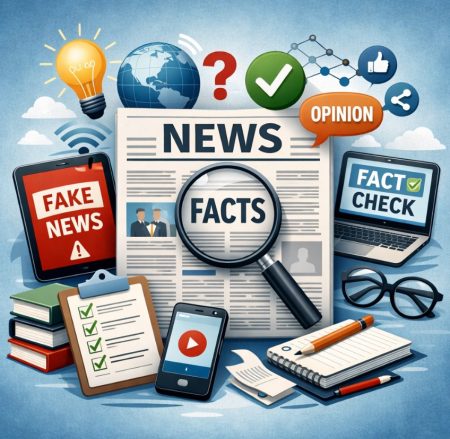
Combating misinformation requires a multi-faceted approach, combining individual responsibility, media literacy, technology, and regulatory measures. Critical thinking and fact-checking are essential tools for individuals to assess the credibility of the information they encounter. Websites like Snopes and FactCheck.org have become important resources for verifying rumours and claims circulating online. At the same time, platforms and content creators must prioritize ethical standards and transparency to ensure the accuracy of the content they share. For instance, social media companies like Twitter and Facebook have taken steps to flag or remove false claims, especially related to health and safety.
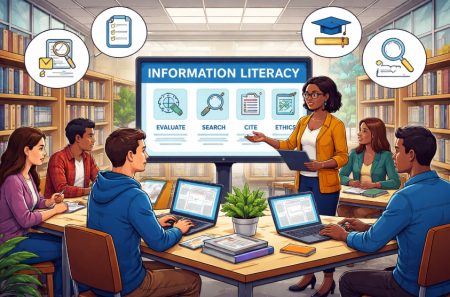
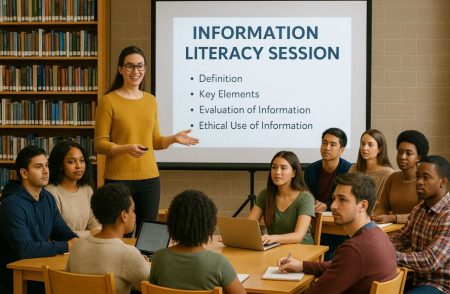
Education systems play a crucial role by integrating media literacy into curricula, enabling future generations to navigate an increasingly complex information landscape. Countries like Finland have implemented national programs that teach students how to critically evaluate online content, which has contributed to a population that is better equipped to identify misinformation.
The Primary Causes of Misinformation Spreading in Today’s Digital Age
In an era dominated by digital communication, misinformation has become a pervasive and increasingly complex issue. As technology has advanced, so too have the methods by which false information spreads. The rise of social media, the ease with which content can be shared, and the prevalence of emotionally charged narratives have all played a significant role in the rapid dissemination of misinformation. Understanding the primary causes behind the spread of misinformation is crucial for developing effective strategies to combat it. Below, we explore the key factors contributing to this phenomenon.
- The Amplification Effect of Social Media: Social media platforms have become central to how people access and share information. With billions of active users on platforms like Facebook, Twitter, Instagram, and TikTok, the speed at which information spreads is unprecedented. Social media’s algorithmic nature plays a major role in amplifying both true and false content. These platforms are designed to prioritize content that generates high engagement, such as likes, shares, and comments, which often come from sensational or controversial posts. Studies have shown that misinformation spreads more quickly than factual information on these platforms, particularly when the content is emotionally charged. This amplification is further fueled by the viral nature of posts, where one person’s share leads to an exponentially larger audience, often without any fact-checking or verification of the content.
- Echo Chambers and Filter Bubbles: Another significant cause of misinformation is the phenomenon of echo chambers and filter bubbles, both of which are often fueled by social media and personalized content algorithms. An echo chamber is an environment where people are exposed only to information that aligns with their existing beliefs, while filter bubbles are created by algorithms that tailor content based on user’s preferences and past interactions. This leads individuals to interact primarily with like-minded individuals or content, reinforcing their pre-existing opinions and biases. In such spaces, misinformation thrives because opposing viewpoints are often excluded, and individuals are less likely to be exposed to fact-checking or counterarguments. This isolation of viewpoints can deepen divides in society and make it more difficult for individuals to discern factual information from falsehoods.
- Psychological Biases and Cognitive Heuristics: Human psychology plays a major role in how misinformation is accepted and spread. Cognitive biases, such as confirmation bias, lead people to favour information that supports their existing beliefs and to reject information that contradicts them. When individuals come across misinformation that aligns with their views, they are more likely to accept it without questioning its validity. Additionally, cognitive heuristics, or mental shortcuts, help people process information more quickly but can lead to flawed reasoning. For example, the availability heuristic causes individuals to believe something is true simply because it is readily available or emotionally compelling, regardless of whether it is supported by facts. These biases make it easier for misinformation to be accepted, particularly when it appeals to emotions or aligns with personal beliefs.
- The Profit Motive Behind Misinformation: In many cases, misinformation is intentionally spread for financial gain. Sensationalized headlines and emotionally charged content attract attention, and with that attention comes advertising revenue. Many websites, blogs, and even social media influencers profit by publishing exaggerated or misleading content that is designed to generate clicks, shares, and views. For instance, websites that spread false health advice or political conspiracies often rely on the traffic generated by such content to drive revenue. This profit-driven model incentivizes the creation and spread of misleading content, as the more engaging and shocking the story, the more likely it is to go viral and generate financial returns. The economic incentives to create and share misleading information can thus significantly contribute to its widespread dissemination.
- Lack of Media Literacy: A critical factor in the spread of misinformation is the widespread lack of media literacy among the public. In today’s digital world, where information is abundant and constantly evolving, many individuals struggle to differentiate between credible sources and unreliable ones. Misinformation can be particularly persuasive when it is presented in a polished, professional manner, making it difficult for people to distinguish it from legitimate news. Without the skills to critically evaluate the information they encounter, individuals may accept misinformation as truth and share it without considering its veracity. Media literacy—teaching individuals how to analyze, evaluate, and question the sources of information they encounter—is therefore essential in combating the spread of falsehoods. However, many education systems still lack comprehensive media literacy programs, leaving individuals vulnerable to misinformation.
- Political and Ideological Manipulation: Misinformation is often spread intentionally for political or ideological reasons. Political groups, interest organizations, and even foreign actors can use misinformation as a tool to influence public opinion, sway elections, or advance specific agendas. For example, during the 2016 U.S. presidential election, Russian operatives used social media to spread divisive political content and undermine public trust in the democratic process. Similarly, misinformation campaigns are frequently launched to discredit political opponents, distort public opinion, or influence policy debates. In such cases, the intentional spread of misinformation is a deliberate strategy to manipulate public perception and shape political outcomes. This targeted manipulation of information can have profound effects on public trust, democracy, and social cohesion.
- The Role of Technology in Misinformation Creation and Spread: Advancements in technology have made it easier to create and share misinformation. Tools like deepfakes, artificial intelligence (AI), and photo manipulation software allow individuals to create realistic-looking videos and images that can deceive even the most discerning viewers. These technologies make it difficult to trust what is seen and heard online, as images and videos can be easily doctored to tell false stories. Furthermore, the rapid sharing of content across various platforms increases the likelihood that misinformation will be seen by a broad audience, often before it can be corrected. While these technological tools offer benefits in various fields, they also pose significant challenges in the fight against misinformation.
The spread of misinformation in today’s digital age is a complex issue, driven by multiple factors, including the amplification of content through social media, psychological biases, economic incentives, and technological advancements. The combination of these factors creates an environment where misinformation can thrive, often without the scrutiny or accountability that is necessary for ensuring accuracy. To combat the spread of misinformation, individuals must develop critical thinking and media literacy skills, while platforms and content creators must prioritize accuracy and ethical responsibility. Additionally, governments and policymakers have a role to play in regulating digital platforms and promoting transparency. Addressing the causes of misinformation is a collective effort that requires cooperation from all sectors of society to foster a more informed and trustworthy information ecosystem.
How to Combat Misinformation in the Digital Age
In an era where information is readily available and constantly flowing through digital channels, the spread of misinformation has become one of the most significant challenges of modern society. From social media platforms to news websites, false information can quickly gain traction, creating confusion, mistrust, and even harm. Whether it’s fake news, misleading health advice, or political disinformation, combating misinformation requires a multi-pronged approach that involves individuals, organizations, governments, and technology companies working together. Below are several strategies that can help mitigate the spread of misinformation.
- Promote Media Literacy and Critical Thinking: One of the most effective ways to combat misinformation is by improving media literacy and encouraging critical thinking. In an age where anyone can publish information, it’s crucial for individuals to develop the skills necessary to evaluate the content they encounter. Media literacy involves the ability to identify reliable sources, distinguish between fact and opinion, and recognize biased or misleading information. Educating the public, especially students, on how to critically assess news articles, social media posts, and other online content is key to preventing the spread of misinformation.
Incorporating media literacy into school curricula is an important first step. Programs that teach students how to analyze information check the credibility of sources and recognize logical fallacies can have a lasting impact. For example, Finland has implemented a national media literacy initiative that educates students from an early age on how to navigate online information responsibly. Such programs empower individuals to question the information they consume and be less susceptible to falsehoods. - Utilize Fact-Checking Services: Fact-checking organizations play a crucial role in identifying and debunking misinformation. Websites like Snopes, FactCheck.org, and PolitiFact have become essential resources for verifying the accuracy of claims circulating online. These organizations investigate and provide evidence-based analyses of questionable information, helping the public discern fact from fiction.
Social media platforms and news outlets can also collaborate with fact-checking organizations to flag or remove misleading content. For instance, Facebook and Twitter have partnered with independent fact-checking services to review and label false claims, particularly regarding health misinformation or political disinformation. Users can be directed to verified information, reducing the impact of misleading content. Fact-checking helps restore trust in reliable sources and provides an authoritative counter-narrative to misinformation. - Regulate Social Media Platforms: Social media platforms play a significant role in the dissemination of misinformation. While they provide an open forum for expression, they also facilitate the rapid spread of false information. In recent years, tech giants like Facebook, Twitter, and YouTube have faced criticism for allowing misinformation to proliferate across their platforms. Although these platforms have taken steps to mitigate the spread of false content, there is still much work to be done.
Governments and regulatory bodies can help by introducing policies that require social media companies to take greater responsibility for the content shared on their platforms. This includes developing and enforcing guidelines for content moderation and ensuring that harmful or misleading posts are identified and removed quickly. For example, the European Union’s Digital Services Act (DSA) aims to hold online platforms accountable for the spread of disinformation by introducing transparency requirements for content moderation and offering greater protections for users. Social media companies must also prioritize the development of algorithms that promote reliable, accurate content while minimizing the visibility of misleading or harmful information. - Encourage Transparency and Accountability in Journalism: The media plays a vital role in shaping public understanding, and it is crucial that news outlets remain transparent and accountable in their reporting. Journalists must adhere to ethical standards, such as verifying facts before publishing and providing clear sources for their claims. This ensures that the information they present is accurate and trustworthy, reducing the likelihood of misinformation gaining traction.
Media organizations should also engage in self-regulation by adopting best practices for combatting misinformation, such as issuing corrections when errors are made and conducting internal audits of their reporting. Furthermore, news outlets can partner with fact-checking organizations to verify the accuracy of their reporting, particularly in cases of high-profile or controversial stories. Transparency in journalism fosters credibility and trust, which are essential for combating the spread of misinformation. - Leverage Technology for Misinformation Detection: Technology can be both a driver of misinformation and a tool for combatting it. Advances in artificial intelligence (AI) and machine learning are increasingly being used to detect false information. For instance, AI algorithms can analyze patterns in content shared online to identify potential misinformation or fake news. These technologies can scan large volumes of data across social media platforms, websites, and news outlets, flagging potentially misleading content in real time.
Additionally, emerging technologies such as blockchain can help establish the provenance of information, ensuring that content is traceable to its original source. By verifying the authenticity of content, blockchain could help reduce the spread of manipulated or fabricated information. Technology companies must continue to develop innovative solutions that can assist in identifying and mitigating misinformation, providing users with the tools they need to distinguish fact from fiction. - Foster Community Engagement and Media Responsibility: Combating misinformation is not solely the responsibility of governments or technology companies. Individuals and communities also play a vital role in ensuring that false information does not spread unchecked. People must take personal responsibility for the content they share online, ensuring that it is accurate and credible before passing it on to others.
Social media users should be encouraged to report misleading or false content and to engage in thoughtful discussions that challenge misinformation. Communities can foster a culture of responsibility and accountability by supporting initiatives that promote accurate information, debunk myths, and correct falsehoods. Informed citizens are the first line of defence against misinformation, and empowering individuals to make better decisions about the content they share can have a significant impact on curbing the spread of falsehoods. - Provide Public Awareness Campaigns: Governments, NGOs, and other organizations can play a role in combatting misinformation by launching public awareness campaigns. These campaigns can educate the public about the dangers of misinformation, the importance of verifying information, and how to recognize misleading content. For example, public health campaigns that promote vaccination and counteract vaccine misinformation have been crucial in addressing public health crises.
Public awareness campaigns can also include collaborations between media outlets, schools, and community organizations to spread accurate information and dispel myths. By raising awareness about the dangers of misinformation and the tools available to combat it, these campaigns can help build a more informed public that is less susceptible to manipulation.
Combating misinformation requires a collective effort from individuals, media organizations, technology companies, and governments. By promoting media literacy, utilizing fact-checking services, regulating social media platforms, encouraging transparency in journalism, leveraging technology, and fostering community engagement, society can work together to reduce the spread of false information. Ultimately, empowering individuals to critically evaluate information and make informed decisions is the key to building a more trustworthy and informed digital ecosystem. As the challenges of misinformation continue to evolve, so too must our efforts to address them.
How Individuals Can Critically Evaluate the Sources of Information They Encounter Online
In today’s digital world, where information is constantly flowing through social media, news websites, and blogs, the ability to critically evaluate the sources of information is crucial. One of the first steps in evaluating online content is to check the credibility of the source. Reputable news outlets like BBC, Reuters, and The New York Times typically provide more reliable information than unverified or lesser-known sources. It’s also important to consider the expertise of the author. An article written by a certified expert in the field is more trustworthy than one written by someone without relevant qualifications. Furthermore, credible information is often supported by evidence, such as research studies, peer-reviewed articles, or expert opinions. If an article lacks citations or provides no evidence for its claims, it should raise a red flag. Evaluating the tone and language used in the content can also provide insight into its reliability. Reliable sources tend to use neutral and objective language, whereas misinformation often employs sensational or emotionally charged language to provoke a reaction. Cross-checking information across multiple trusted sources is another effective method for verifying its accuracy. When the same claim appears across several reputable outlets, it is more likely to be accurate. Additionally, checking the publication date ensures the information is current and relevant. Misinformation often arises from outdated content, so it is essential to confirm that the information is up-to-date. The design and domain of the website can also provide clues about its trustworthiness. Reputable sites usually have professional designs and clear domain names, while unreliable content may come from poorly designed websites with suspicious domain names. Lastly, when encountering user-generated content, such as forum posts or social media comments, it’s important to assess the reliability of the source, as these may not be fact-checked and could spread misinformation. By applying these strategies—checking sources, verifying credentials, looking for evidence, cross-checking information, and considering the website’s design—individuals can critically evaluate the information they encounter online and avoid falling victim to misinformation.
How Fact-Checking Organizations Can Effectively Counter Misinformation and Their Limitations
In the era of digital information, misinformation spreads rapidly across social media platforms, news websites, and even within personal networks. As a response to this growing problem, fact-checking organizations have emerged as essential players in verifying claims, debunking false narratives, and helping the public navigate the flood of information. These organizations, such as Snopes, PolitiFact, and FactCheck.org, play a critical role in countering misinformation by providing evidence-based evaluations of popular claims and rumours. However, despite their effectiveness, fact-checking organizations also face several challenges and limitations in their efforts to combat misinformation.
The Role of Fact-Checking Organizations in Countering Misinformation
Fact-checking organizations are dedicated to investigating claims and verifying whether they are true or false. They typically focus on high-profile or widely circulated misinformation, often related to politics, health, and science. These organizations use a rigorous methodology to assess the accuracy of statements, often consulting experts, reviewing original sources, and cross-referencing multiple pieces of evidence. Once they reach a conclusion, they publish detailed reports, which may include a rating system, such as “True,” “False,” or “Partially True,” along with explanations that break down the reasoning behind the judgment.
One of the primary ways fact-checkers counter misinformation is by providing an authoritative voice of reason. Many times, misinformation can spread rapidly because people trust familiar voices or sensational headlines without scrutinizing the content. Fact-checkers provide clarity by offering an evidence-based alternative to false claims. For example, during elections or public health crises, fact-checkers can debunk misleading or false statements made by politicians, public figures, or organizations, thereby helping the public make informed decisions based on verified facts. Fact-checking organizations also collaborate with social media platforms to flag or remove content identified as false, helping prevent further dissemination of misinformation.
In addition to their role in debunking false information, fact-checking organizations contribute to the broader goal of promoting media literacy. By demonstrating how to critically evaluate claims and exposing the methods used to manipulate information, they educate the public on how to spot misinformation on their own. Many fact-checkers also partner with educational institutions and media organizations to provide training on media literacy, empowering individuals to make better-informed judgments when encountering information online.
Limitations of Fact-Checking Organizations
While fact-checking organizations play a crucial role in combating misinformation, their efforts are not without limitations. One of the most significant challenges is the sheer volume of misinformation being generated. In today’s digital landscape, millions of pieces of content are shared every minute, making it nearly impossible for fact-checkers to keep up with all of the false information circulating. Fact-checkers must prioritize which claims to address, often focusing on the most widespread or damaging misinformation. As a result, many lesser-known or niche false claims may go unchecked, allowing misinformation to persist and potentially affect smaller communities.
Another limitation is the challenge of countering misinformation that is emotionally compelling or appeals to individuals’ preexisting beliefs. Misinformation often spreads because it resonates with people’s emotions or aligns with their ideological views. In these cases, even when fact-checking organizations provide clear evidence that a claim is false, people may continue to believe the misinformation due to cognitive biases such as confirmation bias. Confirmation bias refers to the tendency to accept information that supports one’s beliefs while rejecting information that contradicts them. This psychological barrier makes it difficult for fact-checkers to change people’s minds, especially when the misinformation is deeply ingrained or politically charged.
Additionally, fact-checking organizations may face challenges in reaching certain audiences, particularly those who are resistant to accepting mainstream sources of information. In some cases, fact-checking may be perceived as biased or part of a larger agenda, especially when the fact-checkers’ conclusions contradict the beliefs of certain groups. For instance, during political campaigns or social movements, fact-checkers may be accused of favoritism if their findings align with one side of the debate. This can undermine the credibility of fact-checking organizations and make their work less effective in influencing those who need it most.
The speed at which misinformation spreads also presents a significant obstacle. False claims can go viral within hours, and once misinformation has been widely shared, it is challenging to correct. Even if a fact-checking organization successfully debunks a claim, the misinformation may continue to circulate because it has already been widely disseminated. In some cases, the correction may not reach as large an audience as the original misinformation, leaving many individuals unaware of the truth.
Finally, while fact-checking organizations often rely on a transparent methodology, their findings can still be misinterpreted or misused. Misinformation and disinformation campaigns may continue to target these organizations, using selective reporting or false claims to undermine their credibility. Additionally, some fact-checkers may face political pressure or funding conflicts that can affect the public’s perception of their impartiality. This underscores the importance of maintaining independence and transparency in fact-checking practices to preserve public trust.
Fact-checking organizations play an indispensable role in countering the spread of misinformation by providing accurate, evidence-based assessments of widely circulated claims. They help the public distinguish between fact and fiction, promote media literacy, and work to prevent the further spread of false information. However, they face numerous challenges, including the overwhelming volume of misinformation, the emotional appeal of false claims, and resistance from certain audiences. Despite these limitations, the work of fact-checkers remains essential in fostering a more informed society and combating the pervasive issue of misinformation. To enhance their effectiveness, fact-checking organizations must continue to collaborate with media outlets, technology companies, and educational institutions while finding innovative ways to reach diverse audiences and promote critical thinking.
How Influencers and Celebrities Can Play a Positive Role in Reducing Misinformation
In the digital age, influencers and celebrities wield immense power over public opinion. With millions of followers on social media platforms like Instagram, Twitter, YouTube, and TikTok, their voices can shape trends, promote causes, and influence the behaviours of their audiences. However, this power also comes with responsibility. As misinformation continues to spread rapidly across digital channels, influencers and celebrities have a unique opportunity to use their platforms to reduce the prevalence of false or misleading information. By promoting critical thinking, supporting fact-based content, and encouraging responsible sharing, they can contribute significantly to combatting the spread of misinformation.
- Modelling Critical Thinking and Fact-Checking: One of the most important ways influencers and celebrities can help reduce misinformation is by promoting the value of critical thinking and fact-checking. Given their broad reach, these individuals can set a positive example for their followers by questioning the information they encounter, verifying facts, and encouraging others to do the same. By sharing posts that emphasize the importance of checking sources before accepting or sharing information, influencers can encourage their followers to approach online content with a more discerning eye.
For instance, influencers can encourage the use of fact-checking websites such as Snopes, FactCheck.org, and PolitiFact, or promote tools like browser extensions that alert users to potential misinformation. When they share verified information or debunk myths, they demonstrate to their audience the value of accurate, credible sources, which can lead to a more informed and cautious approach to online content. This approach not only helps reduce misinformation but also empowers followers to make informed decisions in an age where false claims are rampant. - Sharing Evidence-Based Information: Influencers and celebrities can also play a vital role in promoting evidence-based content, particularly in areas like health, science, and politics, where misinformation can have serious consequences. By sharing posts or videos that highlight scientific consensus, verified news stories, or expert opinions, influencers can help guide their followers toward reliable sources of information. For example, during the COVID-19 pandemic, many influencers used their platforms to share scientifically accurate information about the virus, prevention measures, and vaccination, helping to combat widespread misinformation about public health.
In addition to sharing factual content, influencers can collaborate with experts to educate their followers. For example, a health influencer might work with medical professionals to debunk common health myths or misconceptions. By amplifying the voices of trusted experts, influencers can ensure that their audience receives accurate, well-supported information, which is essential in a landscape where misinformation is often propagated by unverified or biased sources. - Promoting Media Literacy: Another powerful way influencers and celebrities can reduce misinformation is by promoting media literacy. The digital world is filled with content that ranges from credible to misleading, and many individuals struggle to differentiate between the two. Influencers have the opportunity to use their platforms to educate their followers about how to evaluate the reliability of online content. By explaining the importance of examining the credibility of sources, checking for bias, and recognizing the signs of manipulated content (such as deepfakes or edited images), influencers can equip their audience with the tools to identify misinformation on their own.
Influencers can also raise awareness about the dangers of echo chambers and filter bubbles, which can reinforce misinformation by only exposing individuals to content that aligns with their existing beliefs. By encouraging followers to seek diverse viewpoints and engage with a range of reliable sources, influencers can help foster a more balanced and informed digital ecosystem. - Setting an Example in Responsible Sharing: Influencers and celebrities are not only content creators; they are also key players in the dissemination of information. With every post, tweet, or video, they contribute to the flow of information on social media. As such, they have the power to model responsible sharing behaviours that can help curb the spread of misinformation.
Influencers can lead by example by being cautious about what they share. Before reposting or sharing information, they can take the time to verify the content and ensure that it is credible. Additionally, they can encourage their followers to pause and think critically before sharing information themselves. By reinforcing the idea that not everything shared online is true, influencers can help break the cycle of misinformation and reduce its reach. Furthermore, when influencers make mistakes or share incorrect information, they should be transparent about the error and correct it publicly. This not only builds trust with their audience but also sets a standard for accountability in digital spaces. - Fostering Positive Online Communities: Influencers and celebrities often have the ability to cultivate loyal and engaged online communities. By fostering a culture of respect, critical engagement, and open-mindedness, they can create environments where misinformation is less likely to thrive. Encouraging thoughtful discussions, promoting diverse opinions, and providing educational resources within these communities can help prevent the spread of false or misleading information.
Additionally, influencers can actively moderate their platforms to ensure that harmful or misleading content is addressed. By setting clear guidelines for acceptable behaviour and taking action against the spread of misinformation within their communities, influencers can create a safer space for informed discourse. This includes discouraging hate speech, conspiracies, and personal attacks, which are often linked to the spread of misinformation. - Collaborating with Fact-Checkers and Organizations: Influencers and celebrities can also work directly with fact-checking organizations, researchers, and advocacy groups to amplify their efforts in reducing misinformation. By collaborating with these organizations, influencers can help amplify accurate information and expose false claims to their wide audience. For instance, an influencer might partner with a fact-checking platform to share verified content or to correct widely circulated misinformation. These collaborations can increase the visibility of fact-based content and ensure that it reaches a broader audience.
Moreover, influencers can use their platforms to promote initiatives or campaigns that are specifically designed to tackle misinformation. By lending their influence to these causes, they can raise awareness about the importance of combating false narratives and contribute to broader societal efforts to address the issue.
Influencers and celebrities have a unique opportunity to play a positive role in reducing misinformation by leveraging their vast reach and influence for good. Through modelling critical thinking, sharing evidence-based information, promoting media literacy, practising responsible sharing, fostering positive communities, and collaborating with fact-checkers, they can help create a more informed public. However, their efforts must be genuine and consistent to be effective. As trusted figures in the digital world, influencers and celebrities hold the power to shape public discourse and significantly reduce the spread of misinformation. By embracing this responsibility, they can help ensure that their platforms become spaces for truth, understanding, and informed decision-making.
Reference Articles:
- Altay, S. (2025). How Effective Are Interventions Against Misinformation? OSF. https://doi.org/10.31234/osf.io/sm3vk_v2
- Bragazzi, N. L., & Garbarino, S. (2024). Understanding and Combating Misinformation: An Evolutionary Perspective. JMIR Infodemiology, 4(1), e65521. https://doi.org/10.2196/65521
- Burkhardt, J. M. (n.d.). Library Technology Reports vol. 53, no. 8, “Combating Fake News in the Digital Age.”
- Chen, C., & Shu, K. (2024). Combating misinformation in the age of LLMs: Opportunities and challenges. AI Magazine, 45(3), 354–368. https://doi.org/10.1002/aaai.12188
- Dame Adjin-Tettey, T. (2022). Combating fake news, disinformation, and misinformation: Experimental evidence for media literacy education. Cogent Arts & Humanities, 9(1), 2037229. https://doi.org/10.1080/23311983.2022.2037229
- Desai, A. N., Ruidera, D., Steinbrink, J. M., Granwehr, B., & Lee, D. H. (2022). Misinformation and Disinformation: The Potential Disadvantages of Social Media in Infectious Disease and How to Combat Them. Clinical Infectious Diseases, 74(Supplement_3), e34–e39. https://doi.org/10.1093/cid/ciac109
- Johansson, P., Enock, F., Hale, S., Vidgen, B., Bereskin, C., Margetts, H., & Bright, J. (2022). How can we combat online misinformation? A systematic overview of current interventions and their efficacy (arXiv:2212.11864). arXiv. https://doi.org/10.48550/arXiv.2212.11864
- Joy, A. H., Zoha, S., & Akhter, S. (2025). Data augmentation and deep learning model to predict the mechanical properties of AlSi10Mg material fabricated using Laser Powder Bed Fusion additive manufacturing. Materials Today Communications, 46, 112288. https://doi.org/10.1016/j.mtcomm.2025.112288
- Ohwadua, E. (2024). Combating Disinformation and Misinformation through Source Identification and Tracking. International Journal of Science, Technology & Management, 5(2), Article 2. https://doi.org/10.46729/ijstm.v5i2.1085
- Popescu, M.-M. (2020). Media Literacy Tools in Combating Disinformation and Fake News in Social Media. Bulletin of the Transilvania University of Braşov, Series VII: Social Sciences and Law, 13(1), 103–112.
- Roozenbeek, J., & van der Linden, S. (2022). How to Combat Health Misinformation: A Psychological Approach. American Journal of Health Promotion, 36(3), 569–575. https://doi.org/10.1177/08901171211070958
- Waldrop, M. M. (2023). How to mitigate misinformation. Proceedings of the National Academy of Sciences, 120(36), e2314143120. https://doi.org/10.1073/pnas.2314143120