The digital divide refers to the growing gap between those who have access to modern information and communication technologies, such as the Internet and computers, and those who do not. This divide exists not only between countries but also within societies, influenced by various factors such as socioeconomic status, geographical location, education, and infrastructure. At its core, the digital divide highlights disparities in access to digital tools and the skills required to utilize them effectively. The causes of this divide are multifaceted, including inadequate infrastructure in rural areas, limited financial resources, and unequal access to education, all of which prevent large segments of the global population from fully participating in the digital age. The consequences of this inequality are far-reaching, affecting everything from education and healthcare to economic opportunities and political participation. Marginalized groups, in particular, face significant barriers that perpetuate cycles of poverty and exclusion. However, there are a growing number of potential solutions aimed at narrowing this divide. These solutions involve a combination of policy interventions, technological innovations, and community-based efforts to provide affordable access to digital technologies and promote digital literacy. By addressing the root causes and exploring scalable solutions, it is possible to create a more inclusive digital landscape that ensures equal opportunities for all in the digital era.
What is the Digital Divide?
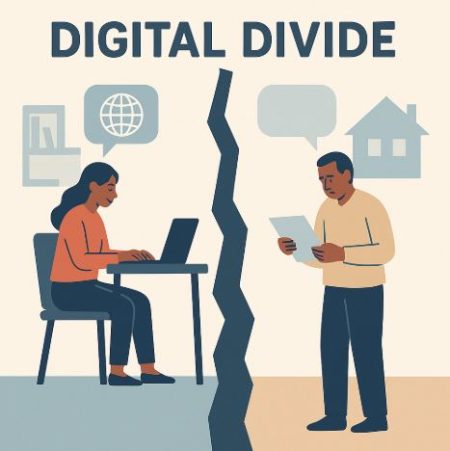
The digital divide refers to the disparity between those who have easy access to modern information and communication technologies (ICTs) and those who do not. This divide is shaped by several factors, including geography, socioeconomic status, education, and infrastructure, and can exist at various levels – from global differences between developed and developing nations to local gaps between urban and rural areas. For example, in many parts of sub-Saharan Africa, access to the Internet and basic technological infrastructure remains limited, making it difficult for people in these regions to benefit from digital resources. In contrast, countries like the United States, Germany, and South Korea have widespread high-speed internet access, leaving people in poorer regions at a significant disadvantage.
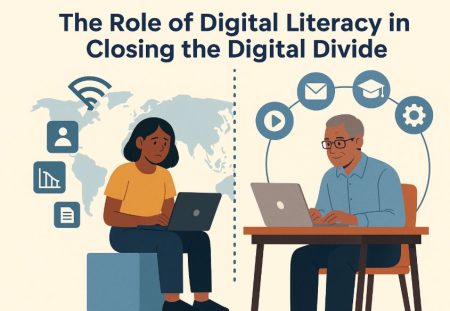
The digital divide also manifests in urban versus rural areas within countries. In rural areas, even in highly developed nations, internet connectivity can be spotty or prohibitively expensive. For instance, rural communities in the United States often rely on slower and less reliable broadband connections compared to their urban counterparts. Similarly, low-income families in urban areas may not afford devices like computers or smartphones, further limiting their access to digital resources. In contrast, wealthier families may have multiple devices, high-speed internet, and digital literacy skills, enabling them to take full advantage of educational tools, work opportunities, and social engagement online. Additionally, the divide encompasses differences in digital literacy. For example, older generations may struggle to navigate digital platforms, leading to what is often referred to as the “generational divide.” In many countries, older adults may lack the necessary skills to effectively use smartphones, social media, or even basic internet searches, leaving them further isolated in a digital world. Meanwhile, younger generations who have grown up with technology tend to be more comfortable and proficient in using digital tools.
The consequences of the digital divide are far-reaching and multifaceted. In education, students without access to reliable internet or devices are at a disadvantage, particularly highlighted during the COVID-19 pandemic when many schools shifted to online learning. Students in rural areas or from low-income families often faced significant barriers to participating in remote learning, which hindered their academic performance and future opportunities. In healthcare, individuals without digital access may struggle to access telemedicine services, online health information, or appointment scheduling tools, limiting their ability to manage their health effectively. Similarly, in the job market, those without digital skills are often excluded from many employment opportunities that require Internet access, such as remote work or online job applications.
Bridging the digital divide is essential for promoting equality, providing opportunities for personal and professional growth, and ensuring that all individuals can benefit from advancements in technology. Efforts to address the divide include initiatives to expand broadband infrastructure in underserved areas, provide affordable devices to low-income families, and promote digital literacy programs. For example, the “Tech Goes Home” initiative in the United States offers affordable computers and training to low-income families, helping them bridge the digital gap. Similarly, countries like Estonia have implemented nationwide digital literacy programs, ensuring that all citizens are equipped with the necessary skills to thrive in a digital society.
The Causes of the Digital Divide
The digital divide is a complex and multifaceted issue that highlights the inequality in access to digital technologies and the internet. As the world becomes more interconnected through technology, the gap between those who can access and effectively use these technologies and those who cannot continue to widen. This divide is not merely about having access to devices or the internet; it encompasses a range of factors that prevent equal participation in the digital world. Understanding the underlying causes of the digital divide is essential to developing strategies that can bridge this gap and create a more equitable digital landscape for all.
- Socioeconomic Status: One of the most significant factors contributing to the digital divide is socioeconomic status. The ability to afford digital technologies such as computers, smartphones, and high-speed internet is often out of reach for people from lower-income households. In both developed and developing countries, the cost of these devices and services can be prohibitively expensive, leaving large segments of the population unable to participate in the digital economy. For example, in countries like the United States, many low-income families struggle to afford the high cost of broadband subscriptions and the latest digital devices, thus limiting their ability to access education, healthcare, job opportunities, and government services online.
In many developing nations, where average income levels are much lower, the cost of even a basic smartphone or affordable data plan can exceed the monthly income of a typical household. As a result, individuals in these areas are unable to access essential digital resources that are critical to education, employment, and overall economic development. - Geographic Disparities and Infrastructure Gaps: Geographic location is another key cause of the digital divide. While urban areas typically have access to high-speed broadband and advanced digital infrastructure, rural and remote areas often suffer from limited or no internet connectivity. The lack of infrastructure in these regions makes it difficult for residents to access the internet, resulting in a significant divide between urban and rural populations.
In many parts of the world, rural areas are not only geographically distant from technological hubs but also lack the necessary physical infrastructure, such as fiber-optic cables, cell towers, or reliable electricity, to support digital services. In the United States, for example, rural communities often rely on slower internet connections such as satellite or dial-up, which are much less reliable and more expensive than the fiber-optic broadband available in urban areas. This infrastructure gap leaves rural residents with limited access to online education, e-commerce, healthcare, and employment opportunities. - Educational Inequality and Digital Literacy: Education and digital literacy play a critical role in bridging the digital divide, yet they are also significant causes of the divide. People who lack the necessary skills to navigate and use digital technologies are at a disadvantage in today’s society. This gap in digital literacy is particularly pronounced among older generations, people with limited education, and those in lower-income households who may not have had exposure to digital technologies.
In many developing countries, education systems lack the resources to teach digital skills, and many students are not provided with access to computers or the internet. This educational gap leaves a large portion of the population without the skills required to use digital tools effectively, further reinforcing existing inequalities. In contrast, in more developed nations, digital literacy is often integrated into the curriculum from an early age, giving students a head start in acquiring the skills necessary to thrive in a digital world. Without such resources and education, many individuals remain excluded from the benefits of digital technology. - Cultural and Language Barriers: Cultural and language differences also contribute to the digital divide, especially in a globalized world where much of the digital content is in English or other widely spoken languages. People who speak less common languages or come from different cultural backgrounds may find it challenging to navigate online platforms that are designed primarily for English speakers or Western users. As a result, non-English-speaking individuals are often excluded from accessing vital online resources, such as educational materials, job listings, and government services.
In many countries, local languages are not supported by major digital platforms or websites, which creates further barriers to entry. For example, much of the digital content available online is in English, which can be a significant disadvantage for non-English speakers who may not have the language skills to access or fully understand this content. This language barrier further exacerbates the digital divide, especially in regions with a high degree of linguistic diversity. - Government Policies and Regulatory Frameworks: The role of government policies in shaping the digital divide cannot be understated. Governments in some countries prioritize digital infrastructure development and digital literacy initiatives, which can help bridge the digital divide. However, in many other regions, governments may not invest enough in these areas, leaving large portions of the population without access to essential digital resources.
For example, in many low-income countries, governments struggle with limited budgets and are often unable to provide affordable internet access or the necessary infrastructure to support widespread digital inclusion. Furthermore, government regulations in some regions may restrict access to digital content or technology, creating an additional barrier to equal participation in the digital age. In some authoritarian regimes, internet censorship and restrictions on digital communication further isolate individuals, preventing them from fully benefiting from online resources. - Technological Advancements and Device Affordability: The rapid pace of technological innovation is another factor contributing to the digital divide. As new devices and digital platforms are developed, individuals who cannot afford the latest technologies or are unable to keep up with rapid advancements find themselves increasingly excluded. For instance, as smartphones, tablets, and computers evolve, older devices may become obsolete, and those without the financial means to upgrade may struggle to stay connected.
In many low-income communities, access to devices is limited, and the cost of purchasing new technologies is often too high. As technology becomes more advanced, the divide between those who can afford the latest devices and those who cannot becomes even more pronounced. - Workplace and Employment Inequality: The digital divide is also perpetuated by inequalities in the workplace. As businesses increasingly rely on digital tools for communication, data management, and remote work, individuals without digital skills or access to technology are at a significant disadvantage. Workers in lower-wage, manual labor jobs are less likely to have the opportunity to acquire digital skills or access the technology required to work in a digital environment. This exclusion from the digital workforce limits their job opportunities and wages, reinforcing the cycle of poverty.
Many low-income workers and those in rural areas lack access to digital training programs that could help them develop the skills necessary for digital careers. This lack of skill development keeps them from accessing higher-paying, technology-driven jobs, further deepening the economic divide.
The causes of the digital divide are multifaceted, stemming from a combination of economic, geographic, educational, cultural, and governmental factors. To effectively bridge the gap, a holistic approach is needed that addresses these root causes. Expanding digital infrastructure, improving access to affordable devices, promoting digital literacy programs, and creating inclusive policies are crucial steps in ensuring that all individuals, regardless of their background, have equal opportunities to thrive in a digital world. Without such efforts, the digital divide will continue to perpetuate inequality, hindering both personal and societal development.
Consequences of the Digital Divide
The digital divide, the gap between those who have access to digital technologies and those who do not, has profound consequences that extend beyond mere access to information. These consequences impact individuals, communities, and even entire nations, contributing to social, economic, educational, and political disparities. As digital technologies become increasingly integral to daily life, the divide between the “haves” and “have-nots” in terms of digital access deepens, leading to a range of challenges that hinder individual and collective growth. Understanding the consequences of the digital divide is crucial to addressing these disparities and developing solutions that promote digital inclusion for all.
- Educational Disparities: One of the most significant consequences of the digital divide is its impact on education. The digital divide exacerbates existing educational inequalities, particularly in low-income and rural areas. During the COVID-19 pandemic, for example, schools around the world shifted to online learning, but millions of students in underserved communities were unable to participate because they lacked access to reliable internet connections or digital devices. As a result, students in these areas were left behind, unable to continue their education in the same way as their peers in more affluent areas with better access to technology.
This educational disparity is not limited to the ability to access online learning. Students who lack digital skills are at a disadvantage in today’s increasingly technology-driven world. Without access to the internet and digital tools, students miss out on important educational resources, research materials, and opportunities for online collaboration. Over time, these disparities can lead to long-term academic underachievement and diminished opportunities for higher education and future employment. - Economic Inequality and Employment Opportunities: The digital divide also plays a critical role in widening economic inequality. As more jobs and economic opportunities move online, individuals without internet access or digital skills are excluded from these opportunities. In today’s job market, many positions require basic digital literacy, such as the ability to use email, work with spreadsheets, or manage data using digital platforms. People who lack access to these skills or the necessary technology find themselves at a significant disadvantage, limiting their career prospects and earning potential.
In rural or economically disadvantaged areas, the lack of access to high-speed internet further limits opportunities for remote work, which has become increasingly common, especially after the pandemic. For individuals in low-income communities, this exclusion from the digital economy contributes to a cycle of poverty, where lack of access to technology and skills keeps them from obtaining well-paying jobs or advancing in their careers. Additionally, small businesses in underserved areas may struggle to reach customers or operate efficiently without access to e-commerce platforms or digital marketing tools, further hindering local economic development. - Social Isolation and Exclusion: The digital divide also contributes to social isolation and exclusion. In an increasingly connected world, the internet has become a primary means of communication, social interaction, and engagement. Individuals without access to digital technologies are often cut off from the social networks, online communities, and cultural resources that are vital for staying connected with family, friends, and society. This isolation can be particularly severe for elderly individuals who may not have the digital skills to use social media or video conferencing tools, further distancing them from their social support systems. Moreover, marginalized groups, such as those living in rural areas or those with low incomes, may find themselves excluded from essential online services, including healthcare consultations, government services, and social welfare programs. In times of crisis, such as during natural disasters or public health emergencies, those without access to digital technologies are often the last to receive critical information and updates, leaving them vulnerable to additional risks.
- Limited Access to Healthcare and Health Information: Access to healthcare has increasingly moved online, and the digital divide directly affects individuals’ ability to benefit from this shift. Telemedicine services, online appointment scheduling, and health information resources are essential for modern healthcare systems. However, individuals without access to reliable internet or digital devices are often unable to access these services, making it more difficult for them to seek medical advice, manage chronic conditions, or receive timely healthcare information.
For example, in rural areas where healthcare facilities may be limited, telemedicine could provide a crucial link to medical professionals. However, without adequate internet infrastructure, patients in these areas are left without an important tool for healthcare access. Additionally, people without access to the internet are also at risk of not receiving accurate, up-to-date health information, particularly when it comes to issues like vaccination programs, disease prevention, and mental health support. This lack of access to health information can exacerbate health inequalities, contributing to poorer health outcomes for already vulnerable populations. - Political Disengagement and Democratic Exclusion: The digital divide also has significant political consequences. As more governmental processes and political engagement move online, individuals without access to the internet are excluded from participating in democratic processes. Voting systems, public policy debates, and civic engagement activities are increasingly conducted through digital platforms. For example, online voter registration, access to government services, and public consultations are now commonplace in many countries.
People without digital access or digital literacy are less likely to engage in these activities, resulting in lower levels of political participation among underserved groups. This exclusion undermines the democratic principle of equal representation, as the voices of marginalized communities may not be heard in political decision-making processes. Moreover, limited access to information can prevent people from staying informed about political issues and current events, reducing their ability to make informed decisions during elections or advocacy efforts. - Exacerbation of Existing Inequalities: The digital divide does not exist in a vacuum; rather, it reinforces and exacerbates existing social and economic inequalities. People from marginalized backgrounds, including those in low-income households, rural areas, and developing countries, are already disadvantaged in numerous ways. The digital divide compounds these challenges, further entrenching systemic inequalities. Individuals who already face barriers in terms of education, healthcare, and employment are disproportionately impacted by the lack of access to digital technologies, which perpetuates the cycle of poverty and exclusion.
For example, women and girls in certain regions may face additional challenges when it comes to accessing digital tools and education due to cultural or societal norms that limit their access to technology. This gendered aspect of the digital divide further limits opportunities for women and girls, particularly in developing countries, where access to education and technology may be restricted based on gender. - Barriers to Innovation and Economic Growth: The digital divide also stifles innovation and economic growth. When large segments of the population are excluded from digital advancements, societies as a whole miss out on the potential benefits of widespread technological adoption. Digital technologies are essential for driving innovation, fostering new industries, and improving productivity across sectors. When individuals and communities lack access to these technologies, their ability to contribute to and benefit from these advancements is limited, which can slow down overall economic growth.
For instance, small businesses in underserved areas may be unable to take advantage of digital marketing tools, e-commerce platforms, or other technological innovations that could help them grow. Similarly, individuals without access to digital technologies are less likely to develop the skills needed to participate in emerging industries, such as artificial intelligence, data analysis, and software development.
The consequences of the digital divide are far-reaching, affecting nearly every aspect of modern life. From education and healthcare to employment and political participation, the lack of access to digital technologies creates significant barriers for individuals and communities. These consequences not only hinder personal growth and development but also contribute to the deepening of social and economic inequalities. Addressing the digital divide is crucial to creating a more equitable and inclusive society, ensuring that everyone, regardless of their background or location, has the opportunity to fully participate in the digital world. Bridging this gap requires concerted efforts from governments, private sector organizations, and communities to expand access to digital infrastructure, improve digital literacy, and ensure that technology serves as a tool for empowerment rather than exclusion.
Solutions to the Digital Divide
The digital divide remains one of the most pressing issues in our increasingly interconnected world. However, various strategies can help bridge this gap and ensure that all individuals, regardless of their socioeconomic status, geographical location, or educational background, have equal access to digital resources. Addressing the digital divide requires multifaceted approaches, combining technological advancements, policy reforms, educational initiatives, and community-driven solutions. Here, we explore some of the most effective solutions that can help bridge the digital divide and promote digital inclusion.
- Expanding Internet Infrastructure: One of the fundamental steps in bridging the digital divide is expanding internet infrastructure, especially in underserved and rural areas. Governments and private sector companies must invest in building reliable and affordable broadband networks, ensuring that high-speed internet is available to all individuals, regardless of location. In rural and remote areas, where internet connectivity is often limited or non-existent, deploying advanced technologies such as satellite internet, 5G networks, and low-cost fiber-optic cables can provide the necessary infrastructure to connect people to the digital world.
In many countries, public-private partnerships can play a crucial role in improving internet access. For example, initiatives like Google’s Project Loon and SpaceX’s Starlink aim to bring satellite internet to remote regions where traditional broadband infrastructure is difficult or too expensive to deploy. Governments can also incentivize private companies to invest in broadband expansion through subsidies, tax breaks, and other regulatory support. - Affordable Access to Digital Devices: Access to devices such as smartphones, computers, and tablets is another critical aspect of the digital divide. For many people, especially in low-income households, purchasing these devices is financially prohibitive. To address this, governments, non-governmental organizations (NGOs), and private companies should work together to provide affordable digital devices to underserved communities. Programs that offer low-cost or subsidized computers and smartphones to students, low-income families, and marginalized groups can significantly increase access to technology.
For example, programs like the “One Laptop Per Child” initiative have helped provide affordable laptops to children in developing countries, equipping them with the tools they need for education. Similarly, companies such as Dell, Lenovo, and Microsoft have partnered with governments and NGOs to offer discounted or refurbished devices to low-income communities. Providing access to affordable devices is essential for ensuring that people are not left behind in the digital age. - Digital Literacy and Education Programs: Another crucial solution to the digital divide is promoting digital literacy. Even when people have access to the necessary devices and internet connectivity, they may not possess the skills required to use technology effectively. Digital literacy programs, which teach people how to use the internet, navigate online platforms, and use digital tools for education, employment, and communication, are essential for ensuring equitable access to digital resources.
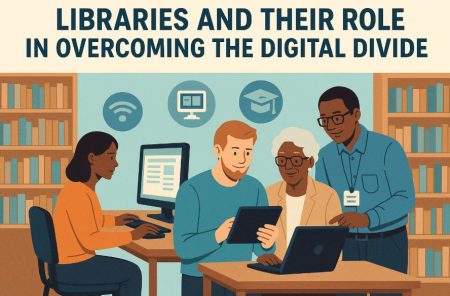
Governments, educational institutions, and community organizations can play a pivotal role in providing digital literacy training. These programs can be offered in schools, libraries, community centers, and even through online platforms. For example, the “Digital Literacy for All” initiative, launched by the European Commission, aims to teach basic digital skills to citizens across Europe. Similarly, the “Tech Goes Home” program in the United States provides affordable technology and training to low-income families to help them improve their digital literacy.
In addition, integrating digital literacy into school curriculums is a powerful way to ensure that future generations are prepared to navigate the digital world. Teaching digital skills from an early age equips students with the necessary tools to succeed in a technology-driven society and reduces the digital divide across generations. - Government Policies and Public Investments: Government policies and public investments play a critical role in addressing the digital divide. Governments can implement policies that encourage the expansion of digital infrastructure, the provision of affordable devices, and the development of digital skills. Policies such as subsidizing broadband access for low-income households, providing tax incentives to companies that invest in rural internet infrastructure, and funding digital literacy programs can all help bridge the gap.
In many developing countries, governments can prioritize digital inclusion in national development plans, recognizing the importance of technology in driving economic growth, improving education, and increasing access to healthcare. International organizations, such as the United Nations and the World Bank, also play an essential role in supporting digital inclusion efforts in developing countries by providing funding, technical assistance, and capacity-building programs. - Community-Based Solutions: In addition to national and global efforts, local community-based solutions are vital in addressing the digital divide. Local communities can develop innovative approaches to ensure that their members have access to technology and digital skills. Community centers, libraries, and non-profit organizations can serve as hubs for digital inclusion by offering free internet access, training programs, and digital resources to underserved populations.
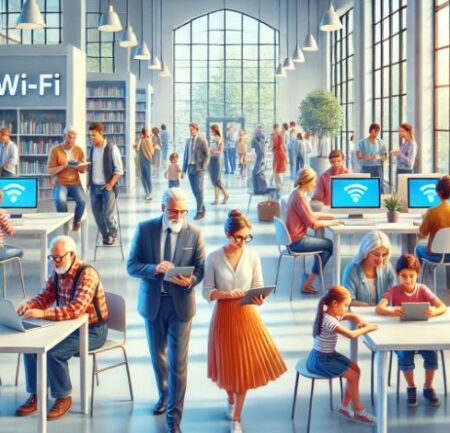
For instance, community centers can host workshops on digital literacy, providing hands-on training in using the internet, sending emails, and navigating social media. Libraries can serve as essential access points for free internet and digital resources, offering support to individuals who cannot afford their own devices. Programs that distribute donated computers, refurbish old devices, or provide internet access in underserved areas can also play a key role in narrowing the divide. Additionally, mobile technology can offer solutions in areas where fixed internet infrastructure is lacking. Community-based mobile hotspots can provide internet access to people in remote areas, allowing them to participate in online learning, access government services, and engage with digital platforms. - Promoting Inclusion in Technology Design: Ensuring that technology is inclusive and accessible is another critical solution to the digital divide. Technology companies must design products and services that are affordable, easy to use, and accessible to all people, including those with disabilities, elderly individuals, and those with limited digital literacy. This includes creating user-friendly interfaces, providing multilingual support, and ensuring that digital platforms are accessible to people with visual, hearing, or cognitive impairments.
Inclusive design practices not only benefit individuals who are marginalized in the digital divide but also improve the overall usability and reach of technology. By prioritizing inclusion in the design of digital tools and platforms, companies can ensure that everyone has the opportunity to benefit from digital advancements. - International Cooperation and Global Initiatives: The digital divide is a global issue that requires international cooperation to address. Wealthier nations and international organizations can work together to support digital inclusion efforts in developing countries. Through initiatives like the United Nations’ Broadband Commission for Sustainable Development, countries can collaborate to promote affordable internet access, digital skills training, and the development of digital economies.
In addition, international aid and development programs can provide resources to help developing nations build digital infrastructure, establish educational programs, and create policies that promote digital inclusion. By fostering global partnerships, the international community can help ensure that the digital revolution benefits everyone, regardless of where they live.
Bridging the digital divide is a complex and ongoing challenge that requires a combination of technological, educational, governmental, and community-driven solutions. Expanding internet infrastructure, providing affordable devices, promoting digital literacy, and implementing inclusive policies are all essential steps in ensuring that all individuals can participate in the digital world. By taking a comprehensive approach, we can work toward creating a more equitable society, where technology serves as a tool for empowerment, opportunity, and social inclusion for all.
Reference Articles:
- Agbo, I. S. (2017). Causes of Gender Digital Divide in Ebonyi State and Its Possible Solutions.
- Alkureishi, M. A., Choo, Z.-Y., Rahman, A., Ho, K., Benning-Shorb, J., Lenti, G., Sánchez, I. V., Zhu, M., Shah, S. D., & Lee, W. W. (2021). Digitally Disconnected: Qualitative Study of Patient Perspectives on the Digital Divide and Potential Solutions. JMIR Human Factors, 8(4), e33364. https://doi.org/10.2196/33364
- Cooper, J., & Weaver, K. D. (2003). Gender and Computers: Understanding the Digital Divide. Psychology Press. https://doi.org/10.4324/9781410608932
- Epstein, D., Nisbet ,Erik C., & and Gillespie, T. (2011). Who’s Responsible for the Digital Divide? Public Perceptions and Policy Implications. The Information Society, 27(2), 92–104. https://doi.org/10.1080/01972243.2011.548695
- Friedman, W. (n.d.). The Digital Divide.
- Giebel, M. (2013). Digital Divide, Knowledge and Innovations (SSRN Scholarly Paper 2091123). Social Science Research Network. https://papers.ssrn.com/abstract=2091123
- Hammond, A. S. (2002). The Digital Divide in the New Millennium. Cardozo Arts & Entertainment Law Journal, 20, 135.
- Helsper, E. (2021). The Digital Disconnect: The Social Causes and Consequences of Digital Inequalities. 1–232.
- Jun, W. (2021). A Study on Cause Analysis of Digital Divide among Older People in Korea. International Journal of Environmental Research and Public Health, 18(16), Article 16. https://doi.org/10.3390/ijerph18168586
- Korupp, S. E., & Szydlik, M. (2005). Causes and Trends of the Digital Divide. European Sociological Review, 21(4), 409–422. https://doi.org/10.1093/esr/jci030
- Light, J. (2009). Rethinking the Digital Divide. Harvard Educational Review, 71(4), 709–734. https://doi.org/10.17763/haer.71.4.342x36742j2w4q82
- Lloyd, R., Given, J., & Hellwig, O. (2000). The Digital Divide: Some Explanations. Agenda: A Journal of Policy Analysis and Reform, 7(4), 345–358.
- Maurer, C., & Lutz, V. (2011). The Impact of Digital Divide on Global Tourism: Strategic Implications of Overcoming Communication Gaps Caused by Digital Inequalities. In R. Law, M. Fuchs, & F. Ricci (Eds.), Information and Communication Technologies in Tourism 2011 (pp. 265–277). Springer. https://doi.org/10.1007/978-3-7091-0503-0_22
- McCarthy, M. T. (2022). The Big Data Divide and Its Consequences. In Machine Learning and the City (pp. 547–559). John Wiley & Sons, Ltd. https://doi.org/10.1002/9781119815075.ch46
- Muwani, T. S., Ranganai, N., Zivanai, L., & Munyoro, B. (2022). The Global Digital Divide and Digital Transformation: The Benefits and Drawbacks of Living in a Digital Society. In Digital Transformation for Promoting Inclusiveness in Marginalized Communities (pp. 217–236). IGI Global Scientific Publishing. https://doi.org/10.4018/978-1-6684-3901-2.ch011
- Singla, A. (2022). Systems Thinking Applied to Digital Divide [Thesis, Massachusetts Institute of Technology]. https://dspace.mit.edu/handle/1721.1/147370
- van Dijk, J. A. G. M. (2006). Digital divide research, achievements and shortcomings. Poetics, 34(4), 221–235. https://doi.org/10.1016/j.poetic.2006.05.004
- Van Dijk, J. A. G. M. (2009). The Digital Divide in Europe. The Routledge Handbook of Internet Politics.
- Van Dijk, J. A. G. M. (2017). Digital Divide: Impact of Access. In P. Rössler, C. A. Hoffner, & L. Zoonen (Eds.), The International Encyclopedia of Media Effects (1st ed., pp. 1–11). Wiley. https://doi.org/10.1002/9781118783764.wbieme0043
- van Dijk, J., & and Hacker, K. (2003). The Digital Divide as a Complex and Dynamic Phenomenon. The Information Society, 19(4), 315–326. https://doi.org/10.1080/01972240309487
- Western, M. J., Smit ,Eline S., Gültzow ,Thomas, Neter ,Efrat, Sniehotta ,Falko F., Malkowski ,Olivia S., Wright ,Charlene, Busse ,Heide, Peuters ,Carmen, Rehackova ,Lucia, Gabriel Oteșanu ,Angelo, Ainsworth ,Ben, Jones ,Christopher M., Kilb ,Michael, Rodrigues ,Angela M., Perski ,Olga, Wright ,Alison, & and König, L. M. (2025). Bridging the digital health divide: A narrative review of the causes, implications, and solutions for digital health inequalities. Health Psychology and Behavioral Medicine, 13(1), 2493139. https://doi.org/10.1080/21642850.2025.2493139
- Zanker, C. (n.d.). The Global Digital Divide – Problems and Solutions.
- Zdjelar, R., & Žajdela Hrustek, N. (2021). Digital Divide and E-Inclusion as Challenges of the Information Society – Research Review. Journal of Information and Organizational Sciences, 45(2), 601–638. https://doi.org/10.31341/jios.45.2.14