
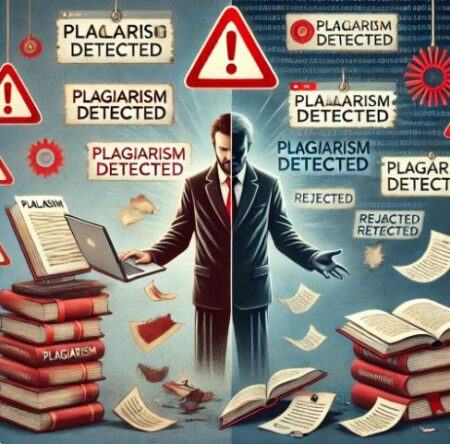
Plagiarism, the act of using someone else’s ideas, words, or work without proper acknowledgment, is a serious violation of ethical writing standards. It undermines the value of originality, disrespects intellectual property, and can lead to academic, professional, and legal consequences. Whether intentional or accidental, plagiarism erodes trust, tarnishes credibility, and devalues the integrity of your work.
Proper citation is the cornerstone of ethical writing. By accurately crediting the original creators of the ideas or materials you use, you show respect for their contributions while distinguishing your own insights. Citations act as a bridge between your work and the broader body of knowledge, allowing readers to trace your sources, verify your claims, and explore the topic further. Additionally, proper citation demonstrates your commitment to transparency and academic integrity, enhancing the credibility and reliability of your writing.
What Is Citation and Why Is It Important?
Citation is the practice of formally acknowledging the sources of information, ideas, or data used in a piece of writing. It involves providing specific details about the source, such as the author’s name, the title of the work, publication date, and location so that readers can trace the original material. Citations play a crucial role in ensuring that the intellectual property of others is respected, helping writers ethically incorporate external insights into their work. They serve as a bridge between a writer’s contributions and the broader body of knowledge, promoting transparency and accountability.
Citations are important because they prevent plagiarism by clearly distinguishing between a writer’s original thoughts and borrowed material. Proper attribution not only reflects ethical writing practices but also strengthens the credibility of the work. When a writer cites authoritative sources, it demonstrates that their arguments are well-researched and supported by reliable evidence, fostering trust with their audience. Furthermore, citations provide a pathway for readers to verify information or delve deeper into the subject, enriching their understanding and encouraging further exploration.
Citations also uphold intellectual integrity by crediting the creators of the ideas or data being referenced. This acknowledgment reinforces the collaborative nature of knowledge creation, where contributions from various individuals and disciplines are respected and built upon. In academic and professional contexts, proper citation is a mark of professionalism and rigor, underscoring a writer’s commitment to ethical standards.
Types of Sources That Require Citation
Citing sources is a critical part of ethical writing, ensuring that credit is given to the original creators of ideas, information, or creative works. Proper citation not only prevents plagiarism but also adds credibility to your work, showing that it is grounded in well-researched and trustworthy references. Knowing which sources require citation is essential for maintaining integrity in academic, professional, and creative writing. Here are the key types of sources that must be cited.
- Books and E-books: Books and e-books are some of the most common sources used in research and writing. Whether you reference a specific argument, paraphrase a concept, or directly quote a passage, proper citation is required to credit the author.
- Examples: Academic textbooks, novels, non-fiction books, and e-books.
- Why Cite: Books often contain original ideas, comprehensive analyses, or detailed explanations that form the basis of your research.
- Journal Articles: Journal articles, particularly peer-reviewed ones, are valuable resources for academic and professional writing. These articles present original research, theories, or critiques that must be cited when referenced.
- Examples: Research papers, review articles, and case studies published in scholarly journals.
- Why Cite: Citing journal articles acknowledges the researchers’ contributions and supports the credibility of your own arguments.
- Websites and Online Content: The internet provides a wealth of information, but all online content, whether from professional organizations or personal blogs, must be cited if used in your work.
- Examples: News articles, blogs, organizational reports, and Wikipedia entries.
- Why Cite: Websites often provide up-to-date information, but proper citation ensures transparency about the source’s reliability and origin.
- Data and Statistics: Data and statistics form the backbone of many arguments, particularly in academic or technical writing. When these are taken from surveys, studies, or databases, they must be cited.
- Examples: Government reports, academic research, or organizational statistics.
- Why Cite: Proper attribution to data sources builds trust and allows others to verify the information.
- Multimedia Sources: Multimedia content such as videos, images, audio, and infographics is often used to support or enhance written work. Citing these sources is crucial to respecting copyright laws and intellectual property.
- Examples: Documentaries, podcasts, YouTube videos, and stock photos.
- Why Cite: Multimedia often represents the creative efforts of others and requires acknowledgment to avoid misuse.
- Personal Communications: When using insights or information from personal communications, such as interviews, emails, or discussions, it is important to cite the individual as the source.
- Examples: Quotes or paraphrased statements from experts or colleagues.
- Why Cite: This ensures transparency and validates the inclusion of such unique perspectives in your work.
- Research Papers and Dissertations: Research papers and dissertations often provide foundational ideas or original research. Referencing these works requires proper citation.
- Examples: Academic theses, conference proceedings, and unpublished manuscripts.
- Why Cite: These works represent significant academic contributions and often form the basis for further study.
- Historical and Archival Materials: Primary sources like historical documents, letters, or government records must be cited when referenced in your writing.
- Examples: Archival manuscripts, official records, and historical artifacts.
- Why Cite: These materials provide unique insights and context that need acknowledgment.
- Creative Works: Artistic works, such as poems, paintings, films, and music, should be cited whenever they are referenced or inspire your work.
- Examples: Quoting song lyrics, describing an artwork, or analyzing a film.
- Why Cite: Creative works are protected by copyright, and citation ensures proper respect for the creator’s intellectual property.
When Citation Is Not Required
While many sources require citation, some exceptions include:
- Common Knowledge: Widely known facts, such as “The Earth orbits the Sun,” do not need citation.
- Your Original Ideas: Unique arguments or insights developed independently by the writer do not require citation unless previously published.
Understanding the types of sources that require citation is fundamental to ethical writing and effective research. Properly citing books, articles, websites, data, multimedia, and more not only gives credit to the original creators but also strengthens the integrity and credibility of your work. By practicing diligent citation habits, writers contribute to a culture of intellectual respect and collaboration, ensuring that their work remains authentic and trustworthy.
Popular Citation Styles and Their Uses
Proper citation is a cornerstone of ethical writing and essential for maintaining the credibility of academic, professional, and creative work. Citation styles provide standardized formats for acknowledging sources, ensuring consistency and clarity. Each citation style is tailored to the specific needs of different fields, reflecting the priorities and conventions of those disciplines. Here are the most widely used citation styles and their applications.
1. APA (American Psychological Association) Style
APA style is the standard for social sciences, including psychology, sociology, and education. Its focus on the author and date of publication highlights the importance of current research in these fields.
- Key Features:
- In-text citations follow an author-date format, e.g., (Smith, 2022).
- A “References” section lists all cited works at the end of the document.
- APA emphasizes clear organization and consistency.
- Use Case: Social sciences research papers, articles, and educational materials.
- Example:
- In-text: (Smith, 2022).
- References: Smith, J. (2022). Social Behavior Patterns. New York: Academic Press.
2. MLA (Modern Language Association) Style
MLA style is commonly used in the humanities, particularly in literature, philosophy, and cultural studies. It emphasizes textual analysis and authorship.
- Key Features:
- In-text citations include the author’s last name and page number, e.g., (Smith 45).
- A “Works Cited” section provides full details of referenced materials.
- Prioritizes the author and specific passages cited.
- Use Case: Essays, literary analysis, and humanities research.
- Example:
- In-text: (Smith 45).
- Works Cited: Smith, John. The Art of Writing. Penguin Classics, 2022.
3. Chicago Style
Chicago style is versatile, offering two systems: Notes and Bibliography (humanities) and Author-Date (sciences). It is widely used in history, arts, and some social sciences.
- Key Features:
- Notes and Bibliography use footnotes or endnotes for in-text citations.
- The author-Date system resembles APA, emphasizing recent research.
- Comprehensive bibliographic entries are included.
- Use Case: Historical research, arts, and multi-disciplinary works.
- Example:
- Notes and Bibliography:
- Footnote: 1. John Smith, The Study of History (New York: History Press, 2022), 45.
- Bibliography: Smith, John. The Study of History. New York: History Press, 2022.
- Notes and Bibliography:
4. Harvard Style
Harvard style is a widely used citation system in natural and social sciences, known for its simplicity and flexibility.
- Key Features:
- Author-date format for in-text citations, e.g., (Smith, 2022).
- Includes a “References” list at the end.
- Focuses on clarity and brevity.
- Use Case: Research papers in scientific and technical disciplines.
- Example:
- In-text: (Smith, 2022).
- References: Smith, J., 2022. The Biology of Adaptation. London: Science Press.
5. AMA (American Medical Association) Style
AMA style is specific to medicine and health sciences, prioritizing concise citations for technical efficiency.
- Key Features:
- Superscript numbers in the text correspond to numbered references.
- References are listed in numerical order as they appear in the text.
- Use Case: Medical journals, health research, and scientific studies.
- Example:
- In-text: This method is effective¹.
- References: 1. Smith J. Advances in Medicine. New York: Medical Press; 2022.
6. IEEE (Institute of Electrical and Electronics Engineers) Style
IEEE style is the go-to citation style for engineering, computer science, and technical writing.
- Key Features:
- In-text citations are numbered and enclosed in brackets, e.g., [1].
- A reference list is organized numerically, matching the order of in-text citations.
- Use Case: Technical papers, conference proceedings, and engineering publications.
- Example:
- In-text: The algorithm performs well in these conditions [1].
- References: [1] J. Smith, “Innovative AI Systems,” IEEE Transactions, vol. 14, no. 3, pp. 45-50, 2022.
Why Choosing the Right Citation Style Matters
Each citation style serves a specific purpose, reflecting the priorities of its field. For instance, APA emphasizes recent research that is critical to social sciences, while MLA focuses on textual analysis that is suited to the humanities. Using the appropriate citation style ensures that your work meets the expectations of your discipline, improving its professionalism and clarity.
How to Cite Sources Properly to Prevent Plagiarism
Citing sources correctly is fundamental in academic, professional, and creative writing. It ensures that credit is given to the original creators of ideas, prevents plagiarism, and enhances the credibility of your work. Whether you’re writing a research paper, a blog post, or a professional report, proper citation is essential for maintaining ethical standards and avoiding serious consequences. Here’s how to cite sources effectively and ethically to avoid plagiarism.
1. Understand When to Cite:
Knowing when to cite a source is the first step in preventing plagiarism. You must provide a citation whenever you:
- Directly Quote a Source: Include the exact words from another author. Use quotation marks and provide a clear citation.
- Paraphrase or Summarize: Restating or condensing someone else’s ideas in your own words still requires attribution.
- Refer to Specific Data or Statistics: Any numerical data or research findings need to be credited to their source.
- Use Multimedia Content: Images, videos, audio clips, and infographics must also be cited.
- Refer to Unique Theories or Interpretations: If an idea is not universally known, it needs proper acknowledgment.
Common Knowledge Exception: Facts that are widely known and undisputed (e.g., “Water boils at 100°C at sea level”) do not require citation. However, when in doubt, it’s better to cite than to omit.
2. Choose the Appropriate Citation Style
Different disciplines use specific citation styles tailored to their needs:
- APA (American Psychological Association): Common in social sciences; focuses on author-date citations to highlight recent research.
- MLA (Modern Language Association): Used in humanities; emphasizes authorship and page numbers for textual analysis.
- Chicago Style: Offers flexible formats for history, arts, and interdisciplinary studies.
- IEEE/AMA: Used in technical, medical, and engineering fields; often employs numbered citation systems for efficiency.
Tips:
- Always confirm the required style with your instructor, editor, or organization.
- Familiarize yourself with key elements of the style guide, such as in-text citation format and bibliography structure.
3. Use Proper In-Text Citations
In-text citations are short references within the body of your text that point readers to your full references. To cite effectively:
- Match the Style: Ensure that your in-text citations follow the correct format for your citation style.
- Direct Quotes: Use quotation marks and include page numbers where applicable.
- Paraphrased Material: Even if rewritten in your own words, the idea must be cited.
Examples:
- APA Style: (Smith, 2022, p. 45)
- MLA Style: (Smith 45)
These concise citations not only prevent plagiarism but also improve the readability and credibility of your work.
4. Create a Complete Reference List
The reference list (or bibliography) provides detailed information about every source cited in your work. It allows readers to locate the original sources and verify your references. Key components of a reference include:
- Author(s)
- Title of the work
- Date and place of publication
- Publisher or URL/DOI (for digital sources)
Examples:
- APA Style: Smith, J. (2022). The Ethics of Writing. Cambridge University Press.
- MLA Style: Smith, John. The Ethics of Writing. Cambridge University Press, 2022.
Tips:
- Ensure every in-text citation corresponds to a full reference in the list.
- Use citation management tools to organize and format references consistently.
5. Keep Track of Sources During Research
Disorganized research practices often lead to missing citations or confusion about the origin of ideas. To avoid this:
- Document Sources Immediately: Record all source details as you research.
- Use Tools: Tools like Zotero, Mendeley, or EndNote can help organize references and generate citations automatically.
- Label Notes Clearly: Distinguish between direct quotes, paraphrases, and your original thoughts in your notes.
6. Paraphrase Effectively
Paraphrasing is a skill that involves restating ideas in your own words. However, it is not enough to change a few words or rephrase sentences; you must fully digest the material and express it uniquely. To paraphrase properly:
- Understand the source material thoroughly.
- Write your version without looking at the original text.
- Include an in-text citation to credit the source.
What to Avoid:
- Simply swapping out words with synonyms.
- Copying the sentence structure of the original text.
Example:
- Original: “Proper citation ensures respect for intellectual property and prevents plagiarism.”
- Paraphrased: Acknowledging sources appropriately demonstrates ethical writing practices and helps avoid issues of plagiarism (Smith, 2022).
7. Use Plagiarism Detection Tools
Even experienced writers can inadvertently include uncredited material. Plagiarism detection tools are invaluable for catching such mistakes:
- How They Work: These tools compare your text against a database of published works, highlighting areas of similarity.
- Examples of Tools: Turnitin, Grammarly, and Copyscape.
- When to Use: Run your draft through these tools before the final submission to catch missed citations and unintentional overlaps.
8. Review and Proofread
A thorough review of your work ensures that all sources are properly cited and formatted. Pay special attention to:
- Consistency in citation style throughout the document.
- Accurate alignment between in-text citations and the reference list.
- Proper attribution for all paraphrased and quoted content.
Tips:
- Use a checklist to verify citation accuracy.
- Cross-check in-text citations with the reference list to ensure completeness.
Properly citing sources is essential for maintaining ethical standards, preventing plagiarism, and enhancing the credibility of your work. You can produce original and trustworthy writing by understanding when to cite, using the correct citation style, and keeping your research organized. Incorporating effective paraphrasing techniques, using plagiarism detection tools, and carefully reviewing your work further ensures that your writing reflects integrity and professionalism. Adopting these practices protects against plagiarism and strengthens your contributions to the intellectual community.








3 Comments
Share it with friends!
Start by evaluating your skills, hobbies, and interests. Determine what you’re passionate about or what skills you possess that can be monetized. https://iplog.link/BliKvK
Proper citation is key to ethical writing. Pair it with expert book editing to ensure your work remains original, polished, and credible while honoring intellectual property.