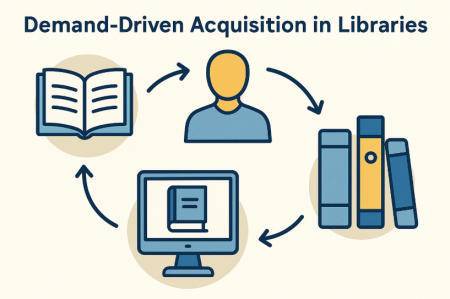
Demand-Driven Acquisition (DDA) is a modern, user-centered approach to library collection development in which resources are purchased only when there is clear evidence of user demand,…
Demand-Driven Acquisition (DDA) is a modern, user-centered approach to library collection development in which resources are purchased only when there is clear evidence of user demand,…

Why Is a Library Often Called the “Heart of an Educational Institution”? A library is often described as the “heart of an educational institution” because it…

Circulation service ensures the smooth flow of library resources to users by functioning as the central mechanism through which materials are borrowed, renewed, reserved, and returned.…

Describing libraries as “gateways to knowledge” in the modern context highlights their role as essential entry points to information, learning, and discovery in an increasingly complex…
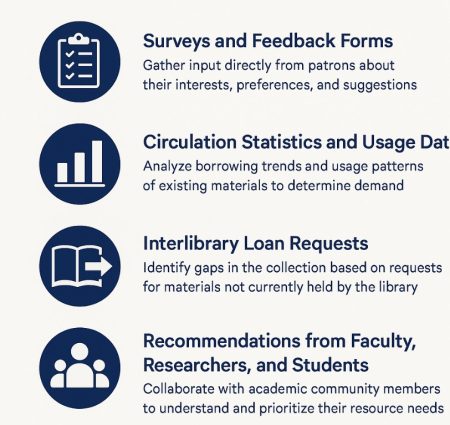
Libraries exist to serve their communities, whether those communities are students, researchers, professionals, or the general public. To remain relevant and effective, libraries must ensure that…
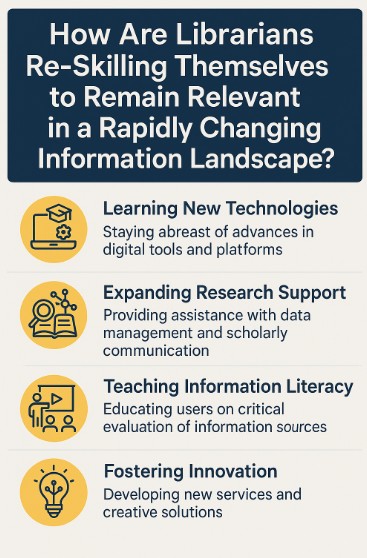
Librarianship in the rapidly changing information landscape has undergone a remarkable transformation, moving far beyond its traditional role of managing books and print collections. Today, librarians…
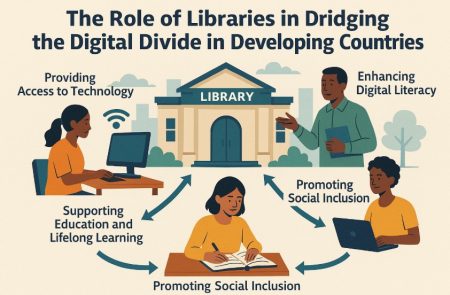
The digital divide refers to the gap between individuals, communities, and nations that have access to modern information and communication technologies and those who do not.…
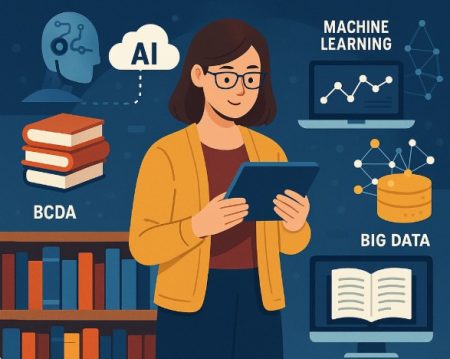
Emerging technologies like Artificial Intelligence, Machine Learning, and Big Data are revolutionizing librarianship-elevating libraries from static information repositories into dynamic, responsive, and deeply user-focused knowledge hubs.…

In the 21st century, knowledge has become one of the most valuable assets, shaping personal growth, career success, and societal progress. Lifelong learning refers to the…

“Libraries store the energy that fuels the imagination,” observed Sidney Sheldon-an apt reminder that libraries are far more than mere repositories of books. Over time, libraries…