
The Internet of Things (IoT) in libraries represents a transformative approach to enhancing library services and operations through interconnected devices and smart technology. IoT enables libraries…
The Internet of Things (IoT) in libraries represents a transformative approach to enhancing library services and operations through interconnected devices and smart technology. IoT enables libraries…

The Internet of Things (IoT) has revolutionized business operations and the broader economy, creating a transformative impact that continues to grow exponentially. IoT refers to the…
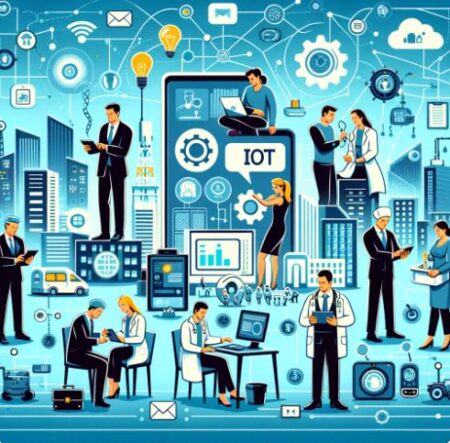
The Internet of Things (IoT) refers to the network of physical objects embedded with sensors, software, and other technologies to connect and exchange data with other…

The right of Access to Information in libraries is a fundamental principle that ensures individuals have the ability to seek, receive, and impart information freely. This…

The right of access to information (RTI) is a pivotal factor in driving economic development. By ensuring transparency, accountability, and informed decision-making, RTI creates an environment…

The right of access to information, often called freedom of information, is the legal principle that grants individuals the ability to request and obtain information held…

Introduction: The Right of Access to Information, also known as the Right to Know, is a fundamental human right that entitles individuals to request and receive…

Introduction: The Right of Access to Information, often referred to as the “freedom of information,” is a fundamental human right that empowers individuals to obtain information…

Introduction: Big Data, characterized by its volume, velocity, and variety, has transformed numerous industries by enabling enhanced decision-making, trend analysis, and predictive insights. Libraries, as repositories…
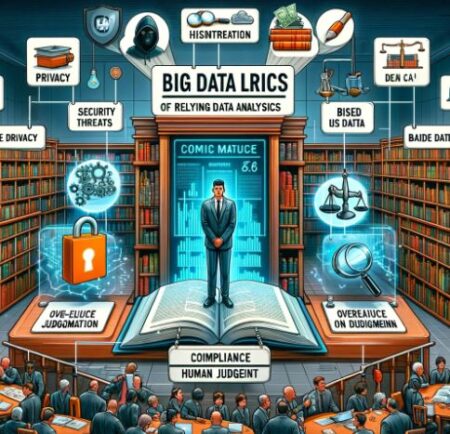
Introduction: The rapid adoption of Big Data in libraries represents a transformative shift in how these institutions manage, analyze, and utilize information. Libraries, traditionally seen as…