ICT and Information
What is Digital Rights Management (DRM)? Benefits of DRM in Libraries
Digital Rights Management (DRM) stands as a pivotal mechanism to safeguard the intellectual property rights of content creators and distributors in…
LEARN. EXPLORE. PUT KNOWLEDGE TO WORK.
Explore library science, research and technology. Find practical guides and free tools for students, teachers and library professionals.
Digital Rights Management (DRM) stands as a pivotal mechanism to safeguard the intellectual property rights of content creators and distributors in…
Automatic indexing and manual indexing are two fundamental approaches employed in information retrieval systems to organize and categorize vast amounts of…
The reference interview is a fundamental aspect of information retrieval and librarian practice, serving as the cornerstone for effectively meeting the…
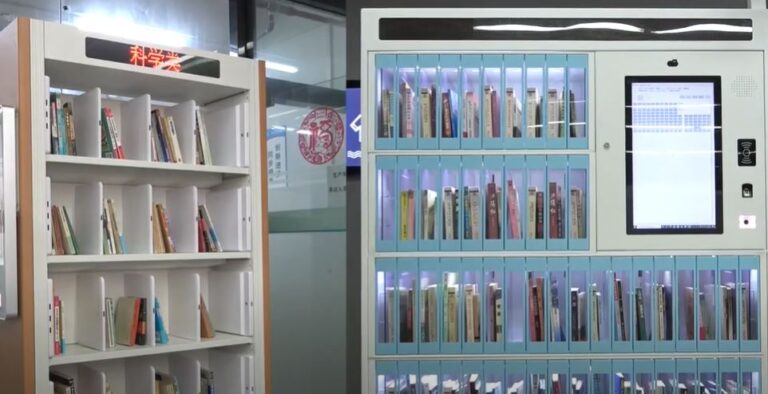
The smart library revolution marks a significant shift in how libraries operate, fueled by advancements in technology. Traditionally, libraries were physical…
Off-the-job and on-the-job training are two primary methods employed by organizations to enhance the skills and knowledge of their workforce, albeit…
In library professions, on-the-job training (OJT) is a cornerstone of professional development and effectiveness. Libraries serve as dynamic hubs of knowledge…
In the library and information sciences field, the imperative for ongoing training and professional development for library professionals is both a…
Information Management (IM) and Data Management (DM) are crucial pillars shaping the landscape of information technology. Often used interchangeably, these terms…
Introduction: Digital technologies have ushered in a paradigm shift in how libraries curate, organize, and disseminate knowledge. The convergence of technology and…
Information Management is the linchpin of modern organizational success, navigating the intricate data landscape to facilitate efficient decision-making and strategic planning.…
Adopting strategies to fortify collaboration within the classroom reflects a paradigm shift from traditional instructional methods towards a more interactive and…
Introduction: Collaborative learning in libraries represents a pivotal shift in the role of these institutions from traditional repositories of information to…
Introduction: The ethical use of information has become a critical consideration in our interconnected world. The responsible handling, dissemination, and application…