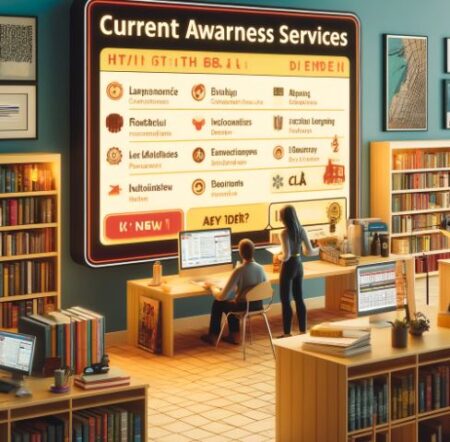
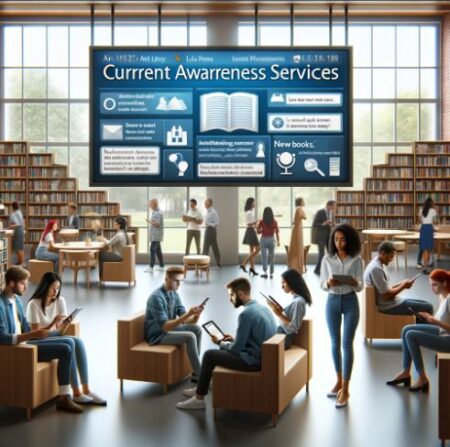
In the evolving landscape of library services, Current Awareness Services (CAS) play a crucial role in ensuring that patrons are kept informed about the latest resources, research, and developments relevant to their interests. To deliver these timely updates effectively, libraries utilize diverse tools and platforms, each offering unique features to enhance user engagement and information dissemination. This introduction explores some of the most popular tools and platforms that libraries employ to provide CAS, demonstrating how they cater to the dynamic needs of today’s information seekers.
From traditional RSS feeds that deliver customized news streams to sophisticated email alert systems provided by academic databases, these tools ensure that users receive personalized content directly. Social media platforms like Twitter and Facebook have become integral, enabling libraries to broadcast updates rapidly and interactively. Moreover, library-specific mobile apps offer the convenience of accessing CAS on the go, with push notifications to keep users connected with their library’s resources. Additionally, libraries often leverage their websites and online catalogs as central hubs for CAS, incorporating alerts and features that notify users of new materials and services. Blogs and newsletters remain effective for detailed communication, often encapsulating richer content such as featured articles, upcoming events, and new service announcements.
Together, these tools form a comprehensive ecosystem that supports library patrons’ continuous learning and information needs, ensuring that libraries remain pivotal resources in the digital age.
Popular Tools & Platforms Libraries Use to Deliver Current Awareness Updates.
Libraries have adapted to the digital era by integrating various tools and platforms to deliver Current Awareness Services (CAS). These tools are designed to keep library patrons informed about new resources, publications, and events, ensuring they have timely access to the latest information in their fields of interest. Here are some of the most popular tools and platforms used by libraries to facilitate these updates:
- RSS Feeds: RSS (Really Simple Syndication) feeds remain a fundamental tool for automated updates. Libraries use RSS to push notifications about new journal entries, books, and digital content. Patrons can subscribe to specific RSS feeds that align with their academic or professional interests.
- Email Alerts: Many scholarly databases and journal platforms provide email alert services. Users can sign up to receive emails when new articles are published that match their predefined criteria, such as keywords, author names, or topics. This is especially useful for staying current with the latest research in a specific area.
- Library Blogs and Newsletters: Blogs and newsletters are an excellent way for libraries to communicate updates and detailed insights about new resources and library services. These are often available as periodic email subscriptions and posts on the library’s website.
- Social Media Platforms: Social media platforms like Twitter, Facebook, and Instagram are increasingly crucial for real-time CAS. Libraries use these platforms to post quick updates, engage with users, and instantly promote services and events, reaching a broad audience.
- Library Websites: The library website itself is a central hub for CAS. Most libraries dedicate a section of their website to news and updates where patrons can find information on new acquisitions, available resources, and upcoming events. Advanced features may include personalized alert settings or interactive calendars.
- Online Databases and Discovery Tools: Online databases are equipped with features that allow users to set up personalized alerts. For example, patrons can receive notifications about new content that matches their previous searches or interests. Discovery tools integrated into library systems can also alert users to new materials added to the library’s catalog that meet specific search criteria.
- Mobile Apps: Some libraries offer mobile apps, which provide the functionality of website-based tools with the convenience of mobility. These apps might send push notifications about library updates and allow users to access electronic resources directly from their mobile devices.
- Webinars and Virtual Conferences: Libraries may inform patrons about webinars and virtual conferences through their CAS to facilitate ongoing education and professional development. These platforms are particularly valuable for users looking to expand their knowledge base and network with peers without traveling.
These tools collectively enable libraries to fulfill their mission of providing access to information in the most efficient and user-friendly manner possible, enhancing the user experience and ensuring patrons have the resources they need to succeed in their academic and professional endeavors.